French environmental group calls for the ban of titanium dioxide in toothpaste

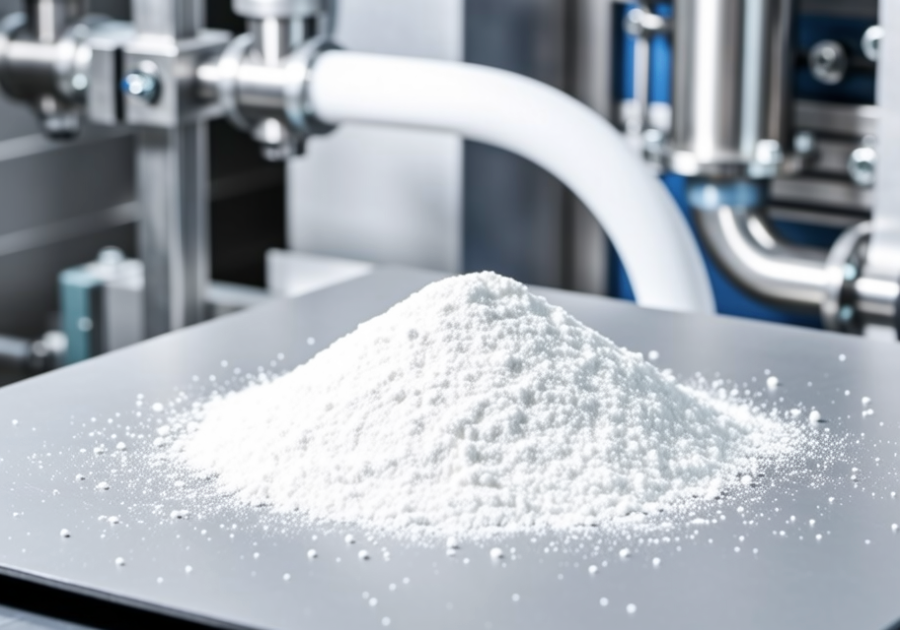
Ao Zao Overseas Network, March 29, by a survey released by the French Environmental Protection Organization on March 28, shows that the French government will officially ban the use of TITANIUM dioxide as food whitening agent from mid-April, but two-thirds of the toothpaste brands on the market still contain Titanium Dioxide suspected to be carcinogenic. Recently, 408 kinds of toothpaste were sampled from supermarkets, drugstores, cosmetics stores and organic product stores, of which 59 were children's toothpaste. The results showed that two-thirds of the products contained titanium dioxide (titanium dioxide), including 25 organic products, and half of the children's toothpastes were using this ingredient. Titanium dioxide is often referred to as titanium dioxide or titanose. It is a loose white powder and belongs to common food and cosmetic additives. The Food and Drug Administration of the United States considers it safe. It is often added to toothpaste, chocolate to increase texture, or used in doughnuts, skim milk and other foods, to make its color more bright and attractive. In addition, titanium dioxide has a good UV shielding effect, some sunscreen cosmetics will also add this ingredient.
French BFMTV reported that the additive had significant whitening effect, but its potential side effects were also the most controversial. Some scientists believe that titanium dioxide may be carcinogenic. That's why French Minister of Economy and Finance Lemmel will sign a decree in April banning the addition of titanium dioxide to food.
The European Chemicals Administration announced in 2017 that it was recommended to include titanium dioxide in the category of substances suspected of causing cancer by inhalation (Category II), but there was insufficient evidence to support the previous French proposal to include titanium dioxide in the more serious category of carcinogens (Category 1B). The report quoted Linger, head of the Environmental Action Association, as saying that on the one hand, titanium dioxide was banned in food, on the other hand, toothpaste was allowed to continue using the chemical. This approach contradicts itself.
The person in charge said: "Some people, especially children, swallow toothpaste when brushing their teeth. Our mouth is exposed to this substance every day. Oral mucosa is easily damaged and penetrated.
The report also quotes Dental Expert Barras as saying that titanium dioxide has no medical benefits for the human body. Therefore, this ingredient should be removed from all products based on the principle of prudence.
According to the regulations implemented by the European Union since 2013, cosmetics must be clearly labeled with titanium dioxide particles less than 100 nanometers in diameter. However, none of 271 toothpaste packages containing titanium dioxide were identified as nanoparticles.
Environmental Action also disclosed that the proportion of nano-sized titanium dioxide particles in the strawberry-flavored children's toothpaste, one of the largest sales in France, was as high as 47% through toxicity analysis in professional laboratories. "This is totally inconsistent with the law, and such a high proportion also shows that it is not an accident." However, dentists were cautious about the above findings. According to Barras, consumers should not stop brushing their teeth because they say toothpaste may be harmful to their health. The doctor's advice is to brush your teeth twice a day for two minutes. The expert added that in order to reduce the risk, the amount of toothpaste used each time could be reduced. Brushing itself is the most important. Friction contact between brush hair and teeth can remove bacteria accumulated on the surface of teeth after meals in order to achieve the purpose of cleaning.
Environmental Action Association has published a list of toothpaste brands containing and without titanium dioxide on the Internet for consumers to judge and choose. In addition, representatives of the association will meet with French Minister of Economy and Finance Lemmel, urging the government to ban titanium dioxide in all imported products, including toothpaste and pharmaceuticals.
In addition, the Association warned consumers about other commonly used ingredients in toothpaste in this survey, including dichlorophenoxychlorophenol (commonly known as triclosan) as an antimicrobial agent and Sodium dodecyl sulfate (also known as sodium lauryl sulfate) as a foaming detergent.
Dichlorophenoxychlorophenol is widely used in antimicrobial cleaning products, such as hand wash, bath cream, facial wash, toothpaste and so on. Its side effect is that it may lead to human endocrine disorders. The Food and Drug Administration of the United States has banned the sale of bath products containing 19 antimicrobial ingredients, including triclosan and trichlorocarban. Sodium dodecyl sulfate has a strong decontamination effect, but it is very irritating. Long-term use of sodium dodecyl sulfate may cause skin allergy and endocrine disorders.

You May Interested In


High Quality β-Nicotinamide adenine dinucleotide CAS 53-84-9 NADwith ready stock and best price
$3E+1/UNIT FOB


2026-10-22
Trade Alert
Delivering the latest product trends and industry news straight to your inbox.
(We'll never share your email address with a third-party.)

Related News
-
Chemours Ti-Pure™ Titanium Dioxide Debuts at the 2023 CHINACOAT with a Rich Product Portfolio
-
Chemours Ti-Pure™ Titanium Dioxide Debuts at the 2023 CHINACOAT with a Rich Product Portfolio
-
Ashland Introduces Biodegradable Active Delivery System for Toothpaste & Mouthwash, Enhancing Mouth Retention
-
How titanium dioxide protects your outdoor plastics?
-
What is Titanium Dioxide Uses & Benefits in daily life?
-
Dongli Technology intends to issue shares to acquire 100% of the shares of Xingzhong Titanium Industry
-
How can carbon dioxide be prepared from an acid
-
Dawn Titanium industry to open a new journey of IPO listing
-
Titanium dioxide enterprises have layout vanadium battery industry chain
-
What are fun facts about titanium
Recommend Reading
-
![Butadiene Rubber's Cost in China Floor Collapses, Exports Hold the Line]()
Butadiene Rubber's Cost in China Floor Collapses, Exports Hold the Line
-
![Middle East Crude Exports Rebound Sharply in September as Saudi Arabia Returns to Market at 5.4 Million bpd]()
Middle East Crude Exports Rebound Sharply in September as Saudi Arabia Returns to Market at 5.4 Million bpd
-
![Indonesia’s Plastic Prices Jump 50%–100% as Government Moves to Remove Import Duties]()
Indonesia’s Plastic Prices Jump 50%–100% as Government Moves to Remove Import Duties
-
![UAE Withdraws from OPEC]()
UAE Withdraws from OPEC
-
![Middle East Conflict Hits the Electronics Supply Chain as PPE Resin Shortage Sends PCB Prices Up 40%]()
Middle East Conflict Hits the Electronics Supply Chain as PPE Resin Shortage Sends PCB Prices Up 40%
-
![November hydrogen peroxide market shows weak downward trend in China]()
November hydrogen peroxide market shows weak downward trend in China
-
![Shipping Pressure Continues, ABS Market Prices Still Decline]()
Shipping Pressure Continues, ABS Market Prices Still Decline
-
![Production and Sales Pressure Eases; PC Prices Stabilize for Late November]()
Production and Sales Pressure Eases; PC Prices Stabilize for Late November
-
![In April, China's titanium dioxide market price increased by 23.6%]()
In April, China's titanium dioxide market price increased by 23.6%
-
![Weakening Costs + Sluggish Demand: Melamine Market Prices Fluctuate and Decline]()
Weakening Costs + Sluggish Demand: Melamine Market Prices Fluctuate and Decline