




Sodium Chloride (NaCl): Properties, Biological Importance, and Applications
- NaCl is an ionic salt with predictable physical properties that make it useful in chemistry, food, water treatment and de-icing.
- In people, sodium and chloride are essential for fluid balance, nerve signals and digestion — but intake should be moderated.
- When choosing salt substitutes (e.g., KCl), understand both benefits and medical caveats before switching.
What is NaCl in simple terms?
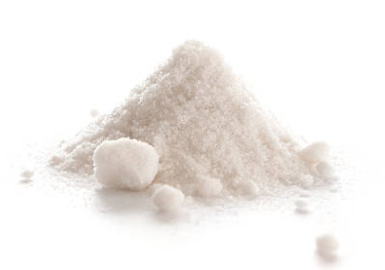
At its core, sodium chloride is an ionic compound made up of sodium (Na⁺) and chloride (Cl⁻) ions arranged in a cubic crystal lattice. You see it as table salt, but its behaviour—high solubility in water, electrical conductivity in solution, and a high melting point—explains why it’s useful far beyond the kitchen.
NaCl properties and industrial uses — where and why it matters
Because NaCl dissolves easily and provides mobile ions, industries rely on it as both a feedstock and a practical solution. Below are typical, real-world uses and the reason each application depends on NaCl’s physical or chemical traits.
Common applications
| Sector | Why NaCl is used |
|---|---|
| Chemical production | Source of chloride for producing chlorine and sodium hydroxide, essential in plastics and solvents. |
| Food & preservation | Controls microbial growth, enhances flavor and affects texture in baking and curing. |
| Water treatment | Regenerates ion-exchange resins to soften hard water. |
| Winter maintenance | Lowers water freezing point to clear ice from roads and walkways. |
| Medicine | In sterile saline, serves for hydration, wound care and as a drug vehicle. |
Why NaCl is essential for humans
Sodium and chloride ions are central to basic physiology. Sodium helps regulate extracellular fluid volume and supports the electrical gradients that let nerves transmit signals and muscles contract. Chloride is a major anion in gastric juice and contributes to acid–base balance. Medical bodies such as the World Health Organization and national health agencies describe sodium as both essential and something to be consumed in moderation: insufficient sodium causes clear clinical problems, but chronic excess increases cardiovascular risk.
NaCl vs KCl in nutrition — practical comparison
Potassium chloride (KCl) sometimes replaces part of regular salt to lower dietary sodium. That substitution trades sodium for potassium, which can help lower blood pressure in many people. But KCl is not a universal fix — people with reduced kidney function or those on certain medications (ACE inhibitors, potassium-sparing diuretics) can accumulate potassium to dangerous levels. In short: NaCl reduction via KCl can be beneficial, but medical context matters.
Health considerations: how much is safe?
Public health guidance typically recommends limiting sodium intake rather than eliminating salt. Practical steps—cooking from fresh ingredients, checking food labels, and cutting back on processed snacks—are useful ways to lower sodium without compromising nutrition. If you have hypertension, heart or kidney disease, seek personalized advice from a clinician before changing salt use or starting KCl substitutes.
Everyday tips and professional uses
In the lab or factory, NaCl is valued for predictability and low cost. At home, a teaspoon of table salt goes a long way: use it to season strategically (taste as you go) and prefer whole foods to reduce hidden sodium. In healthcare, diluted sterile saline remains a trusted, routine treatment for hydration and wound care because it safely mirrors the body’s ionic balance.
Short conclusion
NaCl is a simple molecule with broad impact. Its physical properties — solubility, ionic conductivity and crystalline stability — underpin industrial processes and everyday uses. Biologically, sodium chloride supports essential functions but should be consumed with attention to overall diet and health conditions. When considering alternatives such as KCl, weigh benefits against individual medical risk factors.
Frequently asked questions
Is sea salt healthier than table salt?
Both are primarily sodium chloride. Sea salts can contain trace minerals that alter taste, but these do not provide meaningful nutritional advantage at typical serving sizes.
Can I cut out NaCl completely?
No. Sodium and chloride are essential; removing them entirely would cause serious physiological disruption. The goal is balanced intake, not elimination.
When should I choose KCl over NaCl?
KCl is an option for lowering sodium, especially for people aiming to reduce blood pressure. Consult a health professional first if you have kidney disease, are taking certain medications, or have other medical concerns.
Looking for chemical products? Let suppliers reach out to you!
You May Interested In


Glow70/KLOW80 99% China Peptides Warehouse Direct Delivery Lyophilized Powder in Stock
$169/UNIT FOB


2026-10-25
Trade Alert
Delivering the latest product trends and industry news straight to your inbox.
(We'll never share your email address with a third-party.)

Related News
-
Sodium Chloride (NaCl): Food Grade vs Industrial Grade Uses & Safety Data
-
What is the freezing point of sodium chloride?
-
How is NaCl an organic molecule and its properties
-
What Is Sodium Chloride And Sodium Bicarbonate, And Uses
-
Miracle Cure? Sodium Chloride And Sodium Bicarbonate Health Benefits
-
Applications and Safety of Sodium Dichromate
-
Uses and Benefits of Sodium Selenite
-
Ammonia Chemical Formula: NH3 Structure & Properties
-
Benzyl Alcohol: Uses in Cosmetics, Preservative Efficacy, and Safety
-
What is a Surfactant? (Definition, Types, and How They Work)
Recommend Reading
-
![Oxalic Acid: Acidity (pKa), Sources, and Kidney Stone Risk]()
Oxalic Acid: Acidity (pKa), Sources, and Kidney Stone Risk
-
Sodium Metabisulfite: Properties, Uses, and Safety
-
![Cytosine: Structure, DNA Pairing, and Role in Genetics]()
Cytosine: Structure, DNA Pairing, and Role in Genetics
-
![Sodium Hypochlorite: Uses, Concentration Guide, and Critical Safety Hazards]()
Sodium Hypochlorite: Uses, Concentration Guide, and Critical Safety Hazards
-
![Isopropyl Alcohol (IPA) vs Ethanol: Which Solvent or Disinfectant is Better?]()
Isopropyl Alcohol (IPA) vs Ethanol: Which Solvent or Disinfectant is Better?
-
![Business Society’s Market Outlook for Polyester Staple Fiber on August 14, 2026: Volatile]()
Business Society’s Market Outlook for Polyester Staple Fiber on August 14, 2026: Volatile
-
![Supply and Demand Loosening—February Sees a Noticeable Decline in Butanol Prices]()
Supply and Demand Loosening—February Sees a Noticeable Decline in Butanol Prices
-
![Business Society’s Diesel Market Outlook on August 17, 2026: Fluctuating Trends]()
Business Society’s Diesel Market Outlook on August 17, 2026: Fluctuating Trends
-
![Cost Weakening Combined with Weak Demand: Toluene Market Shakes and Declines in February]()
Cost Weakening Combined with Weak Demand: Toluene Market Shakes and Declines in February
-
![Business Society’s PVC Market Outlook on August 14, 2026: Volatile]()
Business Society’s PVC Market Outlook on August 14, 2026: Volatile




- Hot Searches
- sodium lauryl sulfate sds
- scoplomaine
- sodium lauryl ether sulphate suppliers
- bulk retatrutide
- polydimethylsiloxane
- epoxy resin chemical formula
- na 931 for sale
- ldpe resin price asia 2025 english
- phosphorus pentoxide sds
- purchase red phosphorus
- retatrutide peptide buy usa price
- price of ammonia nitrate