Fun Facts About Calcium Carbonate You Can Not Miss
Looking for fun facts about calcium carbonate? If you live under a rock and don't know what Calcium Carbonate is, it is found within our teeth or in limestone. In addition, you can find it in seashells, pearls, antacids, certain plants/berries, eggshells, etc. This mineral is a crucial component in our food and helps maintain our teeth. It also helps buffer acids found in many foods, such as soda. The information provides a fascinating insight into how vital calcium carbonate is for our everyday lives and why it should not be taken lightly when considering whether to supplement it.
Calcium is the second most abundant mineral in the human body. It makes up about 2% of total body weight, but 99% of that calcium is contained in our bones and teeth.
Calcium carbonate is essential because it helps form the outer layer of your teeth. It also helps maintain tooth strength and prevent cavities by providing a protective barrier against bacteria that cause decay. When calcium carbonate combines with water, it forms an acid which can contribute to erosion on hard surfaces like enamel or dentin if there are not enough particles present in the saliva for neutralization. That's why drinking plenty of fluids throughout the day should be considered good dental hygiene!
One of the fun facts about calcium carbonate is that the main ingredients found in antacid tablets and chalk for kids! Moreover, the remaining 1% of calcium gives us strength by enabling muscles to contract, blood to clot, and many other functions. Calcium carbonate (CaCO3) is an ionic compound containing calcium and carbonate ions. This means that one atom will lose or gain an electron to another atom at some point during the reaction; it does not mean that there are no bonds between atoms anymore.
Calcium carbonate can be dissolved in water because its solubility increases with temperature.
Calcium carbonate is a mineral found in rocks and shells. It is the main component of limestone and marble. Calcium carbonate is used to make cement, mortar, and plaster. It is also used to make glass and dairy products. As a matter of fact, higher temperature increases kinetic energy, which means that calcium carbonate can break apart more easily in water. It cannot be dissolved in acids because its solubility decreases with increasing acidity. Calcium carbonate is insoluble in hydrochloric acid but soluble in dilute sulfuric acid.
Calcium carbonate makes pills and baking powders because it does not react to moisture or heat until high temperatures. When reacting to water, it releases CO2, so when mixed with liquids containing, the CO2 escapes as gas before being able to dissolve in the liquid, thereby providing bubbles for leavening baked goods.
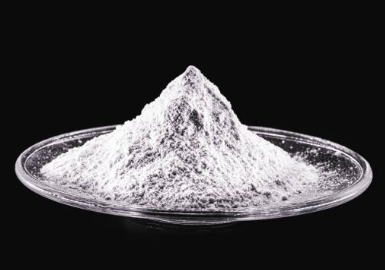
Calcium carbonate reacts quickly to heat by decomposing into calcium oxide and CO2. A white powder is left behind when this happens, giving our bones their strength by binding to organic material to form a mineral compound called apatite. Calcium carbonate isn't just fun to say; it can be fun to use!
Some fun experiments to try at home with calcium carbonate:
- Put some in a spray bottle full of vinegar and watch it fizz!
- Scratch the inside of a vitamin C tablet with a knife before putting it in water or juice - then wait for fun calcium bubbles!
- Dissolve baking soda in water and drop pieces of drywall into it. After an hour or so, you'll see fun white precipitates form as the calcium carbonate reacts with the soda.
- Use it to make a volcano! Mix baking powder and vinegar in a Ziplock bag and seal it, then go!
Calcium carbonate is the only natural mineral found in nature as a polymorph. Polymorphs are minerals with different crystal structures, but they have the same chemical composition.
Conclusion
Calcium carbonate is a chemical compound with the formula CaCO3. It is a common substance found in rocks as the minerals calcite and aragonite (most notably as limestone, marble, and chalk) and is the main component of shells of marine organisms, snails, and eggs. Calcium carbonate is also used to produce mortar, lime plaster, cement, and calcium oxide. The fun facts about calcium carbonate are that it helps form shells for marine life, it's in our bones and teeth, and can be used to make cement or plaster. What other fun facts do you know about this exciting compound? Let us know!
Looking for chemical products? Let suppliers reach out to you!
You May Interested In


Glow70/KLOW80 99% China Peptides Warehouse Direct Delivery Lyophilized Powder in Stock
$1.8E+2/UNIT FOB


2026-08-23
Trade Alert
Delivering the latest product trends and industry news straight to your inbox.
(We'll never share your email address with a third-party.)

Related News
-
What Is Calcium Caseinate
-
Ethylene Glycol: Production, Uses, and Safety
-
Fipronil: Uses, Safety, and Environmental Impact
-
Calcium Hydroxide: Formula, Industrial & Construction Uses
-
Sodium Bromide Applications: Industrial Uses & Photography Guide
-
Zinc Sulfate Uses: Agriculture, Industrial Applications & Safety
-
Biphenyl Uses: Chemical Properties, Industrial Applications & Safety
-
What is the Formula for Ammonia? (NH3 Structure & Properties)
-
Tert Butylate: Properties and Applications
-
Barium Sulfide: Properties, Uses, and Safety
Recommend Reading
-
![Uses and Benefits of Sodium Selenite]()
Uses and Benefits of Sodium Selenite
-
![Applications and Safety of Sodium Dichromate]()
Applications and Safety of Sodium Dichromate
-
![Vanillin: Properties, Uses, and Safety]()
Vanillin: Properties, Uses, and Safety
-
![Key Reactions and Uses of Allene]()
Key Reactions and Uses of Allene
-
![Uses of Sodium Acetate Trihydrate]()
Uses of Sodium Acetate Trihydrate
-
![August 10, 2026 DOP Market Outlook]()
August 10, 2026 DOP Market Outlook
-
![Vendor Shipment Surge Halts Mid-October PC Price Increase]()
Vendor Shipment Surge Halts Mid-October PC Price Increase
-
![Business Society’s Market Outlook for Lithium Carbonate on August 10, 2026: Clearly Upward Trend]()
Business Society’s Market Outlook for Lithium Carbonate on August 10, 2026: Clearly Upward Trend
-
![Change Rate Remains Positive, This Round of Refined Oil Retail Prices in China Is About to Increase]()
Change Rate Remains Positive, This Round of Refined Oil Retail Prices in China Is About to Increase
-
![This Week Styrene Showed a Strong Increase (8.10-8.14)]()
This Week Styrene Showed a Strong Increase (8.10-8.14)