




A Guide to Preparation of Sulphuric Acid Solution
Is someone planning for preparation of sulphuric acid solution? Well, its easy for someone to prepare this solution if you follow the correct procedure. Sulphuric acid, also known as oil of vitriol, is much stronger than most, and we must handle common acids with extreme care. It's great for dissolving metals, but should never get used on stone or marble statues because it will dissolve them within minutes! This article will show you how to make sulphuric acid solution safely, so you can use it for your science labs, industries, and more.
Gather Your Materials for Preparation of Sulphuric Acid Solution
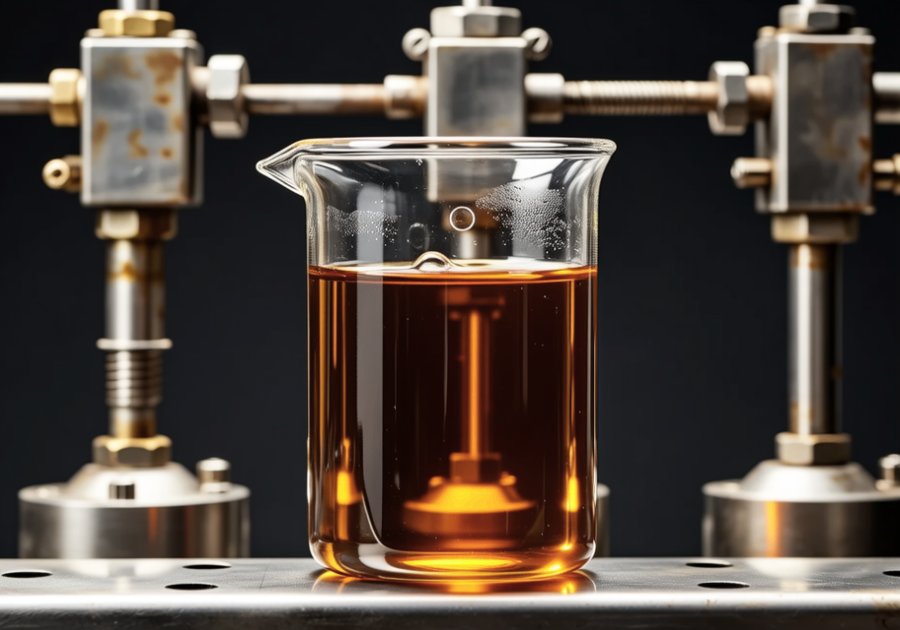
You will need a large beaker, 2 liters of water, 1 cup of sulfur and 30 mL of concentrated hydrochloric acid. Someone will require also a hot plate. Preparation of sulphuric acid solution requires you to measure 500 grams of sulfur and adding it to a beaker is what we should do next. It should weigh about 3 pounds at this point.
Fill your 2 liter container with two liters of distilled water, adding any extra required so that you have approximately 3 gallons total volume in your container (you want enough space for some steam). Add in 30mL concentrated hydrochloric acid by slowly dripping it into your mixture. Swirl gently with a stirring rod until it dissolves completely into solution.
Consider Safety First
While there are some safety precautions that people have to consider take when handling sulfuric acid, it seems relatively safe if someone compares it to other acids. The body can only absorb a certain amount of sulfuric acid, so even if you spill some on yourself, and it burns through your clothes and skin, you won't necessarily die. Be sure not to smoke or drink alcohol when using concentrated sulfuric acid; instead, maintain a clear head in case something goes wrong.
Inhaling vapors from concentrated sulfuric acid fumes can be extremely dangerous. Consult local law for regulations on specific acids before experimenting. Don't expose any part of your body to concentrated sulfuric acid, as it will rapidly burn whatever it touches. Finally, wear protective gloves and don't allow any part of your bare skin to come into contact with a chemical, no matter how diluted-it just takes one small mistake to severely injure yourself or kill you.
Mix Concentrated Sulfuric Acid
Readily available in 99% concentration, sulfuric acid (H2SO4) is essential for a laboratory environment. As always, wear eye protection and clothing that covers as much skin as possible during preparation of sulphuric acid solution. Carefully pour concentrated sulfuric acid into a graduated cylinder so that it equals exactly 1 liter of volume. A 10% excess on either side is acceptable; do not exceed 1 liter or else you will have a dangerous over spill situation on your hands!
Let It Cool Down
Once you have mixed your sulphuric acid, it will pipe hot. The last thing you want is for it to come into contact with your skin or eyes at that temperature. To avoid mishaps, put your beaker in a larger bowl filled with cold water and let it cool down for about 15 minutes before moving on to your next step.
Put it in a Container During Preparation of Sulphuric Acid Solution
The next step is to place your container on a heat source. The primary aim remains to get it to around 150 degrees Fahrenheit. Once you do, you'll know it's ready when steam comes off of your water in a visible cloud. As soon as that happens, take it away from your heat source.
If you leave it there too long, and all of your water evaporates from around its sides, but underneath remains cool, then you might end up with a mess like I did! This will allow for easy cleanup and save time later on. Wear safety glasses or goggles because things are about to get messy!
Keep it Safely for Future Use
Make sure that all of your equipment is completely dry, and place them in a safe location where they will not spill or accidentally come into contact with any other chemicals. Once you have your safety gear on, transfer your sulphuric acid into a mason jar for storage. Keep the acid in a cool, safe place for future use!
These instructions are provided as a guideline. If someone is unsure about any procedures, asking an expert can help you properly prepare the required solution.
Uses of Sulphuric Acid
Sulphuric acid gets used in laundry detergents, metal cleaning and pickling products, and for stripping paint. Its use in industrial and domestic cleaning products has significantly reduced because of health and environmental concerns about its toxicity. The European Union restricts its use as an industrial cleaner by prohibiting its presence in rinse-off products.
However, people still use it for cleaning heavy-duty machinery and equipment. Some car manufacturers have replaced it with non-toxic phosphate based acids in their etching and cleansers. We can find it in some clothing preshrunk treatments that prevent shrinking of cotton fabrics.
Looking for chemical products? Let suppliers reach out to you!
You May Interested In


Glow70/KLOW80 99% China Peptides Warehouse Direct Delivery Lyophilized Powder in Stock
$169/UNIT FOB


2026-10-24
Trade Alert
Delivering the latest product trends and industry news straight to your inbox.
(We'll never share your email address with a third-party.)

Related News
-
Chemical Properties and Uses of Tetraetil
-
L-Alanine: Amino Acid Profile, Sports Nutrition, and Metabolic Role
-
Potassium Nitrate Reactions & Uses (KNO3)
-
Understanding Titanium Oxide: Properties and Uses
-
Uses and Properties of Chromium Oxide
-
Chemical Properties and Uses of Caesium Fluoride
-
Applications of Caesium Iodide
-
Uses of Sodium Citrate Dihydrate in Food Industry
-
Permanganate: Properties, Uses, and Safety
-
HNO2 (Nitrous Acid): Properties, Uses, and Safety
Recommend Reading
-
![Heptane: Properties, Uses, and Industrial Applications]()
Heptane: Properties, Uses, and Industrial Applications
-
![Chemical Reactions and Uses of Stilbene]()
Chemical Reactions and Uses of Stilbene
-
![Uses of Dithiothreitol in Laboratories]()
Uses of Dithiothreitol in Laboratories
-
![Isobutyl: Properties, Uses, and Industrial Applications]()
Isobutyl: Properties, Uses, and Industrial Applications
-
![What is HCO3? (Bicarbonate Ion Function & Normal Levels)]()
What is HCO3? (Bicarbonate Ion Function & Normal Levels)
-
![Business Society, September 23, 2026: Acrylic Acid Trend Analysis — Clear Decline]()
Business Society, September 23, 2026: Acrylic Acid Trend Analysis — Clear Decline
-
![Business Society’s Aniline Market Outlook on August 14, 2026: Continuing the Upward Trend]()
Business Society’s Aniline Market Outlook on August 14, 2026: Continuing the Upward Trend
-
![Business Society’s Market Outlook for Epichlorohydrin on August 14, 2026: Clearly Downward]()
Business Society’s Market Outlook for Epichlorohydrin on August 14, 2026: Clearly Downward
-
![Business Society’s Market Outlook for Butadiene Rubber on August 14, 2026: Price Increase Driven by Positive Factors]()
Business Society’s Market Outlook for Butadiene Rubber on August 14, 2026: Price Increase Driven by Positive Factors
-
![Business Society’s Market Outlook for Styrene Butadiene Rubber on August 14, 2026: Short-Term Bullish Factors Support the Market]()
Business Society’s Market Outlook for Styrene Butadiene Rubber on August 14, 2026: Short-Term Bullish Factors Support the Market








- Hot Searches
- sodium carboxyl methyl cellulose distributor
- where to buy tianeptine
- current market price for propane
- price of formaldehyde
- today urea price
- retitutide
- retatrutide buy online usa
- drospirenone-ee 3-0.02 mg tab
- calcium clorate
- beryllium sds
- non ionic surfactant for herbicides
- methanol sds