A Detailed Guide of Materials Used in Pharmaceutical Packaging
Without the detailed information on the materials used in pharmaceutical packaging, it is impossible to transport medications safely. We have high expectations from the packaging materials in the pharmaceutical industry. We have compiled a guide about the different functions of pharmaceutical packaging materials.
Identification
Pharmaceutical products have labels for everything. If someone gives you a tablet without packaging, it is hard to identify its name. It is harder to identify the liquid medicines. Most pharmaceutical industries put identification on many levels as there are labels on the bottles of the medicines. The blisters have the details printed on them. Ampules also have the details printed on them. Whenever we add a new packaging layer, it is essential to add the labeling.
Protection
The primary aim of the materials used in pharmaceutical packaging is protection. These materials protect the medicines from moisture, heat, and physical stress. Some packaging materials have special features for some medications. There are some light-sensitive medicines. If you place these medicines in light, they will lose their effects. We can use amber glass for these products. In extreme cases, we use black plastic to block the light completely.
Transportation
It is impossible to transport the medicines without the packaging material. We place the medical supplies in the packaging material to avoid medicine loss. It is also essential to add the packed medicines to bigger containers for transportation. The transportation materials used in pharmaceutical packaging serve many purposes. It helps transport the medicines in bulk quantities. It also protects the primary packaging materials. If the medicine is temperature-sensitive, we can add temperature-sensitive stickers to monitor the supplies.
Dose calculation
Most pharmaceutical companies pack the medicines in a single dose container. Ampules are an example of single-dose containers. You can use the ampules only once. If you want to use the injection in different doses, you can use the vials. Many suspension bottles have a marking to add the water. It will help you make the suspension without messing with the dose calculations.
Types of materials used in pharmaceutical packaging
Most industries use plastic, glass, paper, and metal containers for medicines. We classify these materials according to their contact with the medicines. If the medicine is in contact with the packaging, we call it primary packaging. It is crucial to protect the primary packaging as loss of this material can lead to loss of medicines. We add another layer of packaging to protect the primary packaging. We name this material secondary packaging. It is essential to know the difference between these materials to understand the medicine packaging better.
Primary packaging
This material comes in direct contact with the medication. This material aims to protect the active compound. It needs to be inert as medicines can start a chemical reaction with low-quality packaging materials. We have compiled some examples of these materials.
Ampules
We use the ampules to protect the injectable medicines. These are made of glass. It is only possible to use the ampules once because you cannot attach the glass head once you open it. We can use the amber glass for light-sensitive medicines.
Vials
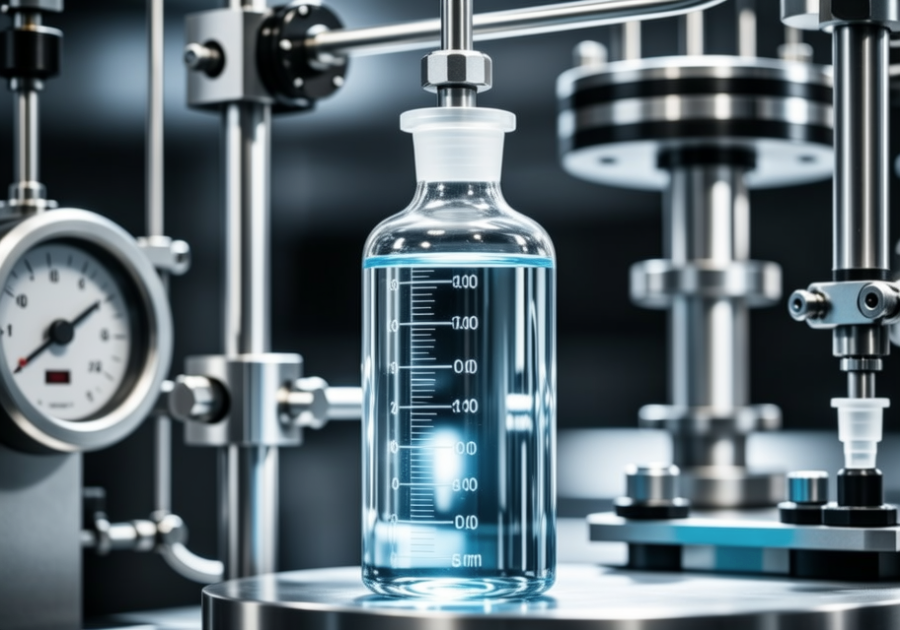
When you need to inject medicine at different times, you need a vial. It is a glass bottle with a plastic cap at the top. You can insert the needle and draw as much liquid as you need. A vial will protect the remaining medicine.
Blisters
We can use the blisters to keep the capsules and tablets. Some suppositories also come in the blister packaging. Blisters are made with a plastic sheet on one side and a metal sheet on the other side. We can use black plastic to keep the light-sensitive medicines.
Bottles
Most pharmaceutical bottles are made of plastic and glass. We can keep liquids in the bottles. Most antibiotic suspensions have the powder in the bottles. You need to add water to make the suspension at home.
Secondary packaging
These materials do not come in direct contact with the medicines. We can use this material to protect the primary packaging. Boxes are the most commonly used secondary packaging material. We can keep all types of primary packaging inside the boxes. It is easy to label and carry the boxes. Some companies use blisters to pack the ampules. The blisters are secondary packaging material in this case.
Looking for chemical products? Let suppliers reach out to you!
You May Interested In


Glow70/KLOW80 99% China Peptides Warehouse Direct Delivery Lyophilized Powder in Stock
$169/UNIT FOB


2026-10-18
Trade Alert
Delivering the latest product trends and industry news straight to your inbox.
(We'll never share your email address with a third-party.)

Related News
-
Pharmapack Asia 2026 to Debut in Singapore, Connecting Pharma Packaging and Drug Delivery Leaders Across Asia-Pacific
-
Sodium Hydroxide (Caustic Soda): Soap Making, Cleaning, and pH Control Guide
-
Paraffin Wax vs. Beeswax: Candles, Cosmetics, and Industrial Applications
-
Lanolin: Benefits for Skin, Cosmetic Uses, and Allergy Risks
-
Methylamine: Chemical Properties, Synthesis, and Industrial Applications
-
Melamine: Toxicity, Industrial Resin Uses, and Food Safety Scandals
-
Uses of Sodium Citrate Dihydrate in Food Industry
-
Sulfuric Acid Reactions: With Sugar (Dehydration), Water, and Metals
-
What is Serine? (Amino Acid Function & Sources)
-
Uses and Properties of Chromium Oxide
Recommend Reading
-
![Chemical Properties and Uses of Caesium Fluoride]()
Chemical Properties and Uses of Caesium Fluoride
-
![Applications of Diphenyl Cyanide]()
Applications of Diphenyl Cyanide
-
![Chemical Properties of Dibenzylideneacetone]()
Chemical Properties of Dibenzylideneacetone
-
![Chemical Reactions and Uses of Stilbene]()
Chemical Reactions and Uses of Stilbene
-
![Uses of Dithiothreitol in Laboratories]()
Uses of Dithiothreitol in Laboratories
-
![Expectations of Tightening Supply Dominate the Recovery in Formic Acid Prices]()
Expectations of Tightening Supply Dominate the Recovery in Formic Acid Prices
-
![Bullish Support Pushes Up January Adipic Acid Prices in China]()
Bullish Support Pushes Up January Adipic Acid Prices in China
-
![Weak Consumption Leads to Decline in ABS Prices in Mid-May in China]()
Weak Consumption Leads to Decline in ABS Prices in Mid-May in China
-
![Positive Factors Concentratedly Released, Acetone Market Strongly Rises After the Holiday]()
Positive Factors Concentratedly Released, Acetone Market Strongly Rises After the Holiday
-
![The negative spread has widened, with acrylic acid prices continuously falling and showing weakness domestically in China]()
The negative spread has widened, with acrylic acid prices continuously falling and showing weakness domestically in China