




Increased raw material costs lead to a decline of the iron and steel industry
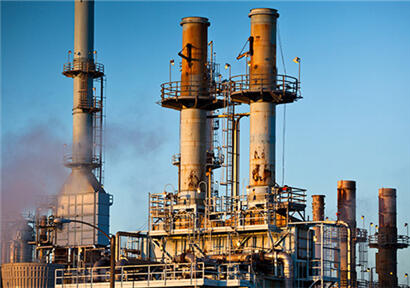
According to data released by China Iron and Steel Industry Association on July 29, the daily output of crude steel in China was 2.7491 million tons, down 5.78% annually. The growth rate of iron and steel production has obviously fallen, and the price of steel is relatively stable. However, because of the high cost of raw materials, the benefit of iron and steel enterprises has declined.
From January to July, the sales revenue of the member enterprises of China Steel Association reached 2.43 trillion yuan, an increase of 9.75% over the previous year, but the sales cost increased by 14.4% over the previous year, and the final profit reached 123.582 billion yuan, a decrease of 23.93% over the previous year. Recent semi-annual reports of listed companies also show that most iron and steel enterprises have experienced a decline in performance.
According to the relevant person in charge of the China Iron and Steel Association, the sharp decline in profits is mainly due to the rising prices of raw materials. From January to July, the purchase cost of domestic iron ore increased by 19.88%, imported ore by 29.13% and scrap steel by 10.03%. It is worth noting that although the price of imported iron ore continued to rise sharply, in July, China imported 91.01 million tons of iron ore, an increase of 15.83 million tons annually, an increase of 21.06%, and at the end of July, the stock of imported iron ore ports increased to 116.42 million tons. As the world's largest steel producer and consumer market, China is also the world's largest importer of iron ore. However, due to the high concentration of mining enterprises and the low concentration of iron and steel enterprises, iron and steel enterprises have been in a weak position. In view of this, SISCO believes that the current pricing mechanism has defects in maintaining the balanced development of industrial chain interests, which is not conducive to the long-term mutual benefit of upstream and downstream industries, and needs further improvement. In addition, whether there are non-supply and demand factors in the pricing mechanism deserves attention.
"Recently, the Sino-US trade frictions initiated by the United States have escalated, and their impact on the global economy is still emerging. However, China has also taken a series of measures to expand consumption and stabilize growth, and steel demand is expected to remain stable. Iron and steel enterprises should maintain their strength, further control the production rhythm rationally and maintain market stability. China Steel Association responsible person said.

You May Interested In


High Quality β-Nicotinamide adenine dinucleotide CAS 53-84-9 NADwith ready stock and best price
$3/UNIT FOB


2026-10-17
Trade Alert
Delivering the latest product trends and industry news straight to your inbox.
(We'll never share your email address with a third-party.)

Related News
-
Trump Announces Higher Steel and Aluminum Tariffs, Risks Inflation and Promises More Jobs
-
India plans to impose up to 25% tariffs on steel imported from China
-
RMF:Iron chlorine e6 was successfully listed in Anhui
-
In the first three quarters, China's iron and steel industry research and development investment continued to increase
-
In the first three quarters, China's iron and steel industry research and development investment continued to increase
-
Steel Market Prices are Weak and Oscillating
-
The price of coke in Inner Mongolia fell by 50%
-
Power coal: no sign of recovery?
-
Overall stable operation of coal and coke market in South China
-
In November, the output of steel bars on the national scale was 22 million tons
Recommend Reading
-
![Xampla and DIC to Introduce PFAS-Free Morro Coating to Asia]()
Xampla and DIC to Introduce PFAS-Free Morro Coating to Asia
-
![Brazil Slams Chinese Butyl Acrylate with Anti-Dumping Probe—Trade Tensions Heat Up in Specialty Chemicals]()
Brazil Slams Chinese Butyl Acrylate with Anti-Dumping Probe—Trade Tensions Heat Up in Specialty Chemicals
-
![From Rust to Recharge: Novonix Ignites America’s Graphite Independence with Twin Mega-Plants in Chattanooga]()
From Rust to Recharge: Novonix Ignites America’s Graphite Independence with Twin Mega-Plants in Chattanooga
-
![“Fake Fame” in a Forgotten Dock: Chinese Authorities Bust $100,000 Counterfeit Building Materials Ring]()
“Fake Fame” in a Forgotten Dock: Chinese Authorities Bust $100,000 Counterfeit Building Materials Ring
-
![Asian Paints Dives Deeper into the Desert: Unveils Second UAE Plant to Dominate GCC Coatings Market]()
Asian Paints Dives Deeper into the Desert: Unveils Second UAE Plant to Dominate GCC Coatings Market
-
![This week, China's titanium dioxide market prices have risen (9.7-9.11)]()
This week, China's titanium dioxide market prices have risen (9.7-9.11)
-
![Business Society’s Trend Analysis for Lithium Carbonate on September 11, 2026: Volatile Fluctuations]()
Business Society’s Trend Analysis for Lithium Carbonate on September 11, 2026: Volatile Fluctuations
-
![Early September: Cost-driven cyclohexanone prices move upward]()
Early September: Cost-driven cyclohexanone prices move upward
-
![Business Society’s DOP Trend Analysis for September 11, 2026: Clearly Upward]()
Business Society’s DOP Trend Analysis for September 11, 2026: Clearly Upward
-
![Business Society’s Styrene Trend Analysis for September 11, 2026: Volatile Rise]()
Business Society’s Styrene Trend Analysis for September 11, 2026: Volatile Rise








- Hot Searches
- diammonium phosphate near me
- ethanol supplier
- sds xylene
- industrial grade sodium bicarbonate
- ammounium sulfate
- polyethylene naphthalate price
- een powder
- best research chemical website
- mgda powder
- sodium dichloroisocyanurate
- grey market retatrutide price
- retatrutide peptide buy usa price