Why is sodium carbonate drying agent
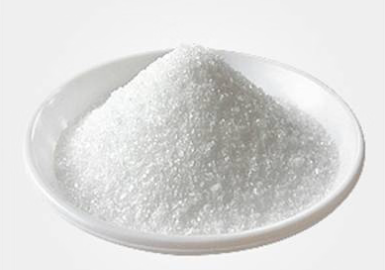
Sodium carbonate drying agent is commonly used by industries such as paper, textile, and dyeing. This article will include the benefits of this drying agents such as high efficiency, low content of chloride ion in the agent, and low price. Industrial applications require an efficient drying agent in order to reduce energy and process cost. This drying agent is a versatile non-halogen compound with several important properties that make it ideal for industrial use; it has a high efficiency rating (65-70%), contains a small level of chloride ion (<0.3%), has an easy solubility profile (easily dissolved by water), is inexpensive ($1/kg), and has no odor or flavor.
Other uses of sodium carbonate
1. Detergent in laundry and washing processes
This product can be added to laundry fluid to remove dirt and water-soluble stains. Sodium carbonate is an active ingredient in ordinary laundry detergents, bleaches, and other products used in the laundry industry. The products dissolves stains and removes excess grease from fabrics. It is commonly used as an alkaline agent in fabric softeners and deodorants. Sodium carbonate is also popular for its alkalinity for use in deodorant soaps or shaving creams, where it softens the beard or skin making it easy to cut with a knife.
2. Dyeing industry
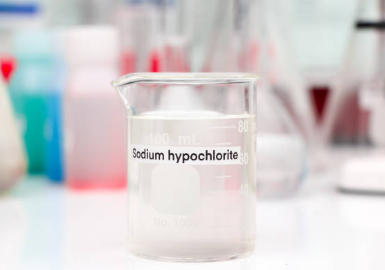
Sodium carbonate is used in all stages of dyeing, from the inclusion of sodium hypochlorite solution (bleach) to protect the fibers before the color process, to reducing heat in pre-treatment and post-treatment. Sodium carbonate is used as a dyeing agent in water-soluble and oil-soluble dyes with high dispersibility. It facilitates penetration by solvents and stabilizes dye particles during storage. The addition of sodium carbonate to molten polyester fiber helps speed up dissolution, which is especially important for polyesters dyed with acid dyes. Sodium Carbonate acts as a blue blocker and neutralizing agent for acidic pigments such as Blue 1.
3. Pulp and paper industry
In the production of wood pulp, sodium carbonate is used in the bleach stage and as a pH regulator during the cooking process, where it also acts as an alkali to increase the yield of cellulose fiber. During pulping, sodium carbonate helps remove lignin from wood chips, which allows the more efficient release of cellulose fibers. Sodium carbonate is considered safer than chlorine-based bleaching chemicals because it is less toxic.
As a papermaking additive, sodium carbonate plays an important role in converting mechanical and chemical energy into optical brightness in finished paper products. It also plays a major role in the formation of sizing and viscosity in paper, which increases the opacity and rigidity of paper products.
4. Plastics industry
Sodium carbonate is used in polyvinyl chloride plastics to enhance their water resistance and softener quality. It improves the formability of PVC-based sheets, provides dimensional stability, and prevents mineralization. It is also used as an activator for termosetting polymers and adhesives. Sodium carbonate can be used with other alkaline additives to prepare thermosetting resins from epoxy resin or polyester resin containing high levels of unsaturated acid anhydride.
5. Paint industry
Sodium carbonate is used in acrylic painting as a clarifier, absorber, and surfactant. It is added to speed the drying of paints and provide stability during storage. It is also used as a wetting agent, disperser, and neutralizer for pigments in coating paints. Sodium carbonate can also be used as an antifoaming agent for pigments and activators for acrylates or methacrylates in paint applications.
6. Liquor industry
Sodium carbonate acts both as a clarifier and alkaline agent in winemaking. It helps to stabilize and protect color, adds clarity to cloudy liquids, and adjusts the pH of wines during fermentation.
7. Pharmaceutical industry
Sodium carbonate is a buffering agent for pharmaceutical products. It has been used in soft gelatin capsules, water-based toothpastes, skin lotions and cream, antiperspirants and deodorants, high-potency tablets (vitamins), and liquid chemical compounds. Sodium carbonate is also used as a coagulant for blood plasma transfusion application.
8. Food industry
sodium carbonate drying agent is also used in food additives. It is a ready-to-use food additive used in the food industry as a stabilizer, acidity regulator, and buffer to maintain the color, color stability, and nutritional quality of foods. Sodium carbonate can be added to drink powders for improved taste and texture. In addition, it can be added to foods as a preservative to prevent microbial growth and extend product shelf life. Sodium salts of carbonic acid (commonly known as sodium bicarbonate) are used in addition to sodium chloride in salt substitutes or electrolyte solutions (e.g., sports drinks) for their buffering effects .
In conclusions, sodium carbonate drying agent is so widely used in many industries, such as laundry and cleaning industry, papermaking and food industry, it has wide applications.
Looking for chemical products? Let suppliers reach out to you!
You May Interested In


Glow70/KLOW80 99% China Peptides Warehouse Direct Delivery Lyophilized Powder in Stock
$169/UNIT FOB


2026-10-24
Trade Alert
Delivering the latest product trends and industry news straight to your inbox.
(We'll never share your email address with a third-party.)

Related News
-
What is Serine? (Amino Acid Function & Sources)
-
Sulfuric Acid Reactions: With Sugar (Dehydration), Water, and Metals
-
HNO2 (Nitrous Acid): Properties, Uses, and Safety
-
Phosphoric Acid: Uses in Cola, Rust Removal, and Fertilizers Explained
-
Heptane: Properties, Uses, and Industrial Applications
-
Silver Nitrate: Medical Uses, Photography History, and Staining Properties
-
Melamine: Toxicity, Industrial Resin Uses, and Food Safety Scandals
-
Methylamine: Chemical Properties, Synthesis, and Industrial Applications
-
Understanding Titanium Oxide: Properties and Uses
-
A New Weapon Against Spider Mites: Canada Moves to Approve Novel Miticide for Greenhouse Growers
Recommend Reading
-
![Sodium Hypochlorite: Uses, Concentration Guide, and Critical Safety Hazards]()
Sodium Hypochlorite: Uses, Concentration Guide, and Critical Safety Hazards
-
![Isopropyl Alcohol (IPA) vs Ethanol: Which Solvent or Disinfectant is Better?]()
Isopropyl Alcohol (IPA) vs Ethanol: Which Solvent or Disinfectant is Better?
-
![Chemical Properties and Uses of Caesium Fluoride]()
Chemical Properties and Uses of Caesium Fluoride
-
![Uses and Properties of Chromium Oxide]()
Uses and Properties of Chromium Oxide
-
![Uses of Sodium Citrate Dihydrate in Food Industry]()
Uses of Sodium Citrate Dihydrate in Food Industry
-
![November Maleic Anhydride Prices Generally Decline in China]()
November Maleic Anhydride Prices Generally Decline in China
-
![November Refinery Petroleum Coke Market Trends Decline]()
November Refinery Petroleum Coke Market Trends Decline
-
![Business Society’s MTBE Market Outlook on August 13, 2026: Fluctuating Trend]()
Business Society’s MTBE Market Outlook on August 13, 2026: Fluctuating Trend
-
![Business Society’s Market Outlook for Fuel Oil 180CST on August 11, 2026: Consolidation]()
Business Society’s Market Outlook for Fuel Oil 180CST on August 11, 2026: Consolidation
-
![Premium Global Chemical Sourcing Requests (1-5 Dec 2025)]()
Premium Global Chemical Sourcing Requests (1-5 Dec 2025)