The Capacity of Domestic Coastal Freight Ships grew steadily
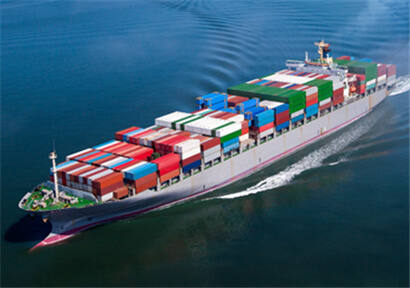
Reporters learned from the Ministry of Transport that, on the whole, the tonnage of other cargo ships increased steadily except for chemical tankers and liquefied gas tankers. The average age of coastal inter-provincial cargo ships is about 11 years.
Dry bulk carrier capacity situation
As of 30 June 2019, the coastal inter-provincial dry bulk carriers (over 10,000 tons, excluding major cargo ships, multi-purpose ships and other ordinary cargo ships, the same below) totalled 1843 and 63,621,700 tonnes, 11 and 114,610 tonnes more than at the end of 2018, an increase of 1.83%. In the first half of 2019, there were 65 new carrying capacity and 28.023 million carrying capacity tonnes; in addition to 3 mandatory scrapped and 91.1 million carrying capacity vessels, enterprises took the initiative to adjust their carrying capacity. A total of 51, 155.6 million carrying capacity vessels withdrew from the coastal inter-provincial waterway transport market ahead of schedule (some ships had been inspected and reduced their carrying capacity by nuclear power, totaling 111,000 carrying capacity tonnes).
The average age of dry bulk carriers for inter-provincial transportation along the coast is 10.44 years. Among them, 216 old ships (over 18 years of age) and 30 special inspection ships (over 28 years of age) account for 11.72% and 1.63% of the total number, respectively.
Container Ship Capacity Situation
As of 30 June 2019, 263 coastal inter-provincial container ships (more than 700 TEUs, excluding multi-purpose vessels, the same below) totaled 735,900 TEUs, 11 TEUs and 201,000 TEUs more than at the end of 2018, with an increase of 2.81%. In the first half of 2019, there were 15 TEUs with an additional capacity of 24.7 million TEUs, and 4 TEU container ships withdrew from the coastal inter-provincial waterway transport market ahead of schedule (some of them had been inspected to reduce their container capacity by 0.01 million TEUs).
The average age of coastal inter-provincial container ships is 9.84 years. Among them, 32 old ships (aged more than 20 years) account for 12.17% of the total number, and there are no special inspection ships (aged more than 29 years).
As of June 30, 2019, there were 1 310 and 10 291,100 oil tankers (including crude oil tankers, refined oil tankers and dual-purpose tankers without oil products and chemicals) transporting oil products along the coast, an increase of 14 and 47,700 tons, or 0.47% over the end of 2018. In the first half of 2019, 37 oil tankers and 192,900 tonnes of load were added, and 22 and 145,500 tonnage vessels withdrew from the market ahead of schedule except one mandatory scrap and 0.06 million tonnage vessels (some ships changed tonnage after inspection, with a total reduction of 0.01 million tonnage). The average age of oil tankers in coastal provinces is 10.03 years. Among them, 492 old ships (aged 12 years or more) and 9 special inspection ships (aged 26 years or more) accounted for 37.56% and 0.69% of the total number, respectively.
As of June 30, 2019, there were 284 coastal inter-provincial chemical carriers (oil and chemical dual-purpose vessels, the same below) with 11.195 million tonnes of load, a decrease of 4 and 0.95 million tonnes, or 0.84% in tonnage of load compared with the end of 2018. In the first half of 2019, there were 3 new ships with a capacity of 13600 DWT; there were no forced scrapped ships; there were 7 chemical ships with a capacity of 22000 DWT leaving the coastal provincial waterway transportation market in advance (some ships changed the DWT after inspection, with a total reduction of 11000 DWT).
The average age of coastal inter-provincial chemical tankers is 10.40 years. Among them, 122 old ships (aged 12 years or more) and 2 special inspection ships (aged 26 years or more) accounted for 42.96% and 0.70% of the total number of ships, respectively.
As of June 30, 2019, there were 72 LNG carriers and 247,100 LNG carriers in the coastal provinces, which were 0.08 million and 0.33% less than the number of ships at the end of 2018. In the first half of 2019, there was an additional capacity of 10.3 million tonnes; there was no mandatory abandonment of ships; a total of 11,000 tonnes of liquefied gas tankers withdrew from the coastal inter-provincial waterway transport market ahead of schedule.
The average age of LNG carriers in coastal provinces is 11.69 years. Among them, there are 21 old ships (more than 12 years old) and 3 special inspection ships (more than 26 years old), accounting for 29.17% and 4.17% of the total number.

You May Interested In


High Quality β-Nicotinamide adenine dinucleotide CAS 53-84-9 NADwith ready stock and best price
$3E+1/UNIT FOB


2026-10-25
Trade Alert
Delivering the latest product trends and industry news straight to your inbox.
(We'll never share your email address with a third-party.)

Related News
-
Sea Freight has Fallen to the Level of the Same Period Last Year, and the Sky-high Freight has Reversed in August?
-
Hapag-Lloyd's Q1 net Profit Was US$4.68 Billion, Three Times That of The Same Period Last Year! Freight Rates to Fall Sharply in The Third Quarter
-
When will the shipping 'super peak season' end?
-
Accident! A container ship is suspected of being hit by a missile and caught fire, involving multiple shipping companies sharing cabins
-
Rents and freight are rising and rising! The container has been stranded for a month! The Ministry of Transport officially responded!
-
Freight rates between China and the United States soared by 250%! 'A box is hard to find' or will make a comeback!
-
Tianjin Container Freight Index down 1.96%
-
Manzhouli port sees rising China-Europe freight trains in Q1
-
Railway freight growth rate of 6% in the first three quarters completed 70%
-
In the first three quarters, the railway freight volume exceeded 2.5bn tons
Recommend Reading
-
![Metso Expands Wear Parts Capacity in China with New Rubber Factory in Quzhou]()
Metso Expands Wear Parts Capacity in China with New Rubber Factory in Quzhou
-
![China’s Chemical “Spring Surge”: 68.8% of Products Rising—Real Recovery or Just a Pre-Festival Mirage?]()
China’s Chemical “Spring Surge”: 68.8% of Products Rising—Real Recovery or Just a Pre-Festival Mirage?
-
![Spice Up the Coop: EFSA Reaffirms Safety of Botanical Blend for Broiler Feed—With a Warning for Handlers]()
Spice Up the Coop: EFSA Reaffirms Safety of Botanical Blend for Broiler Feed—With a Warning for Handlers
-
![From Ancient Volcanoes to Modern Feed Mills: EFSA Validates Volcanic Zeolite as Safe and Effective Feed Additive]()
From Ancient Volcanoes to Modern Feed Mills: EFSA Validates Volcanic Zeolite as Safe and Effective Feed Additive
-
![Probiotic Promise, Safety Snag: EFSA Gives Mixed Verdict on Multi-Strain Dog Feed Additive]()
Probiotic Promise, Safety Snag: EFSA Gives Mixed Verdict on Multi-Strain Dog Feed Additive
-
![January China's bunker fuel market fluctuates]()
January China's bunker fuel market fluctuates
-
![January Petrocoke Market Trends: First Rise, Then Fall]()
January Petrocoke Market Trends: First Rise, Then Fall
-
![2025 Maleic Anhydride Market Analysis and 2026 Forecast]()
2025 Maleic Anhydride Market Analysis and 2026 Forecast
-
![January Maleic Anhydride Prices Overall Increased in China]()
January Maleic Anhydride Prices Overall Increased in China
-
![MTBE Market Prices Edge Higher Within a Narrow Range]()
MTBE Market Prices Edge Higher Within a Narrow Range