What is acetone melting point and boiling point
Acetone melting point and boiling point are the temperatures at which acetone will first begin to boil and then solidify, respectively. In terms of boiling point and freezing point, the two states of matter are different because between them is a phase change. Acetone as a liquid at room temperature can dissolve many substances such as oils, lipids, and hydrocarbons during metabolism in the body but can also be used by beauty salon professionals in some cosmetic products such as nail polish remover. It is also an ingredient in some types of cleaning solvents.
Structures of acetone
The chemical formula of acetone is CH3COCH3 or ...CH2...CO...CH3, and it is a colorless liquid at room temperature. Acetone is a very flammable substance that has a mild sweet odor. This unique odor allows for its dissipation into the environment and for easy detection if spilled on the ground. In fact, this smell usually causes alarm in people because when it comes into contact with skin and eyes, evaporates quickly to form a thin layer of film over the affected tissue and then dries up to cause intense chemical burns.
Acetone is made up of a chain of two carbon atoms with three chemical bonds each, connected to another two carbon atoms each with three chemical bonds. These four carbons are also connected to one oxygen atom and one hydrogen atom each. This chemical structure gives acetone its unique properties as a solvent. The carbons can readily attract water molecules, which causes the solvent to be able to dissolve oils, fats and other hydrocarbons. The carbon-oxygen bond is a polar covalent bond that is partially ionic because it has partial charge separation wherein the oxygen-oxygen bond has partial negative charge and the carbon-carbon bond has partial positive charge.
Physical properties of acetone
1. Color and odor
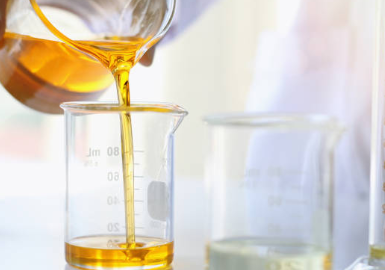
Acetone is a very transparent liquid which has no color except in dark brown powder. The high flash point allows acetone to be easily ignited by an open flame such as a candle, with little chance of exploding or catching fire. This shows acetone melting point and boiling point.
2. Explosive properties and colorless flammable liquid when heated
Acetone's volatility causes it to dissolve in water, which is why it can cause injury upon contact with eyes or skin. Acetone also produces tear gas during combustion because the hydrocarbon component burns at temperatures above 800 ℃ (1472 ℉). Acetone is a very flammable substance that has a mild sweet odor. The mildness of this odor allows for its dissipation into the environment and for easy detection if spilled on the ground. In fact, this smell usually causes alarm in people because when it comes into contact with skin and eyes, evaporates quickly to form a thin layer of film over the affected tissue and then dries up to cause intense chemical burns.
3. Water solubility
Acetone is soluble in water and will dissolve in any water based substance with a PH greater than 7. Acetone's vapor pressure is approximately 17 atm at 25 ℃ (77 ℉) so it can easily be removed from water through evaporation. In fact, the flammability of acetone can even be used as a means of removing water from some substances. Since acetone is a reasonably good solvent for oil and fats, it is often added to other substances to prevent them from solidifying into clumps on freezing.
4. Melting point, boiling point, and freezing point
Acetone has a very low melting point which is 0 ℃ (32 ℉). The boiling point of acetone is 78.6 ℃ (173.3 ℉) while its freezing point is -90.8 ℃ (-128 ℉). This means it is a liquid under normal conditions but under high pressure, acetone is also known to exist in a gas state.
5. Vapor pressure
The vapor pressure of acetone in the atmosphere is approximately 17 atm at 25 ℃ (77 ℉). The low vapor pressure makes it hard for molecules to escape the surface of a liquid state to become a vapor and thus make the liquid evaporate easily. This property allows acetone to dissolve some substances into its water-like form yet maintain the ability to evaporate quickly when excess heat is applied or too much solvent has been added to remove solids from solutions.
In conclusion, acetone melting point and boiling point are the temperatures at which acetone will first begin to boil and then solidify, respectively. This means that when one is working with the liquid, it is important to take measures in the process of melting or suspending solids so as to not cause a chemical reaction. In addition, making small amounts of acetone into a liquid is easier than making larger amounts into an aqueous solution because gaseous acetone may produce too much pressure existing within its container and crack it open. Acetone can also be used as a solvent in some cosmetic products such as nail polish remover which is why cleaning solvents are often recommended for serious chemical spills or accidents.
Looking for chemical products? Let suppliers reach out to you!
You May Interested In


Glow70/KLOW80 99% China Peptides Warehouse Direct Delivery Lyophilized Powder in Stock
$169/UNIT FOB


2026-10-24
Trade Alert
Delivering the latest product trends and industry news straight to your inbox.
(We'll never share your email address with a third-party.)

Related News
-
What is acetone structure and formula?
-
Why Are Acetone and Nail Polish Remover Considered the Same A Clear Explanation
-
Acetone market prices rose continuously
-
The 'Discontinuation Tide' Is Here! More than 100 Chemical Companies have Stopped Production!
-
LG Chem Exports Bio-based Phenol and Acetone
-
Why is acetone a good solvent and its uses
-
What is the other name for acetone
-
Get to Know What Type of Molecule Is AcetoneAnd Its Uses
-
what Are Acetone Uses In Laboratory?
-
What Is Acetone Used For
Recommend Reading
-
![Chemical Properties and Uses of Caesium Fluoride]()
Chemical Properties and Uses of Caesium Fluoride
-
![Sodium Chloride (NaCl): Food Grade vs Industrial Grade Uses & Safety Data]()
Sodium Chloride (NaCl): Food Grade vs Industrial Grade Uses & Safety Data
-
![Uses and Properties of Chromium Oxide]()
Uses and Properties of Chromium Oxide
-
![Chemical Raw Materials: How to Source Quality Suppliers & Understand Grades]()
Chemical Raw Materials: How to Source Quality Suppliers & Understand Grades
-
![Ammonia Chemical Formula: NH3 Structure & Properties]()
Ammonia Chemical Formula: NH3 Structure & Properties
-
![Sulfate of Ammonia Market Prices Show Weak Decline (8.10-8.14)]()
Sulfate of Ammonia Market Prices Show Weak Decline (8.10-8.14)
-
![Cost Pressure Rises, Anhydrous Hydrogen Fluoride Prices Increase in China]()
Cost Pressure Rises, Anhydrous Hydrogen Fluoride Prices Increase in China
-
![Raw Material Support Drives Uptick in Adipic Acid Prices]()
Raw Material Support Drives Uptick in Adipic Acid Prices
-
![Business Society’s Ethanol Market Outlook on August 14, 2026: Clearly Downward]()
Business Society’s Ethanol Market Outlook on August 14, 2026: Clearly Downward
-
![Lithium Carbonate Trending Upward, with a Bumpy Process]()
Lithium Carbonate Trending Upward, with a Bumpy Process