Ammonium Sulfate: Fertilizer, Industrial Uses, and Comparisons
Ammonium sulfate remains valuable because it supplies both nitrogen and sulfur reliably, suits alkaline or sulfur-deficient soils, and has niche industrial and food uses where other nitrogen sources fall short. This article explains how and why, covering Ammonium Sulfate fertilizer use, comparisons like Ammonium Sulfate vs Urea, its place in the food industry, and practical points about Ammonium Sulfate safety.
1. What is ammonium sulfate?
Ammonium sulfate ((NH4)2SO4) is a simple inorganic salt used widely for decades. It is a white, water-soluble crystalline powder that supplies two nutrients: nitrogen (about 21% by weight) and sulfate sulfur (about 24%). Historically it was recovered as an industrial byproduct; today it is mostly manufactured by neutralizing sulfuric acid with ammonia. Its steady nutrient release and sulfate content are the main practical reasons it remains in use.
2. How farmers use it — Ammonium Sulfate fertilizer use
Farmers turn to ammonium sulfate when soils are alkaline or when crops need sulfur in addition to nitrogen. It is popular on rice, wheat, corn, coffee and tea plantations and where foliar nutrition or soil acidification is desired. Because it releases ammonium rather than urea’s quickly hydrolyzed form, volatilization losses are lower when the material is left on the surface — especially on high-pH soils. In short, its predictability and dual nutrient supply make it a practical choice in many cropping systems.
3. Ammonium Sulfate vs Urea — a straightforward comparison
Urea and ammonium sulfate both provide nitrogen, but they are different tools. Urea carries roughly double the nitrogen per kilogram, making it cheaper by weight for N supply — yet it lacks sulfur and is more prone to ammonia volatilization if not incorporated. Ammonium sulfate supplies sulfur, slightly acidifies soil over time (which can be beneficial in alkaline soils), and tends to lose less nitrogen to the atmosphere under the same conditions.
| Feature | Ammonium Sulfate | Urea |
|---|---|---|
| Nitrogen content | ~21% | ~46% |
| Sulfur | ~24% (present) | None |
| Volatilization risk | Low | Higher if not incorporated |
| Effect on soil | Mildly acidifying | Neutral to slightly alkaline after hydrolysis |
| Typical uses | Alkaline soils, sulfur-deficient crops | General-purpose nitrogen source |
4. Industrial and food applications
Ammonium sulfate plays roles beyond fields. In industry it is a coagulant aid in water treatment, a dyeing assistant in textiles, and a processing aid in various chemical operations. In laboratories it is a standard reagent for “salting out” proteins during purification. In the food industry, ammonium sulfate is used in controlled amounts as a dough conditioner, yeast nutrient, or acidity regulator. Regulatory bodies such as the FDA classify it as acceptable for specific food uses when applied within defined limits; processors follow those limits to keep products safe and compliant.
5. Safety, handling, and environmental notes — Ammonium Sulfate safety
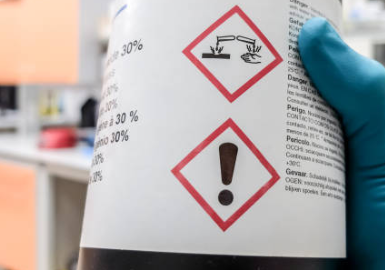
The compound itself is not highly toxic and is non-flammable, but sensible precautions are required. Fine dust can irritate eyes and respiratory passages, so gloves and eye protection are advised for bulk handling. From an environmental standpoint, misuse or over-application can acidify soil and contribute to nitrogen runoff, which affects water quality. Best management practices — matching application rates to crop need, avoiding heavy applications before rain, and using incorporation where practical — minimize risks.
6. Market trends and practical takeaways
Despite advances in fertilizer blends and coated products, ammonium sulfate remains steady in demand because it provides sulfur cheaply and predictably. Where soil tests show sulfur deficiency or where ammonia losses are a concern, it is often the logical choice. For growers and agronomists, the practical advice is simple: test the soil, match nutrients to crop demand, and consider cost per unit of nutrient rather than price per tonne alone.
7. Quick summary
Ammonium sulfate is a reliable dual-nutrient input that combines nitrogen availability with sulfur supplementation. It differs from urea in nutrient density and behavior in soil, and it finds use across agriculture, industry, labs, and selected food processes. When handled and applied responsibly, it offers an effective and economical solution for many nutrient management scenarios.
Looking for chemical products? Let suppliers reach out to you!
You May Interested In


Glow70/KLOW80 99% China Peptides Warehouse Direct Delivery Lyophilized Powder in Stock
$169/UNIT FOB

SS-31 Cosmetic peptides, discounted price improving cognitive impairment factory supply
$78/UNIT FOB


2026-10-22
Trade Alert
Delivering the latest product trends and industry news straight to your inbox.
(We'll never share your email address with a third-party.)

Related News
-
Business Society’s Market Outlook for Ammonium Sulfate on August 18, 2026: Clearly Downward
-
Ammonium Sulfate Market Prices Continue to Fall (9.15-9.19)
-
ECHEMI High Quality Inquiries (1-5 June)
-
ECHEMI High Quality Inquiries (2-6 Mar)
-
Sulfur Hexafluoride (SF6): Applications and Safety
-
ADAMA Targets Sucking Pests with Ateka
-
EFSA Reviews Clodinafop Risk
-
Imidazole: Heterocyclic Chemistry, Antifungal Drugs, and Buffer Systems
-
Uses and Properties of Copper Acetate
-
Hydrogen Peroxide Formula: H2O2 Concentration & Safety
Recommend Reading
-
![Tert Butylate: Properties and Applications]()
Tert Butylate: Properties and Applications
-
![Isoascorbic Acid: Uses and Safety]()
Isoascorbic Acid: Uses and Safety
-
![Understanding PCl5: Compound Name and Uses]()
Understanding PCl5: Compound Name and Uses
-
![HNO2 (Nitrous Acid): Properties, Uses, and Safety]()
HNO2 (Nitrous Acid): Properties, Uses, and Safety
-
![Heptane: Properties, Uses, and Industrial Applications]()
Heptane: Properties, Uses, and Industrial Applications
-
![Phenol Market Broadly Declines Since November, Then Gradually Stabilizes]()
Phenol Market Broadly Declines Since November, Then Gradually Stabilizes
-
![Polyester Bottle Flakes Show Intraday Volatility and Strength on the 23rd, Closing Higher at Late Trading Hours]()
Polyester Bottle Flakes Show Intraday Volatility and Strength on the 23rd, Closing Higher at Late Trading Hours
-
![Premium Global Chemical Sourcing Requests (27-29July, 2026)]()
Premium Global Chemical Sourcing Requests (27-29July, 2026)
-
![U.S. Imposes 12.5% Additional Tariff! Nutritional Ingredients Including Creatine, Taurine, and Glucosamine Included in New Section 301 Tariff List]()
U.S. Imposes 12.5% Additional Tariff! Nutritional Ingredients Including Creatine, Taurine, and Glucosamine Included in New Section 301 Tariff List
-
![Crude Oil + Maintenance Boosts PTA Prices to Rise Amidst Volatility in July]()
Crude Oil + Maintenance Boosts PTA Prices to Rise Amidst Volatility in July