Product
Supplier
Encyclopedia
Inquiry
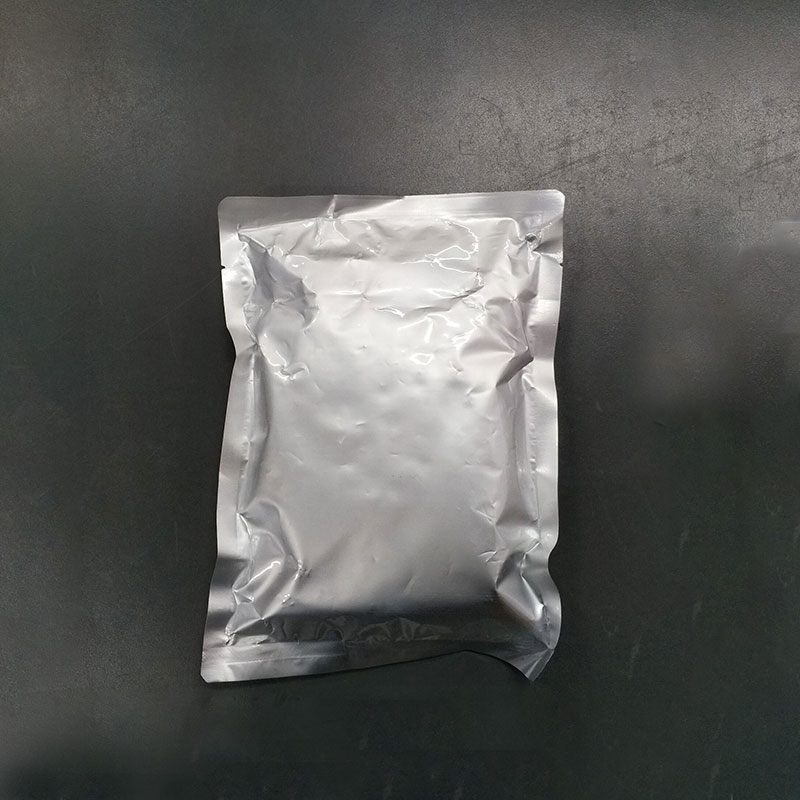
Itraconazole CAS 84625-61-6 buy - large image1
Itraconazole CAS 84625-61-6 buy - image1

Itraconazole CAS 84625-61-6

13 Inquiries

Unit Price: Get Latest Price
CAS No.:

84625-61-6

Port:

shanghai

Packaging:

bag

Price valid (until):

2024-01-04

Company Type:
Manufactory
Location:
China
Qualification:
Main Products:

Agrochemicals,Daily Chemicals,Catalysts & Chemical Auxiliary Agents,Extract,Inorganic Chemicals,Organic Intermediate

  • Product Description

  • Seller Information

  • Inquiry History

  • Description


      Product Detail  


    Broad - spectrum antifungal agents Itraconazole is an artificially synthetic clotrimazole, being a broad-spectrum synthetic antifungal agent. Its antimicrobial spectrum and antimicrobial mechanism is similar to clotrimazole, but has strong antibacterial activity against Aspergillus. It exerts its anti-fungal effect through changing the fungal cell membrane permeability with antibacterial activity against superficial and deep fungal pathogens. Its antibacterial spectrum is broader and stronger than ketoconazole, being able to inhibit the ergosterol synthesis of fungal cell membrane, thus playing the antifungal effect. This product is suitable for the treatment of Dermatophytes (Trichophyton, Microsporum, Flocculent Epidermophyton), Yeast [Cryptococcus neoformans, Pityrosporum, Candida (including Candida albicans, Candida glabrata and candida krusei)], Aspergillus, Histoplasma, Paracoccidioides brasiliensis, Sporothrix schenckii, Hormodendrum, Cladosporium, Blastomyces dermatitidis and various kinds of other types of yeasts and fungi. Itraconazole is not able to inhibit the growth of Rhizopus and Mucor.
    One nitrogen atom contained in the itraconazole molecule can bind to the ferrous ion on the heme of the P450 molecule in the fungal cell, thereby inhibiting the P450 hydroxylase-catalyzed de-methylation of lanosterol, Sterol to ergosterol conversion blocked, lanosterol and other precursors accumulation, membrane chemical composition changes, membrane associated enzyme dysfunction, increased permeability, intracellular fluid spill, so as to achieve the inhibition and sterilization. The combination of this product with the fungus P450 system is quite strong while its combination with the mammalian P450 system is weak, so that the toxicity of drugs on human is greatly reduced. Clinical Itraconazole is mainly used for the treatment of systemic deep fungal infections caused by systems such as blastomycosis, histoplasmosis, coccidioidomycosis, chromoblastomycosis, sporotrichosis and coccidioidomycosis. It can also be used for the treatment of candidiasis and aspergillosis.
    The above information is compiled and edited by Tongtong from Chemicalbook.

    Pharmacokinetics Itraconazole, when taken immediately after the meal, can give the highest bioavailability. After (4.6 ± 1.3) hours of oral administration of 200 mg of itraconazole, the plasma concentration can reach peak with the plasma concentration being (0.32 ± 0.16) mg/mL. The product has a plasma protein binding rate of 99.8% with the whole blood concentration being about 60% of the plasma concentration. The drug concentration in the lung, kidney, liver, bone, stomach, spleen and muscle was found to be 2 to 3 times as high as that in the corresponding plasma concentration.  In keratin-rich tissues, especially in the skin, the concentration is four times as high as that in the plasma concentration while the drug clearance is associated with the process of epidermal regeneration. If withdraw the drug after continuous medication of 4 weeks, the plasma concentration become undetectable after 7 days while drug contained in the skin can be still maintained in the drug treatment concentration for 2 to 4 weeks. After a week of starting the treatment, it can be measured of itraconazole in the keratin. At the end of the 3-month treatment course, the drug concentration can be maintained for at least 6 months. This product is present in sebum with a small amount also existing in sweat. Itraconazole is also concentrated in areas susceptible to fungal infection. The duration of the treatment concentration in the vaginal tissue is: 200mg once per day for 3 days, last for 2 days; 200mg 2 times a day for 1 day, can last 3 days. Itraconazole is mainly metabolized in the liver, producing large amounts of metabolites. One of them is hydroxylated itraconazole; in vitro study has found that it has a similar antifungal activity with this product. The level of antifungal drug measured by bioanalytical method is three times as high as the level measured by high-pressure liquid chromatography analysis. This product was biphasic in plasma clearance with the terminal half-life of (23.8 ± 4.7) hours. The dosage of the prototype drug through fecal excretion accounts for about 3 to 18% of the total dose. The prototype drug via renal excretion is less than 0.03% of the dose with about 35% being subject to urine excretion in the form of metabolites within a week.
    Clinical application and indications Itraconazole is applicable for the treatment of the following diseases:
    1, it can be used for the treatment of systemic fungal infections, such as aspergillosis, candidiasis, cryptococcosis (including cryptococcal meningitis), histoplasmosis, sporotrichosis, Paracoccidioides brasiliensis disease, blastomycosis and many other kinds of rare systemic or tropical fungal diseases.
    2, it can be used for the treatment of the candidiasis infection occurred in the mouth, throat (foreign data), esophageal (foreign data) and vulvovagina, and fungal conjunctivitis, fungal keratitis.
    3, it can be used for the treatment of superficial fungal infections, such as hand, foot and ringworm, tinea corporis, tinea corporis, tinea versicolor and so on.
    4, it can be used for the treatment of dermatophytes and (or) yeast-induced onychomycosis.


    Dosage and Usage Capsules: In order to achieve optimal absorption, itraconazole capsules should be administered immediately after a meal and the capsule must be swallowed. 1. Candida vaginitis: 200mg each time, twice a day, a course of treatment for 1 day or 200mg, once the course of treatment of 3 days; 2. Tinea versicolor: 200mg each time, once a day with the course of treatment of 7 days ; 3. Dermatomycosis: 100 mg each time, once a day with the course of treatment of 15 days; high-degree keratinized area (such as foot bottom ringworm, hand tinea) need: extended treatment of 15 days; 4 Oral candidiasis: 100mg each time, once a day with the course of treatment of 15 days; 5. Fungal keratitis: 200 mg each time, once a day with the course of treatment of 21 days; 6. For some immunodeficiency patients, such as leukemia (such as leukemia), AIDs and organ transplanted patients, application of itraconazole capsules for the treatment of fungal infections can get reduced oral bioavailability; in this case, the dose can be doubled. 7. Onychomycosis: 1) shock treatment: 200 mg each time, twice per day with continuous one week as a shock treatment. For the treatment of nail infections, it is recommended to adopt two shock treatment courses with each course having a gap of 3 weeks; for the treatment of toenail infection, it is recommended to adopt three shock treatment courses. Each treatment course has a gap of 3 weeks. 2) Or adopt continuous treatment: 200 mg each time, once a day, continue for three months. This product is removed more slowly in the skin and keratin tissue than removed in the plasma. Therefore, for skin infections, 2 to 4 weeks after stopping the drug can achieve the most ideal clinical and mycological efficacy. For the treatment of onychomycosis, people can achieve the best clinical and mycological efficacy after 6~9 months of stopping the drugs.
    Injection: during the first two days, give itraconazole injection 2 times a day, later change to once per day. Treatment protocol in Day 1 and 2: 2 times per day; adopt intravenous infusion of 200 mg itraconazole 1 hour each time. From day 3: perform once per day with intravenously infusion of 200 mg of itraconazole for 1 hour each time. The safety for intravenous administration of more than 14 days is not clear.

    Basic Info
    Product Name:

    Itraconazole

    Other Name:

    3H-1,2,4-Triazol-3-one,4-[4-[4-[4-[[(2R,4S)-2-(2,4-dichlorophenyl)-2-(1H-1,2,4-triazol-1-ylmethyl)-1,3-dioxolan-4-yl]methoxy]phenyl]-1-piperazinyl]phenyl]-2,4-dihydro-2-(1-methylpropyl)-,rel-;rel-4-[4-[4-[4-[[(2R,4S)-2-(2,4-Dichlorophenyl)-2-(1H-1,2,4-triazol-1-ylmethyl)-1,3-dioxolan-4-yl]methoxy]phenyl]-1-piperazinyl]phenyl]-2,4-dihydro-2-(1-methylpropyl)-3H-1,2,4-triazol-3-one;Itraconazole;R 51211;Oriconazole;Sporanox;Orungal;Itrizole;Triasporin;Sempera;Canditral;Traconal;Sporamelt;Spherazole CR;Spherazole IR;Sporonox;Sporal;Itrac;Cladosal 100;Itralek;Sporanox IV;Candistat;cis-Itraconazole;SUBA Itraconazole;Orungamin;PUR 1900;Fungitraxx

    CAS No.:

    84625-61-6

    Molecular Formula:

    C35H38Cl2N8O4

    InChIKeys:

    InChIKey=VHVPQPYKVGDNFY-WGEGMAFPNA-N

    Molecular Weight:

    705.63300

    Exact Mass:

    705.63

    EC Number:

    617-596-9

    NSC Number:

    759239

    DSSTox ID:

    DTXSID3023180

    Color/Form:

    Solid|Crystals from toluene

    ATC Code:

    QJ02AC02|J02AC02|J - Antiinfectives for systemic use

    HScode:

    2934999090

    Characteristics
    PSA:

    104.70000

    XLogP3:

    5.66 (LogP)

    Appearance:

    off-White crystalline solid

    Density:

    1.27 g/cm3

    Melting Point:

    166.2 °C

    Boiling Point:

    850ºC at 760 mmHg

    Flash Point:

    467.9ºC

    Refractive Index:

    1.678

    Water Solubility:

    chloroform: 50 mg/mL, clear, colorless

    Storage Conditions:

    2-8ºC

    Vapor Pressure:

    2.6X10⁻²⁰ mm Hg at 25 °C (est)

    Toxicity:

    LD50 (14 day) in mice, rats, dogs (mg/kg): >320, >320, >200 orally (Van Cauteren)

    Dissociation Constants:

    3.70|pKa = 3.7

    Hazard Identification

    Classification of the substance or mixture

    Acute toxicity - Category 4, Oral

    Skin irritation, Category 2

    Eye irritation, Category 2

    Specific target organ toxicity – single exposure, Category 3

    GHS label elements, including precautionary statements

    Pictogram(s)

    Signal word

    Warning

    Hazard statement(s)

    H302 Harmful if swallowed

    H315 Causes skin irritation

    H319 Causes serious eye irritation

    H335 May cause respiratory irritation

    Precautionary statement(s)
    Prevention

    P264 Wash ... thoroughly after handling.

    P270 Do not eat, drink or smoke when using this product.

    P280 Wear protective gloves/protective clothing/eye protection/face protection/hearing protection/...

    P261 Avoid breathing dust/fume/gas/mist/vapours/spray.

    P271 Use only outdoors or in a well-ventilated area.

    Response

    P301+P317 IF SWALLOWED: Get medical help.

    P330 Rinse mouth.

    P302+P352 IF ON SKIN: Wash with plenty of water/...

    P321 Specific treatment (see ... on this label).

    P332+P317 If skin irritation occurs: Get medical help.

    P362+P364 Take off contaminated clothing and wash it before reuse.

    P305+P351+P338 IF IN EYES: Rinse cautiously with water for several minutes. Remove contact lenses, if present and easy to do. Continue rinsing.

    P304+P340 IF INHALED: Remove person to fresh air and keep comfortable for breathing.

    P319 Get medical help if you feel unwell.

    Storage

    P403+P233 Store in a well-ventilated place. Keep container tightly closed.

    P405 Store locked up.

    Disposal

    P501 Dispose of contents/container to an appropriate treatment and disposal facility in accordance with applicable laws and regulations, and product characteristics at time of disposal.

    Other hazards which do not result in classification

    no data available

    Handling and Storage

    Precautions for safe handling

    Handling in a well ventilated place. Wear suitable protective clothing. Avoid contact with skin and eyes. Avoid formation of dust and aerosols. Use non-sparking tools. Prevent fire caused by electrostatic discharge steam.

    Conditions for safe storage, including any incompatibilities

    Store the container tightly closed in a dry, cool and well-ventilated place. Store apart from foodstuff containers or incompatible materials.

  • Seller Information
    Business Type:

    Manufactory

    Main Products:

    Agrochemicals,Daily Chemicals,Catalysts & Chemical Auxiliary Agents,Extract,Inorganic Chemicals,Organic Intermediate

    Location:

    hisense intelligence valley,no 2116,of phoenix road

    Payment Terms:

    TT against copy of documents,D/P,L/C

    Average lead Time:

    7

    Total Annual Revenue:

    Less than $1 million

    Total Employees:

    11-50

    Year of Establishment:

    2017

     SHANDONG LOOK CHEMICAL CO.LTD, a new chemical enterprise in researching, manufacturing and supplying of chemicals located in beautiful “Spring City”-Jinan.Our company mainly working on the researching new-born APIs, intermediate ( especially Carbohydrate derivatives series). Meanwhile, we made huge breakthrough in industries of food, feed additives, cosmetics ,dye and industrial chemicals. Our company enjoyed great reputation both domestic and abroad under the belief of “Integrity management,Quality controlling and Customer orientation”.  Web : www.chinalookchemical.com 

        We had been cooperated with NingXia University and Shandong University on more than ten projects for years and which had been in mass production on the market. We now have more than 80 people in our team and built research center in Jinan and Ningxia. Our manufacturing site allocated in chemical industry parks of Zhangqiu, Heze, Dezhou and Ningxia Fine Chemical Park. We strictly complying with ISO9001 and ISO 2000 standard in manufacturing process, our lab and workshop tightly in accordance with GMP standard.Our products best selling in Europe, South and North America,Asia pacific area and Africa. We sincerely welcome new and regular customers around the world visit us for business negotiation.

  • Inquiry History
    13 Inquiries
    Country Product Purchase Quantity Date Posted
    United States

    Itraconazole 99% powder API CAS 84625-61-6

    10 MT Dec 2, 2023
    Brazil

    Itraconazole

    500 G Apr 24, 2026
    Bangladesh

    Itraconazole

    1 KG Mar 4, 2026
    Bangladesh

    Itraconazole

    100 KG Mar 4, 2026
    United States

    Itraconazole

    1 KG Dec 23, 2024
    Colombia

    Itraconazole Powder API Raw Material Itraconazole 99% White Color Powder SAA632177777000 SAA

    5000 G Nov 5, 2023
    Brazil

    Itraconazole Powder API Raw Material Itraconazole 99% White Color Powder SAA632177777000 SAA

    1 KG Jul 7, 2023
    Morocco

    Itraconazole

    50 G Jun 9, 2026
    United States

    Itraconazole

    10 MG Mar 6, 2026
    United States

    Itraconazole

    1 KG Oct 6, 2025
    Brazil

    Itraconazole

    Nov 18, 2023
    Brazil

    Itraconazole Powder API Raw Material Itraconazole 99% White Color Powder SAA632177777000 SAA

    1 KG Nov 10, 2023
    India

    Itraconazole

    1.00 KG Mar 12, 2026
    Post an enquiry for this product
pic ×

Scan the QR Code to Share

All products displayed on this website are only for non-medical purposes such as industrial applications or scientific research, and cannot be used for clinical diagnosis or treatment of humans or animals. They are not medicinal or edible.

According to relevant laws and regulations and the regulations of this website, units or individuals who purchase hazardous materials should obtain valid qualifications and qualification conditions.

The information shown above is provided by the enterprise itself, and the authenticity, accuracy and legitimacy of the content are the responsibility of the publishing company. ECHEMI does not bear any guarantee responsibility for this. Please be aware that risks in internet transactions objectively exist.

Feedback & Suggestions
Send Message

Thank you for your feedback. If you require further assistance, please contact us by email at info@echemi.com or call us at +86-532-55729510.