EDTA 4Na
Safety Data Sheet
according to the REACH Regulation (EC) 1907/2006 amended by Regulation (EU) 2020/878
Date of issue: 7/16/2019 Revision date: 7/28/2022 Version: 2.0
7/28/2022 (Version: 2.0)
EN (English)
1/8
SECTION 1: Identification of the substance/mixture and of the company/undertaking
1.1. Product identifier
Product form
: Substance
Trade name
: EDTA 4Na
EC-No.
: 603-569-9
CAS-No.
: 13235-36-4
Formula
: C10H16N2O8.4H2O.4Na
Synonyms
: Glycine, N,N'-1,2-ethanediylbis[N-(carboxymethyl)-, tetrasodium salt, tetrahydrate /
Ethylenedinitrilotetraacetic acid, tetrasodium salt, tetrahydrate / Ethylenediaminetetraacetic
acid, tetrasodium salt, tetrahydrate / Tetrasodium ethylenediaminetetraacetate tetrahydrate
/ Sequestrene 220 / Tetrasodium edetate tetrahydrate / Ethylenediaminetetraacetic acid
tetrasodium salt / Glycine, N,N'-1,2-ethanediylbis[N-(carboxymethyl)-, sodium salt, hydrate
(1:4:4)
1.2. Relevant identified uses of the substance or mixture and uses advised against
1.2.1. Relevant identified uses
Main use category
: Manufacture of cosmetic products, cleaning and maintenance products
1.2.2. Uses advised against
Restrictions on use
: No information available
SECTION 2: Hazards identification
2.1. Classification of the substance or mixture
Classification according to Regulation (EC) No. 1272/2008 [CLP]
Acute toxicity (oral), Category 4
H302
Acute toxicity (inhal.), Category 4
H332
Serious eye damage/eye irritation, Category 1
H318
Specific target organ toxicity — Repeated exposure, Category 2
H373
Full text of H statements : see section 16
Adverse physicochemical, human health and environmental effects
Harmful if swallowed or if inhaled. Causes serious eye damage. May cause damage to organs through prolonged or repeated exposure.

Signal word (CLP)
: Danger
Hazard statements (CLP)
: H302+H332 - Harmful if swallowed or if inhaled.
H318 - Causes serious eye damage.
H373 - May cause damage to organs through prolonged or repeated exposure.
Precautionary statements (CLP)
: P260 - Do not breathe dust/fume/gas/mist/vapours/spray.
P270 - Do not eat, drink or smoke when using this product.
P280 - Wear protective gloves/protective clothing/eye protection/face protection.
P305+P351+P338 - IF IN EYES: Rinse cautiously with water for several minutes. Remove
contact lenses, if present and easy to do. Continue rinsing.
P310 - Immediately call a POISON CENTER or doctor.
P501 - Dispose of contents/container to hazardous or special waste collection point, in
accordance with local, regional, national and/or international regulation.
EUH-statements
: None.
2.3. Other hazards
Other hazards which do not result in classification
: No information available.
This substance/mixture does not meet the PBT criteria of REACH regulation, annex XIII
This substance/mixture does not meet the vPvB criteria of REACH regulation, annex XIII
Contains no PBT/vPvB substances ≥ 0.1% assessed in accordance with REACH Annex XIII
The substance is not included in the list established in accordance with Article 59(1) of REACH for having endocrine disrupting properties, or is not
identified as having endocrine disrupting properties in accordance with the criteria set out in Commission Delegated Regulation (EU) 2017/2100 or
Commission Regulation (EU) 2018/605

EDTA (CAS:64-02-8, Reg No. 01-2119486762-27-0009 )
3.2. Mixtures
Not applicable
SECTION 4: First aid measures
4.1. Description of first aid measures
First-aid measures general
: In case of doubt or persistent symptoms, consult always a physician.
First-aid measures after inhalation
: Remove person to fresh air and keep comfortable for breathing. Call a poison center or a
doctor if you feel unwell.
First-aid measures after skin contact
: Wash skin with plenty of water. Get medical advice if necessary.
First-aid measures after eye contact
: Rinse cautiously with water for several minutes. Remove contact lenses, if present and
easy to do. Continue rinsing. If eye irritation persists: Get medical advice/attention.
First-aid measures after ingestion
: Call a poison center or a doctor if you feel unwell.
4.2. Most important symptoms and effects, both acute and delayed
Symptoms/effects
: Harmful if swallowed or if inhaled. Causes serious eye damage. May cause damage to
organs through prolonged or repeated exposure.
4.3. Indication of any immediate medical attention and special treatment needed
Treat symptomatically.
SECTION 5: Firefighting measures
5.1. Extinguishing media
Suitable extinguishing media
: Dry chemical, CO2, water spray or regular foam.EDTA 4Na
Safety Data Sheet
according to the REACH Regulation (EC) 1907/2006 amended by Regulation (EU) 2020/878
7/28/2022 (Version: 2.0)
EN (English)
3/8
Unsuitable extinguishing media
: No additional information available.
5.2. Special hazards arising from the substance or mixture
Hazardous decomposition products in case of fire
: Thermal decomposition can lead to release of irritating and toxic gases and vapors.
5.3. Advice for firefighters
Precautionary measures fire
: Eliminate all ignition sources if safe to do so. Ensure adequate ventilation, especially in
confined areas. Keep upwind.
Protection during firefighting
: Do not attempt to take action without suitable protective equipment. Self-contained
breathing apparatus. Complete protective clothing.
SECTION 6: Accidental release measures
6.1. Personal precautions, protective equipment and emergency procedures
General measures
: Eliminate every possible source of ignition. Ensure good ventilation of the work station.
Evacuate personnel to a safe area.
6.1.1. For non-emergency personnel
Emergency procedures
: Ventilate spillage area.
6.1.2. For emergency responders
Protective equipment
: Do not attempt to take action without suitable protective equipment. For further information
refer to section 8: "Exposure controls/personal protection".
6.2. Environmental precautions
Avoid release to the environment.
6.3. Methods and material for containment and cleaning up
For containment
: Sweep or shovel spills into appropriate container for disposal.
Methods for cleaning up
: Mechanically recover the product.
Other information
: Dispose of materials or solid residues at an authorized site.
6.4. Reference to other sections
For further information refer to section 13.
SECTION 7: Handling and storage
7.1. Precautions for safe handling
Precautions for safe handling
: Ensure good ventilation of the work station. Wear personal protective equipment.
Hygiene measures
: Do not eat, drink or smoke when using this product. Always wash hands after handling the
product.
7.2. Conditions for safe storage, including any incompatibilities
Storage conditions
: Store in a well-ventilated place. Keep cool.
7.3. Specific end use(s)
No information available.
SECTION 8: Exposure controls/personal protection
8.1. Control parameters
No additional information available
EDTA 4Na 13235-36-4 (Refer to EDTA (64-02-8))
Derived No Effect Level (DNEL)
Inhalation
Worker - inhalative, long-term – Systemic effects
Worker - inhalative, short-term – Systemic effects
Worker - inhalative, long-term – Local effects
Worker - inhalative, short-term – Local effects
General Population - inhalative, long-term - Local effects
General Population - inhalative, short-term - Local effects
1.5 mg/m³
3 mg/m³
1.5 mg/m³
3 mg/m³
0.6 mg/m³
1.2 mg/m³
Oral
General Population - oral, long-term - Systemic effects
25 mg/kg bw/day
EDTA 4Na 13235-36-4 (Refer to EDTA (64-02-8))
Predicted No Effect Concentration (PNEC)
Fresh Water
2.83 mg/L
Marine water
0.283 mg/L
Intermittent releases to water
No information available.
Soil
1.1 mg/kg soil dw
Impact on Sewage Treatment
50 mg/LEDTA 4Na
Safety Data Sheet
according to the REACH Regulation (EC) 1907/2006 amended by Regulation (EU) 2020/878
7/28/2022 (Version: 2.0)
EN (English)
4/8
8.2. Exposure controls
Appropriate engineering controls:
Ensure good ventilation of the work station.
Hand protection:
Wear chemically resistant gloves (tested to EN374) in combination with intensive management supervision controls.
Eye protection:
Safety glasses
Skin and body protection:
Wear suitable protective clothing
Respiratory protection:
In case of insufficient ventilation, wear suitable respiratory equipment
Thermal hazard protection:
Wear suitable protective clothing.
Environmental exposure controls:
Avoid release to the environment.
SECTION 9: Physical and chemical properties
9.1. Information on basic physical and chemical properties
Physical state
: Solid
Colour
: White.
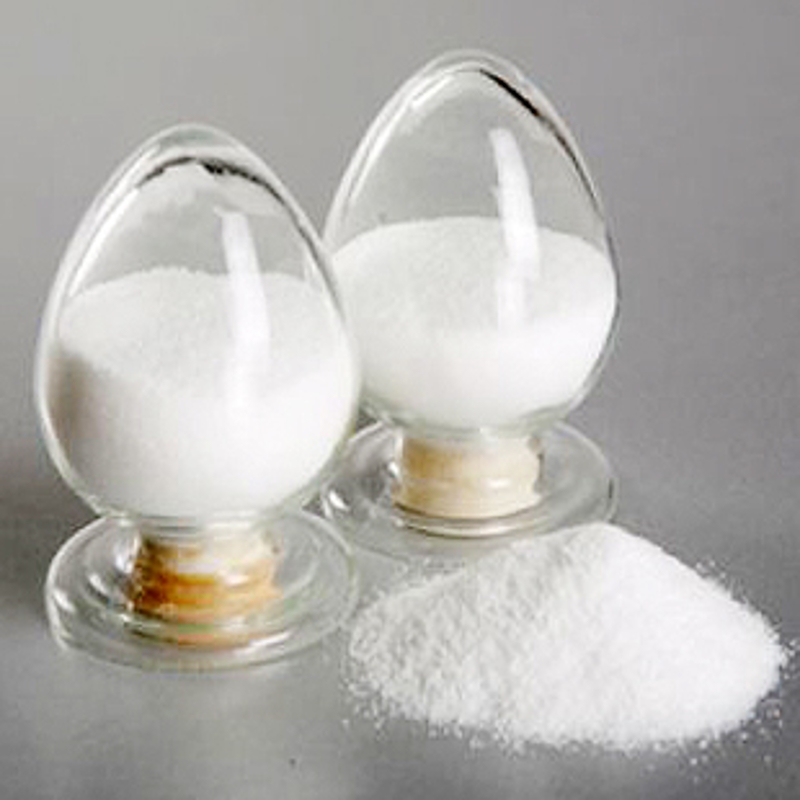
Appearance
: White powder.
Odour
: Odourless.
Odour threshold
: No data available
pH
: No data available
Relative evaporation rate (butylacetate=1)
: No data available
Melting point
: > 150 °C Decomposition
Freezing point
: Not applicable
Boiling point
: No data available
Flash point
: Not applicable
Auto-ignition temperature
: > 200 °C (1013.25hPa)
Decomposition temperature
: > 150 °C
Flammability (solid, gas)
: Non flammable.
Vapour pressure
: 0 hPa at 25°C
Relative vapour density at 20 °C
: No data available
Relative density
: Not applicable
Density
: 1.67 g/cm³ ( 20 °C)
Solubility
: Water: 500 g/l ( 20 °C, pH:11.3)
Log Pow
: -13.17 @25 °C
Viscosity, kinematic
: No data available
Viscosity, dynamic
: No data available
Explosive properties
: Not explosive.
Oxidising properties
: Non oxidizing.
Explosive limits
: Not applicable
9.2. Other information
No additional information available
SECTION 10: Stability and reactivity
10.1. Reactivity
The product is non-reactive under normal conditions of use, storage and transport.
10.2. Chemical stability
Stable under normal conditions.
10.3. Possibility of hazardous reactions
No dangerous reactions known under normal conditions of use.
10.4. Conditions to avoid
Dust formation.EDTA 4Na
Safety Data Sheet
according to the REACH Regulation (EC) 1907/2006 amended by Regulation (EU) 2020/878
7/28/2022 (Version: 2.0)
EN (English)
5/8
10.5. Incompatible materials
Strong oxidizing agents.
10.6. Hazardous decomposition products
Ammonia
Carbon oxides (COx)
Nitrogen oxides (NOx)
SECTION 11: Toxicological information
11.1. Information on toxicological effects
Acute toxicity (oral)
: Harmful if swallowed.
Acute toxicity (dermal)
: Not classified
Acute toxicity (inhalation)
: Harmful if inhaled.
EDTA 4Na 13235-36-4 (Refer to EDTA (64-02-8))
Chemical Name
Oral
Dermal
Inhalation
EDTA 4Na
LD50= 1913 mg/kg bw (male)
LD50=1780 mg/kg bw(female)
LD50 > 1780 - < 2000 mg/kg bw
(male/female Rat)
-
LOAEC : ca. 30 mg/m³ air
(male) based on: act. ingr.
(Na2H2EDTA) (Basis for
effect level: histopathology of
the respiratory tract and lung
weights)
Skin corrosion/irritation
: Not classified
pH: 10.5 - 11.5
Serious eye damage/irritation
: Causes serious eye damage.
pH: 10.5 - 11.5
Respiratory or skin sensitisation
: Not classified
Germ cell mutagenicity
: Not classified
Carcinogenicity
: Not classified
Reproductive toxicity
: Not classified
STOT-single exposure
: Not classified
STOT-repeated exposure
: May cause damage to organs through prolonged or repeated exposure.
Aspiration hazard
: Not classified
11.2. Information on other hazards
11.2.1. Endocrine disrupting properties
Adverse health effects caused by endocrine
disrupting properties
: The substance is not included in the list established in accordance with Article 59(1) of
REACH for having endocrine disrupting properties, or is not identified as having endocrine
disrupting properties in accordance with the criteria set out in Commission Delegated
Regulation (EU) 2017/2100 or Commission Regulation (EU) 2018/605
>
11.2.2. Other information
No additional information available
SECTION 12: Ecological information
12.1. Toxicity
Ecology - general
: The product is not considered harmful to aquatic organisms nor to cause long-term
adverse effects in the environment.
Acute aquatic toxicity
: Not classified
Chronic aquatic toxicity
: Not classifiedEDTA 4Na
Safety Data Sheet
according to the REACH Regulation (EC) 1907/2006 amended by Regulation (EU) 2020/878
7/28/2022 (Version: 2.0)
EN (English)
6/8
EDTA 4Na 13235-36-4 (Refer to EDTA (64-02-8))
Chemical Name
Algae/aquatic plants
Fish
Crustacea
EDTA 4Na
EC50 (72 h): > 100 mg/L
test mat. (nominal) based
on: growth rate
EC50 (72 h): > 60 mg/L
test mat. (meas. (geom.
mean)) based on: growth
rate
NOEC (72 h): 79.4 mg/L
test mat. (nominal) based
on: growth rate
NOEC (72 h): 48.4 mg/L
test mat. (meas. (geom.
mean)) based on: growth
rate
LC50 (96 h): > 100 mg/L
nominal based on: test mat.
NOEC (96 d): 100 mg/L
nominal based on: test mat.
LC50 (96 h): > 116 mg/L
meas. (arithm. mean) based on:
act. ingr.
NOEC (35 d): >= 35.1 mg/L
Nominal based on: test mat.
EC50 (48 h): > 114 mg/L
meas. (geom. mean) (nominal)
based on:
act. ingr.
NOEC (21 d): 25 mg/L t
nominal based on:
test mat.
12.2. Persistence and degradability
No additional information available
12.3. Bioaccumulative potential
No additional information available
12.4. Mobility in soil
No additional information available
12.5. Results of PBT and vPvB assessment
EDTA 4Na
This substance/mixture does not meet the PBT criteria of REACH regulation, annex XIII
This substance/mixture does not meet the vPvB criteria of REACH regulation, annex XIII
12.6. Endocrine disrupting properties
Adverse effects on the environment caused by
endocrine disrupting properties
: The substance is not included in the list established in accordance with Article 59(1) of
REACH for having endocrine disrupting properties, or is not identified as having endocrine
disrupting properties in accordance with the criteria set out in Commission Delegated
Regulation (EU) 2017/2100 or Commission Regulation (EU) 2018/605
12.7. Other adverse effects
Other adverse effects
: No information available
SECTION 13: Disposal considerations
13.1. Waste treatment methods
Waste treatment methods
: Dispose of contents/container in accordance with licensed collector’s sorting instructions.
Sewage disposal recommendations
: Disposal must be done according to official regulations.
Product/Packaging disposal recommendations
: Dispose in a safe manner in accordance with local/national regulations.
Ecology - waste materials
: Avoid release to the environment.
SECTION 14: Transport information
In accordance with ADR / RID / IMDG / IATA / ADN
ADR
IMDG
IATA
ADN
RID
14.1. UN number
Not applicable
Not applicable
Not applicable
Not applicable
Not applicable
14.2. UN proper shipping name
Not applicable
Not applicable
Not applicable
Not applicable
Not applicable
14.3. Transport hazard class(es)
Not applicable
Not applicable
Not applicable
Not applicable
Not applicable
14.4. Packing group
Not applicable
Not applicable
Not applicable
Not applicable
Not applicable
14.5. Environmental hazards
Not applicable
Not applicable
Not applicable
Not applicable
Not applicable
14.6. Special precautions for user
Overland transport
Not applicableEDTA 4Na
Safety Data Sheet
according to the REACH Regulation (EC) 1907/2006 amended by Regulation (EU) 2020/878
7/28/2022 (Version: 2.0)
EN (English)
7/8
Transport by sea
Not applicable
Air transport
Not applicable
Inland waterway transport
Not applicable
Rail transport
Not applicable
14.7. Transport in bulk according to Annex II of Marpol and the IBC Code
Not applicable
SECTION 15: Regulatory information
15.1. Safety, health and environmental regulations/legislation specific for the substance or mixture
15.1.1. EU-Regulations
No REACH Annex XVII restrictions
EDTA 4Na is not on the REACH Candidate List
EDTA 4Na is not on the REACH Annex XIV List
Tetrasodium EDTA tetrahydrate is not subject to REGULATION (EU) No 649/2012 OF THE EUROPEAN PARLIAMENT AND OF THE COUNCIL of
4 July 2012 concerning the export and import of hazardous chemicals.
Tetrasodium EDTA tetrahydrate is not subject to Regulation (EC) No 850/2004 of the European Parliament and of the Council of 29 April 2004 on
persistent organic pollutants and amending Directive 79/117/EEC
15.1.2. National regulations
Listed on the AICS (Australian Inventory of Chemical Substances)
Listed on IECSC (Inventory of Existing Chemical Substances Produced or Imported in China)
Listed on the Japanese ENCS (Existing & New Chemical Substances) inventory
Listed on the Japanese ISHL (Industrial Safety and Health Law)
Listed on NZIoC (New Zealand Inventory of Chemicals)
Listed on PICCS (Philippines Inventory of Chemicals and Chemical Substances)
Listed on the TCSI (Taiwan Chemical Substance Inventory)
Germany
12th Ordinance Implementing the Federal
Immission Control Act - 12.BImSchV
: Is not subject of the 12. BlmSchV (Hazardous Incident Ordinance)
Netherlands
SZW-lijst van kankerverwekkende stoffen
: The substance is not listed
SZW-lijst van mutagene stoffen
: The substance is not listed
NIET-limitatieve lijst van voor de voortplanting
giftige stoffen – Borstvoeding
: The substance is not listed
NIET-limitatieve lijst van voor de voortplanting
giftige stoffen – Vruchtbaarheid
: The substance is not listed
NIET-limitatieve lijst van voor de voortplanting
giftige stoffen – Ontwikkeling
: The substance is not listed
Denmark
Danish National Regulations
: Young people below the age of 18 years are not allowed to use the product
Pregnant/breastfeeding women working with the product must not be in direct contact with
the product
15.2. Chemical safety assessment
No chemical safety assessment has been carried out
SECTION 16: Other information
Abbreviations and acronyms:
ADN
European Agreement concerning the International Carriage of Dangerous Goods by Inland Waterways
ADR
Agreement concerning the International Carriage of Dangerous Goods by Road
IATA
International Air Transport Association
IMDG
International Maritime Dangerous Goods
EC50
Median effective concentration
LD50
Median lethal doseEDTA 4Na
Safety Data Sheet
according to the REACH Regulation (EC) 1907/2006 amended by Regulation (EU) 2020/878
7/28/2022 (Version: 2.0)
EN (English)
8/8
Abbreviations and acronyms:
LC50
Median lethal concentration
RID
Regulations concerning the International Carriage of Dangerous Goods by Rail
ATE
Acute Toxicity Estimate
BCF
Bioconcentration factor
BLV
Biological limit value
BOD
Biochemical oxygen demand (BOD)
COD
Chemical oxygen demand (COD)
DMEL
Derived Minimal Effect level
DNEL
Derived-No Effect Level
EC-No.
European Community number
EN
European Standard
IARC
International Agency for Research on Cancer
LOAEL
Lowest Observed Adverse Effect Level
NOAEC
No-Observed Adverse Effect Concentration
NOAEL
No-Observed Adverse Effect Level
NOEC
No-Observed Effect Concentration
OECD
Organisation for Economic Co-operation and Development
OEL
Occupational Exposure Limit
PBT
Persistent Bioaccumulative Toxic
PNEC
Predicted No-Effect Concentration
SDS
Safety Data Sheet
STP
Sewage treatment plant
ThOD
Theoretical oxygen demand (ThOD)
TLM
Median Tolerance Limit
VOC
Volatile Organic Compounds
CAS-No.
Chemical Abstract Service number
N.O.S.
Not Otherwise Specified
vPvB
Very Persistent and Very Bioaccumulative
ED
Endocrine disrupting properties
Data sources
: ECHA reference. LOLI.
Training advice
: Normal use of this product shall imply use in accordance with the instructions on the packaging.
Full text of H- and EUH-statements:
Acute Tox. 4 (Inhalation)
Acute toxicity (inhal.), Category 4
Acute Tox. 4 (Oral)
Acute toxicity (oral), Category 4
Eye Dam. 1
Serious eye damage/eye irritation, Category 1
STOT RE 2
Specific target organ toxicity — Repeated exposure, Category 2
H302
Harmful if swallowed.
H318
Causes serious eye damage.
H332
Harmful if inhaled.
H373
May cause damage to organs through prolonged or repeated exposure.
SDS EU (REACH Annex II)
This information is based on our current knowledge and is intended to describe the product for the purposes of health, safety and environmental
requirements only. It should not therefore be construed as guaranteeing any specific property of the product.









 Russia
 Morocco
 Australia
 Kuwait
 India
India
 Egypt
Egypt
 Bangladesh
 Pakistan
 South Korea
 Nigeria