Product
Supplier
Encyclopedia
Inquiry
Home > Catalyst and Auxiliary > Plastic Rubber Chemicals > trans-2,3-Dibromo-2-butene-1,4-diol for Sale > Trans-2,3-Dibromo-2-butene-1,4-diol purity 99% Dideu White powder CAS number 3234-02-4
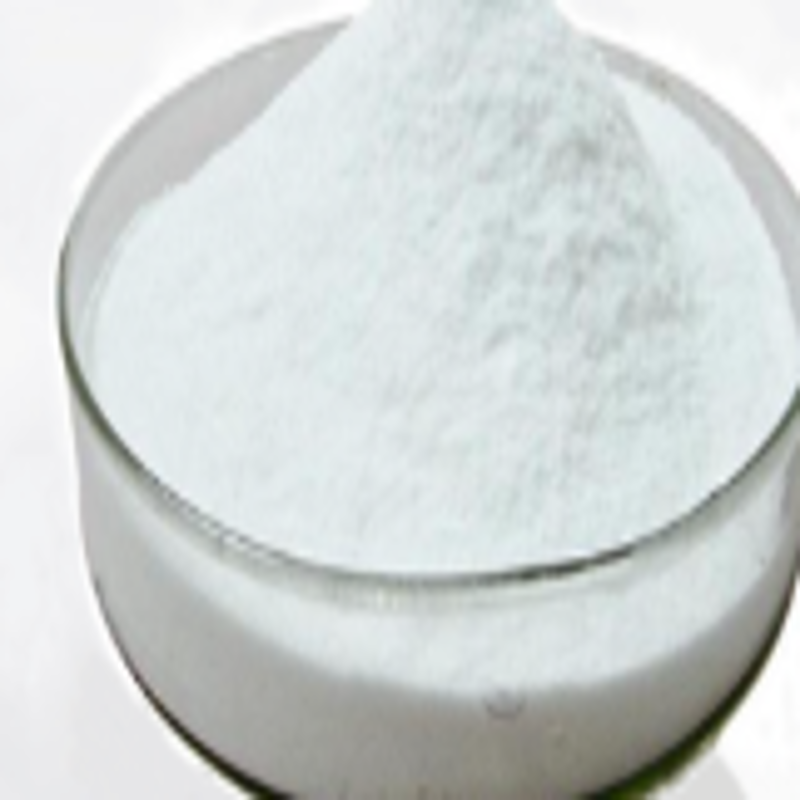
Trans-2,3-Dibromo-2-butene-1,4-diol purity 99% Dideu White  powder CAS number 3234-02-4 buy - large image1
Trans-2,3-Dibromo-2-butene-1,4-diol purity 99% Dideu White  powder CAS number 3234-02-4 buy - image1
Trans-2,3-Dibromo-2-butene-1,4-diol purity 99% Dideu White  powder CAS number 3234-02-4 buy - image2
Trans-2,3-Dibromo-2-butene-1,4-diol purity 99% Dideu White  powder CAS number 3234-02-4 buy - image3
Trans-2,3-Dibromo-2-butene-1,4-diol purity 99% Dideu White  powder CAS number 3234-02-4 buy - image4
Trans-2,3-Dibromo-2-butene-1,4-diol purity 99% Dideu White  powder CAS number 3234-02-4 buy - image5
Trans-2,3-Dibromo-2-butene-1,4-diol purity 99% Dideu White  powder CAS number 3234-02-4 buy - image6

Trans-2,3-Dibromo-2-butene-1,4-diol purity 99% Dideu White powder CAS number 3234-02-4

KOSHER TDS 1 Inquiries

Unit Price: Get Latest Price
CAS No.:

3234-02-4

Grade:

Industrial Grade

Content:

99%

Port:

Shanghai

Brand:

Dideu

Packaging:

25kg/ Drum

Price valid (until):

2025-02-20

Company Type:
Manufactory
Location:
China
Qualification:
Main Products:

Chemical Pesticides,Food Additives,Agrochemicals,Active Pharm Ingredients,Flavors and Fragrances,Chemical Catalyst

  • Product Description

  • Seller Information

  • Inquiry History

  • Description

    Shop Calcite Powder-Detailed Image 1


    Our Reference Specification, for more details, pls contact us for COA,MSDS and certification:
    Email & Skype: 1043@dideu.com Telephone:+86-29-89586680
    Mobile&Wechat&Whatsapp: +8617857519430

    Appearance

    White to off white crystalline Powder

    Complies

    Identification

    A.Infrared Absorption

    Complies


    B.The retention time of the major peak in the chromatogram of the Assay preparation corresponds to that in the chromatogram of the Standard preparation obtained as directed in the Assay

    Complies

    Water,%

    ≤0.5 0

    0.15

    Purity,%

    ≥9 9.0

    99.35

    Storage

    Preserve in a tightly closed container and protected from light

    Complies


    Shop Calcite Powder-Detailed Image 3

    Shop Calcite Powder-Detailed Image 4 Shop Calcite Powder-Detailed Image 5 Shop Calcite Powder-Detailed Image 6 Shop Calcite Powder-Detailed Image 7

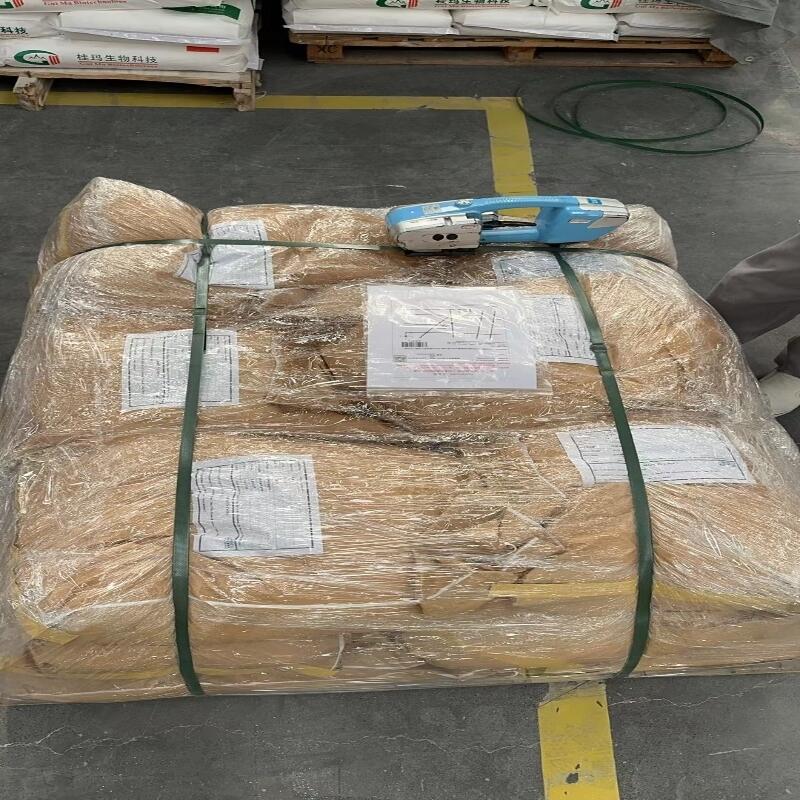
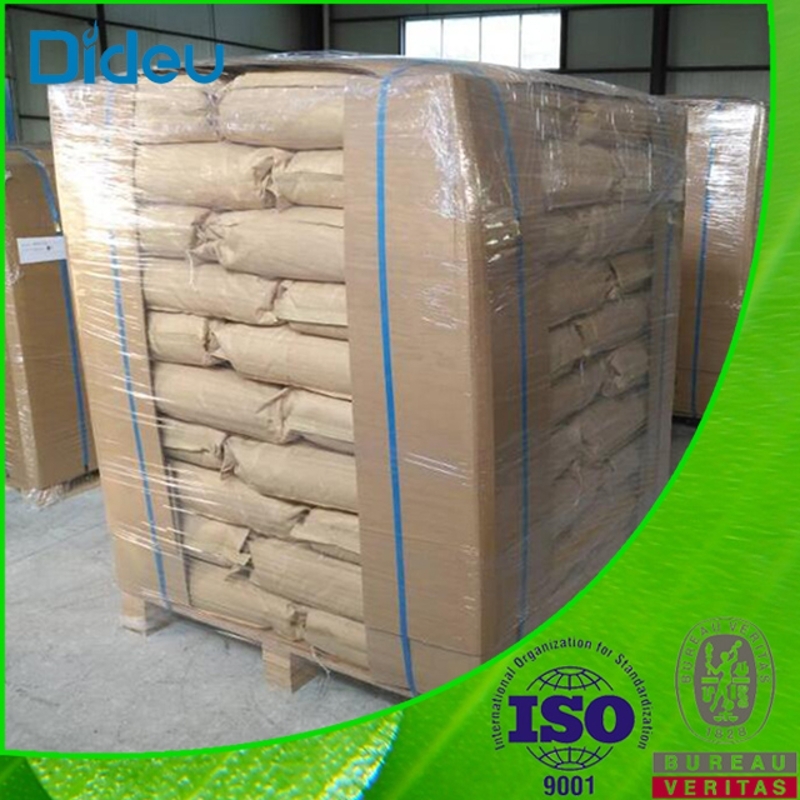
    Our normal packaging is 25kgs/Drum
    The packaging can be customized. the shipping term can be by sea, by air, and sample or small quantity can be shipped by DHL, FEDEX, EMS and TNT.

    Shop Calcite Powder-Detailed Image 8

    Shop Calcite Powder-Detailed Image 9


    Shop Calcite Powder-Detailed Image 10


    a) Free sample can be supplied.
    b) Guide our clients by professional knowledge and teach them how to use our product after sales.
    c) Accept SGS,BV any other third-party inspection before loading.
    d) High quality best price Guaranteed.


    Shop Calcite Powder-Detailed Image 11


    Why do you choose Dideu Industries as your partner?


    A) High quality can be guaranteed. Dideu Industries since 1975 are reputed chemical manufacturer and are Certified by ISO 9001;2015 and have GMP certification.Free sample can be arranged before shipment and SGS,BV and other third party inspection company are accepted before loading.For regular customers, we accept L/C 180 Days, D/P,D/A payment term. If there is any quality problem after goods arrive. Dideu Industries will do fully payment refund.


    B) Best price can be guaranteed. As Dideu Industries are integrated pharmaceuticals and chemicals producer, the production cost can be controlled and price will be definitely more competitive than China trading companies.


    C) Professional enginners from Dideu Industries will give professional usage guide and services after sales.


    D)Dideu Industries work 7×24 hours and your request will be processed by our professional staff in different shift period.


    Shop Calcite Powder-Detailed Image 12


    Shop Calcite Powder-Detailed Image 13

    Shop Calcite Powder-Detailed Image 14

    Shop Calcite Powder-Detailed Image 15
    Shop Calcite Powder-Detailed Image 16
    Shop Calcite Powder-Detailed Image 17
    Shop Calcite Powder-Detailed Image 18
    Shop Calcite Powder-Detailed Image 19


    Dideu Industries is one of the largest producer for general chemical, pharmaceutical, nutrition additive, natural extracts, agrochemical and Daily-Use Chemical in China and is headquartered in Shaanxi, China. The Dideu Group comprises subsidiaries and joint ventures in more than 10 countries and operates six integrated production sites and 21 other production sites in Europe, Asia, Australia, Americas and Africa.Its headquarters is located in Xi’An,China. Dideu has customers in over 200 countries and supplies products to a wide variety of industries.


    At the end of 2014, the company employed more than 13000 people. In 2014, Group Dideu posted sales of 30 billion and income from operations before special items of about 7.5 billion. The company is currently expanding its international activities with a particular focus on Asia countries. Between 1990 and 2005, the company invested 5.2 billion in Asia, for example in sites near Guangxi,Yunnan, Sichuan, Shaanxi China,Mangalore in India,Bangkok, Thailand,Hanoi, Vietnam etc.


    Dideu Industries Consist Of Five Industry Chains:

    I)Pharmaceutical Industries
    II)Nutrition Additive Industries
    III)Daily-Use Chemical Products Industries & Agrochemicals
    IV)Environmental Friendly Chemical And Chemurgy Industries
    V)Petrochemical Industries
    VI)General Chemical Industry


    At Dideu, we redefine chemistry to make the world better - and have been doing so for 75 years. As one of the world's leading chemical company, we combine economic success with environmental protection and social responsibility.Through science and innovation we enable our customers in nearly every industry to meet the current and future needs of society.


    At Dideu, we create chemistry for a sustainable future with science for a better life.Dideu is a Life Science company with a long and glorious history and core competencies in the areas of health care and agriculture. With our innovative products, we are contributing to finding solutions to some of the major challenges of our time. The growing and increasingly aging world population requires improved medical care and an adequate supply of food. Dideu is improving people's quality of life by preventing, alleviating and treating diseases. And we are helping to provide a reliable supply of high quality food, feed and plant based raw materials.We develop new molecules for use in innovative products and solutions to improve health. Our research and development activities are based on a profound understanding of the biochemical processes in living organisms.Our goal is to achieve and sustain leadership positions in our markets, thus creating value for our customers, stockholders and employees. To this end, our strategy is designed to help solve some of the most pressing challenges facing humankind, and by doing this exceptionally well we aim to strengthen the company's earning power.


    We are committed to operating sustainably and addressing our social and ethical responsibilities as a corporate citizen, while at the same time respecting the interests of all our stakeholders. Employees with a passion for innovation enjoy excellent development opportunities at Dideu.Exclusive Focus on the Life Science BusinessesFollowing the economic and legal independence of our former Material Science subgroup.Dideu has charted the course for its successful development as a Life Science company. Our Life Science businesses hold leading positions in innovation driven growth markets. Together they make up a strong, attractive and balanced portfolio that is resistant to fluctuations in demand and to potential risks.The previous structure comprising a strategic management holding company and operational subgroups has thus been replaced by an integrated organization under the umbrella of the strong Dideu brand. The company's operations are managed in three divisions Pharmaceuticals, Consumer Health and Crop Science and the Animal Health business unit.The business continues to be supported by the corporate functions, Dideu Business Services and the service company Currenta, while Technology Services is being integrated into Dideu Group, forming the Engineering and Technology function.

    Shop Calcite Powder-Detailed Image 20

    Shop Calcite Powder-Detailed Image 21


    2,3 - dibromo - 1,4 - butenediol, abbreviated as DBD, is an important organic synthesis intermediate. The following introduces its uses and synthesis methods for you:


    • Uses
      • Pharmaceutical intermediate: The 2,3 - dibromo - 1,4 - butenediol structure contains carbon - carbon double bonds, hydroxyl groups and bromine atoms. These functional groups endow it with good reactivity and enable it to undergo various reactions such as nucleophilic substitution and addition, thus being used in the synthesis of a variety of drugs.
      • Pesticide intermediate: As an intermediate, it can participate in the synthesis of pesticides with specific insecticidal, bactericidal or herbicidal activities. For example, some bromine - containing pesticides can affect the nervous system of pests and improve the control effect of pesticides.
      • Organic synthesis: In the field of organic synthesis, it is an important starting material for constructing complex organic molecular structures. By rationally designing reaction routes and using its multiple active sites, different functional groups can be introduced to achieve the step - by - step construction and functionalization of molecules.
    • Synthesis methods
      • Using butadiene as raw material: In an appropriate solvent (such as dichloromethane), butadiene undergoes an addition reaction with bromine to form 1,2,3,4 - tetrabromobutane. Subsequently, under alkaline conditions (such as an ethanol solution of potassium hydroxide), 1,2,3,4 - tetrabromobutane undergoes an elimination reaction, removing two molecules of hydrogen bromide to generate 2,3 - dibromo - 1,3 - butadiene. Finally, in the presence of an acidic catalyst (such as sulfuric acid), 2,3 - dibromo - 1,3 - butadiene undergoes an addition reaction with water to form 2,3 - dibromo - 1,4 - butenediol.
      • Using 1,4 - butynediol as raw material: In the presence of a catalyst (such as palladium - on - carbon), 1,4 - butynediol undergoes a partial addition reaction with hydrogen to form 1,4 - butenediol. Then, dissolve 1,4 - butenediol in an appropriate solvent (such as carbon tetrachloride), slowly add a carbon tetrachloride solution of bromine, and carry out the addition reaction at low temperature to obtain 2,3 - dibromo - 1,4 - butenediol. This method has relatively easily available raw materials and relatively simple reaction steps, and is one of the commonly used synthesis methods at present.
      • 2,3 - Dibromo - 1,4 - butenediol (DBD) is a compound of great significance in the field of organic synthesis. The following is a detailed introduction from aspects such as basic information, physical and chemical properties, uses, synthesis methods, and safety - related information:

        1. Basic Information

        • English Name: 2,3 - Dibromo - 1,4 - butenediol
        • Abbreviation: DBD
        • Molecular Formula: C₄H₆Br₂O₂
        • Molecular Weight: 275.9

        2. Physical and Chemical Properties


        • Appearance: Usually a white to pale - yellow crystalline powder. This appearance makes it easy to observe and identify during storage and use.
        • Melting Point: 110 - 114°C. The melting point is an important physical parameter of this compound, which has significant reference value in aspects such as compound purification, identification, and control of reaction conditions during synthesis.
        • Solubility: Slightly soluble in water and soluble in organic solvents such as ethanol, acetone, and chloroform. Its solubility characteristics determine how to select appropriate solvents to promote reactions or achieve specific functions of the compound in different chemical reactions and application scenarios.

        3. Uses


        • Pharmaceutical Intermediate: In pharmaceutical synthesis, DBD is a key intermediate for the synthesis of various drugs. Functional groups such as carbon - carbon double bonds, hydroxyl groups, and bromine atoms in its molecular structure endow it with rich chemical reactivity. For example, through nucleophilic substitution reactions, the hydroxyl group or bromine atom can be replaced by other functional groups with specific pharmacological activities, thus constructing drug molecular structures with different therapeutic effects.
        • Pesticide Intermediate: As an important intermediate in pesticide synthesis, pesticides synthesized with DBD have a variety of excellent properties. For example, some pesticides with DBD - derived structures have unique mechanisms of action on pests. The bromine atoms in these pesticides can enhance the binding ability of the pesticide molecules to specific targets in pests, thereby interfering with the normal physiological metabolism of pests, such as signal transduction in the nervous system and energy metabolism, ultimately leading to the death of pests and improving the control effect of pesticides.
        • Organic Synthesis: In the field of organic synthesis, DBD, with its unique molecular structure and diverse functional - group reactivity, serves as an important starting material for constructing complex organic molecular structures. By rationally designing reaction routes, organic chemists can carry out addition reactions using the carbon - carbon double bonds in DBD to introduce different functional groups or molecular fragments. At the same time, the hydroxyl and bromine atoms can also participate in reactions such as nucleophilic substitution and elimination respectively, realizing the step - by - step construction and functionalization of molecules. For example, in the synthesis of organic functional materials with specific optical, electrical, or biological activities, DBD can be used as a key structural unit. Through a series of organic synthesis reactions, it is connected and assembled with other organic molecules or groups with specific functions, thus constructing a complex organic molecular system with the required properties and functions.

        4. Synthesis Methods


        • Using Butadiene as Raw Material
          • Step 1: Addition Reaction to Generate 1,2,3,4 - Tetrabromobutane: In an appropriate solvent (such as dichloromethane), butadiene reacts with bromine through an addition reaction. Dichloromethane, as the reaction solvent, can provide a homogeneous environment for the reaction, facilitating sufficient contact and collision between reactant molecules, thus promoting the smooth progress of the addition reaction. The reaction equation is: CH₂=CH - CH=CH₂ + 2Br₂ → CH₂Br - CHBr - CHBr - CH₂Br
          • Step 2: Elimination Reaction to Generate 2,3 - Dibromo - 1,3 - Butadiene: Subsequently, under alkaline conditions (such as an ethanol solution of potassium hydroxide), 1,2,3,4 - tetrabromobutane undergoes an elimination reaction. The ethanol solution not only serves as a reaction solvent but also participates in the proton - transfer step during the reaction. The hydroxide ions ionized from potassium hydroxide in the ethanol solution act as strong bases, capable of abstracting the β - hydrogen atom from the 1,2,3,4 - tetrabromobutane molecule. At the same time, the bromide ion leaves the molecule as a leaving group, thus removing two molecules of hydrogen bromide and generating 2,3 - dibromo - 1,3 - butadiene. The reaction equation is: CH₂Br - CHBr - CHBr - CH₂Br + 2KOH → CH₂=CBr - CBr=CH₂ + 2KBr + 2H₂O
          • Step 3: Addition Reaction to Generate 2,3 - Dibromo - 1,4 - Butenediol: Finally, in the presence of an acidic catalyst (such as sulfuric acid), 2,3 - dibromo - 1,3 - butadiene reacts with water through an addition reaction. Sulfuric acid, as an acidic catalyst, can enhance the electrophilicity of the carbon - carbon double bond in 2,3 - dibromo - 1,3 - butadiene through protonation, thus promoting the nucleophilic addition reaction of water molecules to the carbon - carbon double bond. During the reaction, the oxygen atom in the water molecule acts as a nucleophile to attack one of the carbon atoms in the carbon - carbon double bond, while the other carbon atom gains a proton, forming a carbocation intermediate. Subsequently, the intermediate undergoes intramolecular rearrangement, and finally 2,3 - dibromo - 1,4 - butenediol is formed. The reaction equation is: CH₂=CBr - CBr=CH₂ + H₂O → HOCH₂ - CHBr - CHBr - CH₂OH
        • Using 1,4 - Butynediol as Raw Material
          • Step 1: Partial Addition Reaction to Generate 1,4 - Butenediol: In the presence of a catalyst (such as palladium - on - carbon), 1,4 - butynediol reacts with hydrogen through a partial addition reaction. The palladium atoms in the palladium - on - carbon catalyst have a special electronic structure, which can adsorb hydrogen molecules and dissociate them into active hydrogen atoms. At the same time, the palladium atoms can also adsorb 1,4 - butynediol molecules, activating their carbon - carbon triple bond to a certain extent. Under these circumstances, the active hydrogen atoms react with the activated carbon - carbon triple bond through an addition reaction, adding only one molecule of hydrogen to the carbon - carbon triple bond, thus generating 1,4 - butenediol. The reaction equation is: HOCH₂ - C≡C - CH₂OH + H₂ → HOCH₂ - CH=CH - CH₂OH
          • Step 2: Addition Reaction to Generate 2,3 - Dibromo - 1,4 - Butenediol: Then, dissolve 1,4 - butenediol in an appropriate solvent (such as carbon tetrachloride), and slowly add a carbon tetrachloride solution of bromine. The addition reaction is carried out at low temperature. Carbon tetrachloride, as the reaction solvent, has good solubility and chemical stability, providing a relatively mild and homogeneous environment for the reaction. At low temperature, adding the bromine - carbon tetrachloride solution slowly enables the bromine molecules to fully contact and react with the carbon - carbon double bond in 1,4 - butenediol. Since the reaction is carried out at low temperature and the bromine is added slowly, side reactions can be effectively avoided, and 2,3 - dibromo - 1,4 - butenediol can be obtained with high selectivity. The reaction equation is: HOCH₂ - CH=CH - CH₂OH + Br₂ → HOCH₂ - CHBr - CHBr - CH₂OH

        5. Safety - related Information


        • Health Hazards: DBD is irritating to the eyes, skin, and respiratory tract. If it comes into contact with the eyes accidentally, it may cause symptoms such as eye redness, pain, and tearing. In severe cases, it may even damage eyesight. After contact with the skin, it may lead to skin redness, itching, and rash. Prolonged or repeated contact may also trigger skin allergic reactions. Inhaling DBD dust or its volatiles may irritate the respiratory tract, causing symptoms such as coughing, wheezing, and difficulty breathing. The harm may be more serious for people with respiratory diseases (such as asthma, chronic obstructive pulmonary disease, etc.).
        • Protective Measures: When handling DBD, strict protective measures should be taken. Operators should wear appropriate protective glasses, such as chemical safety goggles, to prevent DBD from coming into contact with the eyes. Wearing protective clothing, such as rubber acid - and - alkali - resistant clothing, can effectively protect the skin from the irritation and damage of DBD. At the same time, a protective mask must be worn. For chemicals with irritation like DBD, it is recommended to wear a self - contained breathing apparatus with a full - face mask to prevent inhaling DBD dust or volatiles. In addition, eyewashers and shower facilities should be equipped at the operation site so that in case of accidental contact with DBD, timely flushing and treatment can be carried out to reduce harm to the body.
        • Environmental Impact: DBD and its decomposition products may have a certain impact on the environment. Due to its certain chemical activity, a series of chemical reactions may occur in the environment, thus affecting the balance of the ecosystem. For example, when DBD enters water bodies, it may be toxic to aquatic organisms, affecting their growth, reproduction, and survival. In addition, DBD may also be transferred and enriched through the food chain, posing potential hazards to organisms at higher trophic levels. At the same time, the residue of DBD in the soil may also have an adverse impact on the soil microbial community and soil ecosystem functions, thus affecting the growth and development of plants. Therefore, during the production, use, and treatment of DBD, its potential impact on the environment must be fully considered, and corresponding environmental protection measures should be taken to reduce its pollution and damage to the environment.


    Certificates

    Basic Info
    Product Name:

    trans-2,3-Dibromo-2-butene-1,4-diol

    Other Name:

    2,3-dibromo-2-butene-4-diol;4-diol,2,3-dibromo-2-Butene-1;TRANS-2,3-DIBROMO-1,4-DIHYDROXY-2-BUTENE;TRANS-2,3-DIBROMO-2-BUTENE-1,4-DIOL;TRANS-2,3-DIBROMO-2-BUTEN-1,4-DIOL;DBD;DIBROMO(-2,3)-2-BUTENE-1,4-DIOL;2,3-DIBROMO-2-BUTYLENE-1,4-DIOL

    CAS No.:

    3234-02-4

    Molecular Formula:

    C4H6Br2O2

    InChIKeys:

    MELXIJRBKWTTJH-ONEGZZNKSA-N

    Molecular Weight:

    245.9

    Exact Mass:

    245.90

    EC Number:

    221-779-5

    UNII:

    W297831A99

    NSC Number:

    76595

    TSCA:

    TSCA listed

    DSSTox ID:

    DTXSID3024942|DTXSID90274233

    HScode:

    29055998

    Characteristics
    PSA:

    40.5

    XLogP3:

    2.70

    Appearance:

    Crystals or white powder. (NTP, 1992)

    Density:

    1.9671 (rough estimate)

    Melting Point:

    112-114 °C(lit.)

    Boiling Point:

    318.1±42.0 °C(Predicted)

    Flash Point:

    146.2±27.9 °C

    Refractive Index:

    1.5230 (estimate)

    Water Solubility:

    1-5 g/100 mL at 21 ºC

    Storage Conditions:

    Store in a tightly closed container. Store in a cool, dry, well-ventilated area away from incompatible substances.

    Vapor Pressure:

    0.004-0.081Pa at 25-40℃

    PKA:

    11.91±0.10(Predicted)

    Air and Water Reactions:

    Water soluble.

    Reactive Group:

    Alcohols and Polyols

    Reactivity Profile:

    A halogenated alkene and alcohol. The unsaturated aliphatic hydrocarbons are generally much more reactive than the alkanes, which are saturated aliphatic hydrocarbons. Strong oxidizers may react vigorously with them. Reducing agents can react exothermically to release gaseous hydrogen. Flammable and/or toxic gases are generated by the combination of alcohols with alkali metals, nitrides, and strong reducing agents. They react with oxoacids and carboxylic acids to form esters plus water. Oxidizing agents convert them to aldehydes or ketones. Alcohols exhibit both weak acid and weak base behavior. They may initiate the polymerization of isocyanates and epoxides.

    Critical Temperature & Pressure:

    Storage temp. 2-8°C

    Hazard Identification

    Classification of the substance or mixture

    Skin sensitization, Sub-category 1B

    GHS label elements, including precautionary statements

    Pictogram(s)

    Signal word

    Warning

    Hazard statement(s)

    H317 May cause an allergic skin reaction

    Precautionary statement(s)
    Prevention

    P261 Avoid breathing dust/fume/gas/mist/vapours/spray.

    P272 Contaminated work clothing should not be allowed out of the workplace.

    P280 Wear protective gloves/protective clothing/eye protection/face protection/hearing protection/...

    Response

    P302+P352 IF ON SKIN: Wash with plenty of water/...

    P333+P317 If skin irritation or rash occurs: Get medical help.

    P321 Specific treatment (see ... on this label).

    P362+P364 Take off contaminated clothing and wash it before reuse.

    Storage

    none

    Disposal

    P501 Dispose of contents/container to an appropriate treatment and disposal facility in accordance with applicable laws and regulations, and product characteristics at time of disposal.

    Other hazards which do not result in classification

    no data available

    Handling and Storage

    Precautions for safe handling

    Handling in a well ventilated place. Wear suitable protective clothing. Avoid contact with skin and eyes. Avoid formation of dust and aerosols. Use non-sparking tools. Prevent fire caused by electrostatic discharge steam.

    Conditions for safe storage, including any incompatibilities

    Store the container tightly closed in a dry, cool and well-ventilated place. Store apart from foodstuff containers or incompatible materials.

  • Seller Information
    Business Type:

    Manufactory

    Main Products:

    Chemical Pesticides,Food Additives,Agrochemicals,Active Pharm Ingredients,Flavors and Fragrances,Chemical Catalyst

    Location:

    https://www.dideu.com/en/

    Payment Terms:

    TT against copy of documents,D/P,L/C,D/A,O/A,TT against B/L draft before shipment,100% TT in advance

    Average lead Time:

    7

    Total Annual Revenue:

    Above $100 million

    Total Employees:

    Above 1000

    Year of Establishment:

    2016

    Certifications:

    ISO Certificate,REACH

    Company Profile
  • Inquiry History
    1 Inquiries
    Country Product Purchase Quantity Date Posted
    Germany

    2,3-Dibromo-2-butene-1,4-diol

    12 KG Dec 4, 2025
    Post an enquiry for this product
pic ×

Scan the QR Code to Share

All products displayed on this website are only for non-medical purposes such as industrial applications or scientific research, and cannot be used for clinical diagnosis or treatment of humans or animals. They are not medicinal or edible.

According to relevant laws and regulations and the regulations of this website, units or individuals who purchase hazardous materials should obtain valid qualifications and qualification conditions.

The information shown above is provided by the enterprise itself, and the authenticity, accuracy and legitimacy of the content are the responsibility of the publishing company. ECHEMI does not bear any guarantee responsibility for this. Please be aware that risks in internet transactions objectively exist.

Feedback & Suggestions
Send Message

Thank you for your feedback. If you require further assistance, please contact us by email at info@echemi.com or call us at +86-532-55729510.