1. Description
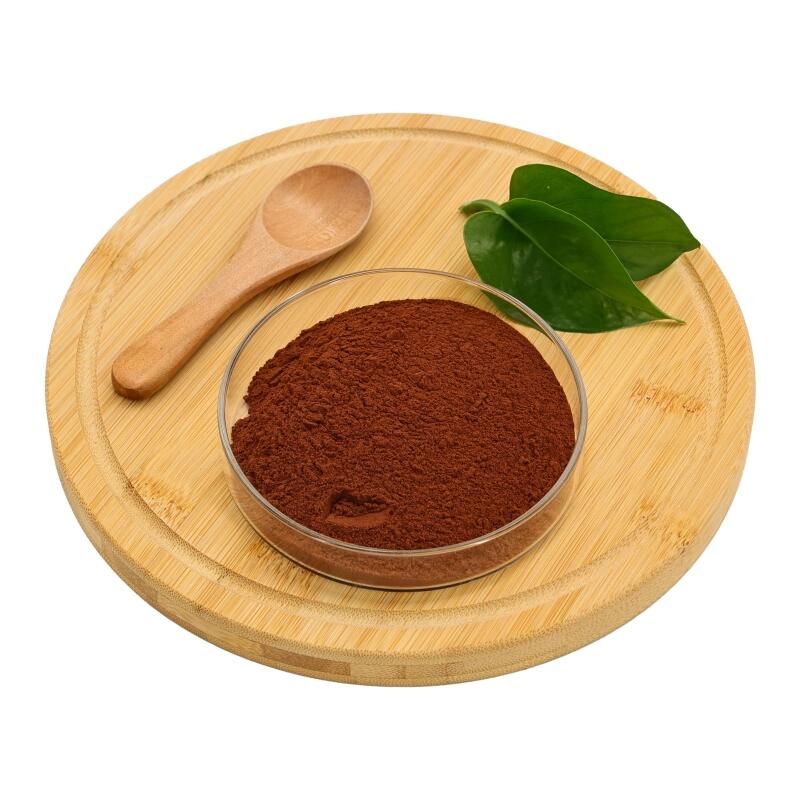
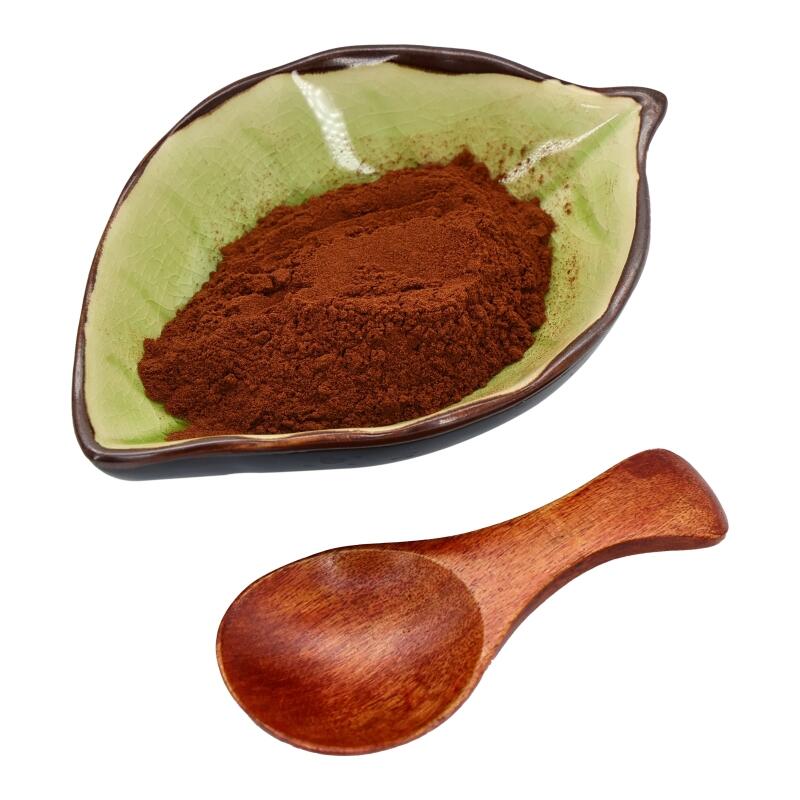
Ivy extract is a product extracted from the stems and leaves of the Chinese ivy plant in the Araliaceae family. It contains saponins and lactones that have inhibitory effects on common pathogenic skin fungi, with lactones having a stronger effect.
2. Application
Ivy extract is a product extracted from the stems and leaves of the Chinese ivy plant in the Araliaceae family. It contains saponins and lactones that have inhibitory effects on common pathogenic skin fungi, with lactones having a stronger effect.
The ivy saponins in ivy extract have inhibitory effects on elastase and hyaluronidase, with an IC50 of 40.6 μ mol/L for elastase inhibition and 280.4 μ mol/L for hyaluronic acid inhibition. The application of Ivy 1,3-butanediol extract has an inhibitory effect on the secretion of sebum in the skin. Wash the forehead of the subjects in the Chemical Book with 75% alcohol, and use 1cm2 oil absorbing filter paper to absorb oil at different times. Measure the amount of oil and compare it with the untreated area. The area coated with 0.01% ivy extract showed a 60% decrease in oil secretion after 1 hour, a 45% decrease after 2 hours, a 17% decrease after 3 hours, and the same secretion as the untreated area after 4 hours.
3. Main Efficacy
1. Hypoglycemic effect: Gymnotic acid can increase insulin sensitivity, promote insulin secretion, inhibit gluconeogenesis, and thus exert hypoglycemic effects. The total saponins of Gymnema sylvestre can significantly reduce the blood sugar level of diabetes rats, and the large dose (0.12g/kg) of total saponins of Gymnema sylvestre has the same hypoglycemic ability as Jiangtangling, while the total saponins of Gymnema sylvestre have no significant effect on the blood sugar of normal mice.
2. Hypolipidemic and weight loss effects: The extract of Polygonatum sibiricum can interact with some glycolytic enzymes in the body, thereby reducing blood lipids. Total saponins can also exert weight loss effects by inhibiting the food intake of high-fat rats. The extract of Wuboot vine can effectively reduce the body weight, triglyceride and total cholesterol levels, atherogenic index, glucose level and increase the level of high-density lipoprotein in model rats. And it is believed that the extract of Wujiaoteng can be used as a natural weight loss medicine.
3. Sweet taste inhibition and anti caries effects: The extract of Polygonatum sibiricum has the ability to inhibit sweet taste, and the effective ingredient in Polygonatum sibiricum leaves that inhibits sweet taste taste taste is Polygonatum sibiricum acid. Polygonatum sibiricum acid can cause taste loss, and there is no statistically significant difference in the inhibitory strength of 8 sweeteners such as fructose, sucrose, steviol glycosides, xylitol, etc., with an average inhibition rate of 77%. The peptide components in the extract of Wujiaoteng leaves can also inhibit the sweetness of sucrose, glucose, pectin, and saccharin, but do not affect the taste of salty, sour, and bitter. It is believed that this peptide can competitively bind to receptor proteins that control sweetness, playing a role in inhibiting sweetness without affecting other tastes. In addition, spodumene acid can significantly inhibit the activity of glucosyltransferase, block the synthesis of water-insoluble glucan by Streptococcus mutans, inhibit the formation of dental plaque, and cause cariogenic bacteria to lose their cariogenic environment, thereby achieving anti caries effect. Combining with glycyrrhizin can enhance its anti caries effect and reduce its sweetness.
4. Other pharmacological effects: The extract of Polygonatum sibiricum also has potential anti malaria and anti filariasis effects; Has significant immunomodulatory effects on human neutrophils; Gymnotic acid has a protective effect against the damage of radioactive substances to the liver of rats; It has significant anti breast cancer and lung cancer epithelial cell activity; The inhibitory effect on microorganisms such as bacteria and fungi.
Developing and utilizing functional foods and health products. Japan extracts extracts extracts from the leaves of Musashi teng and develops and utilizes them as raw materials for functional foods. Japan also produces four types of products from fresh bamboo vine leaves: coarse tea, tea leaves (fried tea), semi fermented tea, and fully fermented tea. Among them, coarse tea has the best color and taste, and has two activities of lowering blood sugar and preventing dental caries. For example, Meiji Sugar Manufacturing Company, a key Japanese sugar manufacturing enterprise, processes the local fresh leaves of Takeshi Rattan in India into tea and exports them to Japan, where they are sold to diabetes patients in health food stores. Huaqing introduced the production method of Wujiaoteng tea bag and the process of making food additives from Wujiaoteng extract. This additive can be used to produce functional chewing gum, toothpaste or mouthwash for preventing dental caries. Wu Gu Teng can reduce the content of nicotine in tobacco and weaken the harm of smoking. Wu Gu Teng can inhibit the formation of melanin and can be used to make freckle removing cosmetics. The new drug Wuboot vine extract can be made into medicine for the treatment of diabetes. It can reduce the fat content in the body of diabetes patients and significantly reduce the blood sugar concentration. It is safe to use and has reliable curative effect. A weight loss medicine can be made from a mixture powder of extracts from rattan and gardenia, and chitosan.