Product
Supplier
Encyclopedia
Inquiry
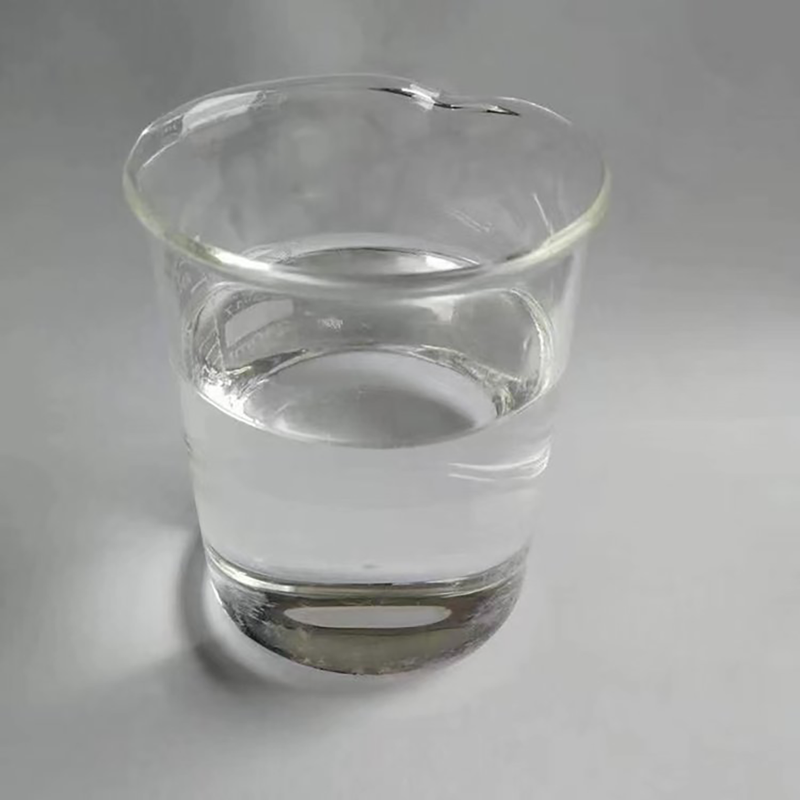
Triethylene glycol dimethacrylate109-16-0 buy - large image1
Triethylene glycol dimethacrylate109-16-0 buy - image1
Triethylene glycol dimethacrylate109-16-0 buy - image2
Triethylene glycol dimethacrylate109-16-0 buy - image3
Triethylene glycol dimethacrylate109-16-0 buy - image4
Triethylene glycol dimethacrylate109-16-0 buy - image5
Triethylene glycol dimethacrylate109-16-0 buy - image6

Triethylene glycol dimethacrylate109-16-0

TDS 4 Inquiries

Unit Price: Get Latest Price
CAS No.:

109-16-0

Grade:

Industrail Grade

Content:

99%

Port:

SHANGHAI

Brand:

Orient

Packaging:

25L, 200L, 1000L, customized

Price valid (until):

2026-01-16

Company Type:
Trader
Location:
China
Qualification:
Main Products:

pharmaceutical intermediates,peptides,electronic chemicals

  • Product Description

  • Seller Information

  • Inquiry History

  • Description

    Triethylene glycol dimethacrylate Chemical Properties
    Melting point  -52°C
    Boiling point  170-172 °C5 mm Hg(lit.)
    density  1.092 g/mL at 25 °C(lit.)
    vapor pressure  0.077Pa at 20℃
    refractive index  n20/D 1.461(lit.)
    Fp  >230 °F
    storage temp.  2-8°C
    solubility  Chloroform, Methanol
    form  Oil
    color  Colourless to Pale Yellow
    Specific Gravity 1.092
    Water Solubility  3.6g/L at 20℃
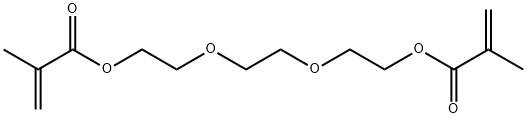
    α-end methacrylate
    Ω-end methacrylate
    BRN  1797351
    Stability: Light Sensitive
    InChIKey HWSSEYVMGDIFMH-UHFFFAOYSA-N
    LogP 2.3 at 20℃
    CAS DataBase Reference 109-16-0(CAS DataBase Reference)
    NIST Chemistry Reference 2-Propenoic acid, 2-methyl-, 1,2-ethanediylbis(oxy-2,1-ethanediyl) ester(109-16-0)
    EPA Substance Registry System Triethylene glycol dimethacrylate (109-16-0)

    Safety Information
    Hazard Codes  Xi
    Risk Statements  36/37/38-43
    Safety Statements  26-28-36/37
    RIDADR  UN 3334
    WGK Germany  1
    RTECS  OZ4100000
    8-19
    TSCA  TSCA listed
    HS Code  29161900
    Hazardous Substances Data 109-16-0(Hazardous Substances Data)
    Toxicity LD50 oral in rat: 10837mg/kg
    MSDS Information

    Triethylene glycol dimethacrylate Usage And Synthesis
    Description Triethylene glycol dimethacrylate is used as a cross-linking agent in the synthesis of poly (methacrylic acid-g-ethylene glycol) hydrogels which shows large changes in swelling due to changes in pH, temperature and solvent composition. They are also used as divinylic methacrylic monomers which are widely used to form copolymers with divinylbenzene (DVB) and glycidyl methacrylate (GMA) or hydroxyethyl methacrylate (HEMA) comonomers. As a monomer, it is typically used in dental resin materials that can cause specific stress responses in eukaryotic cells. It commonly used to aesthetically restore the structure and function of teeth impaired by caries, erosion, or fracture.
    It is cytotoxic via apoptosis, induce genotoxic effects, and delay the cell cycle. It also influences the response of cells of the innate immune system, inhibit specific odontoblast cell functions, or delay the odontogenic differentiation and mineralization processes in pulp-derived cells including stem cells. It is also used as a diluent co-monomer in dimethacrylate based dental composites as well as being used as a branching agent in the atom transfer radical polymerization (ATRP) of styrene.
    Application

    Triethylene glycol dimethacrylate (TEGDMA) is a resin monomer widely used in the composition of dentin bonding agents and composite resins to restore teeth structures impaired by caries and/or fractures. However, resin monomers can be released into the oral environment and can trigger hazardous biological effects on oral tissues. The release of the resin monomers due to degradation and incomplete polymerization can occur hours or days after the treatment. Due to its hydrophilic nature, hydrolysis plays an important role in the degradation processe of TEGDMA. Chemical interactions with oral fluids and mechanical influences may also cause the degradation of resin monomers. Direct contact or diffusion of resin monomers through the dentinal tubules creates ways of interaction between dental pulp tissue and resin monomers. Dentin thickness and the severity of caries lesions are important factors in determining the amount of resin monomers interacting with dental pulp tissue. TEGDMA has been reported to cause cytotoxicity, impaired cellular functions, pulpal inflammatory responses, and changes in the immune system. In addition, TEGDMA may reduce the mineralization capacity of dental pulp cells by decreasing the expression of the mineralization related genes pathways and causing adverse effects.

    First aid measures

    If inhaled

    Move the victim into fresh air. If breathing is difficult, give oxygen. If not breathing, give artificial respiration and consult a doctor immediately. Do not use mouth to mouth resuscitation if the victim ingested or inhaled the chemical.

    Following skin contact

    Take off contaminated clothing immediately. Wash off with soap and plenty of water. Consult a doctor.

    Following eye contact

    Rinse with pure water for at least 15 minutes. Consult a doctor.

    Following ingestion

    Rinse mouth with water. Do not induce vomiting. Never give anything by mouth to an unconscious person. Call a doctor or Poison Control Center immediately.

    Accidental release measures


    Personal precautions, protective equipment and emergency procedures

    Avoid dust formation. Avoid breathing mist, gas or vapours.Avoid contacting with skin and eye. Use personal protective equipment.Wear chemical impermeable gloves. Ensure adequate ventilation.Remove all sources of ignition. Evacuate personnel to safe areas.Keep people away from and upwind of spill/leak. Environmental precautions

    Prevent further spillage or leakage if it is safe to do so. Do not let the chemical enter drains. Discharge into the environment must be avoided. Methods and materials for containment and cleaning up

    Collect and arrange disposal. Keep the chemical in suitable and closed containers for disposal. Remove all sources of ignition. Use spark-proof tools and explosion-proof equipment. Adhered or collected material should be promptly disposed of, in accordance with appropriate laws and regulations.

    Shop Orthophosphorus acid 10294-56-1-Detailed Image 1

    Shop Trimellitic Anhydride  C9H4O5 552-30-7-Detailed Image 2

    Shop Trimellitic Anhydride  C9H4O5 552-30-7-Detailed Image 3


    Shop Trimellitic Anhydride  C9H4O5 552-30-7-Detailed Image 4

    Shop Trimellitic Anhydride  C9H4O5 552-30-7-Detailed Image 5

    Shop Trimellitic Anhydride  C9H4O5 552-30-7-Detailed Image 6


    Shop Trimellitic Anhydride  C9H4O5 552-30-7-Detailed Image 7


    Shop Trimellitic Anhydride  C9H4O5 552-30-7-Detailed Image 8

    Shop Trimellitic Anhydride  C9H4O5 552-30-7-Detailed Image 9

    Shop Trimellitic Anhydride  C9H4O5 552-30-7-Detailed Image 10

    Shop Trimellitic Anhydride  C9H4O5 552-30-7-Detailed Image 11

    Shop Trimellitic Anhydride  C9H4O5 552-30-7-Detailed Image 12

    ——  Q&A  ——

    Q1:Do you provide sample?

    A: Yes, we can provide free sample, you only need pay the shipping cost.

    Q2: What is the lead time?

    A: For stock goods, it usually take about 5-7 days by air, 15-30 days by sea,For customized products, the delivery time needs to be confirmed based on the actual situation.

    Q3: How can I buy? What is the payment method?

    A: You can contract us through Email or you can browse our website:orientchem.cc, we have bank transfer, 

    Q4:What if there are quality issues?

    A:We attach great importance to after-sales service of our products. If there are any quality issues, please contact us within 30 days of receiving the goods and we will handle returns and exchanges for you.


    Certificates

    Basic Info
    Product Name:

    Triethylene glycol dimethacrylate

    Other Name:

    2-Propenoic acid,2-methyl-,1,1′-[1,2-ethanediylbis(oxy-2,1-ethanediyl)] ester;Methacrylic acid,diester with triethylene glycol;2-Propenoic acid,2-methyl-,1,2-ethanediylbis(oxy-2,1-ethanediyl) ester;Methacrylic acid,ethylenebis(oxyethylene) ester;Triethylene glycol dimethacrylate;TGM 3;1,2-Bis[2-(methacryloyloxy)ethoxy]ethane;Ethylenebis(oxyethylene) methacrylate;TGM 3PC;NK Ester 3G;TEDMA;TGM 3S;SR 205;TEGDMA;ATM 2 (methacrylate);ATM 2;Esschem 943X7469;Acryester 3ED;Bisomer TEGDMA;Sartomer SR 205;Neomer PM 201;NSC 84260;Light Ester 3EG;Blemmer PDE 150;M 233;EM 328;Neomer PM 20;Luvomaxx TEDMA;Newfrontier NF Bisomer TEGDMA;NK 3G;SR 205NS;T 0498;2-[2-[2-(2-Methylprop-2-enoyloxy)ethoxy]ethoxy]ethyl 2-methylprop-2-enoate;Miramer M 233;V 389;37291-80-8;52325-89-0;64641-52-7;72145-92-7;76611-53-5;77302-65-9;102770-39-8;107869-00-1;113723-03-8;116117-65-8;120415-48-7;121150-61-6;121484-13-7;143083-95-8;184845-37-2;202134-79-0;212247-03-5;476300-64-8;544700-08-5;664995-57-7;950837-40-8;2237225-55-5

    CAS No.:

    109-16-0

    Molecular Formula:

    C14H22O6

    InChIKeys:

    InChIKey=HWSSEYVMGDIFMH-UHFFFAOYSA-N

    Molecular Weight:

    286.32

    Exact Mass:

    286.32

    EC Number:

    203-652-6

    UNII:

    14I47YJ5EY

    NSC Number:

    84260

    DSSTox ID:

    DTXSID3029607

    HScode:

    2918990090

    Characteristics
    PSA:

    71.1

    XLogP3:

    1.88

    Appearance:

    Liquid

    Density:

    1.072 g/cm3 @ Temp: 25 °C

    Melting Point:

    <25 °C

    Boiling Point:

    155 °C @ Press: 0.98 Torr

    Flash Point:

    >230 °F

    Refractive Index:

    1.456

    Water Solubility:

    > 10% in petroleum ether

    Storage Conditions:

    2-8°C

    Vapor Pressure:

    0.000119mmHg at 25°C

    Hazard Identification

    Classification of the substance or mixture

    Skin sensitization, Sub-category 1B

    GHS label elements, including precautionary statements

    Pictogram(s)

    Signal word

    Warning

    Hazard statement(s)

    H317 May cause an allergic skin reaction

    Precautionary statement(s)
    Prevention

    P261 Avoid breathing dust/fume/gas/mist/vapours/spray.

    P272 Contaminated work clothing should not be allowed out of the workplace.

    P280 Wear protective gloves/protective clothing/eye protection/face protection/hearing protection/...

    Response

    P302+P352 IF ON SKIN: Wash with plenty of water/...

    P333+P317 If skin irritation or rash occurs: Get medical help.

    P321 Specific treatment (see ... on this label).

    P362+P364 Take off contaminated clothing and wash it before reuse.

    Storage

    none

    Disposal

    P501 Dispose of contents/container to an appropriate treatment and disposal facility in accordance with applicable laws and regulations, and product characteristics at time of disposal.

    Other hazards which do not result in classification

    no data available

    Handling and Storage

    Precautions for safe handling

    Handling in a well ventilated place. Wear suitable protective clothing. Avoid contact with skin and eyes. Avoid formation of dust and aerosols. Use non-sparking tools. Prevent fire caused by electrostatic discharge steam.

    Conditions for safe storage, including any incompatibilities

    Temp during storage must be kept low to minimize formation of peroxides and other oxidation products. ... Storage temp below 30 deg C are recommended for the polyfunctional methacrylates. ... The methacrylate monomers should not be stored for longer than one year. Shorter storage times are recommended for the aminomethacrylates, ie, three months, and the polyfunctional methacrylates, ie, six months. Many of these cmpd are sensitive to UV light and should, therefore, be stored in the dark. The methacrylic esters may be stored in mild steel, stainless steel, or aluminum. Methacrylic acid & derivatives

  • Seller Information
    Business Type:

    Trader

    Main Products:

    pharmaceutical intermediates,peptides,electronic chemicals

    Location:

    Room 102, 1st Floor, East Office Building, No. 45 Pengwan Road, Qianwan Bonded Port Area, Qingdao Zone, China (Shandong) Pilot Free Trade Zone

    Payment Terms:

    100% TT in advance

    Average lead Time:

    10

    Total Annual Revenue:

    $10 million-$25 million

    Total Employees:

    51-100

    Year of Establishment:

    2024

    A reliable supplier is like insurance.

    We are mainly specilized in supply of pharmaceutical intermediates, electronic chemicals,food additives, and other fine chemical products.
    Integrity is the foundation, quality is life. We would like to work together with you to build a greener and brighter future.

    Website: orientchem.cc
    Email: scarlett@orientchem.cc
    WhatsApp: +86 17753254221

  • Inquiry History
    4 Inquiries
    Country Product Purchase Quantity Date Posted
    Poland

    TEGDMA (Triethylene Glycol Dimethacrylate)

    1000.00 KG Jan 21, 2026
    Bangladesh

    PE Color Masterbatch

    5 MT Feb 12, 2026
    United States

    Triethylene Glycol Dimethacrylate

    5 KG Jan 31, 2024
    Finland

    Masterbatch

    25 MT Jan 7, 2026
    Post an enquiry for this product
pic ×

Scan the QR Code to Share

All products displayed on this website are only for non-medical purposes such as industrial applications or scientific research, and cannot be used for clinical diagnosis or treatment of humans or animals. They are not medicinal or edible.

According to relevant laws and regulations and the regulations of this website, units or individuals who purchase hazardous materials should obtain valid qualifications and qualification conditions.

The information shown above is provided by the enterprise itself, and the authenticity, accuracy and legitimacy of the content are the responsibility of the publishing company. ECHEMI does not bear any guarantee responsibility for this. Please be aware that risks in internet transactions objectively exist.

Feedback & Suggestions
Send Message

Thank you for your feedback. If you require further assistance, please contact us by email at info@echemi.com or call us at +86-532-55729510.