Product
Supplier
Encyclopedia
Inquiry
ALPHA-LINOLENIC ACID CAS:463-40-1 buy - large image1
ALPHA-LINOLENIC ACID CAS:463-40-1 buy - image1
ALPHA-LINOLENIC ACID CAS:463-40-1 buy - image2
ALPHA-LINOLENIC ACID CAS:463-40-1 buy - image3
ALPHA-LINOLENIC ACID CAS:463-40-1 buy - image4
ALPHA-LINOLENIC ACID CAS:463-40-1 buy - image5
ALPHA-LINOLENIC ACID CAS:463-40-1 buy - image6

ALPHA-LINOLENIC ACID CAS:463-40-1

TDS 3 Inquiries

Unit Price: Get Latest Price
CAS No.:

463-40-1

Grade:

Industrail Grade

Content:

99%

Port:

SHANGHAI

Brand:

Orient

Packaging:

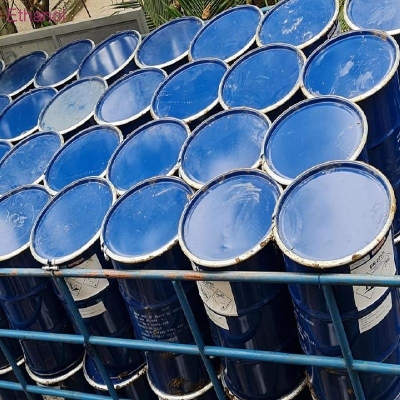
25L, 200L, 1000L, customized

Price valid (until):

2026-01-24

Company Type:
Trader
Location:
China
Qualification:
Main Products:

pharmaceutical intermediates,peptides,electronic chemicals

  • Product Description

  • Seller Information

  • Inquiry History

  • Description
    Product Name: Linolenic acid
    Synonyms: OCTADECA-9Z,12Z,15Z-TRIENOIC ACID;(Z,Z,Z)-9,12,15-Octadecatrienoic acid;9,12,15-OCTADECATRIENIC ACID;9,12,15-OCTADECATRIENOIC ACID;9Z,12Z,15Z-OCTADECATRIENOIC ACID;ALPHA-LINOLENIC ACID;ALPHA-LNN;ALL CIS-9,12,15-OCTADECATRIENOIC ACID
    CAS: 463-40-1
    MF: C18H30O2
    MW: 278.43
    EINECS: 207-334-8
    Product Categories: Biochemistry;Higher Fatty Acids & Higher Alcohols;Fatty & Aliphatic Acids, Esters, Alcohols & Derivatives;Unsaturated Higher Fatty Acids;Fatty Acid Derivatives & Lipids;Glycerols;Biological and chemical;Elisa Kit-plant ELISA Kit;1
    Mol File: 463-40-1.mol
    Shop ALPHA-LINOLENIC ACID CAS:463-40-1-Detailed Image 1

    Linolenic acid Chemical Properties
    Melting point  -11 °C(lit.)
    Boiling point  230-232 °C1 mm Hg(lit.)
    density  0.914 g/mL at 25 °C(lit.)
    FEMA  3380 | 9,12-OCTADECADIENOIC ACID (48%) AND 9,12,15-OCTADECATRIENOIC ACID (52%)
    refractive index  n20/D 1.480(lit.)
    Fp  >230 °F
    storage temp.  2-8°C
    solubility  Chloroform, Ethyl Acetate (Slightly), Methanol (Slightly)
    pka 4.78±0.10(Predicted)
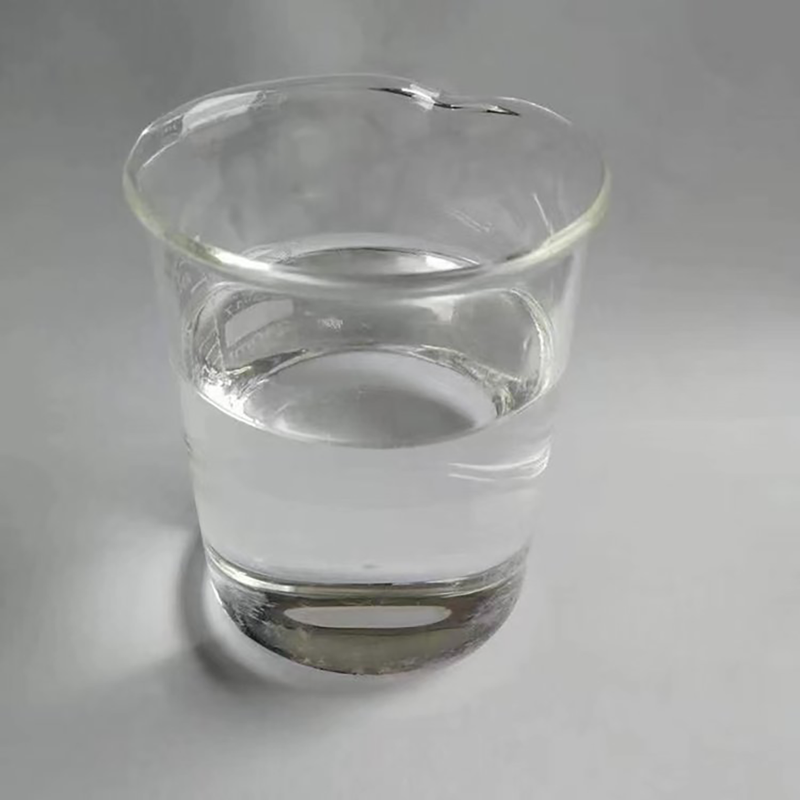
    form  Liquid
    color  Clear colorless to light yellow
    Specific Gravity 0.91
    Odor faint fatty
    Water Solubility  INSOLUBLE
    Merck  14,5506
    BRN  1727693
    Cosmetics Ingredients Functions ANTISTATIC
    SURFACTANT - CLEANSING
    PERFUMING
    CLEANSING
    HAIR CONDITIONING
    SKIN CONDITIONING
    SKIN CONDITIONING - EMOLLIENT
    InChIKey DTOSIQBPPRVQHS-PDBXOOCHSA-N
    LogP 6.52
    CAS DataBase Reference 463-40-1(CAS DataBase Reference)
    NIST Chemistry Reference 9,12,15-Octadecatrienoic acid, (Z,Z,Z)-(463-40-1)
    EPA Substance Registry System Linolenic acid (463-40-1)

    Safety Information
    Risk Statements  36/37/38
    Safety Statements  26-36-37/39
    RIDADR  UN1170 - class 3 - PG 2 - Ethanol
    WGK Germany  1
    8-10-23
    HS Code  29161500
    MSDS Information

    Linolenic acid Usage And Synthesis
    Overview The alpha-linolenic acid (ALA 18:3w,463-40-1) an omega-3 (n-3) fatty acid, is an essential fatty acid (EFA) that cannot be synthesized by the body and therefore must be supplied by dietary sources. ALA is abundant in certain plant foods including walnuts, rapeseed (canola), several legumes, flaxseed, and green leafy vegetables.[1] ALA is the precursor of three important longer-chain n-3 fatty acids, eicosapentaenoic acid (EPA 20:5w3), docosapentaenoic acid (DPAw3 22:5w3), and docosahexaenoic acid (DHA 22:6w3), which have vital roles in brain development and function, cardiovascular health, and inflammatory response.[2-5] Omega-3 fatty acids are incorporated into the membrane lipid bilayer in virtually all body cells and affect membrane composition, eicosanoid biosynthesis, cell signaling cascades, and gene expression[6].
    Absorption and metabolism of ALA As a rule, dietary fats are absorbed very efficiently from the digestive tract, and ALA is no exception. Burdge 16 recently reported that absorption levels of ALA are 96% or more. There are several possible metabolic fates for ALA that enters the bloodstream. The body can store the fatty acids in adipose tissue, use them for acetyl-CoA or energy production through b-oxidation, synthesize other non-essential saturated or monounsaturated fatty acids (MUFA), or convert them to longer-chain n-3 polyunsaturated fatty acids (PUFA) in the liver. The activity of the desaturation/elongation pathway is of unique importance as it is responsible for the synthesis of EPA and DHA. What is presently understood concerning conversion of ALA to EPA, DPAw3, and DHA is that the first step in the pathway, addition of a fourth double bond by D 6 desaturase, is considered to be the rate-limiting step. This is followed by elongation (addition of two carbon atoms) and an additional desaturation by the enzyme D 5 desaturase, with the product being 20:5n-3 or EPA. Several possibilities have been suggested for the precise pathway for production of DHA (22:6n-3) from EPA in humans. It was assumed that the conversion of DPAw3 to DHA would be carried out by a D4 desaturase but, thus far, little or no D4 desaturase has been found. Sprecher[8] has provided evidence for elongation of 22:5w3 to 24:5w3,which is then desaturated by the rate limiting D 6 desaturase to yield a 24:6w3. Two carbons are then cleaved in the peroxisomes to yield DHA that is then exported to the reticuloendothelial system. Thus, the insertion of the last double bond in DHA production in human metabolism may be rather indirect and somewhat inefficient. There are some doubts as to the validity of the Sprecher shunt, but it provides a possible explanation for the small proportions of DHA produced and the build up of DPAw3, despite ample ALA available in foods and in body tissues.
    Alpha-linolenic acid is partially converted to EPA in humans (8–20%), while conversion rates of ALA to DHA are estimated at 0.5–9%[9, 10]. The sex difference in metabolism is well known. Studies in women of reproductive age showed a substantially greater (2.5-fold) rate of conversion of ALA to EPA than that measured in healthy men. Thus, the ability to produce long-chain metabolites is gender dependent. It appears that women have a lower partitioning of ALA to b-oxidation, leaving more of it available for conversion to EPA[7, 11]. Other possible explanations include a direct effect of estrogen on conversion rates[7, 12]. Gender differences have also been observed in the conversion rates of ALA to DHA. In males it is estimated that only 0.5–4% of ALA is converted to DHA while in females the rates are thought to be as high as 9%[11, 12]. It is hypothesized that demands for DHA by the fetus during pregnancy may stimulate female physiology to more readily synthesize this fatty acid.

    First aid measures

    If inhaled

    Move the victim into fresh air. If breathing is difficult, give oxygen. If not breathing, give artificial respiration and consult a doctor immediately. Do not use mouth to mouth resuscitation if the victim ingested or inhaled the chemical.

    Following skin contact

    Take off contaminated clothing immediately. Wash off with soap and plenty of water. Consult a doctor.

    Following eye contact

    Rinse with pure water for at least 15 minutes. Consult a doctor.

    Following ingestion

    Rinse mouth with water. Do not induce vomiting. Never give anything by mouth to an unconscious person. Call a doctor or Poison Control Center immediately.

    Accidental release measures


    Personal precautions, protective equipment and emergency procedures

    Avoid dust formation. Avoid breathing mist, gas or vapours.Avoid contacting with skin and eye. Use personal protective equipment.Wear chemical impermeable gloves. Ensure adequate ventilation.Remove all sources of ignition. Evacuate personnel to safe areas.Keep people away from and upwind of spill/leak. Environmental precautions

    Prevent further spillage or leakage if it is safe to do so. Do not let the chemical enter drains. Discharge into the environment must be avoided. Methods and materials for containment and cleaning up

    Collect and arrange disposal. Keep the chemical in suitable and closed containers for disposal. Remove all sources of ignition. Use spark-proof tools and explosion-proof equipment. Adhered or collected material should be promptly disposed of, in accordance with appropriate laws and regulations.

    Shop Orthophosphorus acid 10294-56-1-Detailed Image 1

    Shop Trimellitic Anhydride  C9H4O5 552-30-7-Detailed Image 2

    Shop Trimellitic Anhydride  C9H4O5 552-30-7-Detailed Image 3


    Shop Trimellitic Anhydride  C9H4O5 552-30-7-Detailed Image 4

    Shop Trimellitic Anhydride  C9H4O5 552-30-7-Detailed Image 5

    Shop Trimellitic Anhydride  C9H4O5 552-30-7-Detailed Image 6


    Shop Trimellitic Anhydride  C9H4O5 552-30-7-Detailed Image 7


    Shop Trimellitic Anhydride  C9H4O5 552-30-7-Detailed Image 8

    Shop Trimellitic Anhydride  C9H4O5 552-30-7-Detailed Image 9

    Shop Trimellitic Anhydride  C9H4O5 552-30-7-Detailed Image 10

    Shop Trimellitic Anhydride  C9H4O5 552-30-7-Detailed Image 11

    Shop Trimellitic Anhydride  C9H4O5 552-30-7-Detailed Image 12

    ——  Q&A  ——

    Q1:Do you provide sample?

    A: Yes, we can provide free sample, you only need pay the shipping cost.

    Q2: What is the lead time?

    A: For stock goods, it usually take about 5-7 days by air, 15-30 days by sea,For customized products, the delivery time needs to be confirmed based on the actual situation.

    Q3: How can I buy? What is the payment method?

    A: You can contract us through Email or you can browse our website:orientchem.cc, we have bank transfer, 

    Q4:What if there are quality issues?

    A:We attach great importance to after-sales service of our products. If there are any quality issues, please contact us within 30 days of receiving the goods and we will handle returns and exchanges for you.


    Certificates

    Basic Info
    Product Name:

    Linolenic acid

    Other Name:

    9,12,15-Octadecatrienoic acid,(9Z,12Z,15Z)-;Linolenic acid;9,12,15-Octadecatrienoic acid,(Z,Z,Z)-;(9Z,12Z,15Z)-9,12,15-Octadecatrienoic acid;all-cis-9,12,15-Octadecatrienoic acid;α-Linolenic acid;cis,cis,cis-9,12,15-Octadecatrienoic acid;cis-9,cis-12,cis-15-Octadecatrienoic acid;cis-Δ9,12,15-Octadecatrienoic acid;9,12,15-all-cis-Octadecatrienoic acid;9-cis,12-cis,15-cis-Octadecatrienoic acid;(Z,Z,Z)-Octadeca-9,12,15-trienoic acid;(all-Z)-9,12,15-Octadecatrienoic acid;9Z,12Z,15Z-Octadecatrienoic acid;alpha-Linolenic acid;18:3n-3;BRD-K33396764

    CAS No.:

    463-40-1

    Molecular Formula:

    C18H30O2

    InChIKeys:

    InChIKey=DTOSIQBPPRVQHS-PDBXOOCHSA-N

    Molecular Weight:

    278.43

    Exact Mass:

    278.43

    EC Number:

    207-334-8

    UNII:

    0RBV727H71

    NSC Number:

    2042

    DSSTox ID:

    DTXSID7025506|DTXSID9029435|DTXSID7075058

    NCI Thesaurus Code:

    C997

    HScode:

    2916190090

    Characteristics
    PSA:

    37.3

    XLogP3:

    5.9

    Appearance:

    Clear colorless to light yellow Liquid

    Density:

    0.9157 g/cm3 @ Temp: 20 °C

    Melting Point:

    -16.5 °C

    Boiling Point:

    231 °C

    Flash Point:

    >230 °F

    Refractive Index:

    1.491

    Water Solubility:

    H2O: INsoluble

    Storage Conditions:

    2-8°C

    Vapor Pressure:

    0.05 mm Hg at 257° F (NTP, 1992)

    Collision Cross Section:

    170.7 Ų [M+H]+ [CCS Type: DT, Method: single field calibrated with Agilent tune mix (Agilent)]|173.07 Ų [M-H]- [CCS Type: DT, Method: single field calibrated with Agilent tune mix (Agilent)]|174.88 Ų [M-H]- [CCS Type: DT, Method: stepped-field]|173.9 Ų [M-H]-

    Air and Water Reactions:

    Oxidizes in air to form peroxides, which spontaneously ignite. Insoluble in water. Sensitive to heat and moisture.

    Reactive Group:

    Acids, Carboxylic

    Reactivity Alerts:

    Peroxidizable Compound

    Reactivity Profile:

    LINOLENIC ACID is incompatible with bases, oxidizing agents and reducing agents. Also incompatible with peroxides, oxygen and water. (NTP, 1992)

    Hazard Identification

    Classification of the substance or mixture

    Not classified.

    GHS label elements, including precautionary statements

    Pictogram(s) No symbol.
    Signal word

    No signal word

    Hazard statement(s)

    none

    Precautionary statement(s)
    Prevention

    none

    Response

    none

    Storage

    none

    Disposal

    none

    Other hazards which do not result in classification

    no data available

    Handling and Storage

    Precautions for safe handling

    Handling in a well ventilated place. Wear suitable protective clothing. Avoid contact with skin and eyes. Avoid formation of dust and aerosols. Use non-sparking tools. Prevent fire caused by electrostatic discharge steam.

    Conditions for safe storage, including any incompatibilities

    Store the container tightly closed in a dry, cool and well-ventilated place. Store apart from foodstuff containers or incompatible materials.

  • Seller Information
    Business Type:

    Trader

    Main Products:

    pharmaceutical intermediates,peptides,electronic chemicals

    Location:

    Room 102, 1st Floor, East Office Building, No. 45 Pengwan Road, Qianwan Bonded Port Area, Qingdao Zone, China (Shandong) Pilot Free Trade Zone

    Payment Terms:

    100% TT in advance

    Average lead Time:

    10

    Total Annual Revenue:

    $10 million-$25 million

    Total Employees:

    51-100

    Year of Establishment:

    2024

    A reliable supplier is like insurance.

    We are mainly specilized in supply of pharmaceutical intermediates, electronic chemicals,food additives, and other fine chemical products.
    Integrity is the foundation, quality is life. We would like to work together with you to build a greener and brighter future.

    Website: orientchem.cc
    Email: scarlett@orientchem.cc
    WhatsApp: +86 17753254221

  • Inquiry History
    3 Inquiries
    Country Product Purchase Quantity Date Posted
    India

    Linolenic Acid

    50 G Oct 24, 2025
    Romania

    oliar fertilizer liquid nanotechnology fertilizers

    20000 MT Aug 31, 2023
    United Arab Emirates

    Apha Linoleic Acid

    25 MT Dec 23, 2025
    Post an enquiry for this product

pic ×

Scan the QR Code to Share

All products displayed on this website are only for non-medical purposes such as industrial applications or scientific research, and cannot be used for clinical diagnosis or treatment of humans or animals. They are not medicinal or edible.

According to relevant laws and regulations and the regulations of this website, units or individuals who purchase hazardous materials should obtain valid qualifications and qualification conditions.

The information shown above is provided by the enterprise itself, and the authenticity, accuracy and legitimacy of the content are the responsibility of the publishing company. ECHEMI does not bear any guarantee responsibility for this. Please be aware that risks in internet transactions objectively exist.

Feedback & Suggestions
Send Message

Thank you for your feedback. If you require further assistance, please contact us by email at info@echemi.com or call us at +86-532-55729510.