Product
Supplier
Encyclopedia
Inquiry
Home > Food Additives > Other Food Additives > D-Glucose monohydrate for Sale > 5996-10-1, industrial-grade glucose, white powder, granules, industrial-grade glucose additive
5996-10-1, industrial-grade glucose, white powder, granules, industrial-grade glucose additive buy - large image1
5996-10-1, industrial-grade glucose, white powder, granules, industrial-grade glucose additive buy - image1
5996-10-1, industrial-grade glucose, white powder, granules, industrial-grade glucose additive buy - image2
5996-10-1, industrial-grade glucose, white powder, granules, industrial-grade glucose additive buy - image3
5996-10-1, industrial-grade glucose, white powder, granules, industrial-grade glucose additive buy - image4
5996-10-1, industrial-grade glucose, white powder, granules, industrial-grade glucose additive buy - image5
5996-10-1, industrial-grade glucose, white powder, granules, industrial-grade glucose additive buy - image6

5996-10-1, industrial-grade glucose, white powder, granules, industrial-grade glucose additive

95 Inquiries

Unit Price: Get Latest Price
CAS No.:

5996-10-1

Grade:

Industrial Grade

Content:

99%

Port:

Qingdao Port

Brand:

zhencheng

Packaging:

25 kg packed in PE film and woven bag

Price valid (until):

2026-04-21

This product has been removed from the shop temporarily..
Company Type:
Manufactory
Location:
China
Qualification:
Main Products:

Polyacrylamide,Polyaluminum Chloride,Poly Ferric Sulfate,Aluminium Sulfate,Activated Carbon / Activated Charcoal,Quartz Sand Filter Media

  • Product Description

  • Seller Information

  • Inquiry History

  • Description
    Detailed Technical Specification for Industrial Glucose Products

    I. Core Overview of the Product

    Shop 5996-10-1, industrial-grade glucose, white powder, granules, industrial-grade glucose additive-Detailed Image 1

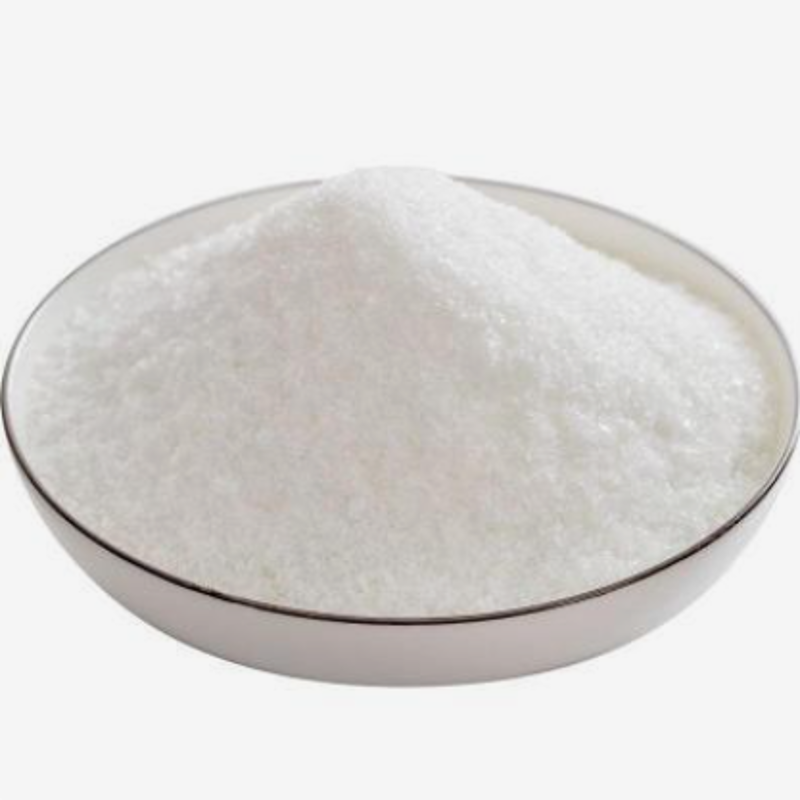
    Industrial glucose, also known as industrial-grade glucose, glucose specially used for sewage treatment, and industrial dextrose, is divided into two types: monohydrate glucose (mainstream industrial type) and anhydrous glucose. It is an organic compound made from high-quality starch through enzymatic or acid hydrolysis, refining, and drying, and belongs to carbohydrate-based industrial raw materials. This product is a white crystalline powder/granule, odorless, easily soluble in water, and has core properties such as reducibility, fermentability, complexation, and retarding property. It is a core auxiliary material in fields such as environmental protection water treatment, building materials, fermentation industry, textile printing and dyeing, chemical electroplating, etc. Its cost performance is better than similar alternative products such as methanol, sodium acetate, and white sugar. It has a wide range of applicable scenarios, is convenient for storage and transportation, and is an indispensable basic chemical raw material in industrial production.

    Core molecular formula: monohydrate glucose C₆H₁₂O₆·H₂O, anhydrous glucose C₆H₁₂O₆; relative molecular mass: monohydrate glucose 198.17, anhydrous glucose 180.16; CAS numbers: 5996-10-6 (monohydrate), 50-99-7 (anhydrous).

    II. Core Characteristics and Segmented Applications of the Product

    2.1 Core Physicochemical and Application Characteristics

    Physical Characteristics: It appears as a white, odorless crystalline powder or fine granules with uniform color, no caking, and no visible impurities to the naked eye. It has moderate fluidity and is not easy to generate dust. The conventional particle size of 80-120 mesh is suitable for most industrial scenarios. It can dissolve quickly and completely in both cold and hot water, and the solution after dissolution is clear and transparent with no suspended matter or precipitation. Its solubility is far superior to similar carbon source products.

    Chemical Characteristics: It has reducibility and can participate in redox reactions; its aqueous solution is neutral to slightly acidic with a stable pH value and does not react violently with conventional industrial acids, alkalis, or inorganic salts; it has high purity, few impurities, and extremely low ash content, so it will not cause secondary pollution to industrial equipment or treatment systems; it can be quickly decomposed and utilized by microorganisms with a 100% biodegradation rate, is environmentally friendly, non-toxic, and has no residual hazards.

    Practical Characteristics: It has strong stability, can be stored for a long time in a normal temperature and dry environment, is not easy to absorb moisture and cake, and is not easy to deteriorate; the dosing operation is simple, and no special equipment modification is required; it has a wide applicable temperature range, can be used normally in environments from -5℃ to 40℃, and is suitable for industrial production needs in different regions and working conditions; it has outstanding cost performance, with the unit carbon source cost being much lower than that of traditional agents, controllable dosage, and stable effect.
    Shop 5996-10-1, industrial-grade glucose, white powder, granules, industrial-grade glucose additive-Detailed Image 2
    • 2.2 Detailed Explanation of Subdivided Application Fields and Core Uses

      2.2.1 Environmental Protection Sewage Treatment (Core Main Use)

      As an efficient external carbon source for the biochemical system of sewage treatment, it is specially used to supplement the carbon elements required for the growth and reproduction of microorganisms in the biochemical pool, solving the core problems of insufficient carbon sources and imbalanced C/N ratio in the sewage denitrification and dephosphorus removal process. It can quickly activate the activity of denitrifying bacteria, accelerate the decomposition of nitrates and nitrites, improve the removal efficiency of total nitrogen and total phosphorus, and help sewage meet discharge standards; it replaces traditional carbon sources such as methanol, sodium acetate, and acetic acid, with higher safety, no risk of flammability and explosion, easy control of dosage, low sludge output, and no increase in subsequent sludge treatment pressure. It is widely applicable to the biochemical treatment processes of municipal sewage and industrial wastewater (chemical, food, printing and dyeing, breeding wastewater).
    • Shop 5996-10-1, industrial-grade glucose, white powder, granules, industrial-grade glucose additive-Detailed Image 3
    • 2.2.2 Construction Concrete Industry

      It is used as a high-efficiency retarder and workability improver in concrete admixtures. It can extend the initial and final setting time of concrete, slow down the heat release rate of cement hydration, and avoid temperature difference cracks during mass concrete construction. At the same time, it improves the fluidity and cohesion of concrete, reduces bleeding and segregation, enhances the compactness and strength of concrete. It is suitable for special construction scenarios such as summer high-temperature construction, long-distance pumped concrete, large bridges/dams/pile foundation projects, etc. It can also be used in the production of cement products and prefabricated components to improve the forming quality of products.
    • Shop 5996-10-1, industrial-grade glucose, white powder, granules, industrial-grade glucose additive-Detailed Image 4
    • 2.2.3 Fermentation and Biopharmaceutical Industry

      As a basic carbon source medium for microbial fermentation, it provides energy required for the growth and metabolism of microorganisms such as yeast, bacteria, and mold. It is widely used in the production of fermented products such as alcohol, monosodium glutamate, citric acid, antibiotics, vitamins, and enzyme preparations. It can also be used in the production of bio-fertilizers and microbial agents, promoting the reproduction of beneficial bacterial communities, improving fermentation conversion rates and product purity, and is one of the core raw materials in the fermentation industry.
    • Shop 5996-10-1, industrial-grade glucose, white powder, granules, industrial-grade glucose additive-Detailed Image 5
    • 2.2.4 Textile Dyeing and Printing Industry

      It is used as a sizing agent, reducing agent, and softener for fabrics. In the spinning and weaving processes of cotton yarn and chemical fiber fabrics, it can enhance the toughness of yarns, reduce the breakage rate, and improve the smoothness of fabrics. In the dyeing and printing process, it acts as a reducing agent for vat dyes, assists in dye fixation, improves dyeing uniformity and color fastness, while enhancing the hand feel of fabrics, reducing fabric damage, and is suitable for the dyeing and printing processing of various fabrics such as cotton, linen, and chemical fibers.
    • Shop 5996-10-1, industrial-grade glucose, white powder, granules, industrial-grade glucose additive-Detailed Image 6
    • 2.2.5 Chemical and Electroplating Industries

      In the chemical field, it is used as an intermediate for synthesizing other organic compounds, and can also be used as a chelating agent and water quality improver in water treatment. It chelates heavy metal ions in water to enhance the effect of water purification. In the electroplating industry, it is used as a complexing agent in electroplating solutions to improve the uniformity and adhesion of electroplating layers, enhance the surface finish of electroplated products, reduce defects such as pinholes and pitting, and is suitable for the electroplating processing of hardware, plastic and other products.
    • Shop 5996-10-1, industrial-grade glucose, white powder, granules, industrial-grade glucose additive-Detailed Image 7
    • 2.2.6 Other Industrial Uses

      In aquaculture, it is used as a carbon source in water bodies to regulate the structure of water microbial communities, improve water quality, and promote the growth of aquatic animals; in the ceramic industry, it is used as a binder for ceramic bodies to enhance the strength of the bodies and reduce cracking during firing; it can also be used in the adhesive and foundry industries as an auxiliary raw material to improve product performance.
    • Shop 5996-10-1, industrial-grade glucose, white powder, granules, industrial-grade glucose additive-Detailed Image 8
    • III. Product Specification Parameters (Industrial General Standards)

      This product is divided into monohydrate industrial glucose (regular version) and anhydrous industrial glucose (high-purity version). The specific specification parameters are as follows. The particle size and purity can be customized according to different application scenarios:
    Detection items Monohydrate industrial glucose (top-grade product) Monohydrate industrial glucose (Grade A) Anhydrous industrial glucose
    Glucose content (dry basis)
    ≥95.0%
    ≥90.0%
    ≥99.0%
    Loss on drying (moisture)
    ≤9.5%
    ≤10.0%
    ≤1.0%
    pH value (5% aqueous solution)
    5.0-7.0
    5.0-7.0
    5.0-7.0
    Ash content
    ≤0.1%
    ≤0.3%
    ≤0.05%
    granularity 80-120 mesh 80-120 mesh 100-120 mesh
    Solubility (25℃) ≥80g/100mL water, completely dissolved ≥75g/100mL water, completely dissolved ≥85g/100mL water, completely dissolved
    bulk density
    0.6-0.8g/cm³
    0.6-0.8g/cm³
    0.7-0.9g/cm³
    Appearance White crystalline powder, no impurities White to slightly yellow crystalline powder White crystalline powder with uniform color

    IV. Product Quality Implementation Standards

    4.1 Sensory Quality Standards

    Color: Top-grade products are pure white; first-grade products are white to slightly pale yellow, with no discoloration, blackening, yellowing, or caking;

    Character: Crystalline powder or fine granules, with no caking, no mildew, and no visible mechanical impurities to the naked eye;

    Odor: No off-odor, no rancid odor, no musty odor, and no pungent odor;

    Solubility: When added to water at room temperature and stirred for 3-5 minutes, it can be completely dissolved, and the solution is clear and transparent, with no turbidity, no precipitation, and no suspended matter.


    • 4.2 Physical and Chemical Quality Standards

      Implement the general industry standards for industrial glucose. The core physical and chemical indicators must meet the following requirements: glucose content (on dry basis) for first-class products ≥ 90%, for superior products ≥ 95%; loss on drying ≤ 10%; pH value 5.0-7.0; ash content ≤ 0.3%; heavy metals (calculated as Pb) ≤ 0.001%; arsenic (calculated as As) ≤ 0.0001%; chloride ≤ 0.01%; sulfate ≤ 0.02%. All physical and chemical indicators are tested using national standard detection methods such as Fehling's reagent titration, high-performance liquid chromatography, and loss on drying method to ensure accurate data.

      4.3 Hygiene and Safety Indicators

      This product is of industrial grade, not food grade, and is prohibited from being used in food and feed processing fields; the hygiene indicators meet the safety requirements for industrial raw materials, with total bacterial count ≤ 1000 CFU/g, total mold and yeast count ≤ 50 CFU/g, and no pathogenic bacteria; the product is non-toxic, non-corrosive, non-flammable and non-explosive, does not belong to dangerous chemicals, and is safe and compliant during transportation, storage, and use.


    • V. Packaging, Storage and Transportation Specifications

      5.1 Packaging Specifications

      The regular packaging is 25kg per bag, using double-layer packaging: the outer layer is a polypropylene woven bag, which is wear-resistant and impact-resistant, facilitating loading and unloading; the inner layer is a food-grade polyethylene film bag, which is sealed and moisture-proof to prevent the product from absorbing moisture and deteriorating. Large packaging such as 50kg per bag and ton bags can also be customized according to customer needs. The packaging appearance is neat, with information such as product name, specification, grade, net weight, execution standard, and industrial-grade warning marked, without any illegal contact information such as phone numbers, QR codes, or emails.
    • Shop 5996-10-1, industrial-grade glucose, white powder, granules, industrial-grade glucose additive-Detailed Image 9
    • 5.2 Storage Requirements

      Store in a cool, dry, and well-ventilated warehouse with the ambient temperature controlled below 25℃ and relative humidity ≤ 75%; keep away from fire sources, heat sources, and avoid direct sunlight; it is strictly prohibited to store together with acidic, alkaline substances, toxic and harmful items, flammable and explosive items; when stacking, it should be at least 20cm away from the ground and walls to avoid moisture and caking. The shelf life under normal temperature is 12 months, and it should be sealed and stored in time after opening.

      5.3 Transportation Requirements

      Ordinary trucks can be used for transportation; it is not a dangerous chemical and does not require special transportation qualifications; during transportation, measures for rainproof, moisture-proof, and sunproof should be taken to avoid product leakage and moisture due to packaging damage; handle with care during loading and unloading, strictly prohibit throwing, dragging to prevent packaging rupture; the transport vehicle must be kept clean without toxic and harmful residues.

    • VI. Key Points for Practical Use
    • Sewage treatment dosage: Calculate the dosage based on the C/N ratio and total nitrogen content of the biochemical tank. The conventional dosage is 50-200mg/L. It can be directly added as dry powder or dissolved into a 5%-10% aqueous solution. After adding, turn on the stirring to ensure uniform mixing.

      Concrete retarding: The dosage is 0.1%-0.3% of the cement dosage. Adjust the dosage according to the construction temperature and retardation time requirements. It can be appropriately increased in high-temperature weather and reduced in low-temperature weather.

      Fermentation medium: Prepare according to the requirements of the fermentation process, dissolve and then sterilize for use. Adjust the dosage according to the type of microorganisms.

      Dissolution operation: It is recommended to dissolve with clean water at a moderate stirring speed. Add after complete dissolution to avoid the impact of local high concentration on the effect.

    • VII. Safety Precautions and Taboos

      This product is an industrial-grade product. It is strictly prohibited to be taken orally or get into the eyes, and it is strictly forbidden to be used in food, feed, oral medicine and other fields.

      It is recommended to wear gloves and masks during operation to avoid inhaling dust. If it accidentally comes into contact with the skin or eyes, rinse immediately with plenty of water.

      It is strictly prohibited to get damp during storage. If it gets damp and agglomerates, the use effect will not be affected, but it needs to be crushed and dissolved to avoid uneven dosing.

      It is forbidden to store or transport together with strong oxidants, toxic and harmful chemicals to avoid chemical reactions.

      Expired products can be used only after passing the inspection. If mildew or peculiar smell occurs, they are forbidden to be used and can be disposed of as ordinary industrial waste.

    Basic Info
    Product Name:

    D-Glucose monohydrate

    Other Name:

    D(+)-GLUCOSE MONOHYDRATE MOLECULAR BIOLOGY GRADE;DEXTROSE USP MONOHYDRATE;Dextrose, granular;Dextrose, Hydrous, Powder, USP;Glucose Monohydrate analytical grade;DextroseMonohydrateIp;C6H12O6.H2O;Corn sugar

    CAS No.:

    5996-10-1

    Molecular Formula:

    C6H14O7

    InChIKeys:

    OSNSWKAZFASRNG-YDLLFKKHNA-N

    Molecular Weight:

    198.17

    Exact Mass:

    198.07400

    EC Number:

    611-920-2

    Color/Form:

    Colorless crystals

    HScode:

    17023051

    Categories:

    Other Food Additives

    Characteristics
    PSA:

    119.61000

    XLogP3:

    -3.28570

    Appearance:

    Colorless crystals or white crystalline powder

    Density:

    1.54

    Melting Point:

    83°C

    Boiling Point:

    410.8ºC at 760 mmHg

    Flash Point:

    202.2ºC

    Water Solubility:

    1 g/1.1 ml water @ 250C

    Storage Conditions:

    D-Glucose monohydrate has good stability under dry storage conditions. Aqueous solutions may be sterilized by autoclaving. However, excessive heating can cause a reduction in pH and caramelization of solutions.
    Thebulkmaterialshouldbestoredinawell-closedcontainerina cool, dry place.

    Odor:

    Odorless

    Hazard Identification

    Classification of the substance or mixture

    Not classified.

    GHS label elements, including precautionary statements

    Pictogram(s) No symbol.
    Signal word

    No signal word

    Hazard statement(s)

    none

    Precautionary statement(s)
    Prevention

    none

    Response

    none

    Storage

    none

    Disposal

    none

    Other hazards which do not result in classification

    no data available

    Handling and Storage

    Precautions for safe handling

    Handling in a well ventilated place. Wear suitable protective clothing. Avoid contact with skin and eyes. Avoid formation of dust and aerosols. Use non-sparking tools. Prevent fire caused by electrostatic discharge steam.

    Conditions for safe storage, including any incompatibilities

    Store the container tightly closed in a dry, cool and well-ventilated place. Store apart from foodstuff containers or incompatible materials.

  • Seller Information
    Business Type:

    Manufactory

    Main Products:

    Polyacrylamide,Polyaluminum Chloride,Poly Ferric Sulfate,Aluminium Sulfate,Activated Carbon / Activated Charcoal,Quartz Sand Filter Media

    Location:

    No. 162, Shuanghe Village, Jiajinkou Town, Gongyi City

    Payment Terms:

    TT against copy of documents,D/P,L/C,100% TT in advance

    Year of Establishment:

    2014

    Certifications:

    trademark,Business License

    Henan Zhencheng Environmental Protection Technology Co., Ltd., founded in 2000, focuses on deep cultivation in the environmental protection field. It is mainly engaged in the whole-process services of production, sales, inspection, analysis and on-site commissioning of water treatment chemicals, water purifiers, activated carbon, filter media and fillers, and is committed to providing professional and efficient water treatment solutions for various industries.
    The company's main products cover multiple series, including:
    • Polyacrylamide (PAM)
    • Polyaluminum Chloride (PAC)
    • Poly Aluminum Ferric Chloride
    • Poly Ferric Sulfate (PFS)
    • Ferrous Sulfate
    • Activated Carbon
    • Filter Media
    • Fillers, etc.
    The company always adheres to the bottom line of quality. Its products strictly implement relevant national and industry standards, and adopt advanced production processes and testing equipment to ensure that each batch of products meets quality requirements. With stable and reliable product quality, the company's products are widely used in many core fields such as papermaking, printing and dyeing, sewage treatment, chemical industry, coal gas, metallurgy, urban construction and environmental protection, providing strong support for water purification and environmental governance in various industries.
    Over the years, the company has deeply cultivated the market and pursued innovation. Its products are sold to many countries and regions at home and abroad. With high-quality products and considerate services, it has won high praise and wide trust from global users, and its brand popularity and industry influence have steadily improved.
    Upholding the philosophy of "equality and mutual benefit, friendly cooperation and win-win development", Henan Zhencheng Environmental Protection Technology Co., Ltd. is willing to make acquaintances with friends from all walks of life at home and abroad, carry out comprehensive and in-depth cooperation in environmental protection engineering project construction, technical exchange, product promotion and other aspects, work together to purify water quality, protect the ecological environment, and build a beautiful home where man and nature live in harmony.
  • Inquiry History
    95 Inquiries
    Country Product Purchase Quantity Date Posted
    Bahrain

    Dextrose monohydrate Wholesale price 99% White Powder cas 5996-10-1 D-Glucose monohydrate

    4 KG Nov 2, 2023
    Egypt

    DEXTROSE MONOHYDRATE

    150.00 MT May 25, 2026
    India

    Dextrose Monohydrate

    10.00 MT Dec 21, 2023
    Egypt

    DEXTROSE MONOHYDRATE

    150.00 MT May 6, 2026
    Germany

    Dextrose Monohydrate

    2.00 TON Mar 4, 2025
    India

    Dextrose Monohydrate

    5.00 MT Dec 27, 2023
    India

    Dextrose Monohydrate

    20.00 MT Dec 22, 2023
    India

    Dextrose Monohydrate

    10.00 MT Feb 19, 2024
    India

    Dextrose Monohydrate

    1.00 KG Jun 8, 2026
    India

    Dextrose Monohydrate

    1000.00 KG Jun 5, 2026
    India

    Dextrose Monohydrate 

    500.00 KG Jun 4, 2026
    India

    Dextrose Monohydrate

    10000.00 KG Jun 1, 2026
    India

    Dextrose Monohydrate

    1.00 MT May 25, 2026
    India

    Dextrose Monohydrate 98%

    1.00 KG May 9, 2026
    India

    Dextrose Monohydrate 

    1.00 KG May 8, 2026
    India

    Dextrose Monohydrate

    100.00 MT May 7, 2026
    India

    Dextrose Monohydrate

    1.00 MT Apr 29, 2026
    India

    Dextrose Monohydrate 

    1000.00 KG Apr 7, 2026
    United Arab Emirates

    Dextrose Monohydrate

    1.00 KG Mar 25, 2026
    India

    Dextrose Monohydrate

    250.00 MT Feb 11, 2026
    Post an enquiry for this product
pic ×

Scan the QR Code to Share

All products displayed on this website are only for non-medical purposes such as industrial applications or scientific research, and cannot be used for clinical diagnosis or treatment of humans or animals. They are not medicinal or edible.

According to relevant laws and regulations and the regulations of this website, units or individuals who purchase hazardous materials should obtain valid qualifications and qualification conditions.

The information shown above is provided by the enterprise itself, and the authenticity, accuracy and legitimacy of the content are the responsibility of the publishing company. ECHEMI does not bear any guarantee responsibility for this. Please be aware that risks in internet transactions objectively exist.

Feedback & Suggestions
Send Message

Thank you for your feedback. If you require further assistance, please contact us by email at info@echemi.com or call us at +86-532-55729510.