




Cosmetic Ingredient
- • Abrasive (124)
- • Absorbent (84)
- • Anticaking (66)
- • Anticorrosive (25)
- • Antifoaming (19)
- • Antimicrobials (291)
- • Antioxidant Ingredient (392)
- • Antiperspirant (20)
- • Antiplaque (48)
- • Anti-seborrheic (38)
- • Anti-sebum (38)
- • Antistatic (457)
- • Astringent (162)
- • Binding Agent (171)
- • Bleaching Agent (53)
- • Buffering (190)
- • Bulking (109)
- • Chelating (122)
- • Cleansing (680)
- • Cosmetic Colorant (212)
- • Cosmetic Preservative (158)
- • Denaturant (45)
- • Deodorant (98)
- • Depilatory (27)
- • Dissolving Agent (297)
- • Emollient (795)
- • Emulsifying Agent (481)
- • Emulsion Stabilising (153)
- • Exfoliating (19)
- • Film Forming (299)
- • Flavouring (72)
- • Foam Boosting (161)
- • Foaming (101)
- • Fragrance Ingredient (732)
- • Gel Forming (19)
- • Hair Conditioning (672)
- • Hair Dyeing (363)
- • Hair Fixing (36)
- • Hair Waving or Straightening (45)
- • Humectant (281)
- • Hydrotrope (92)
- • Keratolytic (20)
- • Light Stabilizer (77)
- • Moisturising Agent (50)
- • Nail Conditioning (42)
- • Occlusive (20)
- • Opacifying (119)
- • Oral Care (123)
- • Oxidising (19)
- • Perfuming (2106)
- • Plasticiser (98)
- • Propellant (19)
- • Reducing (51)
- • Refatting (12)
- • Refreshing (27)
- • Skin Cleansing (387)
- • Skin Conditioning (1747)
- • Skin Humectant (21)
- • Skin Protecting (281)
- • Smoothing (32)
- • Soothing (72)
- • Tonics (155)
- • UV Filter (33)
- • Viscosity Controlling (530)
Chemicals as Skincare Ingredients
Related News
-
Medicare’s $50 GLP-1 Door Opens: Weight-Loss Drug Demand Just Got Bigger
2026-07-07 -
Premium Global Chemical Sourcing Requests (3-5July, 2026)
2026-07-07 -
Premium Global Chemical Sourcing Requests (25-28Jun, 2026)
2026-07-07 -
Refrigerant Prices Peak! Domestic Quotas Tighten, U.S. and U.K. Policies Add Fuel to the Fire
2026-07-07 -
China Releases 15th Five-Year Carbon-Peaking Action Plan, Pushing Coal Chemicals into a Mandatory Low-Carbon Upgrade Cycle
2026-07-16 -
Premium Global Chemical Sourcing Requests (8-10Jun, 2026)
2026-07-07


Astringent Featured Products
Astringent
Ferric Chloride
(7705-08-0)-

Industrial Grade / 99%
-

-
chloride")
- / 98%
-



Aluminum chloride
(7446-70-0)-

Industrial Grade / 98%
-

-

-

inorganic chemistry / 98%
$1313/MT FOB



Request for quotation , get quotes from more suppliers.
Zinc sulfate heptahydrate
(7446-20-0)-

Chemical Grade / 99%
$1/KG FOB
-

Chemically Pure / 99%
$36-39/KG FOB
-

- / 99.00%
-

Reagent Grade / 99%
$5-6/KG FOB



Request for quotation , get quotes from more suppliers.
Zinc sulfate monohydrate
(7446-19-7)-

Chemical Grade / 99%
$1/KG FOB
-

- / 99.00%
-

Food Grade / 99%
-


Request for quotation , get quotes from more suppliers.
Zinc chloride
(7646-85-7)-

Pharmaceutical Grade / 99.5%
-

-

Industrial Grade / 98%
-



Calcium lactate
(814-80-2)-

Pharmaceutical Grade / 98%
-

-

- / 0.00%
-

- / 99.00%


Request for quotation , get quotes from more suppliers.
Tannins
(1401-55-4)2. Clarifying agent; pH control
-

Cosmetics Grade / 99%
-

- / 0.00%
-

- / 99.00%
-

Food Grade / 30%



Request for quotation , get quotes from more suppliers.
Tea extract
(84650-60-2)-

Cosmetics Grade / 99%
-

Cosmetic Grade / 95%
$110/KG EXW
-

Food Grade / 98%
-

Food Grade / 99%


Request for quotation , get quotes from more suppliers.
Zinc acetate
(557-34-6)-

Chemical Grade / 99%
$1/KG FOB
-

Pharmaceutical Grade / 99%
-

-

Industrial Grade / 99%

Request for quotation , get quotes from more suppliers.
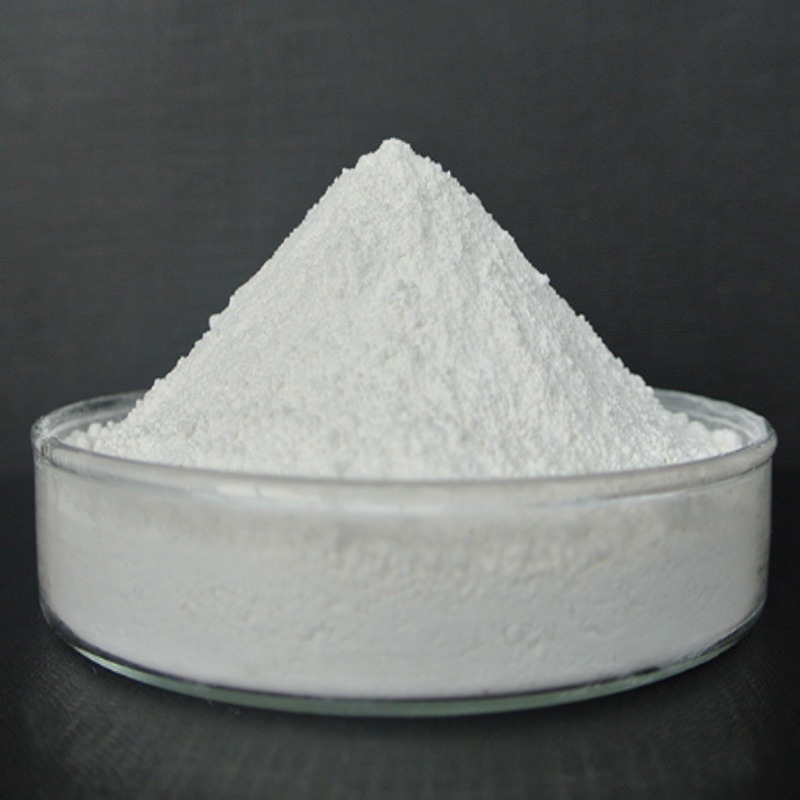
Aluminum potassium sulfate dodecahydrate
(7784-24-9)-

Chemical Grade / 99%
$1/KG FOB
-

- / 99.00%
-

-

Industrial Grade / 100%


Request for quotation , get quotes from more suppliers.
More Information
Antiperspirants are designed to reduce perspiration. Their primary function is to inhibit the production of sweat, thereby minimizing moisture and odor in areas prone to sweating, such as the underarms.
The mechanism of antiperspirants involves the application of active ingredients, typically aluminum-based compounds like aluminum chloride or aluminum zirconium, to the skin. These compounds form a temporary plug within the sweat ducts, effectively reducing the flow of sweat to the skin's surface. By diminishing perspiration, antiperspirants help maintain dryness and freshness, enhancing comfort and confidence throughout the day.
Common ingredients used in antiperspirants include:
● Aluminum chloride: A potent antiperspirant agent.
● Aluminum zirconium: Another commonly used aluminum-based compound.
● Fragrance and skin conditioners: Additional ingredients are often included to provide a pleasant scent and soothe the skin.
Frequently Asked Questions
An astringent is a substance that causes the contraction of body tissues, typically used in skincare to tighten pores, reduce oiliness, and tone the skin. It works by precipitating proteins on the skin’s surface, creating a temporary tightening effect. Common ingredients include witch hazel, alcohol, alum, and tannins. Astringents are especially beneficial for oily or acne-prone skin types.
Astringents are primarily used to cleanse the skin, minimize the appearance of pores, control excess sebum production, and prepare the skin for moisturizers or treatments. They are also used post-shave to soothe irritation and reduce bleeding from minor nicks. In medical contexts, astringents may be applied to wounds or mucous membranes to reduce secretions and promote healing.
When selecting an astringent, consider your skin type and specific concerns:1. For oily or acne-prone skin, look for alcohol-based or salicylic acid-infused formulas.2. For sensitive skin, choose alcohol-free options with soothing ingredients like witch hazel or chamomile.3. Always patch-test new products and avoid overuse, which can lead to dryness or irritation.Reading ingredient labels and opting for dermatologist-tested products enhances safety and effectiveness.
Yes, several natural astringents are gentle enough for sensitive skin. Witch hazel, rose water, green tea extract, and apple cider vinegar (when properly diluted) are popular choices. These ingredients offer mild toning and anti-inflammatory benefits without harsh chemicals. However, even natural formulations should be used cautiously—always perform a patch test and consult a dermatologist if you have reactive or allergy-prone skin.
While both toners and astringents are used after cleansing, they differ in formulation and intensity. Astringents are typically stronger, often containing alcohol or potent active ingredients designed to deeply cleanse and tighten pores—ideal for oily or acne-prone skin. Toners are generally milder, hydrating, and pH-balancing, making them suitable for dry or sensitive skin. Choosing between them depends on your skin’s needs and tolerance.