




Surfactant
- • Industrial Surfactant (79)
- • Non-ionic Surfactants (89)
- • Amphoteric Surfactants (28)
- • Cationic Surfactants (54)
- • Anionic Surfactants (70)
- • Antistatic Agents (4)
Related News
-
China: Two pesticide adjuvants will be completely banned
2022-10-14 -
2020 International Surfactants and Detergents Exhibition held in Shanghai
2020-05-09 -
Chuanwei Chemical made breakthrough in the localization of surfactants
2020-04-10 -
Ajinomoto adding new production line for surfactants in Japan
2018-12-10 -
Future of Surfactants Summit North America
2018-05-29 -
Surfactants-Based Products to See Significant Growth
2018-04-02


Cationic Surfactants
Cationic Surfactants
Dodecyltrimethylammonium bromide
(1119-94-4)-

-

Pharmaceutical Grade / 99%
-

- / 99.00%
-

Reagent Grade / 99%
$8-9/KG FOB



Request for quotation , get quotes from more suppliers.
Tetrabutylammonium fluoride
(429-41-4)-

-

Pharmaceutical Grade / 99%
-

Reagent Grade / 99%
$9-10/KG FOB
-

Pharmaceutical Grade / 99%


Request for quotation , get quotes from more suppliers.
Tetradecyltrimethylammonium bromide
(1119-97-7)-

Industrial Grade / 99%
-

-

Pharmaceutical Grade / 99%
-

- / 99.00%


Request for quotation , get quotes from more suppliers.
Trioctylmethylammonium chloride
(5137-55-3)-
 99% CAS 5137-55-3")
-

Pharmaceutical Grade / 99%
-

Food grade / 99%
-

Reagent Grade / 99%
$20-22/KG FOB


Request for quotation , get quotes from more suppliers.
Trimethylstearylammonium Chloride
(112-03-8)-

- / 99.00%
-
 CAS 112-03-8 Stearyl Trimethyl Ammonium Chloride Cationic Sur")
Industrial Grade / 30%
-

- / 29%
-

Pharmaceutical Grade / 99%


Request for quotation , get quotes from more suppliers.
Dioctadecyl dimethyl ammonium chloride
(107-64-2)-

Industrial Grade / 99%
-

- / 99.00%
-
 CAS 107-64-2 Dioctadecyl Dimethyl Ammonium Chloride Cationic Surfa")
Industrial Grade / 73%
-

Industrial Grade / 96%


Request for quotation , get quotes from more suppliers.
Octadecyltrimethylammonium bromide
(1120-02-1)-

-

- / 99.00%
-

Pharmaceutical Grade / 99%
-

Pharmaceutical Grade / 99%


Request for quotation , get quotes from more suppliers.
Dromos
(119793-66-7)-

Pharmaceutical Grade / 99%
-

Industrial Grade / 98%
-

pharmaceutical grade/food grade / 95%
-

Food Grade / 98%


Request for quotation , get quotes from more suppliers.
Cetyl palmitate
(540-10-3)-

Cosmetics Grade / 99%
-

- / 99.00%
-

-

- / 0.00%


Request for quotation , get quotes from more suppliers.
Quaternary ammonium compounds, benzyl-C12-16-alkyldimethyl, chlorides
(68424-85-1)-

Pharmaceutical Grade / 99%
-

Industrial Grade / 99%
-

-

Pharmaceutical Grade / 99%

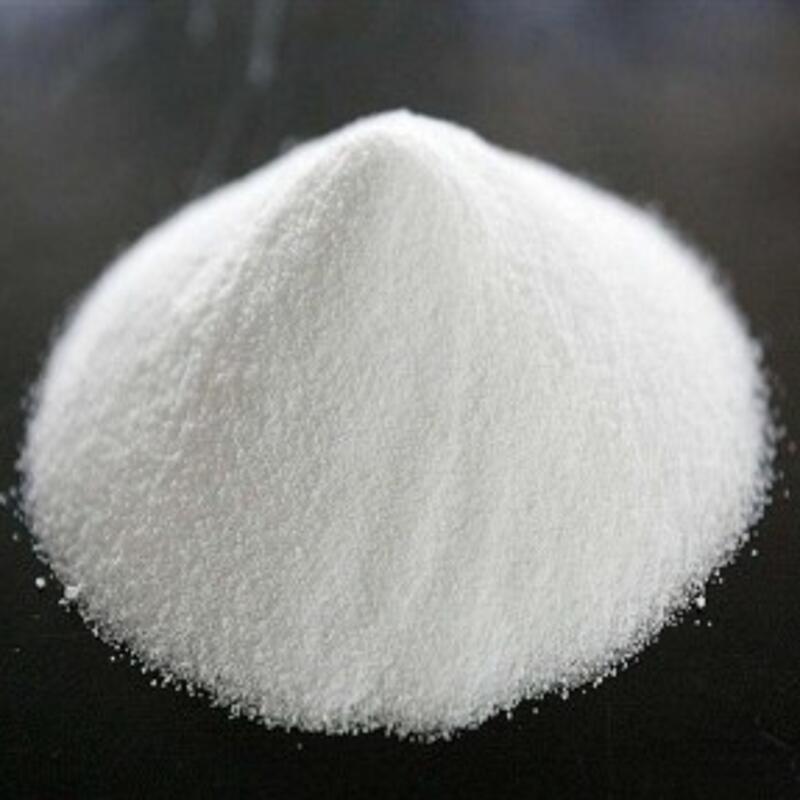

Request for quotation , get quotes from more suppliers.
More Information
The hydrochloride of hexadecyl amine was shown to have soap-like foaming qualities as early as 1896 by F. Kraft et al., but cationic surfactants have been used as antimicrobial agents since 1928. The cationic surfactants examples are dodecyl trimethylammonium chloride (112-00-5) and idecyl dimethyl ammonium chloride (7173-51-5).
Here is common cationic surfactants list:
● Quaternary ammonium salts: such as hexadecyltrimethylammonium bromide (112-02-7), etc. These have good solubility and emulsifying properties and are commonly used as wetting agents and emulsifiers.
● Amino surfactants: such as hexadecylamine. They have good wetting properties and are commonly used for wetting.
● Acetylamine-based surfactants: such as C16 aminoaldehyde. They have good emulsifying and dispersing properties and are commonly used in industries such as dyes, coatings, and paints.
Frequently Asked Questions
Cationic surfactants are surface-active agents that carry a positive charge on their hydrophilic head group. They work by reducing surface tension between liquids or between a liquid and a solid, enabling better wetting, emulsifying, and antimicrobial action. Commonly used in disinfectants, fabric softeners, and personal care products, cationic surfactants like quaternary ammonium compounds (quats) bind effectively to negatively charged surfaces such as bacteria, hair, or fabrics.
Cationic surfactants are widely used across multiple industries due to their unique properties:1. In personal care, they act as conditioning agents in shampoos and conditioners.2. In household and industrial cleaning, they serve as disinfectants and sanitizers.3. In textiles, they function as antistatic and softening agents.4. In water treatment, they aid in flocculation and microbial control.Their versatility makes them essential in formulations requiring antimicrobial activity or surface adhesion.
The key difference lies in the charge of the hydrophilic head group. Cationic surfactants carry a positive charge, making them effective against negatively charged microbes and surfaces. Anionic surfactants have a negative charge and are strong cleaners (e.g., in detergents), while nonionic surfactants are uncharged and often used for their stability in hard water and low foaming properties. Due to their charge, cationic surfactants are generally not mixed with anionic types, as this can cause precipitation and loss of efficacy.
When sourcing cationic surfactants, consider the following factors:1. Purity and concentration—ensure the product meets technical or pharmaceutical grade standards if required.2. Regulatory compliance—verify adherence to REACH, EPA, or FDA guidelines depending on the application.3. Supplier reliability—including certifications like ISO 9001 or GMP, consistent quality control, and supply chain transparency.4. Compatibility—with other ingredients in your formulation to avoid destabilization or reduced performance.Selecting a reputable supplier ensures both performance and regulatory safety.
Yes, cationic surfactants are generally safe when used as directed in approved concentrations. Widely used in cosmetics, hair conditioners, and disinfectants, they undergo rigorous safety assessments by regulatory bodies like the FDA and EU SCCS. However, some types (e.g., benzalkonium chloride) may cause skin or eye irritation at high concentrations. Always follow formulation guidelines and conduct patch testing where appropriate to ensure consumer safety and product compatibility.