




Food Additives
- • Coating Agent (19)
- • Preservative (33)
- • Coloring Agent (41)
- • Gum Base Agent (25)
- • Anticaking Agent (7)
- • Food Antioxidants (41)
- • Enzyme (49)
- • Flour Treatment Agent (4)
- • Leavening Agent (1)
- • Bleach (3)
- • Other Food Additives (88)
- • Emulsifier (24)
- • Food Flavorings (31)
- • Water Retention Agent (1)
- • Acidity Regulators (8)
- • Sweeteners (36)
- • Stabilizer and Coagulants (4)
- • Defoamers (5)
- • Nutrition Supplements (172)
- • Thickener (29)
- • Odorants (29)
- • Colorant (16)
Related News
-
Hi & Fi Asia-China concluded successfully, and ECHEMI gained a lot from participating in the exhibition!
2024-06-21 -
An organic acid with a natural sour taste and antiseptic properties - lactic acid
2024-06-04 -
Citric acid, a widely used food additive
2024-06-04 -
Chinese National Health Commission Unveiling Innovative Food Additions: Paraguayan Holly Leaves, Yeast Protein, and Catechins Hit the Shelves
2023-12-15 -
Health Canada Grants Approval for Allura Red as a Food Additive in Fruit-Flavored Beer
2023-12-13 -
Daiya Foods Embraces Dairy-like Culturing Methods As It Unleashes Reformulated Plant-based Cheese
2023-12-12


Colorant Featured Products
Colorant
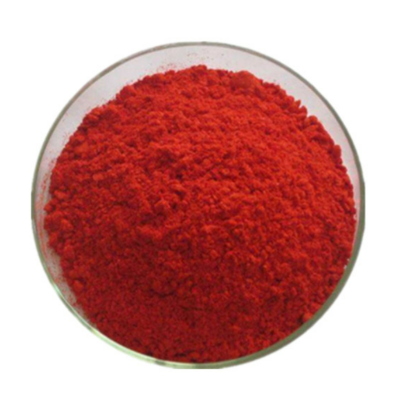
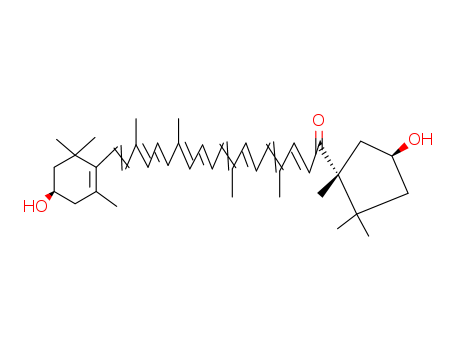
Capsanthin
(465-42-9)-

Food Grade / 98%
-

food grade / -
-

- / 99.00%
-

Pharmaceutical Grade / 99%

Request for quotation , get quotes from more suppliers.
Caramel (color)
(8028-89-5)-

Food Grade / 99%
-

Food Grade / 99.9%
$1118.88/MT EXW
-

Food Grade / -
-

Food Grade / -




Request for quotation , get quotes from more suppliers.
-
![buy disodium 4,4'-[[2,4-dihydroxy-5-(hydroxymethyl)-1,3-phenylene]bis(azo)]bisnaphthalene-1-sulphonate 4553-89-3 solid 98% Dideu]( "disodium 4,4'-[[2,4-dihydroxy-5-(hydroxymethyl)-1,3-phenylene]bis(azo)]bisnaphthalene-1-sulphonate 4553-89-3 solid 98% Dideu")
Food Grade / 98%
-
")
Food Grade / 72.15%
-

Food Grade / 28%
-

USP / EP / BP / JP Grade / 99%
$10/KG FOB
![buy disodium 4,4'-[[2,4-dihydroxy-5-(hydroxymethyl)-1,3-phenylene]bis(azo)]bisnaphthalene-1-sulphonate 4553-89-3 solid 98% Dideu](https://file.echemi.com/fileManage/upload/goodpicture/20231023/2-2-di-n-propylacetyl-chloride-powder-2936-08-5-99-dideu_b20231023170218251.jpg "disodium 4,4'-[[2,4-dihydroxy-5-(hydroxymethyl)-1,3-phenylene]bis(azo)]bisnaphthalene-1-sulphonate 4553-89-3 solid 98% Dideu")



Request for quotation , get quotes from more suppliers.
C.I. Natural Yellow 5
(1401-20-3)-

Food Grade / 98%
-

USP / EP / BP / JP Grade / 99%
$10/KG FOB
-
![buy 1401-20-3 (E)-3-(4-hydroxyphenyl)-1-[3,4,6-trihydroxy-2-[(3R,4S,5S,6R)-3,4,5-trihydroxy-6-(hydroxymethyl)oxan-2-yl]oxyphenyl]prop-2-en-1-one]( "1401-20-3 (E)-3-(4-hydroxyphenyl)-1-[3,4,6-trihydroxy-2-[(3R,4S,5S,6R)-3,4,5-trihydroxy-6-(hydroxymethyl)oxan-2-yl]oxyphenyl]prop-2-en-1-one")
Industrial Grade / 95%
-


![buy 1401-20-3 (E)-3-(4-hydroxyphenyl)-1-[3,4,6-trihydroxy-2-[(3R,4S,5S,6R)-3,4,5-trihydroxy-6-(hydroxymethyl)oxan-2-yl]oxyphenyl]prop-2-en-1-one](https://file.echemi.com/fileManage/upload/goodpicture/20240724/1401-20-3-e-3-4-hydroxyphenyl-1-3-4-6-trihydroxy-2-3r-4s-5s-6r-3-4-5-trihydroxy-6-hydroxymethyloxan-2-yloxyphenylprop-2-en-1-one_b20240724085845108.png "1401-20-3 (E)-3-(4-hydroxyphenyl)-1-[3,4,6-trihydroxy-2-[(3R,4S,5S,6R)-3,4,5-trihydroxy-6-(hydroxymethyl)oxan-2-yl]oxyphenyl]prop-2-en-1-one")
Request for quotation , get quotes from more suppliers.
Frequently Asked Questions
A colorant is a substance used to impart color to materials such as plastics, textiles, paints, inks, food, and cosmetics. Colorants include both dyes (soluble) and pigments (insoluble). In industrial settings, they are selected based on factors like lightfastness, heat stability, and compatibility with the base material. Proper selection ensures consistent color quality and product performance across various manufacturing processes.
Dyes are soluble colorants that chemically bond to substrates, offering vibrant hues and uniform coloring—commonly used in textiles and food. Pigments, on the other hand, are insoluble particles dispersed in a medium, providing opacity and better resistance to heat, light, and chemicals—widely used in paints, plastics, and printing inks. The choice between dye and pigment depends on the application’s performance requirements and regulatory compliance.
Selecting the right colorant involves evaluating several key criteria:1. Application type (e.g., food, cosmetics, plastics, or coatings).2. Regulatory approval (e.g., FDA, EU E-number, REACH compliance).3. Performance properties such as UV resistance, thermal stability, and pH tolerance.4. Compatibility with your base material or formulation.5. Environmental and safety considerations, including biodegradability and toxicity.Consulting technical data sheets and working with certified suppliers can help ensure optimal results.
Yes, the market offers a growing range of eco-friendly colorants derived from natural sources (e.g., plant-based dyes) or engineered for low environmental impact. These sustainable options often meet certifications like OEKO-TEX®, GOTS, or Cradle to Cradle. They are designed to reduce heavy metal content, minimize wastewater pollution, and comply with green chemistry principles—making them ideal for environmentally conscious brands in fashion, packaging, and personal care.
When sourcing industrial colorants, prioritize suppliers that adhere to internationally recognized quality and safety standards such as ISO 9001 (quality management), ISO 14001 (environmental management), and industry-specific regulations like FDA 21 CFR for food contact or EN 71-3 for toy safety. Batch-to-batch consistency, comprehensive documentation (including CoA and SDS), and third-party testing are also critical indicators of a reliable colorant supplier.