




Cosmetic Ingredient
- • Abrasive (124)
- • Absorbent (84)
- • Anticaking (66)
- • Anticorrosive (25)
- • Antifoaming (19)
- • Antimicrobials (291)
- • Antioxidant Ingredient (393)
- • Antiperspirant (20)
- • Antiplaque (48)
- • Anti-seborrheic (38)
- • Anti-sebum (38)
- • Antistatic (457)
- • Astringent (162)
- • Binding Agent (171)
- • Bleaching Agent (53)
- • Buffering (190)
- • Bulking (109)
- • Chelating (122)
- • Cleansing (680)
- • Cosmetic Colorant (212)
- • Cosmetic Preservative (158)
- • Denaturant (45)
- • Deodorant (98)
- • Depilatory (27)
- • Dissolving Agent (297)
- • Emollient (795)
- • Emulsifying Agent (481)
- • Emulsion Stabilising (153)
- • Exfoliating (19)
- • Film Forming (299)
- • Flavouring (72)
- • Foam Boosting (161)
- • Foaming (101)
- • Fragrance Ingredient (732)
- • Gel Forming (19)
- • Hair Conditioning (672)
- • Hair Dyeing (363)
- • Hair Fixing (36)
- • Hair Waving or Straightening (45)
- • Humectant (281)
- • Hydrotrope (92)
- • Keratolytic (20)
- • Light Stabilizer (77)
- • Moisturising Agent (50)
- • Nail Conditioning (42)
- • Occlusive (20)
- • Opacifying (119)
- • Oral Care (123)
- • Oxidising (19)
- • Perfuming (2106)
- • Plasticiser (98)
- • Propellant (19)
- • Reducing (51)
- • Refatting (12)
- • Refreshing (27)
- • Skin Cleansing (387)
- • Skin Conditioning (1747)
- • Skin Humectant (21)
- • Skin Protecting (281)
- • Smoothing (32)
- • Soothing (72)
- • Tonics (155)
- • UV Filter (33)
- • Viscosity Controlling (530)
Chemicals as Skincare Ingredients
Related News
-
EAEU Initiates Review of Anti-Dumping Measures on Chinese Titanium Dioxide, Suspends Duties During Investigation
2026-08-14 -
US Tariff Pressure on Canada Raises Risks for North American Chemical Supply Chains
2026-08-22 -
Premium Global Chemical Sourcing Requests (17-19Aug, 2026)
2026-08-20 -
Premium Global Chemical Sourcing Requests (13-16Aug, 2026)
2026-08-17 -
Premium Global Chemical Sourcing Requests (10-12Aug, 2026)
2026-08-13 -
Business Society’s Market Outlook for Acrylic Acid on August 19, 2026: Weak Rebound
2026-08-19


Cosmetic Preservative
Cosmetic Preservative
Glutaraldehyde
(111-30-8)2. Contains variable amounts of polymer.1
3. Cross-linking agent for gelatin,1,2 poly(vinyl alcohol),3 and polyheptapeptides.4
4. Glutaraldehyde is used to disinfect medical and dental equipment. Glutaraldehyde is also used for industrial water treatment and as a preservative.
-

Industrial Grade / 99%
-

-

Pharmaceutical Grade / 50%
-

- / 50%


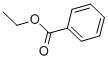
Ethyl benzoate
(93-89-0)-

Industrial Grade / 99%
-

-

- / 99.00%
-

- / 99.00%


Stearyldimethylbenzylammonium chloride
(122-19-0)-

Chemical Grade / 98%
$1/KG FOB
-

- / 99.00%
-

-

Pharmaceutical Grade / 99%


Request for quotation , get quotes from more suppliers.
Hexadecyltrimethylammonium bromide
(57-09-0)-

Industrial Grade / 99%
-

-

-

Pharmaceutical Grade / 99%


Request for quotation , get quotes from more suppliers.
-

Cosmetics Grade / 99%
-

-

- / 99.00%
-

Different Grade / 99.9%
$0.1/KG EXW


Request for quotation , get quotes from more suppliers.
-

Industrial Grade / 99%
-

- / 99.00%
-

Different Grade / 99.9%
$0.1/KG EXW
-

Food grade / 99%
$1/KG EXW



Request for quotation , get quotes from more suppliers.
DMDM Hydantoin
(6440-58-0)-
 ; Dmdm Hydantoin 99% Colorless to slightly yellow liquid")
Cosmetics Grade / 99%
-

Cosmetics Grade / 99%
$8600-9300/MT FOB
-

Cosmetics Grade / 55%
$1460-1751/MT FOB
-

Cosmetics Grade / 55%
$2.71-2.91/KG FOB


Request for quotation , get quotes from more suppliers.
Chlorhexidine hydrochloride
(3697-42-5)-

-

-

- / 0.00%
-

- / 99.00%


Request for quotation , get quotes from more suppliers.
Potassium benzoate
(582-25-2)-

- / 0.00%
-

- / 99.00%
-

Top Product / 99%
-

Pharmaceutical Grade / 99%


Request for quotation , get quotes from more suppliers.
Dodecyltrimethylammonium chloride
(112-00-5)-

Cosmetics Grade / 99%
$1/KG EXW
-

Industrial Grade / 99%
-

- / 0.00%
-

- / 99.00%


Request for quotation , get quotes from more suppliers.
More Information
Microorganisms refer to tiny organisms that are invisible or barely visible to the naked eye (<0.1mm). They include single-celled organisms or multicellular structures with simple individual cells, as well as lower organisms lacking cellular structures.
Cosmetic products often contain complex ingredients such as oils, proteins, vitamins, carbohydrates, fatty acids, inorganic salts, minerals, etc., providing an excellent environment for microbial growth. Excessive microbial contamination can pose significant risks to consumers. Therefore, preservatives are essential in cosmetics.
Commonly used preservatives include:
•Phenoxyethanol
•Methylparaben
•Benzoic acid/Sodium benzoate
Frequently Asked Questions
A cosmetic preservative is an ingredient added to personal care and beauty products to prevent the growth of bacteria, mold, and yeast. It helps extend shelf life, maintain product integrity, and ensure consumer safety. Without effective preservatives, water-based formulations like lotions, creams, and shampoos can become contaminated, leading to spoilage or skin irritation.
Common cosmetic preservatives include parabens (e.g., methylparaben, propylparaben), phenoxyethanol, benzyl alcohol, potassium sorbate, sodium benzoate, and newer alternatives like ethylhexylglycerin and caprylyl glycol. Each type has specific efficacy profiles, pH compatibility, and regulatory considerations. Formulators choose based on product type, desired shelf life, and compliance with regional cosmetic regulations such as EU Annex V or FDA guidelines.
'Paraben-free' does not automatically mean safer. Parabens have been extensively studied and are approved for use within regulated concentration limits by agencies like the FDA and the European Commission. However, due to consumer demand for 'clean beauty,' many brands opt for alternative preservative systems. These alternatives must still undergo rigorous safety and efficacy testing to ensure they adequately protect the product without causing sensitization or instability.
Selecting the right cosmetic preservative involves evaluating several factors:1. Product type (water-based vs. anhydrous),2. pH range and ingredient compatibility,3. Required microbial protection spectrum (bacteria, fungi, yeast),4. Regulatory compliance in target markets,5. Consumer perception and marketing claims (e.g., natural, organic, or preservative-free).It’s advisable to conduct challenge testing (preservative efficacy testing) to validate performance under real-world conditions.
Natural and organic cosmetics can be preserved using approved 'natural-origin' preservatives such as radish root ferment filtrate, leucidal liquid, or blends of rosemary extract and glyceryl caprylate. However, these systems often offer narrower antimicrobial coverage and may require strict manufacturing hygiene, airless packaging, or shorter shelf lives. Efficacy must be confirmed through preservative efficacy testing (PET) to meet safety standards and avoid product recalls.