




Related News
-
Huntsman to Sell Textile Dyeing Unit for $718 Million
2022-08-12 -
Prices of dyes and chemicals are soaring. Industry can't stand idly by.
2019-05-06 -
Brief Analysis of Reactive Dyes Market
2017-09-27 -
50 Printing and Dyeing Mills to Halt Production for Two Days in Xintang
2017-09-21 -
Regulation on Printing and Dyeing Industry Released
2017-09-18 -
Some Dyeing Mills Restarted After the Inspection
2017-09-18


Dye Featured Products
Dye
Direct Red 23
(3441-14-3)-

Industrial Grade / 0%
-
")
-

-


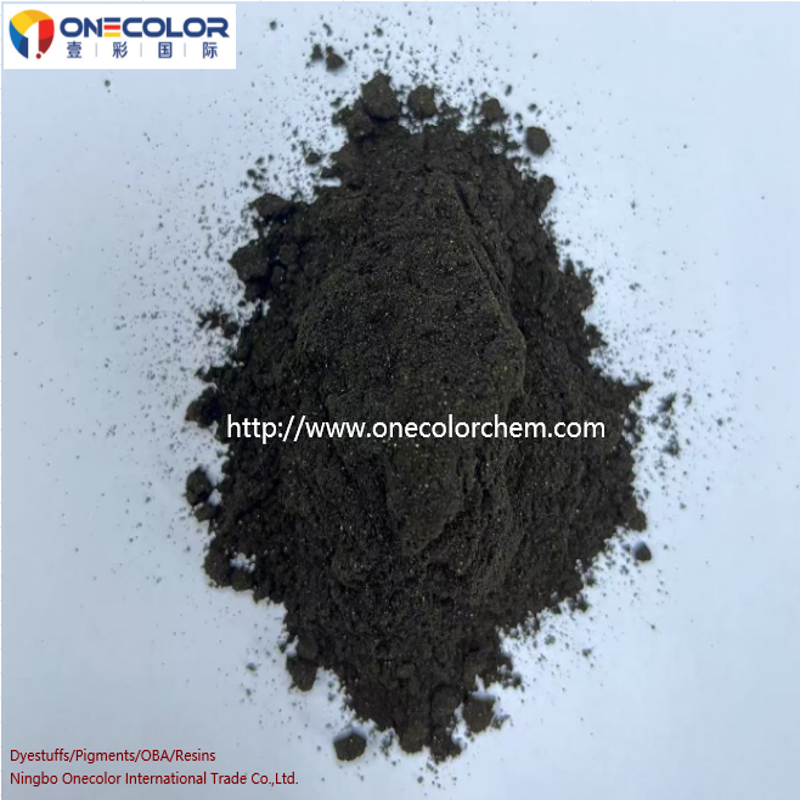

Request for quotation , get quotes from more suppliers.
Direct Yellow 12
(2870-32-8)-

-

Pharmaceutical Grade / 99%
-

- / 99.00%
-

Industrial Grade / -



Request for quotation , get quotes from more suppliers.
Disperse Red 9
(82-38-2)-

Industrial Grade / 99.0%
-

-

Industrial Grade / 99%
-

- / 99.00%

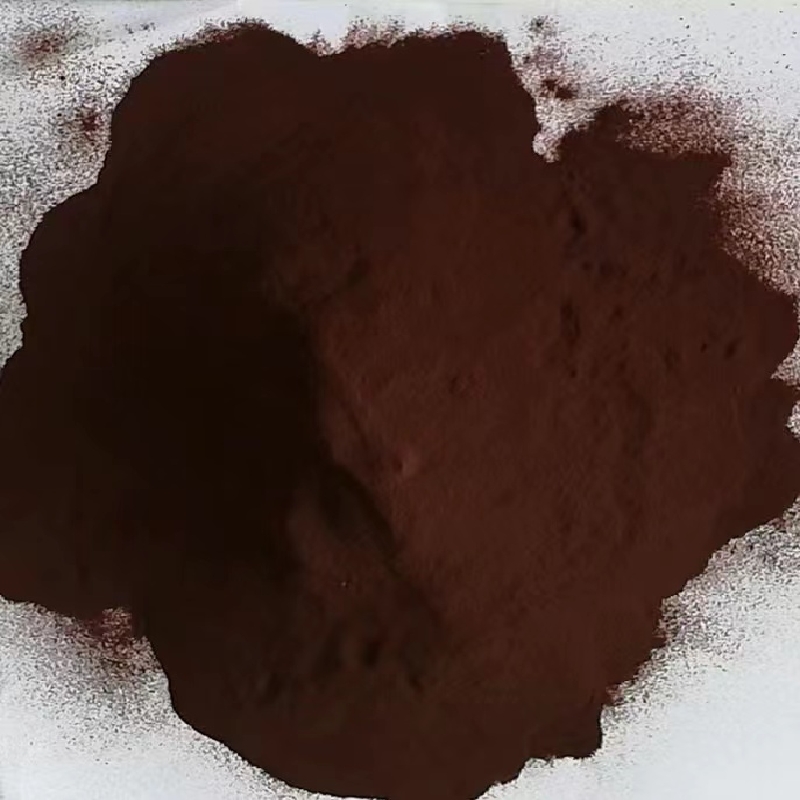


Request for quotation , get quotes from more suppliers.
Disperse Violet 28
(81-42-5)-

Industrial Grade / 90%
-

Industrial Grade / 99%
-

-


Request for quotation , get quotes from more suppliers.
Direct Blue 86
(1330-38-7)-

-

Industrial Grade / 99.0%
-

-


Request for quotation , get quotes from more suppliers.
Source Dye Products Supply
Direct Blue 71
(4399-55-7)

Request for quotation , get quotes from more suppliers.
-

-

Industrial Grade / 99%
-

-


Request for quotation , get quotes from more suppliers.
Direct Black 19
(6428-31-5)-

Industrial Grade / -
-

-
")
-

Industrial Grade / 99%


Request for quotation , get quotes from more suppliers.
Direct Blue 199
(12222-04-7)-

Industrial Grade / 99.0%
-

-

-



Request for quotation , get quotes from more suppliers.
Direct Orange 26
(3626-36-6)

Request for quotation , get quotes from more suppliers.
Source Dye Raw Materials by Region

Frequently Asked Questions
Dyes are colored substances that chemically bond to the substrate they are applied to, commonly used in textiles, paper, leather, food, and cosmetics. Unlike pigments, dyes are typically soluble in water or other solvents. In industrial settings, dyes serve not only aesthetic purposes but also functional roles such as pH indicators, biological staining, and optical brightening. Selecting the right dye depends on the material being dyed, required colorfastness, and environmental regulations.
Natural dyes are derived from plant, animal, or mineral sources—such as indigo, cochineal, or turmeric—and have been used for centuries. Synthetic dyes, developed since the mid-19th century, are chemically manufactured and offer a broader color range, higher consistency, and better durability. While natural dyes are often perceived as eco-friendly, synthetic dyes dominate industrial use due to cost-efficiency, reproducibility, and performance under varied conditions like washing, light exposure, and heat.
Choosing the right dye for textile manufacturing involves considering several factors:1. Fiber type (e.g., cotton, polyester, wool)—different fibers require specific dye classes like reactive dyes for cellulose or disperse dyes for synthetics.2. Desired colorfastness to washing, light, and rubbing.3. Environmental and safety compliance, including restrictions on azo dyes or heavy metals.4. Compatibility with your dyeing process (exhaust, pad-dry-cure, etc.).Consulting technical data sheets and working with certified dye suppliers ensures optimal performance and regulatory adherence.
Yes, sustainable dye options are increasingly available to meet environmental and regulatory demands. These include low-impact synthetic dyes certified by standards like OEKO-TEX® or GOTS, bio-based dyes derived from agricultural waste, and waterless dyeing technologies such as supercritical CO₂ dyeing. Many manufacturers now prioritize dyes with reduced chemical usage, biodegradability, and minimal wastewater discharge. Choosing eco-certified dyes supports both sustainability goals and compliance with global textile regulations.
When sourcing industrial dyes, key certifications to verify include:• OEKO-TEX® Standard 100 – ensures dyes are free from harmful substances.• REACH and ZDHC compliance – confirms adherence to EU chemical regulations and zero discharge of hazardous chemicals.• ISO 14001 – indicates the supplier follows robust environmental management practices.• GOTS (Global Organic Textile Standard) – required for organic textile production.These certifications help ensure product safety, regulatory compliance, and responsible supply chain practices.