




Agrochemicals
- • Biopesticides (18)
- • Herbicides (281)
- • Insecticides (362)
- • Fungicides (163)
- • Pesticide Intermediates (412)
- • Plant Growth Regulators (57)
- • Fertilizers (24)
Related News
-
Renaissance BioScience Receives Genome BC Funding to Extend RNAi Biopesticide Platform to Target Soil-Dwelling Crop Pests
2026-07-29 -
DBN and MOLBREEDING signed a strategic cooperation agreement to carry out in-depth cooperation in six areas such as the integration of transgenic corn traits
2024-08-06 -
Brazil's Agriconnection uses a new model to import and direct sell pesticides, with revenue exceeding $340 million
2024-08-05 -
China's insecticide import and export data for June
2024-08-02 -
Jiangsu TrustChem’s degradable pesticide packaging bottle won the domestic and international invention patent authorization
2024-08-01 -
Hymexazol was expanded to bean and zucchini in China
2024-07-31


Pesticide Intermediates Featured Products
Pesticide Intermediates
Trifluoroacetic anhydride
(407-25-0)-

Industrial Grade / 99%
$1-1.1/KG FOB
-

-

Pharmaceutical Grade / 99.99%
-

Industrial Grade / 99%

Request for quotation , get quotes from more suppliers.
Thiosemicarbazide
(79-19-6)-

Industrial Grade / 99%
-

-

- / 99.00%
-

Reagent Grade / 99%
$8-9/KG FOB


Request for quotation , get quotes from more suppliers.
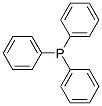
Triphenylphosphine
(603-35-0)-

Industrial Grade / 99.5%
-

Pharmaceutical Grade / 99.99%
-

Different Grade / 99.9%
$0.1/KG EXW
-

Industrial Grade / 99%

-

Industrial Grade / 99%
-

- / 99.00%
-

Industrial Grade / 98%
-

Industrial Grade / 99%


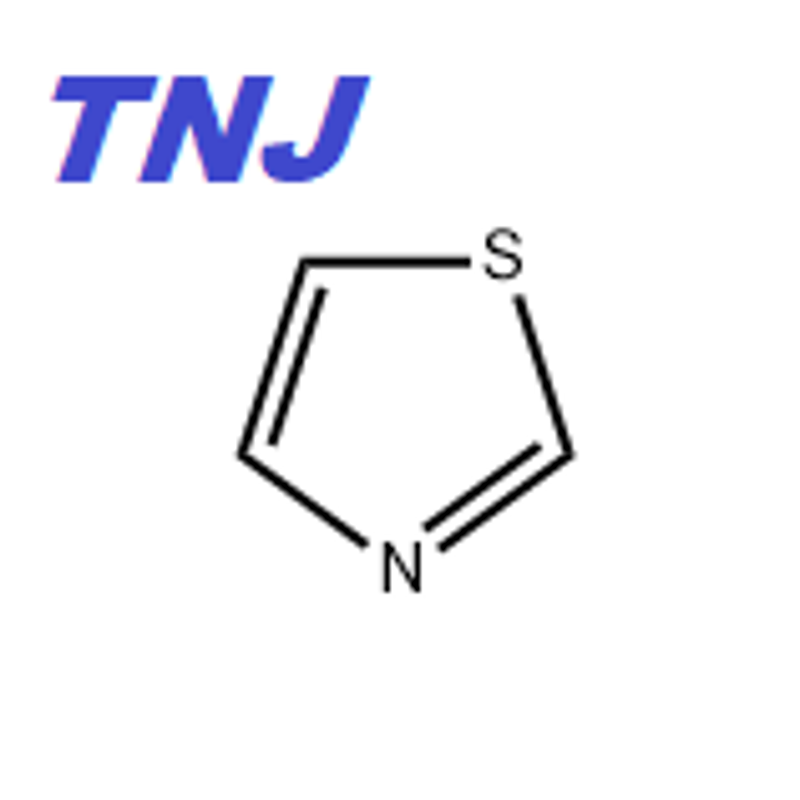
Trimethylolpropane
(77-99-6)-

Different Grade / 99.9%
$0.1/KG EXW
-
PROPANE 99% solid Dideu")
Industrial Grade / 99%
-

- / 0.00%
-

- / 99.00%


Source Pesticide Intermediates Products Supply
Tosylmethyl isocyanide
(36635-61-7)-

Chemical Grade / 99%
-

- / 98%
-

Pharmaceutical Grade / 99%
-

- / 99.00%


Request for quotation , get quotes from more suppliers.
Trimethyl phosphate
(512-56-1)-

Industrial Grade / 99%
-

- / 0.00%
-

Industrial Grade / -
-

- / 99.00%


Trimethyl orthoacetate
(1445-45-0)-

Industrial Grade / -
$2500/Unit EXW
-

pharmaceutical grade / 99%
-

-



Request for quotation , get quotes from more suppliers.
Triethyl orthoacetate
(78-39-7)-

- / 99.00%
-

Industrial Grade / 99%
-

- / 99.00%
-

Industrial Grade / 99%
$0.1/KG FOB



Request for quotation , get quotes from more suppliers.
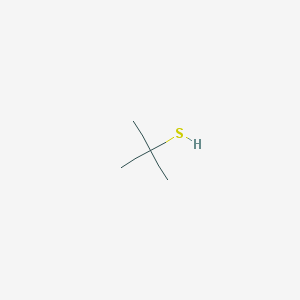
tert-Butyl mercaptan
(75-66-1)-

Pharmaceutical Grade / 99%
-

Industrial Grade / 99%
-

Industrial Grade / 99%
-

Industrial Grade / 99%

Request for quotation , get quotes from more suppliers.
Source Pesticide Intermediates Raw Materials by Region


More Information
Pesticide intermediates are chemical compounds utilized as fundamental components in the synthesis of pesticides, which are essential for crop protection and pest control in agriculture. These intermediates serve as the building blocks or precursors in the manufacturing process of pesticides.
The synthesis of pesticides typically involves a multi-step process wherein pesticide intermediates undergo various chemical reactions to form the active ingredients responsible for the pesticidal properties of the final product. These reactions may include processes such as condensation, alkylation, oxidation, reduction, and cyclization, among others.
Different classes of pesticide intermediates can be synthesized to target different types of pests, including insects, weeds, fungi, and pathogens. For example, intermediates containing nitrogen-containing functional groups may be utilized in the synthesis of insecticides, while those containing aromatic rings may be used in herbicides.
Common classes of pesticide intermediates include:
● Organophosphates
● Pyrethroids
● Carbamates
● Triazines and Triazoles
● Aryl halides
Frequently Asked Questions
Pesticide Intermediates are chemical compounds used in the synthesis of active ingredients in pesticides. They serve as essential building blocks during the manufacturing process of herbicides, insecticides, fungicides, and other agrochemical products. These intermediates are not final pesticide products themselves but play a critical role in ensuring the efficacy, stability, and safety of the end-use formulations.
The quality of Pesticide Intermediates directly impacts the performance, safety, and regulatory compliance of the final pesticide product. Impurities or inconsistencies in intermediates can lead to reduced effectiveness, environmental hazards, or failure to meet international standards such as ISO, REACH, or EPA guidelines. High-purity intermediates also ensure smoother synthesis processes and minimize waste, making quality control a top priority for manufacturers and buyers alike.
When selecting a supplier of Pesticide Intermediates, consider the following criteria:1. Regulatory compliance – Ensure the supplier adheres to global standards like GMP, ISO 9001, and relevant environmental regulations.2. Technical expertise – Look for suppliers with strong R&D capabilities and experience in agrochemical synthesis.3. Quality assurance – Verify their testing protocols, purity levels, and batch-to-batch consistency.4. Supply chain reliability – Assess their production capacity, lead times, and logistics support.5. Transparency – Reputable suppliers provide detailed documentation, including COA (Certificate of Analysis) and SDS (Safety Data Sheets).
Pesticide Intermediates are primarily used to manufacture active ingredients for crop protection products. Common applications include:1. Synthesis of pyrethroids and neonicotinoids for insect control.2. Production of triazole and strobilurin derivatives for fungicide formulations.3. Creation of glyphosate and sulfonylurea analogs for weed management.These intermediates enable the development of targeted, efficient, and environmentally optimized agrochemical solutions that support modern sustainable farming practices.
Yes, Pesticide Intermediates are subject to various international regulations depending on their chemical nature and end use. While intermediates themselves may not always be classified as pesticides, they often fall under chemical control frameworks such as REACH (EU), TSCA (USA), and PIC (Prior Informed Consent). Additionally, manufacturers exporting to regulated markets must comply with labeling, safety data, and traceability requirements. Working with certified suppliers ensures adherence to these evolving global standards.