Product
Supplier
Encyclopedia
Inquiry
Trifluoroacetic anhydride  407-25-0 buy - large image1
Trifluoroacetic anhydride  407-25-0 buy - image1
Trifluoroacetic anhydride  407-25-0 buy - image2
Trifluoroacetic anhydride  407-25-0 buy - image3
Trifluoroacetic anhydride  407-25-0 buy - image4
Trifluoroacetic anhydride  407-25-0 buy - image5
Trifluoroacetic anhydride  407-25-0 buy - image6

Trifluoroacetic anhydride 407-25-0

TDS 3 Inquiries

Unit Price: Get Latest Price
CAS No.:

407-25-0

Grade:

Industrial Grade

Content:

99%

Port:

SHANGHAI

Brand:

ZHISHANG

Packaging:

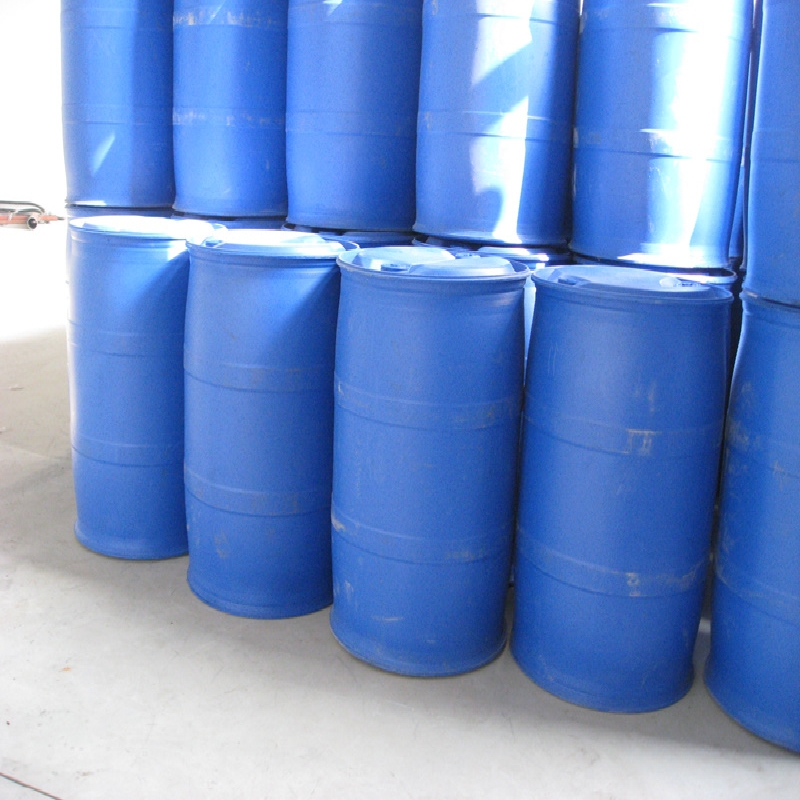
200L

Price valid (until):

2026-03-03

Company Type:
Manufactory
Location:
China
Qualification:
Main Products:

Agrochemicals,Daily Chemicals,Catalysts & Chemical Auxiliary Agents,Extract,Inorganic Chemicals,Organic Intermediate

  • Product Description

  • Seller Information

  • Inquiry History

  • Description


    Introduction
    Trifluoroacetic anhydride (TFAA) is a strong dehydrating agent with a wide range of chemical reactivity. It is used as a solvent, catalyst, dehydration condensation agent and retaining agent in the synthesis of various polymers and fine chemicals. It is widely used in dyes, photosensitive materials, liquid crystal display materials, aerospace technology, pesticides, medicines, polymer materials, etc. to improve the speed of polymerization reactions and the yield of products. It is also used as a derivative chemical reagent in gas chromatography and high-performance liquid chromatography for the detection of toxic metabolites and bacteriocins in livestock meat, fruits and vegetables. It has very good development and application prospects.

    Commonly used laboratory reagents
    Trifluoroacetic anhydride is a commonly used reagent in chemical laboratories. Because it has two strong electron-withdrawing groups, trifluoromethyl, in its structure, it is a relatively strong organic anhydride and its chemical properties are relatively active. Therefore, trifluoroacetic anhydride has a great use in organic synthesis. For example, trifluoroacetic anhydride can react with carboxylic acid to form the corresponding mixed anhydride (i.e., activated ester), which enhances the electrophilicity of the carbonyl group of the carboxylic acid and is less likely to be attacked by nucleophilic reagents. Because trifluoroacetic anhydride is hygroscopic, it can be used as a dehydrating reagent for some reactions. A mixture of trifluoroacetic anhydride and sodium iodide can be used as a reducing agent. A mixture of trifluoroacetic anhydride and dimethyl sulfoxide can be used as an oxidant. In addition, trifluoroacetic anhydride has some other uses in organic synthetic chemistry.

    Related chemical reactions
    Reaction with carboxylic acids Trifluoroacetic anhydride can react with carboxylic acids to form activated anhydrides, which greatly improve the electrophilic properties of carboxylic acids. For example, the activated anhydride generated by the reaction of trifluoroacetic acid with benzoic acid undergoes a Friedel-Crafts acylation reaction with methoxybenzene, with a yield of up to 98% (Formula 1). Dehydration reaction Trifluoroacetic anhydride can be used as a dehydrating agent in the presence of a weak base to dehydrate amides, oximes, hydroxy ketones or hydroxy acid esters to generate corresponding nitriles and unsaturated ketones or carboxylic acid esters; it can also oxidize vicinal diols and vicinal hydroxy acid derivatives to vicinal diketones. Commonly used weak bases include triethylamine, pyridine, 2,6-lutidine (Formula 2), etc.


    Introduction
    Trifluoroacetic anhydride (TFAA) is a strong dehydrating agent with a wide range of chemical reactivity. It is used as a solvent, catalyst, dehydration condensation agent and retaining agent in the synthesis of various polymers and fine chemicals. It is widely used in dyes, photosensitive materials, liquid crystal display materials, aerospace technology, pesticides, medicines, polymer materials, etc. to improve the speed of polymerization reactions and the yield of products. It is also used as a derivative chemical reagent in gas chromatography and high-performance liquid chromatography for the detection of toxic metabolites and bacteriocins in livestock meat, fruits and vegetables. It has very good development and application prospects.

    Commonly used laboratory reagents
    Trifluoroacetic anhydride is a commonly used reagent in chemical laboratories. Because it has two strong electron-withdrawing groups, trifluoromethyl, in its structure, it is a relatively strong organic anhydride and its chemical properties are relatively active. Therefore, trifluoroacetic anhydride has a great use in organic synthesis. For example, trifluoroacetic anhydride can react with carboxylic acid to form the corresponding mixed anhydride (i.e., activated ester), which enhances the electrophilicity of the carbonyl group of the carboxylic acid and is less likely to be attacked by nucleophilic reagents. Because trifluoroacetic anhydride is hygroscopic, it can be used as a dehydrating reagent for some reactions. A mixture of trifluoroacetic anhydride and sodium iodide can be used as a reducing agent. A mixture of trifluoroacetic anhydride and dimethyl sulfoxide can be used as an oxidant. In addition, trifluoroacetic anhydride has some other uses in organic synthetic chemistry.

    Related chemical reactions
    Reaction with carboxylic acids Trifluoroacetic anhydride can react with carboxylic acids to form activated anhydrides, which greatly improve the electrophilic properties of carboxylic acids. For example, the activated anhydride generated by the reaction of trifluoroacetic acid with benzoic acid undergoes a Friedel-Crafts acylation reaction with methoxybenzene, with a yield of up to 98% (Formula 1). Dehydration reaction Trifluoroacetic anhydride can be used as a dehydrating agent in the presence of a weak base to dehydrate amides, oximes, hydroxy ketones or hydroxy acid esters to generate corresponding nitriles and unsaturated ketones or carboxylic acid esters; it can also oxidize vicinal diols and vicinal hydroxy acid derivatives to vicinal diketones. Commonly used weak bases include triethylamine, pyridine, 2,6-lutidine (Formula 2), etc.

    Shop Trifluoroacetic anhydride  407-25-0-Detailed Image 1 Shop Trifluoroacetic anhydride  407-25-0-Detailed Image 2 Shop Trifluoroacetic anhydride  407-25-0-Detailed Image 3 Shop Trifluoroacetic anhydride  407-25-0-Detailed Image 4 Shop Trifluoroacetic anhydride  407-25-0-Detailed Image 5 Shop Trifluoroacetic anhydride  407-25-0-Detailed Image 6

    Items Specifications
    Appearance Colorless liquid
    Purity 99%


    Certificates
    • Trifluoroacetic anhydride  407-25-0 Certificates 1

    Basic Info
    Product Name:

    Trifluoroacetic anhydride

    Other Name:

    Acetic acid,2,2,2-trifluoro-,1,1′-anhydride;Acetic acid,trifluoro-,anhydride;Trifluoroacetic anhydride;Perfluoroacetic anhydride;Trifluoroacetic acid anhydride;Hexafluoroacetic anhydride;Trifluoroacetyl anhydride;Bis(trifluoroacetic) anhydride;2,2,2-Trifluoroacetic anhydride;NSC 96965;(2,2,2-Trifluoroacetyl) 2,2,2-trifluoroacetate

    CAS No.:

    407-25-0

    Molecular Formula:

    C4F6O3

    InChIKeys:

    InChIKey=QAEDZJGFFMLHHQ-UHFFFAOYSA-N

    Molecular Weight:

    210.03100

    Exact Mass:

    210.03

    EC Number:

    206-982-9

    UNII:

    5ENA87IZHT

    NSC Number:

    96965

    HScode:

    29159080

    Characteristics
    PSA:

    43.37000

    XLogP3:

    1.18080

    Appearance:

    Liquid

    Density:

    1.490 g/cm3 @ Temp: 25 °C

    Melting Point:

    -65 °C

    Boiling Point:

    39.5 °C

    Flash Point:

    -26ºC

    Refractive Index:

    1.269

    Water Solubility:

    Hydrolysis

    Storage Conditions:

    2-8ºC

    Vapor Pressure:

    6.28 psi ( 20 °C)

    Toxicity:

    skn-rbt 500 mg/24H SEV 28ZPAK -,91,72

    Hazard Identification

    Classification of the substance or mixture

    Skin corrosion, Sub-category 1A

    Acute toxicity - Category 4, Inhalation

    Hazardous to the aquatic environment, long-term (Chronic) - Category Chronic 3

    GHS label elements, including precautionary statements

    Pictogram(s)

    Signal word

    Danger

    Hazard statement(s)

    H314 Causes severe skin burns and eye damage

    H332 Harmful if inhaled

    H412 Harmful to aquatic life with long lasting effects

    Precautionary statement(s)
    Prevention

    P260 Do not breathe dust/fume/gas/mist/vapours/spray.

    P264 Wash ... thoroughly after handling.

    P280 Wear protective gloves/protective clothing/eye protection/face protection/hearing protection/...

    P261 Avoid breathing dust/fume/gas/mist/vapours/spray.

    P271 Use only outdoors or in a well-ventilated area.

    P273 Avoid release to the environment.

    Response

    P301+P330+P331 IF SWALLOWED: Rinse mouth. Do NOT induce vomiting.

    P363 Wash contaminated clothing before reuse.

    P304+P340 IF INHALED: Remove person to fresh air and keep comfortable for breathing.

    P316 Get emergency medical help immediately.

    P321 Specific treatment (see ... on this label).

    P305+P351+P338 IF IN EYES: Rinse cautiously with water for several minutes. Remove contact lenses, if present and easy to do. Continue rinsing.

    P317 Get medical help.

    Storage

    P405 Store locked up.

    Disposal

    P501 Dispose of contents/container to an appropriate treatment and disposal facility in accordance with applicable laws and regulations, and product characteristics at time of disposal.

    Other hazards which do not result in classification

    no data available

    Handling and Storage

    Precautions for safe handling

    Handling in a well ventilated place. Wear suitable protective clothing. Avoid contact with skin and eyes. Avoid formation of dust and aerosols. Use non-sparking tools. Prevent fire caused by electrostatic discharge steam.

    Conditions for safe storage, including any incompatibilities

    Store the container tightly closed in a dry, cool and well-ventilated place. Store apart from foodstuff containers or incompatible materials.

  • Seller Information
    Business Type:

    Manufactory

    Main Products:

    Agrochemicals,Daily Chemicals,Catalysts & Chemical Auxiliary Agents,Extract,Inorganic Chemicals,Organic Intermediate

    Location:

    hisense intelligence valley,no 2116,of phoenix road

    Payment Terms:

    TT against copy of documents,D/P,L/C

    Average lead Time:

    7

    Total Annual Revenue:

    Less than $1 million

    Total Employees:

    11-50

    Year of Establishment:

    2017

     SHANDONG LOOK CHEMICAL CO.LTD, a new chemical enterprise in researching, manufacturing and supplying of chemicals located in beautiful “Spring City”-Jinan.Our company mainly working on the researching new-born APIs, intermediate ( especially Carbohydrate derivatives series). Meanwhile, we made huge breakthrough in industries of food, feed additives, cosmetics ,dye and industrial chemicals. Our company enjoyed great reputation both domestic and abroad under the belief of “Integrity management,Quality controlling and Customer orientation”.  Web : www.chinalookchemical.com 

        We had been cooperated with NingXia University and Shandong University on more than ten projects for years and which had been in mass production on the market. We now have more than 80 people in our team and built research center in Jinan and Ningxia. Our manufacturing site allocated in chemical industry parks of Zhangqiu, Heze, Dezhou and Ningxia Fine Chemical Park. We strictly complying with ISO9001 and ISO 2000 standard in manufacturing process, our lab and workshop tightly in accordance with GMP standard.Our products best selling in Europe, South and North America,Asia pacific area and Africa. We sincerely welcome new and regular customers around the world visit us for business negotiation.

  • Inquiry History
    3 Inquiries
    Country Product Purchase Quantity Date Posted
    India

    Trifluoroacetic Anhydride

    10.00 KG Aug 8, 2025
    India

    Trifluoroacetic anhydride

    500 KG Apr 30, 2025
    Russia

    Trifluoroacetic anhydride

    50 KG Aug 1, 2023
    Post an enquiry for this product
pic ×

Scan the QR Code to Share

All products displayed on this website are only for non-medical purposes such as industrial applications or scientific research, and cannot be used for clinical diagnosis or treatment of humans or animals. They are not medicinal or edible.

According to relevant laws and regulations and the regulations of this website, units or individuals who purchase hazardous materials should obtain valid qualifications and qualification conditions.

The information shown above is provided by the enterprise itself, and the authenticity, accuracy and legitimacy of the content are the responsibility of the publishing company. ECHEMI does not bear any guarantee responsibility for this. Please be aware that risks in internet transactions objectively exist.

Feedback & Suggestions
Send Message

Thank you for your feedback. If you require further assistance, please contact us by email at info@echemi.com or call us at +86-532-55729510.