




Cosmetic Ingredient
- • Abrasive (124)
- • Absorbent (84)
- • Anticaking (66)
- • Anticorrosive (25)
- • Antifoaming (19)
- • Antimicrobials (290)
- • Antioxidant Ingredient (393)
- • Antiperspirant (20)
- • Antiplaque (48)
- • Anti-seborrheic (38)
- • Anti-sebum (38)
- • Antistatic (457)
- • Astringent (162)
- • Binding Agent (171)
- • Bleaching Agent (53)
- • Buffering (189)
- • Bulking (109)
- • Chelating (122)
- • Cleansing (680)
- • Cosmetic Colorant (212)
- • Cosmetic Preservative (158)
- • Denaturant (45)
- • Deodorant (97)
- • Depilatory (27)
- • Dissolving Agent (297)
- • Emollient (795)
- • Emulsifying Agent (481)
- • Emulsion Stabilising (153)
- • Exfoliating (19)
- • Film Forming (299)
- • Flavouring (72)
- • Foam Boosting (161)
- • Foaming (101)
- • Fragrance Ingredient (731)
- • Gel Forming (19)
- • Hair Conditioning (672)
- • Hair Dyeing (363)
- • Hair Fixing (36)
- • Hair Waving or Straightening (45)
- • Humectant (281)
- • Hydrotrope (92)
- • Keratolytic (20)
- • Light Stabilizer (77)
- • Moisturising Agent (50)
- • Nail Conditioning (42)
- • Occlusive (20)
- • Opacifying (119)
- • Oral Care (123)
- • Oxidising (19)
- • Perfuming (2106)
- • Plasticiser (98)
- • Propellant (19)
- • Reducing (51)
- • Refatting (12)
- • Refreshing (27)
- • Skin Cleansing (387)
- • Skin Conditioning (1747)
- • Skin Humectant (21)
- • Skin Protecting (281)
- • Smoothing (32)
- • Soothing (72)
- • Tonics (155)
- • UV Filter (33)
- • Viscosity Controlling (530)
Chemicals as Skincare Ingredients
Related News
-
Premium Global Chemical Sourcing Requests (3-6Sep.,2026)
2026-09-07 -
U.S. Formally Publishes India PFA Trade Cases, Raising New Barriers for Fluoropolymer Supply
2026-09-02 -
Supply Tightening Drives Up Phthalic Anhydride Prices, Further Increases May Face Obstacles in China
2026-09-05 -
Rising Raw Material Costs Drive Slight Increase in August Polyester Filament Market Prices
2026-09-01 -
Costs and Production Cuts Resonate: Polyester Staple Fiber Prices Fluctuate and Rise in August
2026-09-01 -
Acetic Acid Market Prices Show Strong Upward Trend
2026-09-01


Skin Protecting
Skin Protecting
Ursodeoxycholic acid
(128-13-2)2. Anticonvulsant
3. Anticholelithogenic; LD50(rat) 890 mg/kg ip
-

Cosmetics Grade / 98%
-

Pharmaceutical Grade / 99%
-
 CAS 128-13-2")
-

- / 99.00%


Inosine
(58-63-9)-

Pharmaceutical Grade / 99%
-

- / 0.00%
-

- / 99.00%
-

Industrial Grade / 98%


Request for quotation , get quotes from more suppliers.
Ginkgo biloba extract
(90045-36-6)Flavonoids in Ginkgo biloba has antioxidant activity, thus can be added as an antioxidant into fats and sweets. Total flavonoids are mostly yellow, and have a wide solubility spectrum including both water-solubility and lipid solubility, so it can play a role of coloring agent. People can process Ginkgo biloba into ultrafine powder and add into food. Grinding ginkgo leaf ultra-finely and adding to cakes, biscuits, noodles, candy, ice cream as 5% to 10% can
-

Medicine /cosmetic Grade / 24%
-

pharmaceutical grade/food grade / 99%
-

Pharmaceutical Grade / 99.0%
-

- / 99.00%


Request for quotation , get quotes from more suppliers.
-

Cosmetics Grade / 98%
-

-

- / 99.00%
-


Request for quotation , get quotes from more suppliers.
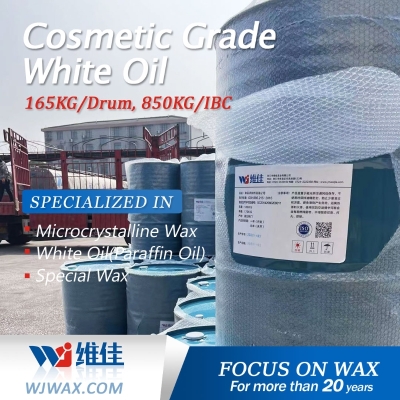
White mineral oil (petroleum)
(8042-47-5)-

Cosmetics Grade / 98%
-

Cosmetics Grade / 100%
$1/MT FOB
-

Cosmetics Grade / -
-

Cosmetic Grade / 99%


Request for quotation , get quotes from more suppliers.
Acetylneuraminic acid
(131-48-6)-

Cosmetics Grade / 99%
-

Cosmetics Grade / 0.00%
-

Cosmetics Grade / 98%
-


Request for quotation , get quotes from more suppliers.
Paraffin oils
(8012-95-1)-

Cosmetics Grade / 99%
$1750-2050/MT FOB
-

Cosmetics Grade / 99.50%
-

Cosmetic / -
-

Industrial Grade / 99%


Request for quotation , get quotes from more suppliers.
Dimethicone
(9006-65-9)-

Cosmetics Grade / 99%
-

Cosmetics Grade / 99%
-

Cosmetics Grade / -
-

Cosmetics Grade / 100%


Linseed oil
(8001-26-1)-

Cosmetics Grade / 99%
$3200-3800/MT FOB
-

-

-

- / 99.00%



Request for quotation , get quotes from more suppliers.
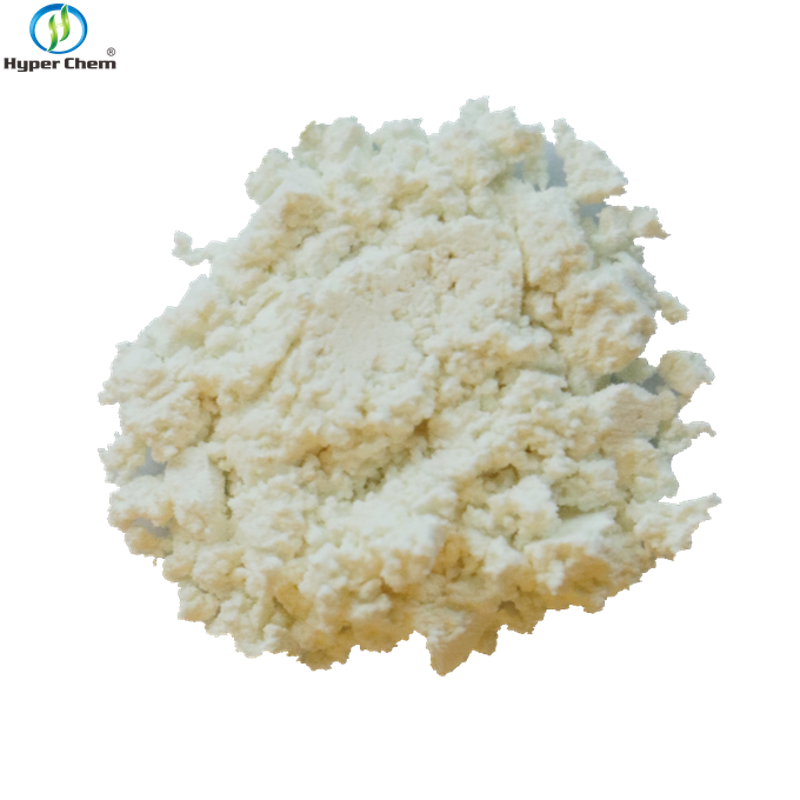
Copper(II) gluconate
(527-09-3)-
 Gluconate CAS 527-09-3")
-

- / 98.00%
-

Food Grade / -
-

Pharmaceutical Grade / 99%


Request for quotation , get quotes from more suppliers.
More Information
The skin, covering the surface of our entire body, protects various tissues and organs in the body from physical, mechanical, chemical and pathogenic microorganisms. The first and foremost condition for the skin to remain healthy is actually for the skin to be in a proper moisture retention range, which is the most basic condition for maintaining normal physiological functions of the skin.
To fend off external substances, our skin has developed a soft yet highly compact outer layer called the stratum corneum. This acts as a robust barrier against invading agents. Additionally, our skin boasts a resilient immune system and a protective microbial barrier to ward off harmful microorganisms. To shield against UV rays, which can lead to genetic damage and mutations, our skin has evolved melanin as a defense mechanism.
Common Skin Problems:
•Dryness
•Sagging skin
•Fine lines
•Acne
Frequently Asked Questions
Skin protecting agents are topical formulations or ingredients designed to create a physical barrier on the skin’s surface, shielding it from irritants, moisture loss, friction, and environmental aggressors. Common active ingredients include zinc oxide, petrolatum, dimethicone, and lanolin. These substances help maintain skin integrity, support natural healing, and prevent conditions like diaper rash, chafing, or occupational dermatitis.
Skin protectants are widely used in both clinical and daily skincare contexts. In healthcare, they treat or prevent incontinence-associated dermatitis, pressure ulcers, and post-procedure skin irritation. In personal care, they’re found in diaper rash creams, lip balms, hand creams for dry or cracked skin, and barrier ointments for outdoor workers or athletes. Their primary role is to reinforce the skin’s natural defense mechanism.
When selecting a skin protecting product for sensitive skin, look for hypoallergenic, fragrance-free, and non-comedogenic formulas. Ingredients like zinc oxide and medical-grade petrolatum are generally well-tolerated. Avoid products with alcohol, dyes, or harsh preservatives. It’s also advisable to check for dermatologist-tested labels or certifications such as FDA monograph compliance for over-the-counter skin protectants.
Yes, most skin protectants approved for over-the-counter or medical use are safe for long-term application when used as directed. Products containing inert, non-absorbing ingredients like petrolatum or zinc oxide pose minimal risk of systemic absorption or irritation. However, individuals with known allergies should review ingredient lists carefully, and persistent skin issues should be evaluated by a healthcare professional to rule out underlying conditions.
Buyers sourcing bulk skin protecting ingredients or finished formulations should prioritize:1. Regulatory compliance (e.g., FDA, EU Cosmetics Regulation, or pharmacopeial standards).2. Purity and quality documentation, including Certificates of Analysis (CoA) and GMP certification.3. Stability and compatibility with other formulation components.4. Supplier reliability, including scalability and technical support.Choosing reputable suppliers ensures product efficacy, safety, and consistency in end-use applications.