




Active Pharmaceutical Ingredients
- • Respiratory Drugs (114)
- • Hormones and the Endocrine System (279)
- • Antipyretic Analgesics (171)
- • Antiallergic Drugs (103)
- • Antiparasitic Drugs (130)
- • Antibiotics (545)
- • Antineoplastic Agents (294)
- • Anesthetic Agents (79)
- • Urinary System Drugs (52)
- • Other Chemical Drugs (947)
- • Synthetic Anti-infective Drugs (599)
- • Nervous System Drugs (349)
- • Fluid, Electrolyte, and Acid-base Balance (48)
- • Vitamins and Minerals Medicines (106)
- • Digestive System Drugs (197)
- • Blood System Drugs (85)
- • Circulatory System Drugs (426)
- • Diagnostic Agents (58)
- • Specialty Drugs (107)
- • Drug Metabolism (23)
- • Feed Additive (22)
- • Anti-stress Drugs (1)
- • Drugs Influencing Immune Function (14)
- • Veterinary Raw Materials (24)
- • Inhibitor Drugs (81)
Related News
-
At the API China 2024 Spectacle: A Grand Recap!
2024-10-18 -
The 89th API China & The 27th CHINA-PHARM Exhibition Opened
2024-06-05 -
Overview of China's API industry in 2023
2023-02-01 -
Global Analysis of Active Pharmaceutical Ingredient (API)
2023-01-28 -
Professional and technical dry goods: a brief discussion on the selection of starting materials for chemical synthesis APIs
2022-11-18 -
In 2021, India's Ibuprofen API Export Volume and Price will Fall
2022-06-20


Specialty Drugs Featured Products
Specialty Drugs
-

Pharmaceutical Grade / 99%
-

Pharmaceutical Grade / 99%
-

Pharmaceutical Grade / 99%
-

Pharmaceutical Grade / 99%
$16-20/KG FOB
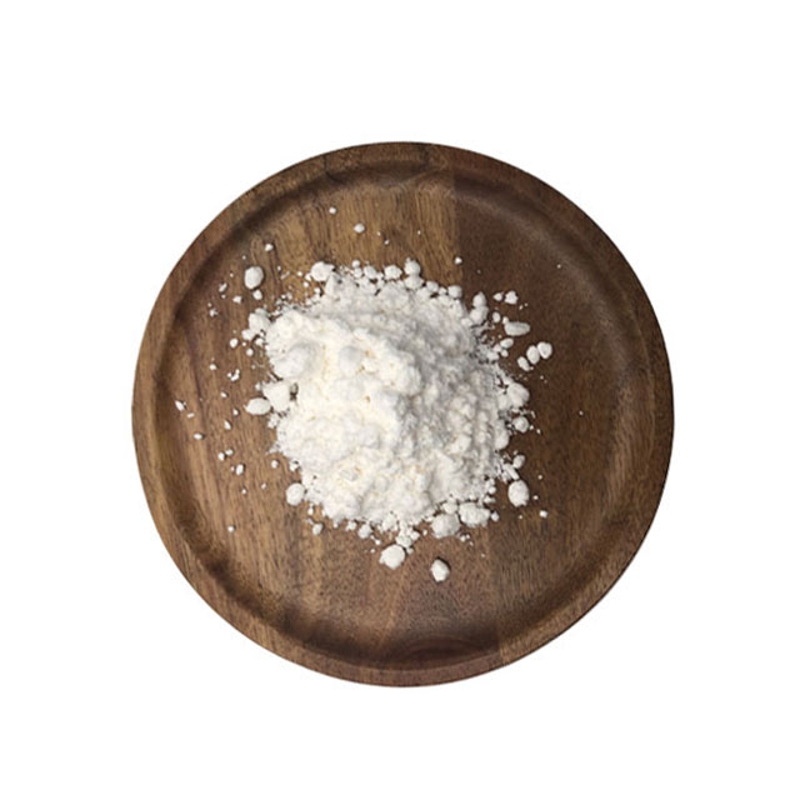


Request for quotation , get quotes from more suppliers.
Allantoin
(97-59-6)-

Pharmaceutical Grade / 99%
-

Pharmaceutical Grade / 99%
-

Pharmaceutical Grade / 99%
-
, 3-Year Expiration Period, Good Compatibility with Multiple Active Ingredients")
Pharmaceutical Grade / 99%


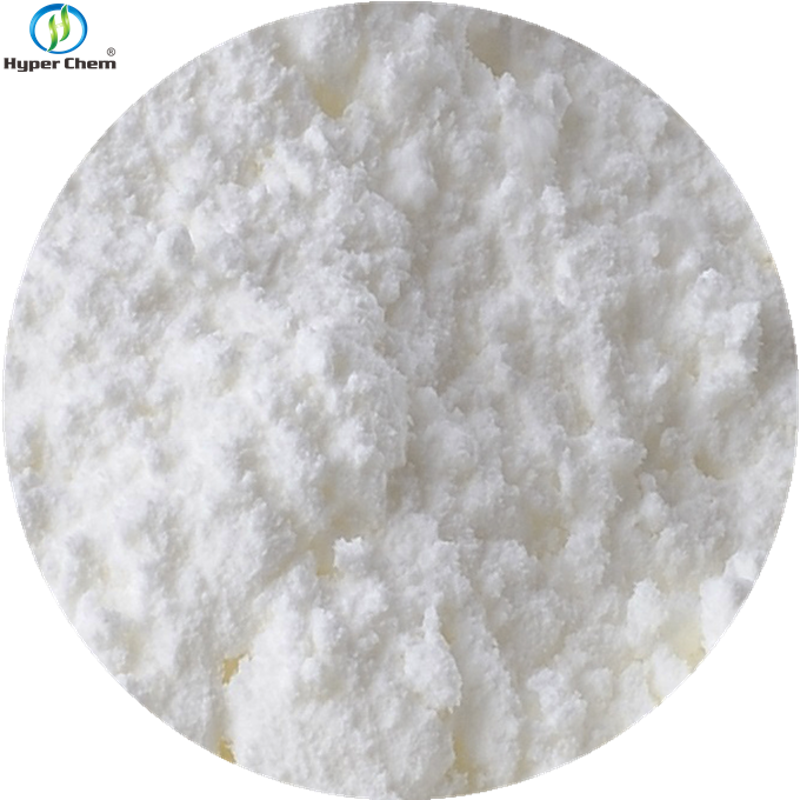
Request for quotation , get quotes from more suppliers.
Gold
(7440-57-5)-

Pharmaceutical Grade / 99%
-

Industrial Grade ,Pharma Grade / 99%
-

pharmaceutical grade / 99%
$1/KG EXW
-

Chemical Grade / 99%
$1/KG FOB


-

Pharmaceutical Grade / 99%
-

Pharmaceutical Grade / 99%
$100/KG EXW
-

Pharmaceutical Grade / 99%
-

pharmaceutical grade / 99%

Request for quotation , get quotes from more suppliers.
Retinoic acid
(302-79-4)-

Pharmaceutical Grade / 99%
-

Pharmaceutical Grade / 99%
-

Pharmaceutical Grade / 99%
-

Pharmaceutical Grade / 99%


Request for quotation , get quotes from more suppliers.
Adapalene
(106685-40-9)-

Pharmaceutical Grade / 99%
-

Pharmaceutical Grade / 99%
-

Pharmaceutical Grade / 99%
-

Pharmaceutical Grade / 99%


Request for quotation , get quotes from more suppliers.
-

Pharmaceutical Grade / 99%
-

Pharmaceutical Grade / 99%
-

Pharmaceutical Grade / 99%
-

Pharmaceutical Grade / 99%

Request for quotation , get quotes from more suppliers.
Isotretinoin
(4759-48-2)-

Pharmaceutical Grade / 99%
-

Pharmaceutical Grade / 99%
-

Pharmaceutical Grade / 99%
-

Pharmaceutical Grade / 99%
$750-755/MT FOB


Request for quotation , get quotes from more suppliers.
Trisodium phosphate
(7601-54-9)-

Pharmaceutical Grade / 99%
-

Pharmaceutical Grade / 99%
-

pharmaceutical grade / 99%
-

Pharmaceutical Grade / 99%


PARAFORMALDEHYDE
(66455-31-0)-

Industrial Grade / 99.8%
-

Industrial Grade / 99%
-

-

Industrial Grade / 90%



Request for quotation , get quotes from more suppliers.
Source Specialty Drugs Raw Materials by Region


Frequently Asked Questions
Specialty drugs are high-cost, complex pharmaceuticals used to treat chronic, rare, or difficult-to-manage conditions such as cancer, multiple sclerosis, rheumatoid arthritis, and hepatitis C. Unlike traditional medications, they often require special handling, administration (e.g., injection or infusion), and ongoing patient monitoring. Many are biologics derived from living cells and are subject to stricter regulatory and distribution controls.
Specialty drugs are expensive due to several factors: the high cost of research and development for biologics or orphan drugs, complex manufacturing processes, limited competition (especially for rare diseases), and the need for specialized storage, distribution, and patient support services. Additionally, their targeted nature means they serve smaller patient populations, which impacts pricing strategies to recoup investment.
Specialty drugs are typically distributed through limited-distribution networks, specialty pharmacies, or manufacturer-authorized channels rather than retail pharmacies. They often require temperature-controlled shipping, prior authorization from insurers, and coordination with healthcare providers for proper administration. Patients usually receive these medications with accompanying clinical support, including adherence counseling and side-effect management.
Healthcare providers should evaluate the patient’s diagnosis, treatment history, insurance coverage, and ability to adhere to complex regimens before prescribing specialty drugs. They must also consider potential side effects, required monitoring protocols, and whether the drug is covered under the patient’s pharmacy or medical benefit. Coordination with specialty pharmacies and prior authorization processes is often essential to ensure timely access.
Patients can reduce out-of-pocket costs for specialty drugs through manufacturer copay assistance programs, nonprofit patient assistance foundations, insurance appeals, and therapeutic alternatives approved by their provider. It’s important to work with a specialty pharmacy that offers financial counseling and to verify insurance coverage early in the process. Some government programs like Medicare Part D also provide catastrophic coverage after certain spending thresholds are met.