




CSIR-NCL Develops an Anti-TB Co-crystal 4-FDC Drug with Improved Stability
Tuberculosis (TB) is an airborneinfectious disease caused by a species of pathogenic bacteria Mycobacterium Tuberculosis. It is one of the top ten leading causes of death worldwide. According to the World Health Organization (WHO) in 2015 an estimated 10.4-mn people developed TB and 1.8-mn died from the disease, including 0.4-mn deaths among HIV-positive people.
WHO recommends the use of four drugs for treating TB – Rifampicin, Isoniazid (INH), pyrazinamide, and ethambutol dihydrochloride. In 1994, WHO and the International Union against Tuberculosis and Lung Disease (IUATLD), recommended the use of Fixed Drug Combinations (FDCs) (2-drug, 3-drug and 4-drug), and in 1999, the 4-drug FDC tablet, comprising all four drugs, was included in the WHO Model List of Essential Drugs.
But the 4-FDC tablets had quality and stability issues, including poor bioavailability of rifampicin and instability during storage. This raised serious concerns on its utility.
Now scientists from the CSIR-National Chemical Laboratory (CSIR-NCL), Pune have come up with an anti-TB co-crystal drug having improved stability. The research, published in the Journal of Pharmaceutical Sciences, by Prof. Ashwini Kumar Nangia and team at the CSIR-NCL and the School of Chemistry, University of Hyderabad has cleared the way for development of a stable formulation of 4-FDC for TB.
Five-fold improvement in stability
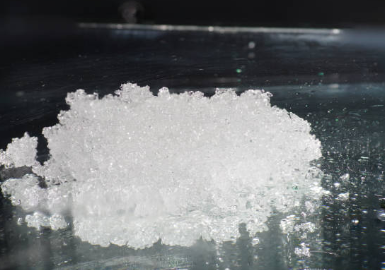
The team studied the cause for the instability of the 4-FDC drug and discovered a pharmaceutically stable co-crystal by applying crystal engineering principles to inhibit the cross-reaction between INH and rifampicin, thereby overcoming the formation of inactive by-products. The team showed that the pharmaceutically stable co-crystal of INH (INH-Caffeic Acid and INH-vanillic acid) is able to improve the stability more than five-fold compared to the current 4-FDC drugs. The co-former additives, which stabilize the formulation, are pharmaceutically accepted excipients. “Stable co-crystal drug with longer shelf-life will improve the prospects of transport logistics and inventory management of TB drugs,” Prof. Nangia said. In the next phase, longer-term stability data on 4-FDC will be validated with suitable excipients and polymeric additives to develop the tablet formulation.

You May Interested In


2026-10-09
Trade Alert
Delivering the latest product trends and industry news straight to your inbox.
(We'll never share your email address with a third-party.)

Related News
-
IMCD Acquires Dong Yang FT, Entering the Korean Beauty Sector
-
Hormuz Crisis Exposes India’s Agrochemical “First Mile”
-
Hormuz Crisis Exposes India’s Agrochemical “First Mile”
-
Syngenta Caught in Trade Crossfire
-
Two Major Dye Giants Hike Prices Consecutively: Longsheng Raises Prices by Up to RMB 10,000/Ton, Yabang Increases Some Products by RMB 60,000/Ton
-
Nouryon Doubles Triethylaluminum Co-catalyst Capacity in China and Makes Several Major Investments
-
INEOS Plant Closures Deepen Europe’s Chemical Industry Crisis
-
Aster Opens Singapore’s Storage and Marine Network to Third Parties
-
India Terminates Anti-Dumping Investigation on Chinese Siloxane Polyoxyalkylene Copolymers
-
Dow Chemical’s Freeport Plant Fire Contained; No Injuries Reported
Recommend Reading
-
![$14.5 Billion Solstice–Element Solutions Merger Abruptly Terminated Less Than Two Months After Announcement]()
$14.5 Billion Solstice–Element Solutions Merger Abruptly Terminated Less Than Two Months After Announcement
-
![Bayer’s Ambitious Gene & Cell Therapy Pipeline Eyes Parkinson’s, Oncology, Rare Diseases]()
Bayer’s Ambitious Gene & Cell Therapy Pipeline Eyes Parkinson’s, Oncology, Rare Diseases
-
![Bristol Myers Squibb Launches Mavacamten (“Kopozgo”) in India for Obstructive Hypertrophic Cardiomyopathy]()
Bristol Myers Squibb Launches Mavacamten (“Kopozgo”) in India for Obstructive Hypertrophic Cardiomyopathy
-
![Roche Takes Natco to Supreme Court Over Generic Risdiplam Launch in India]()
Roche Takes Natco to Supreme Court Over Generic Risdiplam Launch in India
-
![Unilever Sells Kate Somerville Brand to Rare Beauty Brands]()
Unilever Sells Kate Somerville Brand to Rare Beauty Brands
-
![EAEU Initiates Review of Anti-Dumping Measures on Chinese Titanium Dioxide, Suspends Duties During Investigation]()
EAEU Initiates Review of Anti-Dumping Measures on Chinese Titanium Dioxide, Suspends Duties During Investigation
-
![Key Reactions and Uses of Lithium Aluminum Hydride]()
Key Reactions and Uses of Lithium Aluminum Hydride
-
![Uses and Properties of 3-Methyl-1-Butanol]()
Uses and Properties of 3-Methyl-1-Butanol
-
![Microcrystalline Cellulose: Applications in Pharmaceuticals]()
Microcrystalline Cellulose: Applications in Pharmaceuticals
-
![G20 Pushes Fertilizer Access as Food-Security Risk Rises]()
G20 Pushes Fertilizer Access as Food-Security Risk Rises









- Hot Searches
- where can i buy reta peptide
- propylene glycol msds
- where can i buy red phosphorus
- polyurethane pricing
- retatrutide supplier
- where can you buy aniracetam
- clind ph benzoyl perox
- peptide retatrutide where to buy
- tergitol 91-6
- compound retatrutide
- buy adrenochrome
- domestic steroids for sale