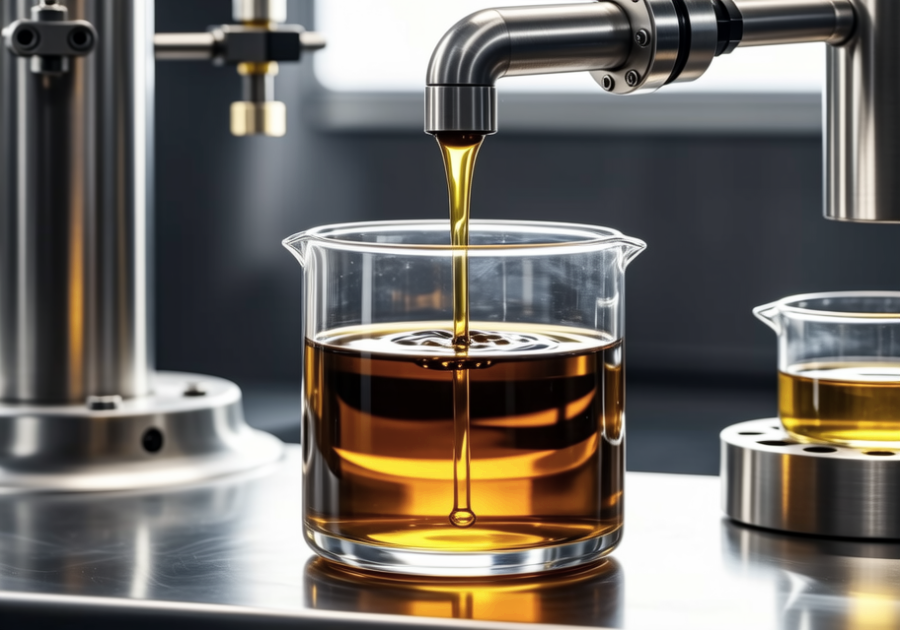
Prickly Pear Seed Oil: A Promising Ingredient for Natural Cosmetics
Prickly pear seed oil has been gaining increasing attention in the quest for natural cosmetic formulations. Packed with vitamin E, polyunsaturated fatty acids, and sterols, this vegetable oil is recognized for its potent natural anti-aging properties.

Prickly pear seed oil
Cultivated extensively in regions of North Africa, such as Tunisia, Morocco, Algeria, as well as parts of Southern Europe (Portugal, Spain, Italy), and select South American countries (Mexico, Chile, Brazil), the prickly pear (Opuntia ficus-indica), also known as nopal, has risen to stardom in natural cosmetic products. Its growth is attributed to its low water requirements and ability to thrive in soil conditions unsuitable for many other crops.
According to Lémia Chekir Thabet, National Coordinator of the Pampat Project under the United Nations Industrial Development Organization (UNIDO), "Except for its spines, from which nothing can be obtained for the moment, the entire plant can be used and valorized: fruit, seeds, flowers, etc."
A significant portion of the production is exported, with approximately 95% being prickly pear seed oil, both in bulk and packaged products. Of this, 70% is sent to Europe, particularly to France, where it is embraced by the cosmetics industry. The increasing popularity of prickly pear seed oil is credited to its established anti-aging properties, backed by clinical studies.
Émilie Jolibois, Head of Cosmetic Ingredients & Plant Extracts at Aroma-Zone, attests to the oil's effectiveness in combating skin aging. It contains linoleic acid (omega-6), tocopherols (vitamin E), phytosterols, and polyphenols, making it a formidable natural moisturizer and anti-aging ingredient.
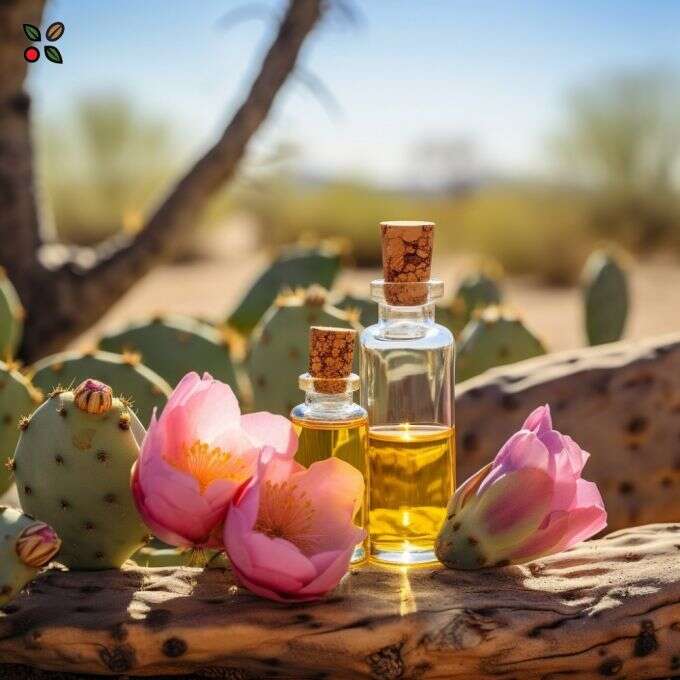
Prickly pear seed oil
Prickly pear seed oil, however, comes with a price tag, with an average cost of EUR 350 per liter from Tunisian factories. The production process is intricate and time-consuming, requiring approximately thirty kilograms of prickly pear seeds, or nearly a metric ton of fruit, to extract one liter of oil.
Beyond the seeds, the entire prickly pear plant can be utilized, including fruit, flowers, cladodes (pads), and young leaves, except for the spines and inedible portions of the pad. This versatile plant presents various applications in the cosmetic, agri-food, and pharmaceutical industries.

You May Interested In


High Quality β-Nicotinamide adenine dinucleotide CAS 53-84-9 NADwith ready stock and best price
$3E+1/UNIT FOB


2026-10-23
Trade Alert
Delivering the latest product trends and industry news straight to your inbox.
(We'll never share your email address with a third-party.)

Related News
-
Silab Unveils Inclusium: A Versatile Natural Active Ingredient for All Skin Types
-
In the First Half of 2022, the Price of Vitamin E Rose, and the Export Volume Fell by 13.49%
-
Xinhecheng: An accident at the Shangyu base has no impact on production
-
Nopal vitamin E may affect intestinal flora and promote metabolism
-
Major Fire Hits China-Russia Joint 2.7 Million T/Y Polyolefins Project, Killing 6 Chinese Nationals and Injuring 152 People
-
Wanhua's BorsodChem Restarts 650,000 T/Y of MDI and TDI Capacity in Europe
-
Global Countries Impose Tariffs on Chinese Chemical Products
-
Aekyung Chemical Plans to Sell Its Ningbo Subsidiary
-
West Asia Tensions Squeeze Pharma Raw Materials
-
Russia’s Farm Trade Model Shows Strain
Recommend Reading
-
![India Issues Final Anti-Dumping Ruling on Chinese TDQ, with Duties Up to US$549 per Ton]()
India Issues Final Anti-Dumping Ruling on Chinese TDQ, with Duties Up to US$549 per Ton
-
![Aldi Expands Its Ingredient Ban]()
Aldi Expands Its Ingredient Ban
-
![Pharmaceutical Tariffs Put Ingredients Back in Focus]()
Pharmaceutical Tariffs Put Ingredients Back in Focus
-
![IPEC Updates Excipient Qualification Guidance]()
IPEC Updates Excipient Qualification Guidance
-
![India’s API Trade Balance Turns Positive]()
India’s API Trade Balance Turns Positive
-
![Business Society’s Market Outlook for Methanol on August 14, 2026: Strong Consolidation]()
Business Society’s Market Outlook for Methanol on August 14, 2026: Strong Consolidation
-
![April China MIBK Market Maintains High Stability]()
April China MIBK Market Maintains High Stability
-
![Business Society October 21, 2026 Palm Oil Trend Analysis: Volatility]()
Business Society October 21, 2026 Palm Oil Trend Analysis: Volatility
-
![Business Society’s August 14, 2026 Melamine Market Outlook: Clearly Downward]()
Business Society’s August 14, 2026 Melamine Market Outlook: Clearly Downward
-
![Business Society’s BDO Market Outlook on August 13, 2026: Narrow-Range Consolidation]()
Business Society’s BDO Market Outlook on August 13, 2026: Narrow-Range Consolidation