EIT Food Advocates Protein Diversification for a Sustainable Food Industry
After a comprehensive year-long review, the EIT Food Protein Diversification Think Tank has released a new policy brief emphasizing the importance of diversifying protein sources within the food industry. This initiative acknowledges the critical role of proteins, which are not only essential for nutrition but also play a significant role in various food sectors, including bakery and snacks, offering functionality and sensory experiences.
EIT-Food-advocates-protein-diversification-as-the-sine-qua-non-for-a-sustainable-food-industry
Proteins can be pivotal in transforming food systems on the scale required to combat climate emissions and address food security challenges. Increased demand for animal-based proteins, however, is associated with adverse environmental impacts, including greenhouse gas emissions, heightened water consumption, and land degradation. Moreover, data indicates that animal proteins are linked to various health risks, such as cardiovascular disease, diabetes, certain cancers, and various disorders.
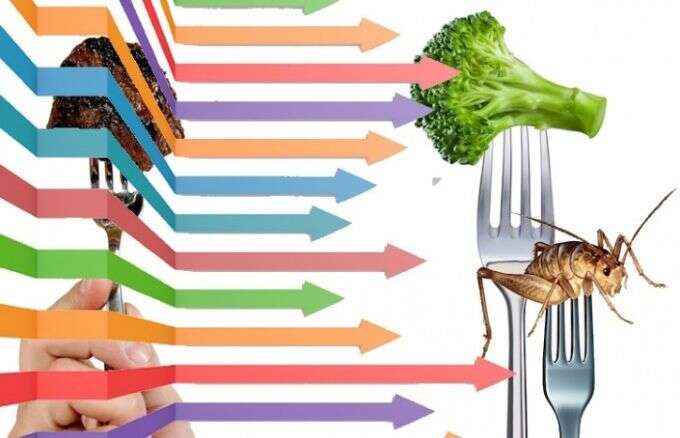
To address these issues, the global food sector must transition from its heavy reliance on resource-intensive animal-based proteins to a more diverse and sustainable range of alternatives. These alternatives include plant-based protein sources, cell-cultured options (such as meat, mycoprotein, fungal and yeast biomass), precision fermentation, algae-based proteins, and insect-based sources.
The European Union (EU) plays a crucial role in driving innovative policy-making and fostering protein diversification. As the EU progresses with its Green Deal, which aims to decarbonize the agricultural and food industries, the need for a sustainable food system is paramount. Currently, the food system is responsible for a significant portion of greenhouse gas emissions and environmental pollution.
The EIT Food Protein Diversification Think Tank, after a year of in-depth analysis, has drafted a new policy that builds on the White Paper on Protein Diversification published in December 2022. The policy, titled "Accelerating Protein Diversification for Europe," includes recommendations for EU decision-makers.
The Think Tank comprises members from various organizations, including Puratos, Grupo AN, the Good Food Institute (GFI) Europe, Danone, Lund University, the German Institute of Food Technologies (DIL), University of Helsinki, VTT Finland, ShakeUpFactory, Aarhus University, and BGl. The policy document also incorporates insights from other experts and stakeholders across the industry to ensure a broad and inclusive perspective.
Protein diversification is viewed as a central element in transforming food systems to reduce climate emissions and enhance resilience while creating new opportunities. The collaborative effort underscores the essential role of EU governments in driving change, from funding research and innovation to facilitating policy frameworks and supporting farmers.
The policy recommendations outlined in the paper emphasize the need for a systems-thinking approach, recognizing the complexity of the food system and the importance of collaboration across the food value chain. It also calls for EU-level policies to encourage the evolution of alternative protein sources, assess regulatory frameworks, and provide support for farmers and government research.
The document also addresses broader considerations, including availability, affordability, cultural preferences, and the necessity for workforce development to support protein diversification.
Embracing protein diversification is seen as a means to foster innovation, create economic opportunities, and position EU Member States at the forefront of a rapidly evolving sector. Meaningful collaboration among governments, industry stakeholders, academia, and civil society is essential to put these recommendations into action and address the significant challenges of our time while promoting a sense of global responsibility.

You May Interested In


High Quality β-Nicotinamide adenine dinucleotide CAS 53-84-9 NADwith ready stock and best price
$3E+1/UNIT FOB


2026-10-22
Trade Alert
Delivering the latest product trends and industry news straight to your inbox.
(We'll never share your email address with a third-party.)

Related News
-
VIV Africa 2026: A Look at Who's Coming to Kigali
-
FDA Lifts Administrative Stay, Restoring Red No. 3 Ban Timeline for Food and Ingested Drugs
-
U.S. Delays Mandatory GRAS Notification Proposal, Pushing Food-Additive Overhaul to Year-End
-
Hi & Fi Asia-China concluded successfully, and ECHEMI gained a lot from participating in the exhibition!
-
Chinese National Health Commission Unveiling Innovative Food Additions: Paraguayan Holly Leaves, Yeast Protein, and Catechins Hit the Shelves
-
Health Canada Grants Approval for Allura Red as a Food Additive in Fruit-Flavored Beer
-
Daiya Foods Embraces Dairy-like Culturing Methods As It Unleashes Reformulated Plant-based Cheese
-
FAO/WHO Assess Safety of Titanium Dioxide, 21 Other Food Additives
-
Chinese National Health Commission Greenlights New Additions to Food Offerings
-
UN Food and Agriculture Organization Releases Safety Evaluation on Titanium Dioxide and Flavoring Agents in Food
Recommend Reading
-
![Honeywell Acquires Johnson Matthey Catalyst Business at a Discount, Cutting £475 Million from the Price]()
Honeywell Acquires Johnson Matthey Catalyst Business at a Discount, Cutting £475 Million from the Price
-
![U.S. Chemical Companies Are Benefiting from This Feedstock Shock]()
U.S. Chemical Companies Are Benefiting from This Feedstock Shock
-
![Strait of Hormuz Reopens, Oil Prices Plunge: Is the Chemical Price Rally Over?]()
Strait of Hormuz Reopens, Oil Prices Plunge: Is the Chemical Price Rally Over?
-
![Chemicals Are Going Wild: Sulfur Surges 512%, Titanium Dioxide, Polyols and Sulfuric Acid Lose Control]()
Chemicals Are Going Wild: Sulfur Surges 512%, Titanium Dioxide, Polyols and Sulfuric Acid Lose Control
-
![Hengli Sanctions Spill Over: One Barrel of Iranian Crude Pulls an Aromatics Chain Into Risk]()
Hengli Sanctions Spill Over: One Barrel of Iranian Crude Pulls an Aromatics Chain Into Risk
-
![Remote Cost Values Plunge, PC Prices Drop from High Levels]()
Remote Cost Values Plunge, PC Prices Drop from High Levels
-
![Insufficient Downstream Demand Leaves Cyclohexane Price Gains Weak in September]()
Insufficient Downstream Demand Leaves Cyclohexane Price Gains Weak in September
-
![Cyclohexane Market Faces Insufficient Demand, Prices Remain Stable]()
Cyclohexane Market Faces Insufficient Demand, Prices Remain Stable
-
![Business Society’s Market Outlook for Caustic Soda on September 4, 2026: Volatile and Bearish]()
Business Society’s Market Outlook for Caustic Soda on September 4, 2026: Volatile and Bearish
-
![Business Society’s Market Outlook for Lithium Carbonate on August 12, 2026: Clearly Upward Trend]()
Business Society’s Market Outlook for Lithium Carbonate on August 12, 2026: Clearly Upward Trend