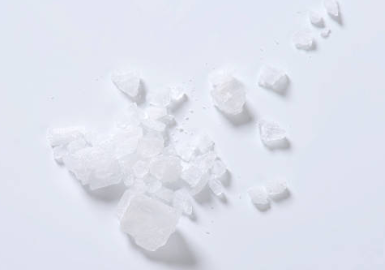
What is Synthetic Wax in Skin Care and Is it Safe to Use?
The use of synthetic wax in skin care products is on the rise and this article why is it so and what one needs to know before making their next cosmetic purchase.
What is Synthetic Wax?
As the name suggests, this wax is artificially made rather than extracted from natural sources which is why also called artificial or man-made wax. Such waxes are produced from a mixture of various oils to add an extra set of features that are not present in the natural form of waxes. In this way, these waxes are made to be more practical for different industrial needs.
These made-made waxes offer improved thickness, stability, and hardness of emulsions. The most common synthetic waxes are microcrystalline, fatty acid amide, polyolefin, and Fischer-Tropsch waxes. All are made from different raw materials and undergo separate chemical reactions for their production. Each type of synthetic wax is made to perform different functions in their respective industry are is further classified based on their melting points, overall hardness, and specific applications.
Uses of Synthetic Wax in Skin Care
Yes, synthetic waxes are also heavily used in the cosmetic industry, and having said that, the first thing that comes to mind is whether are they safe for use on the skin. Well, for most skin types, synthetic waxes used in cosmetic products are safe to use. It does not clog pores and stays as a lightweight cosmetic on the skin. However, it can irritate sensitive skin which is why a patch test is always recommended.
The most common synthetic wax in skin care products is microcrystalline wax which is typically produced by refining petroleum-derived wax. It is mostly made up of long-chain saturated hydrocarbons along with lesser concentrations of branched, and cyclic hydrocarbons. It has high compatibility with other materials like oils, additives, and pigments which makes it a great choice for cosmetics. Below are the most common applications of this wax in cosmetic industry:
1. Better Consistency:
Synthetic waxes like microcrystalline wax have relatively high viscosity values as compared to other waxes like paraffin wax. Moreover, such waxes also have higher emulsification properties which helps cosmetics companies to make products with more stable emulsions in their products like lipsticks, foundations, and more. This wax also plays an important role in products like lip balms or solid moisturizers where it binds the ingredients together and gives a smooth texture.
2. A Great Emollient:
Such waxes can protect the moisture present on the skin due to their hydrophobic nature. The presence of long-chain hydrocarbons, such as alkanes, and cycloalkanes replace the water from their molecular structure which enables them to create a protective layer on one’s skin, essentially blocking the moisture from evaporating upon exposure to sunlight. This also results in the softening of skin without being greasy or dried out.
3. Water Resistance:
Another significant function of synthetic wax in skin care products is that it offers water-resistant properties which prolongs the application life of cosmetics applied on the skin. This is extremely crucial for almost all kinds of cosmetics as nobody wants their makeup to fall off after a few minutes of application.
4. Helpful in hair Styling:
Such waxes are also very important in hair styling products like pomades, waxes, gels, and hair creams. Due to their lightweight and consistent texture, these waxes are great for holding hair and adding a smooth texture and definition to the hair. This makes them very important in hair care products where they are used to increase the manageability of hairstyles without being over-greasy or stiffed.
The cosmetic use of synthetic wax in skin care products in the current industry setting is pretty common where they are used as raw materials for makeup foundations/concealers, mascaras and eyeliners, creams, lipsticks, and lip balm. They are most frequently used in lip and balm products where their emollient and enhancing wear time properties are extremely important for a long-lasting application.
Wrapping Up:
Synthetic waxes help increase the viscosity of the formulations and leave the skin feeling moisturized and soft. When added to products, synthetic wax enhances their texture facilitates their spreading, and increases their application time. Its use is generally considered safe on the skin which is why it is now a common raw material for cosmetic companies.
Looking for chemical products? Let suppliers reach out to you!
You May Interested In


Glow70/KLOW80 99% China Peptides Warehouse Direct Delivery Lyophilized Powder in Stock
$169/UNIT FOB


2026-10-25
Trade Alert
Delivering the latest product trends and industry news straight to your inbox.
(We'll never share your email address with a third-party.)

Related News
-
Gellan Gum (E418): Vegan Thickener vs. Xanthan Gum in Food
-
Sodium Hydroxide Reactions: With Aluminum, Acids, and Metals
-
Uses of Sodium Citrate Dihydrate in Food Industry
-
Isoascorbic Acid: Uses and Safety
-
Understanding PCl5: Compound Name and Uses
-
Vanillin: Properties, Uses, and Safety
-
Uses and Properties of Copper Acetate
-
What is the Formula for Ammonia? (NH3 Structure & Properties)
-
Bivalirudin: Medical Uses, Properties, and Safety
-
Calcium Hypochlorite: Properties, Uses, and Safety
Recommend Reading
-
![EDTA (Ethylenediaminetetraacetic acid): Chelation Therapy & Industrial Uses]()
EDTA (Ethylenediaminetetraacetic acid): Chelation Therapy & Industrial Uses
-
![Chemical Raw Materials: How to Source Quality Suppliers & Understand Grades]()
Chemical Raw Materials: How to Source Quality Suppliers & Understand Grades
-
![Sodium Chloride (NaCl): Food Grade vs Industrial Grade Uses & Safety Data]()
Sodium Chloride (NaCl): Food Grade vs Industrial Grade Uses & Safety Data
-
![Ascorbyl Palmitate: Properties, Uses, and Benefits]()
Ascorbyl Palmitate: Properties, Uses, and Benefits
-
![Sodium Benzoate (E211): Safety, Benzene Risk, and Preservative Uses]()
Sodium Benzoate (E211): Safety, Benzene Risk, and Preservative Uses
-
![Coke Market Prices Remain Stable for Now]()
Coke Market Prices Remain Stable for Now
-
![Business Society’s Market Outlook for Petroleum Coke on August 18, 2026: Volatile]()
Business Society’s Market Outlook for Petroleum Coke on August 18, 2026: Volatile
-
![Ethylene Oxide Prices Drop Sharply in Early June]()
Ethylene Oxide Prices Drop Sharply in Early June
-
![Formic Acid Prices Sideways; Future Plant Maintenance Plans Scheduled]()
Formic Acid Prices Sideways; Future Plant Maintenance Plans Scheduled
-
![Business Society’s MTBE Market Outlook on August 18, 2026: Clearly Upward Trend]()
Business Society’s MTBE Market Outlook on August 18, 2026: Clearly Upward Trend