EU Ban Triggers Crisis in Global Biopharmaceutical Industry: Battle for Triton™X-100 Alternatives Begins!
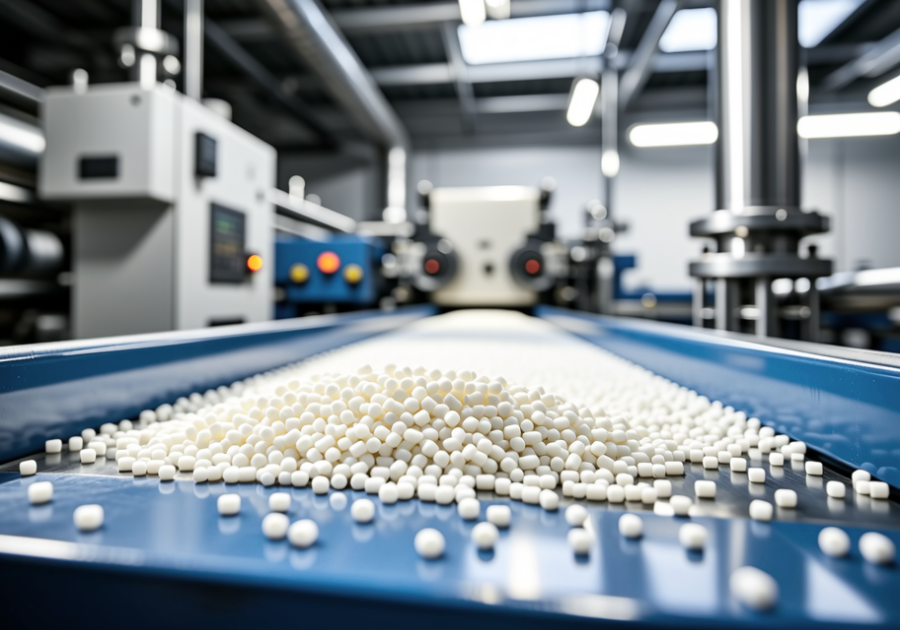
The European Union's ban on a chemical called Triton™X-100 has already had a profound impact on the biopharmaceutical manufacturing industry worldwide. The ban stems from the potential harm the Triton™X-100 can cause to aquatic life, and as a result, it was officially banned by the European Union in 2021. Thankfully, however, the market has responded quickly to provide superior performance alternatives to meet the needs of the biopharmaceutical industry.
This message was delivered by Dr. Wenyi Yee, a research manager at Croda, and his colleague, principal Application Scientist Dr. Garima Sinha, in a presentation at the BioProcess International conference last month. Dr. Sinha stressed that while the ban on Triton™X-100 appears to only affect continental Europe, due to the global nature of the biopharmaceutical industry, any regional impact can evolve into a global issue.
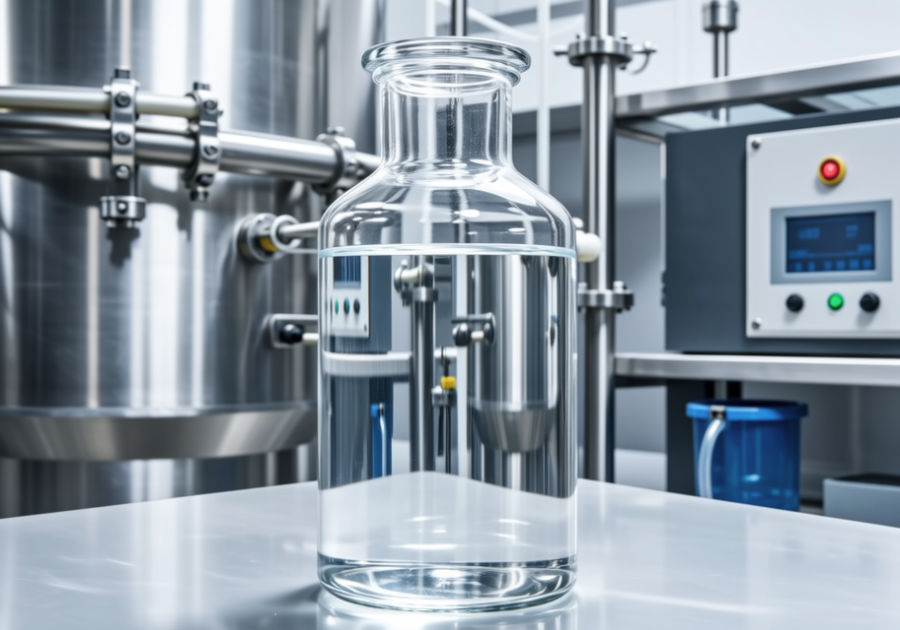
Triton™X-100 is a detergent that has long been used in the production of biologics and plasma-derived products to prevent viral contamination. However, due to its potential harm to the environment, the European Union decided to put it on the banned list. This decision has forced the pharmaceutical industry to find new solutions to ensure the safety and effectiveness of the manufacturing process.
Initially, many companies based outside the EU were not enthusiastic about finding alternatives, as they had already invested decades of time and effort in optimizing their production processes based on the Triton™X-100. Dr Sinha points out that changing an existing production process is not easy, especially when an already well-established process needs to be revisited.
However, as the industry continues to investigate alternatives to the Triton™X-100, a number of viable technical solutions have emerged. These alternative techniques include using different detergents, or exposing the cells to low pH to remove viral contamination and lyse the cells. Nevertheless, Dr. Sinha believes that detergents are a better option than pH changes because they are more powerful at removing viral contamination and have a lower risk of protein aggregation.
In preparation for the upcoming ban, Croda conducted a thorough review of its specialty chemicals catalog and successfully identified two chemicals that performed as well or better than the Triton™X-100. Last year, the company introduced two new products, Virodex™ TCR-1 and TCR-2. According to Dr. Yee, customers are currently trialling these products, and independent data has been published showing that Virodex performs as well as the Triton X-100 in production, and in some ways outperforms it.
In addition, Croda has developed advanced analytical technology capable of detecting Virodex™ at the parts per billion (PPB) level to ensure that its products do not contaminate the final drug. Dr Sinha explained that they have been working with customers to conduct analytical tests on samples to ensure the safety and reliability of the product. This initiative not only demonstrates Croda's commitment to product quality, but also provides the biopharmaceutical industry with a reliable solution to the challenges posed by the Triton™X-100 ban.

You May Interested In


High Quality β-Nicotinamide adenine dinucleotide CAS 53-84-9 NADwith ready stock and best price
$3E+1/UNIT FOB


2026-10-26
Trade Alert
Delivering the latest product trends and industry news straight to your inbox.
(We'll never share your email address with a third-party.)

Related News
-
Lilly Bets Bigger on China
-
Rising API Costs Threaten Drug Prices
-
New Titanium Dioxide Alternative Moves Closer to Market
-
Sulfur Price Hits 7,633 CNY/Ton, Up Nearly Sixfold in a Year and a Half; Domestic Refining Giants Halt New Orders Due to Tight Supply
-
Hormuz Disruptions Affect Nearly 20% of Global Ethylene Capacity as Polyethylene Supply Tightens
-
End of an Era: KDC/One to Close 150-Year-Old Somerset Cosmetics Factory as Production Shifts to Scotland
-
Glenmark’s $1 Billion Cancer Bet: Oncology Revolution Set to Ignite in FY28
-
Egypt’s Chemical Surge: $9.4 Billion Export Boom Signals Industrial Powerhouse Rise
-
Aekyung Chemical Plans to Sell Its Ningbo Subsidiary
-
“Milk Sugar 2.0” Cleared for Takeoff: EU Greenlights Next-Gen Human-Identical Oligosaccharide for Infant Nutrition
Recommend Reading
-
![EU Eyes Rare Trade Tool as PET, Epoxy Resin and Glass Fibre Face Import Curbs]()
EU Eyes Rare Trade Tool as PET, Epoxy Resin and Glass Fibre Face Import Curbs
-
![“The 40-Year Ethylene Giant Collapses”: ExxonMobil’s Premature Shutdown Is Not Just Scotland’s Tragedy—It’s the Twilight Elegy of European Industrial Civilization]()
“The 40-Year Ethylene Giant Collapses”: ExxonMobil’s Premature Shutdown Is Not Just Scotland’s Tragedy—It’s the Twilight Elegy of European Industrial Civilization
-
![Libya’s Largest Refinery Faces Full Shutdown After Five Rounds of Airstrikes]()
Libya’s Largest Refinery Faces Full Shutdown After Five Rounds of Airstrikes
-
![SIBUR’s Massive Siberian Petrochemical Complex Shuts After Drone Attack, LPG Supply Disrupted]()
SIBUR’s Massive Siberian Petrochemical Complex Shuts After Drone Attack, LPG Supply Disrupted
-
![“Amputation or Strategic Retreat?”: Shell’s Six-Year Chemical Losses and the Quiet Unwinding of an Empire]()
“Amputation or Strategic Retreat?”: Shell’s Six-Year Chemical Losses and the Quiet Unwinding of an Empire
-
![Business Society September 22, 2026 BDO Trend Analysis: Strong at High Levels]()
Business Society September 22, 2026 BDO Trend Analysis: Strong at High Levels
-
![Business Society’s Market Outlook for Natural Rubber on August 14, 2026: Short-Term Volatility to Continue]()
Business Society’s Market Outlook for Natural Rubber on August 14, 2026: Short-Term Volatility to Continue
-
![Business Society October 14, 2026 PP (Fiber) Trend Analysis: Volatility]()
Business Society October 14, 2026 PP (Fiber) Trend Analysis: Volatility
-
![Business Society October 20, 2026 Lithium Carbonate Trend Analysis: Volatility]()
Business Society October 20, 2026 Lithium Carbonate Trend Analysis: Volatility
-
![Business Society September 22, 2026 Ethanol Trend Analysis: Volatile Rebound]()
Business Society September 22, 2026 Ethanol Trend Analysis: Volatile Rebound