Charming Chemistry: Chemical Structure of Polyethylene Glycol
Do you feel unfamiliar when it comes to polyethylene glycol? However, it is found in cookies or moisturizing skin care products in daily life. It is often used as a base for pharmaceuticals, as well as a moisturizer in skin care products, and can also catalyze organic chemistry. It has multiple applications due to its chemical structure. What is the chemical structure of polyethylene glycol? What are its applications? Let’s explore together.
Introduction of Polyethylene Glycol
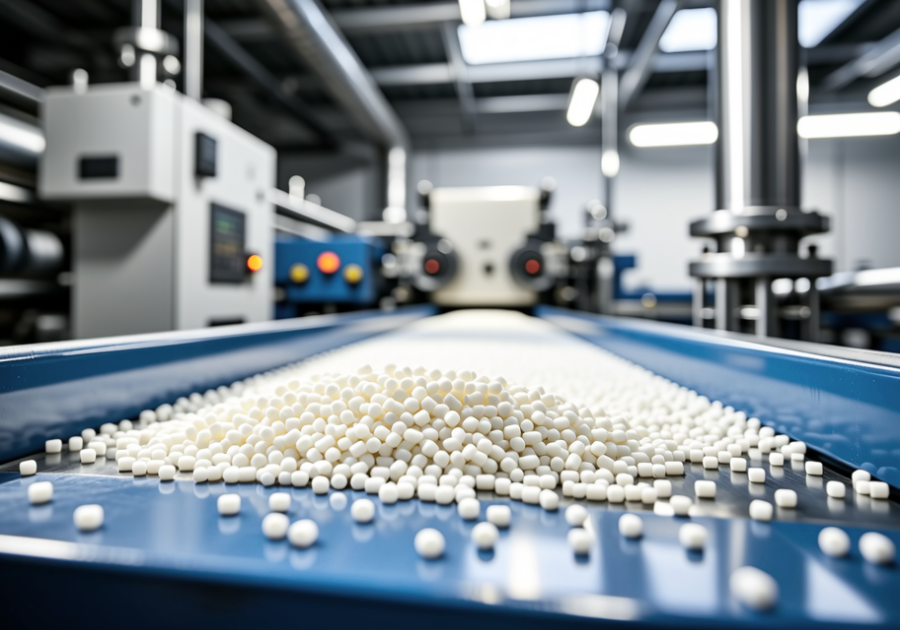
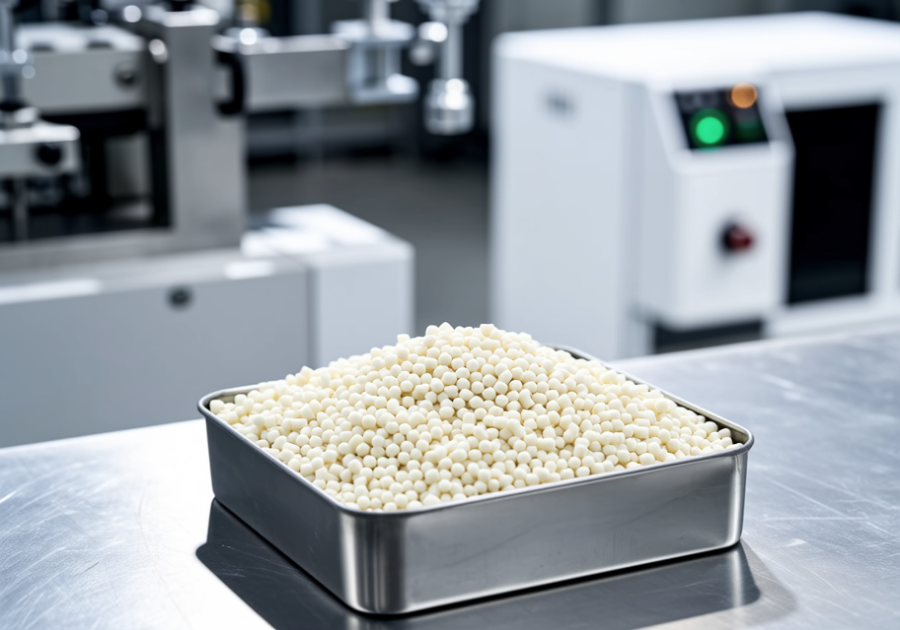
Polyethylene glycol is a high molecular weight polymer. It is formed by the gradual addition polymerization of ethylene oxide with water or ethylene glycol. As early as the 1930s, it was noticed and applied by scientists as a colorless, odorless, non-toxic viscous liquid or waxy solid. It can dissolve in water to form a transparent solution.
Its different structures will affect its properties, making it applicable in multiple fields. In the field of medicine, it can be used in pharmaceutical formulations as a base for ointments. In cosmetics, it can have moisturizing effects. In industry, it can be used for lubricants, plastic processing, etc.
Chemical Structure of Polyethylene Glycol
Its molecular chains are composed of multiple ethylene glycol units repeatedly connected. Its chemical formula can usually be expressed as HO - (CH₂CH₂O)ₙ - H, where n represents the times of repetitions of the ethylene glycol unit. This will affect its molecular weight, in other words, its morphology. When n is small, polyethylene glycol is liquid. As n increases, it will gradually become a waxy or solid substance.
Its molecules have one hydroxyl group at both ends. These two endow polyethylene glycol with certain chemical reactivity. It can undergo esterification reactions with compounds containing carboxyl or amino groups to achieve specific applications.
Due to the free rotation of single bonds between ethylene glycol units, their molecular chains can exhibit various conformations. This characteristic gives it good fluidity and solubility, especially in water. This also makes polyethylene glycol play an important role in many fields such as medicine, cosmetics, and materials.
Applications of Polyethylene Glycol
In chemical synthesis, it can catalyze to facilitate the transfer of reactants between immiscible phases, playing an important role in organic synthesis reactions.
In the field of medicine, it is often used as an excipient for drugs. It can be seen in various drug formulations such as injections and ointments. Due to its good water solubility and biocompatibility, polyethylene glycol can better dissolve and disperse drugs, thereby facilitating absorption and reducing toxicity.
In cosmetics, it is a common moisturizer. It can adsorb moisture from the air to form a protective film on the surface of the skin to prevent moisture loss. Its properties are mild and will not irritate the skin. Many skin care products such as lotion and face cream add it to keep the skin moist.
In the industrial field, it is commonly used as a lubricant. For example, in some plastic processing, it can reduce the friction between the plastic and the processing equipment to improve processing efficiency and can make plastic’s surface smoother.
Meanwhile, it can also be used in metal processing to prevent rusting on surfaces. Due to its good solubility and lubricity, it can be used as a component of cleaning solutions to remove dirt residues from food processing equipment, while also preventing equipment from rusting.
If these features are relatively distant to you, then you may be more familiar with their application in the food industry. It can form a protective film on the surface to prevent oxidation, moisture, and spoilage.
In the processing of some moisture-prone foods such as nuts or cookies, producers often use it to effectively extend the shelf life of food. In the production of some candies and chocolates, adding polyethylene glycol can make them softer, more delicate, and have a better taste.
Conclusion
Overall, we discussed the chemical structure of polyethylene glycol and its applications. Due to its unique structural characteristics and properties, it can show indispensable value in many fields, ranging from medicine to the food industry. It is safe as long as it can meet the relevant addition standards. With the continuous advancement of technology, it is believed that it will have more new applications developed. Let chemistry benefit our lives.
Looking for chemical products? Let suppliers reach out to you!
You May Interested In


2026-10-04
Trade Alert
Delivering the latest product trends and industry news straight to your inbox.
(We'll never share your email address with a third-party.)

Related News
-
Phosphoric Acid: Uses in Cola, Rust Removal, and Fertilizers Explained
-
Silver Nitrate: Medical Uses, Photography History, and Staining Properties
-
Sodium Metabisulfite: Properties, Uses, and Safety
-
France’s Vineyards Find a New Shield: Eden’s Mevalone Enters the Frontline of a Changing Fungicide Era
-
India Unleashes a Triple-Action Defender: Parijat Introduces NILANIX SC into the Rice Battlefront
-
Chemical Properties and Applications of Cyclopropen
-
Key Reactions of Cobalt Chloride
-
Cytosine: Structure, DNA Pairing, and Role in Genetics
-
Bovine Serum Albumin (BSA): Role in Cell Culture & Laboratory Applications
-
Sodium Benzoate (E211): Safety, Benzene Risk, and Preservative Uses
Recommend Reading
-
![Potassium Nitrate Reactions & Uses (KNO3)]()
Potassium Nitrate Reactions & Uses (KNO3)
-
![L-Alanine: Amino Acid Profile, Sports Nutrition, and Metabolic Role]()
L-Alanine: Amino Acid Profile, Sports Nutrition, and Metabolic Role
-
![Imidazole: Heterocyclic Chemistry, Antifungal Drugs, and Buffer Systems]()
Imidazole: Heterocyclic Chemistry, Antifungal Drugs, and Buffer Systems
-
![Hydrogen Peroxide Formula: H2O2 Concentration & Safety]()
Hydrogen Peroxide Formula: H2O2 Concentration & Safety
-
![Sodium Dodecyl Sulfate (SDS): Properties, Uses, and Safety]()
Sodium Dodecyl Sulfate (SDS): Properties, Uses, and Safety
-
![Premium Global Chemical Sourcing Requests (8-12 Dec 2025)]()
Premium Global Chemical Sourcing Requests (8-12 Dec 2025)
-
![Raw Material Strength and Weak Demand Lead to PC Fluctuations in January in China]()
Raw Material Strength and Weak Demand Lead to PC Fluctuations in January in China
-
![Costs Rise, January PP Follows Upstream Prices]()
Costs Rise, January PP Follows Upstream Prices
-
![Inventory Accumulation Expectations Remain, PTA Prices Continue to Fluctuate and Weaken]()
Inventory Accumulation Expectations Remain, PTA Prices Continue to Fluctuate and Weaken
-
![Bottom-fishing and Replenishment Orders & Strong Raw Materials Drive Significant ABS Price Increase in January]()
Bottom-fishing and Replenishment Orders & Strong Raw Materials Drive Significant ABS Price Increase in January