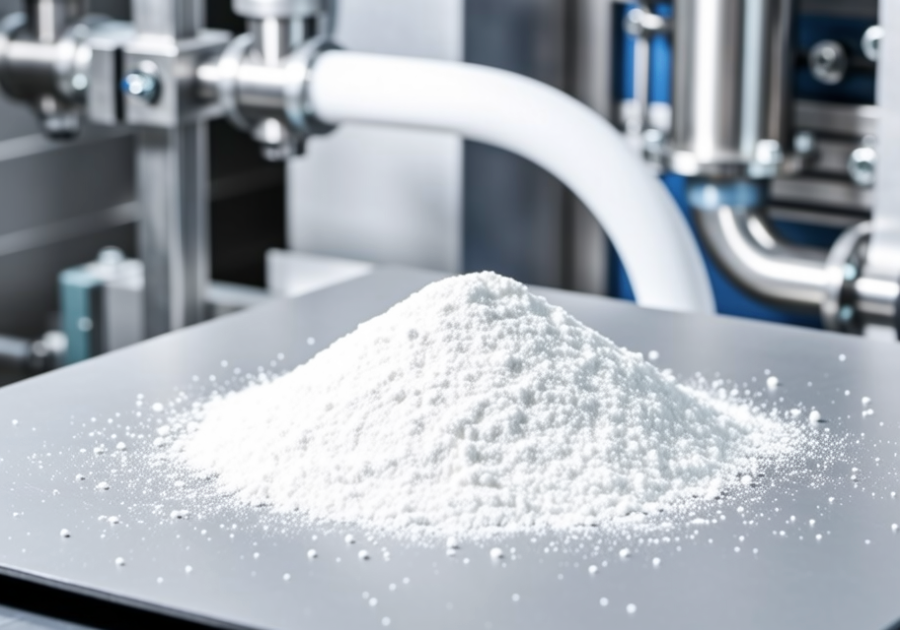
The sugar substitute market continues to be hot, will 'fiber sugar' become the next hot spot?
Over the past ten years, media reports on sugar and non-communicable diseases have made consumers around the world reach a consensus on reducing sugar intake. However, consumers’ perception of this is not only rooted in the desire to see specific health benefits, but also in the belief that “reducing sugar intake will increase the chance of overall health”. As consumers increasingly believe that sugar is incompatible with health, brand owners are responding positively. Both Coca-Cola and Pepsi are already catering to consumers' needs by launching low-sugar or no-sugar products.
A recent market study released by Euromonitor International found that consumers’ emphasis on food and dieting has changed. Consumers who were previously concerned about fat content or diet are now increasingly considering reducing their sugar intake, with 53% of the consumers receiving it. Respondents consider "eating less sugar" as their priority method of weight management. In addition, when asked which ingredients or labels to look for on food and beverage labels, 31% of respondents said that they "do not contain artificial sweeteners." This is the fourth most popular response and shows consistency across different regions.
At present, most of the commercially available high-intensity sweeteners are artificial, and consumers have consciously avoided buying food and beverages containing such ingredients. Natural sweeteners represented by stevia, momordica grosvenori, Erythritol, allulose, etc. began to attract consumers and the market’s attention. Each sugar substitute raw material has its own advantages and disadvantages. For example, stevia has a cost. And scale advantage, but there are taste defects, and excessive intake of allulose can cause digestive health problems, and some sugar substitute raw materials do not have the characteristics of Sucrose, such as caramel, browning, etc.
"New sugar" from fiber
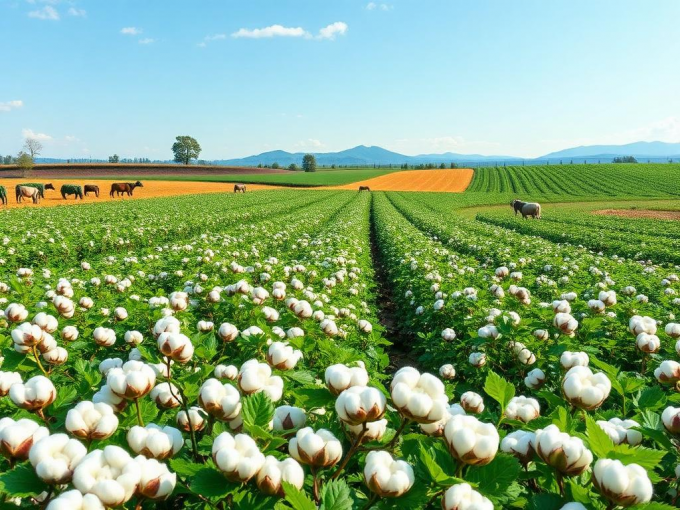
Recently, London-based The Supplant Co. company launched a new type of fiber-derived sugar raw material "SupplantTM sugar", which is a new type of mixed sugar naturally present in plant fiber, which has been proven to reduce calories in food. It is understood that SupplantTM sugar is an "upgraded and reused" raw material. The company uses a patented method to upgrade and reuse agricultural by-products such as corn, wheat and rice, such as rhizomes, straws, and wheat ears, to make sugar.
First, collect the fiber-rich (mainly cellulose and hemicellulose components) parts of crops from farms, forests and food facilities, such as wheat straw, oat husks, corn cobs, etc., and grind these often-unused agricultural by-products And pretreatment, making it easy to handle "loose" shape, easy to get the fiber in it. Second, the most critical step is to use fungal enzymes to break down the long and complex sugar chains found in fibers. These long-chain sugars (called polysaccharides by scientists) are broken down into shorter sugar chains (called oligosaccharides and simple sugars by scientists). Finally, these two sugars are combined to form a "composite fiber sugar".
At present, the company has applied for a series of patents. In fact, the most powerful intellectual property business is the raw material itself. Its sucrose properties can replace part of the sugar in food. In addition, every 10 grams of SupplantTM sugar contains 18 calories, 10 grams of carbohydrates, 1.5 grams of dietary fiber, and 10 grams of sucrose contains 40 calories.
Has the properties of sucrose, the metabolic form of fiber
SupplantTM sugar can produce scorching and browning reactions like traditional sucrose for baking and cooking. At the same time, it can provide health properties that traditional sucrose does not have. Because it is made of dietary fiber, the raw material has a glycemic index of less than 15%. The glycemic index of glucose is 100. In terms of specific sugar substitutes, about every gram of SupplantTM sugar can replace the same content of sucrose in foods, while providing puffing, texture, structure, browning and sweetening functions, but it is not a high-intensity sweetener.
In terms of metabolism, SupplantTM sugar will be like dietary fiber. Part of it will be metabolized by bacteria when it reaches the large intestine. As food for beneficial bacteria in the intestine, it has a "prebiotic" effect. As a new generation of prebiotic products, this fiber-derived sugar has the properties of sucrose and dietary fiber. It is a revolutionary sugar substitute raw material. Once industrialized production is fully realized, the price of this raw material will be competitive with traditional sugar.
The sweetness of this fiber-derived SupplantTM sugar is about one third of that of sucrose, and the calories are less than half. It can be used to replace some or all of the sugar in product formulations. It can currently play a role in a variety of foods, including baked goods, Cereals, chocolates, cakes, candies and ice cream, etc. At this stage, the company's focus on food categories does not focus on beverages, because food is currently the largest unmet demand field.
Emphasis on sustainability, and focus on the U.S. market
Sustainability is also an important market attraction for this raw material. The upgrade angle and extensibility in the production process help investors and stimulate customers. The fiber-derived SupplantTM sugar emphasizes the attributes of "sustainability, innovation and health". The content of SupplantTM sugar added in different product formulations is different, mainly depending on the market positioning of the product and the company's strategic development goals. The company purchases corn stover, stalks and corn cobs in France and Italy. In the future, a manufacturing center will be established in the United States to meet the needs of the local supply chain and market.
It is reported that this SupplantTM raw material of The Supplant Co. has achieved self-affirmation of GRAS status and is submitting relevant product information to the US FDA with the product label as "Added Sugar". At present, the product form of this raw material is in powder form, and products with different dosage forms are also being designed according to the difference of product formulations. At present, the company has raised $26 million from investors such as Coatue, EQT, Felicis, Khosla, Mantaray and others.
The Supplant Co. is currently working with consumer brands, restaurants and chefs to expand its products to the entire American market. In June of this year, the company has cooperated with chef Thomas Keller to launch end products containing this raw material in the United States. Thomas Keller owns a number of restaurants in California and New York. Biscuits, breads, chocolates, ice creams and other products made from the raw materials are sold in restaurants in the region.
Love the brand gene of "Botany"
It has long been known that fiber is composed of long-chain sugars, but the process of developing these sugars is not easy. The founder Dr. Tom Simmons' in-depth knowledge of carbohydrates and his rich plant science experience made this possible, and carried out a lot of trial and error. Before founding The Supplant Co. in 2017, the founder obtained a Ph.D. in plant science from the University of Edinburgh in Scotland. He is a post-doctoral research scientist and researcher in the Department of Biochemistry at the University of Cambridge, specializing in plant-derived sugar and fiber.
Plant fiber is the richest source of sugar in nature. With years of botanical background, Dr. Tom Simmons brings a new perspective to the problems that food scientists have been trying to solve for decades. Innovative raw materials using agricultural by-product sources will become An important part of the future agricultural ecosystem.

You May Interested In


High Quality β-Nicotinamide adenine dinucleotide CAS 53-84-9 NADwith ready stock and best price
$3/UNIT FOB


2026-10-13
Trade Alert
Delivering the latest product trends and industry news straight to your inbox.
(We'll never share your email address with a third-party.)

Related News
-
Brief Analysis of Pure Natural 0-Calorie Sugar Alcohol Erythritol
-
Sugar Substitutes-Close Friends of Mankind Sugar Substitutes-Stevia, Erythritol and Xylitol
-
Vietnam: Sustainable measures proposed for sweet sugarcane season
-
News Update of This Week and Sugar Substitutes Information
-
Anti Glycation Should Be Done Now Maintain Skin and Our Health
-
The Application of Xylitol in Beverages, Dairy Products and Candies
-
People Often Eat Sugar Substitutes, But Will They Get Diabetes?
-
In addition to erythritol and stevia, what other natural sugar substitutes are popular?
-
Sugar substitutes, not just talk
-
Meiji introduces new chocolate, using oligofructose instead of granulated sugar
Recommend Reading
-
![Red Algae, Golden Promise—With a Daily Dose Warning: EFSA Clears Astaxanthin-Rich Algal Meal for New Foods]()
Red Algae, Golden Promise—With a Daily Dose Warning: EFSA Clears Astaxanthin-Rich Algal Meal for New Foods
-
![Triple Shield, Zero Risk: EFSA Declares Stacked GM Cotton Safe for Food, Feed, and Environment]()
Triple Shield, Zero Risk: EFSA Declares Stacked GM Cotton Safe for Food, Feed, and Environment
-
![Sun-Kissed Insect Oil? EFSA Approves UV-Treated Mealworm Fat as Safe—and Vitamin D-Rich—Novel Food]()
Sun-Kissed Insect Oil? EFSA Approves UV-Treated Mealworm Fat as Safe—and Vitamin D-Rich—Novel Food
-
![From Fungus to Food: EFSA Greenlights Rhizomucor pusillus Biomass as Safe Novel Ingredient]()
From Fungus to Food: EFSA Greenlights Rhizomucor pusillus Biomass as Safe Novel Ingredient
-
![Spice Up the Coop: EFSA Reaffirms Safety of Botanical Blend for Broiler Feed—With a Warning for Handlers]()
Spice Up the Coop: EFSA Reaffirms Safety of Botanical Blend for Broiler Feed—With a Warning for Handlers
-
![Business Society’s PTA Trend Analysis for September 17, 2026: Volatility]()
Business Society’s PTA Trend Analysis for September 17, 2026: Volatility
-
![Business Society’s PTA Trend Analysis on September 18, 2026: Volatile]()
Business Society’s PTA Trend Analysis on September 18, 2026: Volatile
-
![Isoascorbic Acid: Uses and Safety]()
Isoascorbic Acid: Uses and Safety
-
![December China titanium dioxide market rises]()
December China titanium dioxide market rises
-
![This Week's Isopropanol Market Prices Remain Stable (12.22-12.26)]()
This Week's Isopropanol Market Prices Remain Stable (12.22-12.26)