Advertising on infant formula dairy products under 1 year of age is prohibited
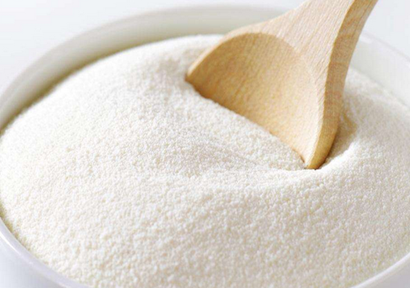
On March 3, the National Development and Reform Commission and other seven departments jointly issued the Action Plan for the Promotion of Domestic Infant and Child Formula Milk Powder. The Plan focuses on three aspects: quality improvement, industrial upgrading and brand cultivation. The Plan puts forward that the self-sufficiency level of infant formula milk powder should be more than 60%; the product quality should be safe and reliable, the quality should be steadily improved, and the confidence and satisfaction of consumers should be significantly improved; the industrial structure should be further optimized, the concentration of industry and the level of technical equipment should continue to be improved; the competitiveness of products should be further strengthened, the market sales should be significantly increased, and the Chinese brand infant formula milk powder should be further improved. The ranking in the domestic market has increased significantly. The program also proposed that advertising campaigns should not be carried out on infant formula dairy products for infants aged 0-12 months. The National Development and Reform Commission (NDRC) said that infant formula milk powder is an important food for infants and young children and a special food related to the happiness of hundreds of millions of families and the future of the nation. It is necessary to fully recognize the long-term and arduous nature of improving the quality, competitiveness and reputation of domestic infant formula milk powder. Through the implementation of the promotion action, consumers should remould their domestic infant formula milk.
Gradually Establish a National Unified Quality and Safety Traceability Platform
The Plan proposes to implement quality improvement action and "adhere to the strictest supervision system". Specifically, we will gradually establish a nationwide unified quality and safety traceability platform for infant formula milk powder, to achieve the whole process, electronic information retrieval and traceability, and strive to cover more than 60% of enterprises within three years. At the same time, the normalization mechanism of food safety production standard system for infant formula milk powder should be established. A new round of comprehensive inspection of production enterprises should be completed in three years, and the inspection of production environment, operation of production quality management system, raw material inspection and inspection ability should be strengthened to guide the standardized management of enterprises. Establish a national expert bank for food safety review of infant formula milk powder, and attract experts from related fields to join the team of reviewers. We will improve the product sampling system and intensify the sampling of infant formula milk powder enterprises that have failed to meet the targets. Strictly crack down on illegal additions of non-edible substances, excessive use of food additives beyond the limits, tampering with label labels and labelling false and exaggerated contents in labels.

You May Interested In


High Quality β-Nicotinamide adenine dinucleotide CAS 53-84-9 NADwith ready stock and best price
$3/UNIT FOB


2026-10-18
Trade Alert
Delivering the latest product trends and industry news straight to your inbox.
(We'll never share your email address with a third-party.)

Related News
-
What is potassium soap chemical formula and its uses?
-
What is sodium acetate formula in water and its properties
-
Japan has seized the right to formulate international standards
-
The market share of infant formula milk powder in Hebei province
-
API Supplier Audits Move to the Center of Pharma Supply Resilience
-
Supplement Recall Puts Nutrition Ingredient Safety Back Under Pressure
-
Trump’s Steel, Aluminum and Copper Tariff Changes Pull Chemical Manufacturing Into the Impact Zone
-
EU Plans Broader Quotas and Tariffs on China, With Chemicals Clearly Named
-
Kemira Acquires AquaBlue
-
U.S. Chemical Tariff Deadline Nears as the Industry Faces Cost Repricing and Supply-Chain Adjustment
Recommend Reading
-
![EU Finalizes Anti-Dumping Duties on Chinese Adipic Acid as Chemical Trade Enters a Rule-Intensive Phase]()
EU Finalizes Anti-Dumping Duties on Chinese Adipic Acid as Chemical Trade Enters a Rule-Intensive Phase
-
![EU Biocidal Data Protection Extension Raises the Stakes for Chemical Market Entry]()
EU Biocidal Data Protection Extension Raises the Stakes for Chemical Market Entry
-
![Urea Prices Surge as India Faces Critical Shortages: Will China’s Export Quotas Provide Relief?]()
Urea Prices Surge as India Faces Critical Shortages: Will China’s Export Quotas Provide Relief?
-
![U.S. Chemical Companies Are Benefiting from This Feedstock Shock]()
U.S. Chemical Companies Are Benefiting from This Feedstock Shock
-
![US Imposes Heavy Duties on Chinese L-Lysine with Combined Rates up to 188%]()
US Imposes Heavy Duties on Chinese L-Lysine with Combined Rates up to 188%
-
![Business Society September 23, 2026 Melamine Trend Analysis: Clear Decline]()
Business Society September 23, 2026 Melamine Trend Analysis: Clear Decline
-
![This Week's Aniline Market Shows High Prices (8.31-9.4) in China]()
This Week's Aniline Market Shows High Prices (8.31-9.4) in China
-
![Business Society’s Market Outlook for Petroleum Coke on August 11, 2026: Volatile]()
Business Society’s Market Outlook for Petroleum Coke on August 11, 2026: Volatile
-
![Business Society September 23, 2026 Acetone Trend Analysis: Weakly Tending]()
Business Society September 23, 2026 Acetone Trend Analysis: Weakly Tending
-
![Business Society’s Urea Market Outlook on September 4, 2026: Volatile]()
Business Society’s Urea Market Outlook on September 4, 2026: Volatile