Get to understand Sodium chloride and sodium bicarbonate uses.
Sodium chloride and sodium bicarbonate uses are discussed on this article. The two salts are very common in homes, labs and industries. Under the right conditions both salts can be used up to produce hydrogen gas, which can then be reacted with a fuel such as methane gas or propane to produce electricity.
The chemical ingredients called salt and baking soda are very common household chemicals, which we use daily. Sodium chloride and sodium bicarbonate uses are two of the most common household chemicals. The sodium ions and the bicarbonate ions are naturally present in our body, so we do not need to ingest either chemical to get their benefits, but both salts can be used up in order to release hydrogen gas (H2 ), which can be then used to produce electricity by a fuel such as methane gas or propane. The two salts are also useful as cleaners at home, laundry detergents, fire extinguishers and so on.
Uses of sodium chloride
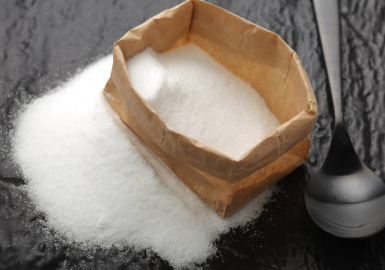
1. Salt is a mineral composed primarily of sodium chloride (NaCl).Most of the world's salt comes from salt mines, which are excavated salt deposits that have been naturally crystallized by soaking in water over long periods of time. Salt is used to preserve food and as an additive to food products. At high concentrations it can also be used as a disinfectant and water softener. Salt was once a major commodity; however, with the advent of refrigeration and the Interstate Highway System in the 1950s and '60s, its role has diminished since then. However, it remains one of the most important minerals for human use.
2. Salt is used in molten form to de-ice and provide safe passage over roads, driveways, sidewalks, and motorway surfaces. De-icing is usually carried out with a mixture of salt brine and water at temperatures well below the melting point of salt. This method has the advantage that it can be easily applied by spreading, spraying or by its injection into the current culvert drains on high routes. On lower routes it is sometimes applied by spraying or flooding.
3. Salt has a variety of domestic uses. It is added to water in swimming pools to lower the freezing point and make evaporation more efficient. It is also used in water softeners, which are commonly used in households with hard water.
4. Salt can also be used as a food preservative. In this application, it is added to meat products such as bacon and ham so that microorganisms do not develop during storage.
5. Some foods are naturally high in sodium; however, adding salt increases the sodium content of those foods even further. For example, a typical serving of breakfast cereal contains approximately 220 mg of sodium, while a cup of soup contains 2,000 mg.
6. Salt is used in the food industry as a preservative by adding it to packaged or frozen foods to prevent microorganism growth and prolong shelf life. This use of salt is pervasive in the food industry, but perhaps not so obvious in its use as an ingredient in many snacks and prepared meals. Added salt is found in many foods that otherwise contain little or no salt (such as canned vegetables). Of the 3,678 new food products introduced into the Canadian market between 1996 and 2003, 3% contained added sodium (96). A high percentage were snack products such as potato chips and cereals.
Uses of sodium bicarbonate
1. Sodium bicarbonate is used as a food additive in place of sodium chloride. A chemical reaction called crystallization converts the salt into sodium carbonate; this process is called bleaching or, more commonly, montmorillonization. Sodium bicarbonate has been used for this purpose for over a century. It has a larger molecular weight than sodium chloride, so it cannot be used as an ingredient in baking powders or baking mixes by itself. Instead, it is combined with other ingredients that can withstand the high heat of baking and acids.
4. Sodium bicarbonate is also used to manage a number of other beverages. It is used to control acidity and foam in wine, beer, and soda. It is also added to soft drinks so that the high sugar content does not cause the beverage to become overly acidic.
6. Sodium bicarbonate is used as an antacid to treat indigestion. It can also be combined with antacids such as calcium carbonate or magnesium hydroxide for this purpose, although this can reduce the effectiveness of the sodium bicarbonate.
7. Sodium bicarbonate is used to remove the damaging effects of acid in the stomach. This use may be associated with a number of health benefits including the reduction of heartburn and acid reflux symptoms, and it is sometimes prescribed as an over-the-counter medication for these purposes.
Inconclusions, sodium chloride and sodium bicarbonate uses are discussed about in this article. It is important to note that sodium bicarbonate can react with water to produce carbon dioxide gas and acid. The process is called cooking, or baking.
Looking for chemical products? Let suppliers reach out to you!
You May Interested In


Glow70/KLOW80 99% China Peptides Warehouse Direct Delivery Lyophilized Powder in Stock
$169/UNIT FOB


2026-10-23
Trade Alert
Delivering the latest product trends and industry news straight to your inbox.
(We'll never share your email address with a third-party.)

Related News
-
What is Amylum Starch? (Old Terminology & Modern Equivalent)
-
What is Element Stibium? (Antimony Facts & Uses)
-
Chemical Properties and Uses of Tetraetil
-
Ethylene Glycol: Production, Uses, and Safety
-
Fipronil: Uses, Safety, and Environmental Impact
-
Chemical Properties and Uses of Caesium Fluoride
-
Uses and Properties of Chromium Oxide
-
Understanding Reactions Between Silver and Chloride
-
Key Properties and Applications of Para-Nitrophenol
-
Applications of Caesium Iodide
Recommend Reading
-
![Uses of Sodium Citrate Dihydrate in Food Industry]()
Uses of Sodium Citrate Dihydrate in Food Industry
-
![Sodium Nitrate: Fertilizer, Food Preservative, and Chemical Properties]()
Sodium Nitrate: Fertilizer, Food Preservative, and Chemical Properties
-
![What is Sodium Hipoklorit? (Definition, Uses & Safety)]()
What is Sodium Hipoklorit? (Definition, Uses & Safety)
-
![Sodium Hypochlorite: Uses, Concentration Guide, and Critical Safety Hazards]()
Sodium Hypochlorite: Uses, Concentration Guide, and Critical Safety Hazards
-
![Isopropyl Alcohol (IPA) vs Ethanol: Which Solvent or Disinfectant is Better?]()
Isopropyl Alcohol (IPA) vs Ethanol: Which Solvent or Disinfectant is Better?
-
![Business Society’s Market Outlook for Natural Rubber on September 4, 2026: Short-Term Price Fluctuations to Continue]()
Business Society’s Market Outlook for Natural Rubber on September 4, 2026: Short-Term Price Fluctuations to Continue
-
![Business Society’s Diesel Trend Analysis for September 17, 2026: Volatile Performance]()
Business Society’s Diesel Trend Analysis for September 17, 2026: Volatile Performance
-
![Business Society September 23, 2026 Styrene Trend Analysis: Uptrend Confirmed]()
Business Society September 23, 2026 Styrene Trend Analysis: Uptrend Confirmed
-
![Crude Oil Prices Rise, Local Refinery Gas and Diesel Prices in China Increase Slightly]()
Crude Oil Prices Rise, Local Refinery Gas and Diesel Prices in China Increase Slightly
-
![Business Society’s Market Outlook for MIBK on September 4, 2026: Fluctuating Trend]()
Business Society’s Market Outlook for MIBK on September 4, 2026: Fluctuating Trend