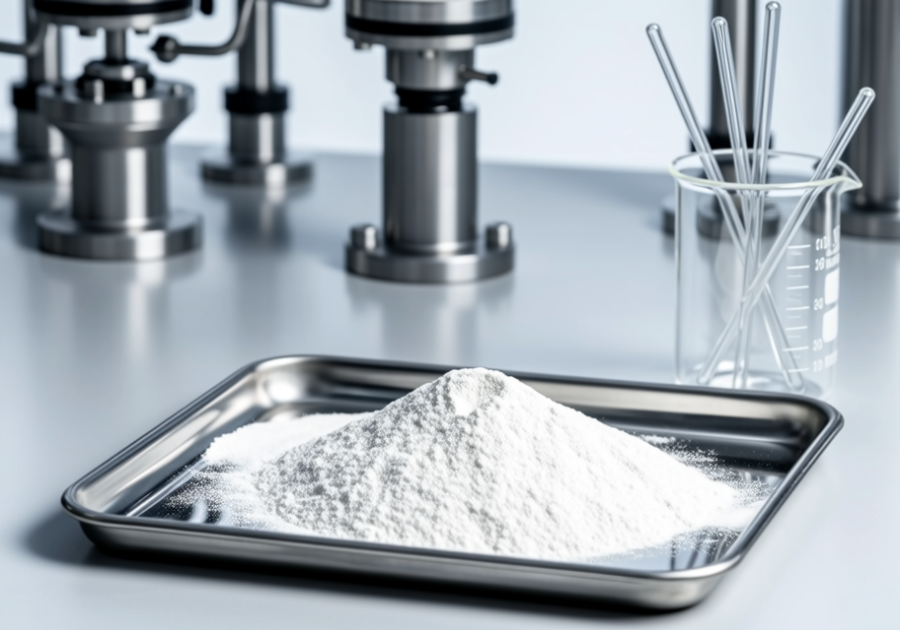
What Is Ethylene Glycol Monovinyl Ether? Everything Explained
Ethylene glycol Monovinyl ether (EGME) is used in the production of brake fluid, plastic, and synthetic rubber. It also has many industrial uses as an ingredient in manufacturing solvents, paints, coating compositions, and fuel additives . This guide will tell you everything you need to know about EGME and how it's currently being used in today's world. If you want to find out where EGME comes from, how it's produced, its safety record, or how it's regulated around the world, keep reading!
What is Ethylene Glycol Monovinyl Ether?
This a chemical used in coolants and hydraulic brake fluids. It is a clear, water-like liquid with a sweet odor and extremely poisonous if ingested. It has been known to cause serious health complications when consumed by humans and animals alike, which makes it essential that you know what types of symptoms to look for as well as how to properly protect yourself from harm when handling EGME.
There are many methods of protection, so read on for specific instructions regarding gloves, eye protection, containment areas, spill cleanup procedures, personal protective equipment (PPE), protective eyewear and training regarding possible outcomes associated with exposure or ingestion of EGME.
What Are Its Uses?
EGME is a glycol ether and can be used in type I butyl acetate. Other uses include as a solvent for coatings, polymers, resins, printing inks, adhesives and elastomers; carrier for pesticides; as an extraction solvent for flavors and fragrances; as a deforming agent in water treatment; as a wetting agent or antifoam in household cleaners, personal care products and pet care products. It is also used as solvents or carriers of printing ink pigments.
The EGME market has witnessed considerable growth owing to its wide range of applications. The product finds application in several industries such as coatings & paints, printing ink, adhesives & sealants, consumer goods and others. The increase in demand from these industries has led to increased consumption of EGME. This has propelled market growth over recent years.
Side Effect of Using Ethylene Glycol Monovinyl Ether?
When you use EGME, you will feel pain in their joints and experience skin rashes as well. Furthermore, it can lead to confusion and a variety of other health issues. However, if you are pregnant then it is not recommended for you because it might affect your unborn baby's development. In addition, excessive dosage of this chemical is not good for your overall health because it has negative effects on your body organs. So, when you are using any kind of medicine or chemical product make sure that you follow all instructions carefully.
If you have heart problems or liver problems then it is advisable to avoid using EGME at all costs. In addition, if you have kidney problems and diabetes then also avoid using it at all costs. Moreover, do not give EGME to children under 12 years old without consulting with a doctor first. It is better to consult with a doctor before starting with any new medicine so that he/she can suggest best treatment options for yourself.
How Long Does it Last?
Ethylene glycol Monovinyl ether has a relatively short shelf life. If you're using it in an industrial setting, it can last up to two years. However, if you're using it in a laboratory setting, it will only last six months. Either way, be sure to store EGME in its original container and keep it away from heat and light as much as possible. That way, you can maximize its lifespan and avoid unnecessary waste.
Where Can I Find This Chemical?
Chemical companies use ethylene EGME, in a variety of products. Common uses include paint strippers and foam fireproofing solutions. When released into soil and water, it can destroy animal and plant life by causing reproductive problems and poisoning aquatic organisms. Industrial chemicals have their place, but these purposes are less than ideal.
Look for alternatives to EGME when you need an industrial chemical. For example, there are several biodegradable substitutes that work just as well as EGME. Some brands even advertise themselves as green or organic. If your job requires using toxic chemicals, be sure to protect yourself with proper safety equipment. Gloves and masks will help keep you safe from accidental contact with dangerous substances.
Final Thoughts
Fortunately, ethylene glycol Monovinyl ether is not easily absorbed by animals and humans. The main source of exposure, however, is through breathing in products that are manufactured with them (e.g., vinyl flooring, which releases these chemicals as a gas). Because it is an odorless gas that has a sweet taste and smell similar to fruit or flowers, inhalation of EGME can lead to injury in humans or animals if concentrations are high enough.
Looking for chemical products? Let suppliers reach out to you!
You May Interested In


2026-09-30
Trade Alert
Delivering the latest product trends and industry news straight to your inbox.
(We'll never share your email address with a third-party.)

Related News
-
Rubber Cement: Applications and Safety Guidelines
-
Salinity Solution: Preparation and Uses
-
ADAMA Targets Sucking Pests with Ateka
-
EFSA Reviews Clodinafop Risk
-
Sodium Benzoate (E211): Safety, Benzene Risk, and Preservative Uses
-
Chemical Properties and Uses of Tetraetil
-
Imidazole: Heterocyclic Chemistry, Antifungal Drugs, and Buffer Systems
-
Hydrogen Peroxide Formula: H2O2 Concentration & Safety
-
France’s Vineyards Find a New Shield: Eden’s Mevalone Enters the Frontline of a Changing Fungicide Era
-
India Unleashes a Triple-Action Defender: Parijat Introduces NILANIX SC into the Rice Battlefront
Recommend Reading
-
![Uses and Properties of 3-Methyl-1-Butanol]()
Uses and Properties of 3-Methyl-1-Butanol
-
![Key Reactions and Uses of Lithium Aluminum Hydride]()
Key Reactions and Uses of Lithium Aluminum Hydride
-
Sodium Metabisulfite: Properties, Uses, and Safety
-
![Bovine Serum Albumin (BSA): Role in Cell Culture & Laboratory Applications]()
Bovine Serum Albumin (BSA): Role in Cell Culture & Laboratory Applications
-
![Cytosine: Structure, DNA Pairing, and Role in Genetics]()
Cytosine: Structure, DNA Pairing, and Role in Genetics
-
![Business Society September 22, 2026 Petroleum Coke Trend Analysis: Volatility]()
Business Society September 22, 2026 Petroleum Coke Trend Analysis: Volatility
-
![Business Society September 23, 2026 Gasoline Trend Analysis: Weakness and Correction]()
Business Society September 23, 2026 Gasoline Trend Analysis: Weakness and Correction
-
![Business Society September 23, 2026 Methanol Trend Analysis: Slightly Bullish with Volatility]()
Business Society September 23, 2026 Methanol Trend Analysis: Slightly Bullish with Volatility
-
![Business Society September 23, 2026 Heavy-Grade Soda Ash Trend Analysis: A Short-Side Rally]()
Business Society September 23, 2026 Heavy-Grade Soda Ash Trend Analysis: A Short-Side Rally
-
![Business Society September 22, 2026 MTBE Trend Analysis: Strong Rebound]()
Business Society September 22, 2026 MTBE Trend Analysis: Strong Rebound