Oil-producing Latin America is also feeling the shock of low crude prices
An oil price war erupted between Saudi Arabia and Russia, causing prices for the commodity to plunge 25 percent [March 9] -- their steepest drop since the Gulf War in 1991. The start of the oil price war coincided with the first global fall in demand since 2009, according to the International Energy Agency. Which oil-producing nations in Latin America and the Caribbean are most at risk from the situation, and what will be the consequences of such low oil prices on their economic and fiscal stability? How should governments in the region respond? What’s behind the price war, and how will the geopolitical dynamics play out this year as they relate to Latin America?
Cleveland Jones, professor and researcher at the National Institute of Oil and Gas at the State University of Rio de Janeiro: The plunge in oil prices after the price war between Saudi Arabia and Russia exposed some uncomfortable realities regarding world oil supply. When prices were at levels that allowed profitable production from most major producers, few dared to discuss how production could be rendered at risk by low oil prices. Now, it is clear that prices could fall below the national budget breakeven levels of many countries, and also below the economic costs of production in some regions. Production from some countries is at risk, while that of others will stand out as most resilient to low prices. Production from Russia and U.S. shale plays will also be hurt, but in Latin America, lost revenues will be severely felt in Venezuela, although production will continue regardless, given the need for foreign exchange. Mexico, Colombia and other Latin American countries risk uneconomical production, despite official claims. They are paying the price for not implementing reasonable energy legislation and reforms. However, underlying geological and technical favorability of production in Brazil’s deepwater and pre-salt plays, and recent reforms that improved the country’s attractiveness, place Brazil in the forefront of world oil plays, both in production potential and resiliency to oil prices. Prolific wells and production costs as low as $5.60 per barrel in the pre-salt ($12.50 per barrel in deepwater plays) ensure that in any price scenario, these regions will remain economically viable and may even assume much greater relevance in the world scenario. Brazil stands to gain while others lose.

You May Interested In


High Quality β-Nicotinamide adenine dinucleotide CAS 53-84-9 NADwith ready stock and best price
$3/UNIT FOB


2026-10-17
Trade Alert
Delivering the latest product trends and industry news straight to your inbox.
(We'll never share your email address with a third-party.)

Related News
-
Saudi Aramco Weighs Discounts of Up to $9/Barrel on Oman STS Crude as Freight Costs Surge
-
Middle East Crude Exports Rebound Sharply in September as Saudi Arabia Returns to Market at 5.4 Million bpd
-
Chemical Products See Over 50% Increase in Prices, Boosted by Crude Oil Rise
-
'Diarrhea' crude oil plummeted, dozens of chemicals dragged down!
-
Global Refining Center of Gravity is Shifting Eastward
-
Crude Oil Rose 5%! Futures and Nenghua Closed Up in A Large Area!
-
Storm! Crude Oil Fell 8%!
-
Can We Make Oil In A Lab
-
IEA agrees to release crude oil emergency reserves again
-
Indian Refiners' March Crude Oil Runs Up 6.4% Year-on-Year
Recommend Reading
-
![Global Chemical Giants Light the Fuse: A TDI/MDI Price Storm Sweeps Asia and Europe—Who’s Fueling This “Cost Carnival”?]()
Global Chemical Giants Light the Fuse: A TDI/MDI Price Storm Sweeps Asia and Europe—Who’s Fueling This “Cost Carnival”?
-
![Russia’s Farm Trade Model Shows Strain]()
Russia’s Farm Trade Model Shows Strain
-
![China’s TiO₂ Industry Launches Sixth Price Hike Wave as More Than 20 Producers Follow]()
China’s TiO₂ Industry Launches Sixth Price Hike Wave as More Than 20 Producers Follow
-
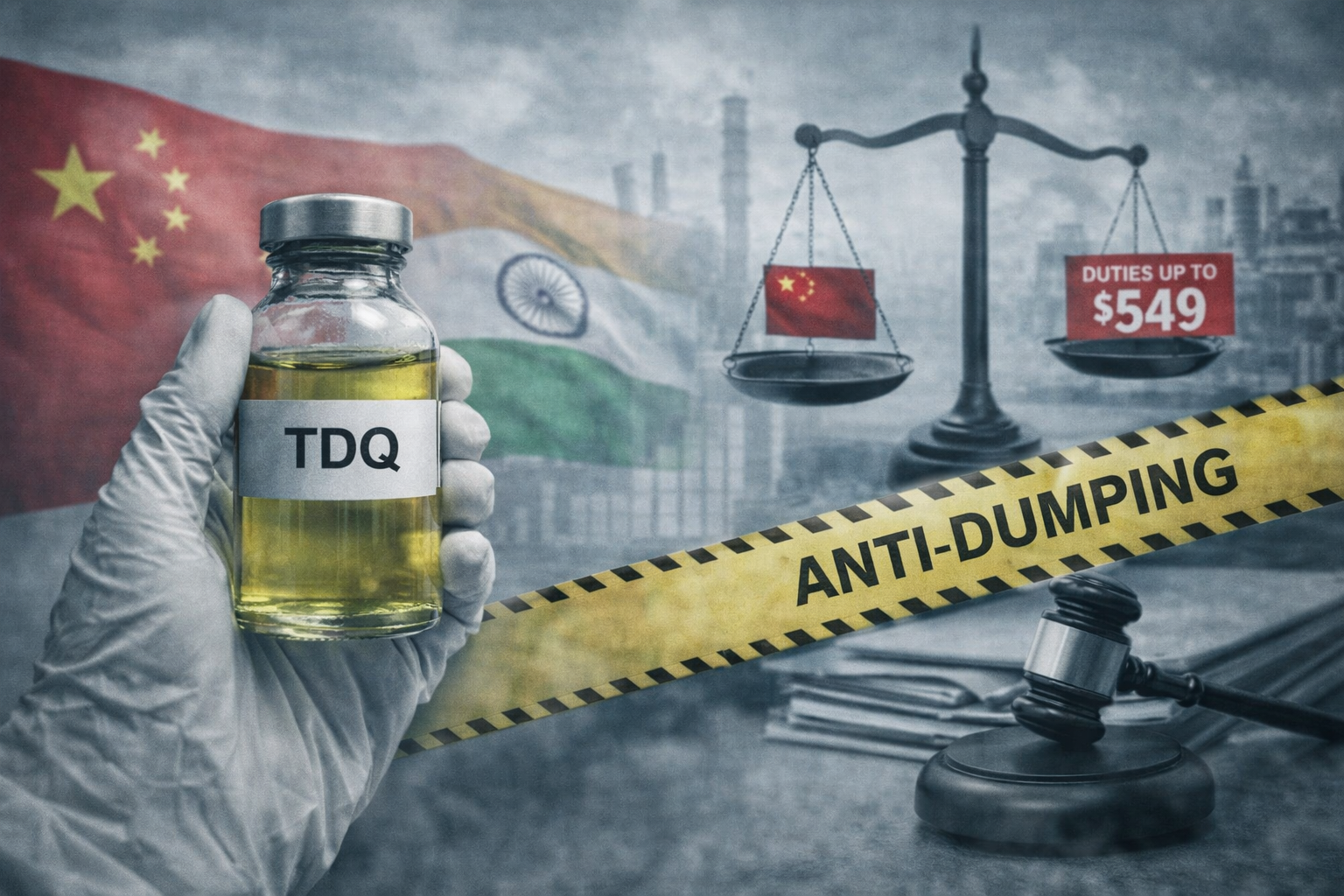
![India Issues Final Anti-Dumping Ruling on Chinese TDQ, with Duties Up to US$549 per Ton]()
India Issues Final Anti-Dumping Ruling on Chinese TDQ, with Duties Up to US$549 per Ton
-
![Deméter Enters China with a Stress-Focused Pitch]()
Deméter Enters China with a Stress-Focused Pitch
-
![Business Society’s MTBE Trend Analysis on September 16, 2026: Strong Consolidation]()
Business Society’s MTBE Trend Analysis on September 16, 2026: Strong Consolidation
-
![Costs Decrease, Weak Demand, October Isobutanol Prices Fluctuate and Decline in China]()
Costs Decrease, Weak Demand, October Isobutanol Prices Fluctuate and Decline in China
-
![MTBE Market Prices Fluctuate and Rise]()
MTBE Market Prices Fluctuate and Rise
-
![Business Society’s September 15, 2026, Petroleum Coke Trend Analysis: Volatile but Relatively Strong]()
Business Society’s September 15, 2026, Petroleum Coke Trend Analysis: Volatile but Relatively Strong
-
![October Ethylene Glycol Prices Weaken Further; November Expected to Start Weak Before Gaining Strength]()
October Ethylene Glycol Prices Weaken Further; November Expected to Start Weak Before Gaining Strength