Product
Supplier
Encyclopedia
Inquiry
Home > Biochemical Engineering > Saccharides > Deoxyuridine for Sale > High Quality Deoxyuridine 99% Powder CAS NO (951-78-0)
High Quality Deoxyuridine 99% Powder CAS NO  (951-78-0) buy - large image1
High Quality Deoxyuridine 99% Powder CAS NO  (951-78-0) buy - image1
High Quality Deoxyuridine 99% Powder CAS NO  (951-78-0) buy - image2
High Quality Deoxyuridine 99% Powder CAS NO  (951-78-0) buy - image3
High Quality Deoxyuridine 99% Powder CAS NO  (951-78-0) buy - image4
High Quality Deoxyuridine 99% Powder CAS NO  (951-78-0) buy - image5
High Quality Deoxyuridine 99% Powder CAS NO  (951-78-0) buy - image6

High Quality Deoxyuridine 99% Powder CAS NO (951-78-0)

Unit Price: Get Latest Price
CAS No.:

951-78-0

Grade:

Industrial Grade

Content:

99%

Port:

Durban

Brand:

Custom

Packaging:

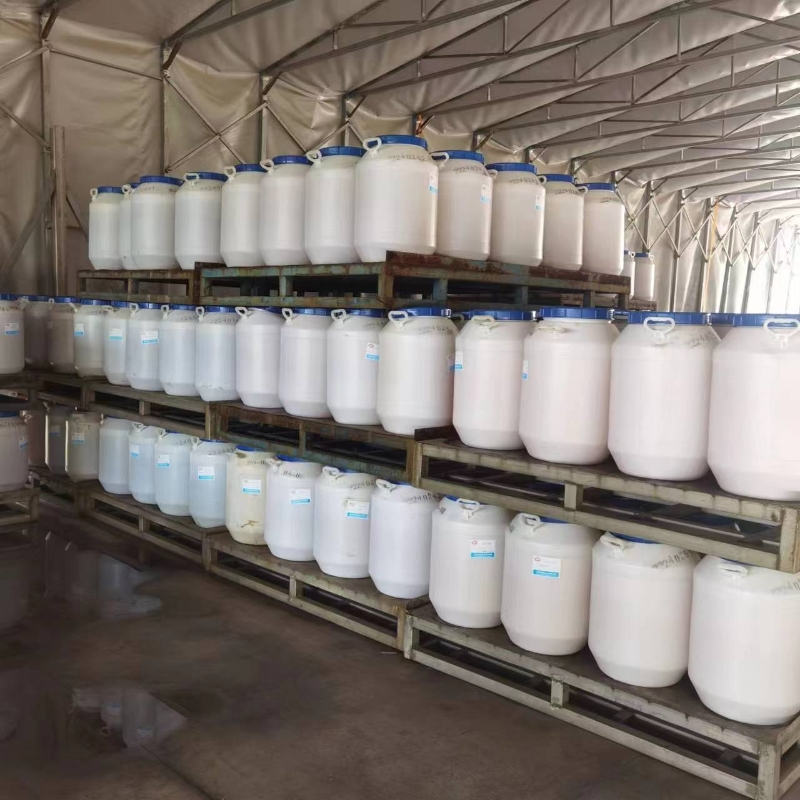
As per customer requirement

Price valid (until):

2024-05-20

Company Type:
Distributor
Location:
South Africa
Qualification:
Main Products:

Sodium Lauryl Ether Sulfate,Caustic Soda,Soda Ash,Citric Acid,Calcium Hypochlorite,Oxalic Acid

  • Product Description

  • Seller Information

  • Description


      Product Detail  


                    1. Introduction to Deoxyuridine (951-78-0): Deoxyuridine is a nucleoside consisting of the nucleobase uracil linked to the sugar deoxyribose. It plays a crucial role in DNA synthesis and repair processes within the body.

                    2. Chemical Composition and Structure: Deoxyuridine's chemical structure comprises the pyrimidine base uracil attached to the 2'-deoxyribose sugar moiety, forming a nucleoside crucial for DNA replication and repair.

                    3. Biological Function: Deoxyuridine serves as a precursor for the synthesis of thymidine, another nucleoside essential for DNA replication. It is involved in the maintenance of genomic integrity and fidelity during cellular division.

                    4. Metabolism: Deoxyuridine is metabolized within cells through various enzymatic pathways, including phosphorylation to form deoxyuridine monophosphate (dUMP), which serves as a substrate for thymidylate synthase in the synthesis of thymidine.

                    5. Clinical Implications: Deoxyuridine levels and metabolism are critical factors in the regulation of DNA synthesis and repair processes. Dysregulation or deficiencies in deoxyuridine metabolism may contribute to genomic instability and predisposition to certain diseases, including cancer.

                    6. Diagnostic and Research Applications: Deoxyuridine incorporation assays are used in research and diagnostic settings to measure DNA synthesis rates and assess cellular proliferation. These assays provide valuable insights into cell cycle kinetics and the efficacy of DNA-targeting therapies.

                    7. Pharmacological Considerations: Deoxyuridine analogs, such as fluorodeoxyuridine (FdUrd), are utilized in cancer therapy as antimetabolites to disrupt DNA synthesis and inhibit tumor cell proliferation. These agents are often administered in combination with other chemotherapeutic drugs for enhanced efficacy.

                    8. Regulation of Deoxyuridine Metabolism: Cellular processes involved in deoxyuridine metabolism, including salvage pathways and enzymatic activities, are tightly regulated to maintain genomic stability and prevent aberrant DNA synthesis. Dysregulation of these pathways can lead to pathological conditions such as cancer or autoimmune diseases.

                    9. Genetic Disorders and Deficiencies: Inherited deficiencies in enzymes involved in deoxyuridine metabolism, such as thymidine phosphorylase or thymidylate synthase, can result in rare genetic disorders characterized by impaired DNA synthesis, neurodevelopmental abnormalities, or immunodeficiency.

                    10. Future Directions and Therapeutic Targets: Further elucidation of the molecular mechanisms governing deoxyuridine metabolism may uncover novel therapeutic targets for the treatment of cancer, autoimmune diseases, and other conditions associated with dysregulated DNA synthesis and repair processes. Additionally, advances in personalized medicine may facilitate the development of targeted therapies tailored to individual patients based on their deoxyuridine metabolism profiles.


      Product Detail  


    Items Specifications
    Chemical Formula C9H12N2O5
    Molecular Weight 228.21 g/mol
    CAS Number 951-78-0
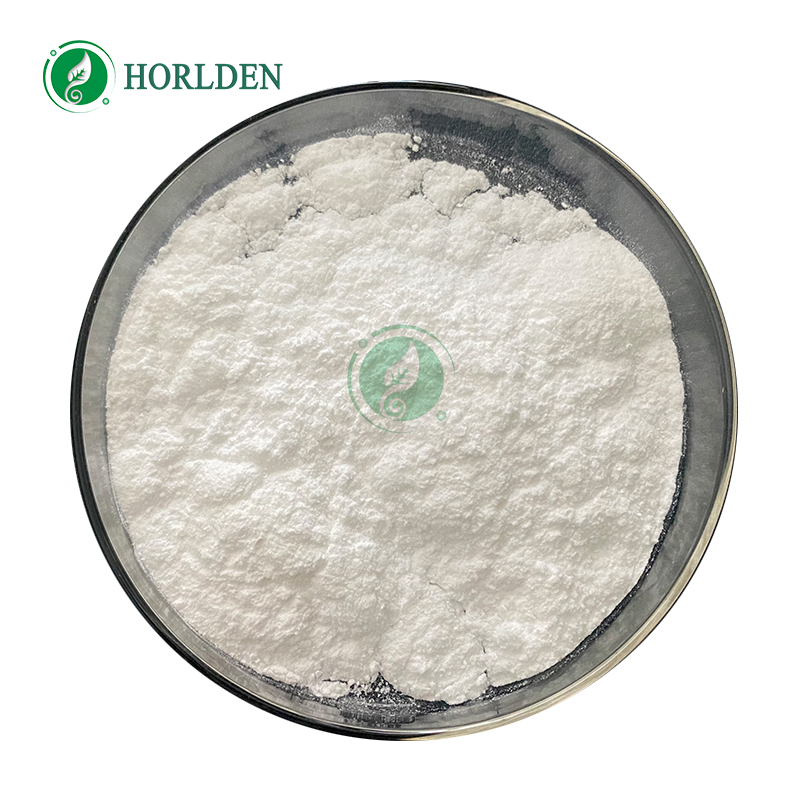
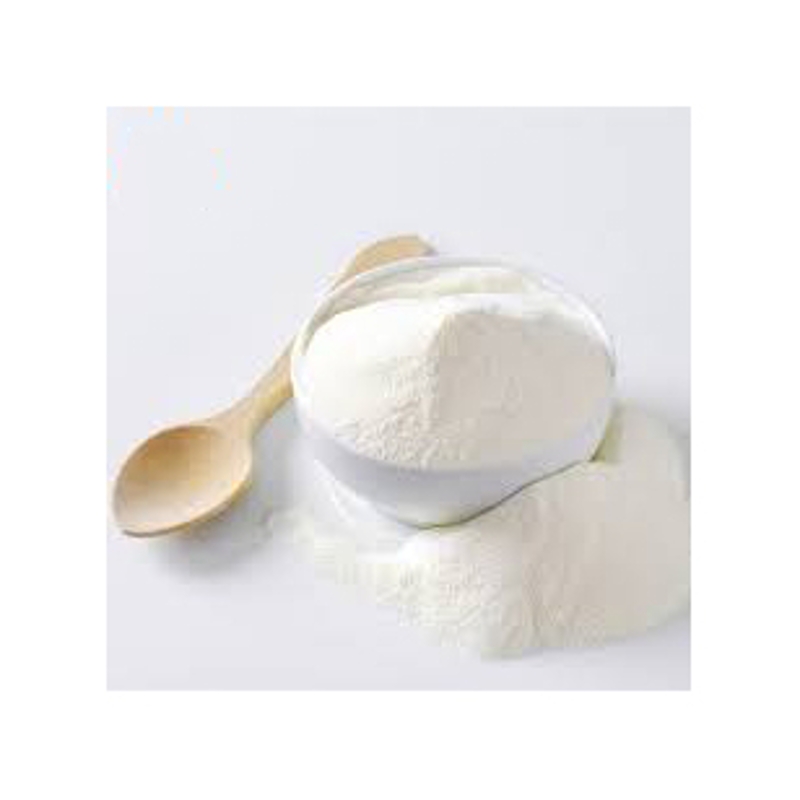
    Appearance White to off-white powder
    Melting Point 165-167°C
    Solubility Soluble in water
    Storage Store at -20°C
    Purity ≥ 98%
    Usage Research chemical
    Stability Stable under recommended storage conditions
    Handling Avoid contact with skin and eyes
    Hazard Statements H315, H319, H335
    Precautionary Statements P261, P264, P271, P280, P302+P352, P304+P340, P305+P351+P338, P312, P321, P332+P313, P337+P313, P362, P403+P233, P405, P501
    Synonyms 2'-Deoxyuridine
    Applications Used in biochemical research, as a nucleoside analog in antiviral drugs


      Product Detail  


    Shop High Quality Deoxyuridine 99% Powder CAS NO  (951-78-0)-Detailed Image 1Shop High Quality Deoxyuridine 99% Powder CAS NO  (951-78-0)-Detailed Image 2Shop High Quality Deoxyuridine 99% Powder CAS NO  (951-78-0)-Detailed Image 3Shop High Quality Deoxyuridine 99% Powder CAS NO  (951-78-0)-Detailed Image 4Shop High Quality Deoxyuridine 99% Powder CAS NO  (951-78-0)-Detailed Image 5Shop High Quality Deoxyuridine 99% Powder CAS NO  (951-78-0)-Detailed Image 6

    Basic Info
    Product Name:

    Deoxyuridine

    Other Name:

    Uridine,2′-deoxy-;2′-Deoxyuridine;Deoxyuridine;Uracil deoxyriboside;2,4(1H,3H)-Pyrimidinedione,1-(2-deoxy-β-D-erythro-pentofuranosyl)-;2,4(1H,3H)-Pyrimidinedione,1-(2-deoxy-β-D-ribofuranosyl)-;Deoxyribose uracil;2′-Desoxyuridine;1-(2-Deoxy-β-D-erythro-pentofuranosyl)uracil;NSC 23615;20649-53-0

    CAS No.:

    951-78-0

    Molecular Formula:

    C9H12N2O5

    InChIKeys:

    InChIKey=MXHRCPNRJAMMIM-SHYZEUOFSA-N

    Molecular Weight:

    228.2

    Exact Mass:

    228.20

    BRN:

    24433

    EC Number:

    213-455-7

    UNII:

    W78I7AY22C

    NCI Thesaurus Code:

    C120006

    HScode:

    29349990

    Categories:

    Saccharides

    Characteristics
    PSA:

    99.1

    XLogP3:

    -1.6

    Appearance:

    White to off-white Powder

    Density:

    1.5±0.1 g/cm3

    Melting Point:

    163 °C

    Refractive Index:

    1.603

    Water Solubility:

    H2O: 300 g/L (20 ºC)

    Storage Conditions:

    0-6°C

    Specific rotation:

    D22 +50° (c = 1.1 in N NaOH)

    Collision Cross Section:

    156 Ų [M+Na]+ [CCS Type: DT, Method: single field calibrated with Agilent tune mix (Agilent)]|145.91 Ų [M-H]- [CCS Type: DT, Method: single field calibrated with Agilent tune mix (Agilent)]|159.45 Ų [M+Na]+ [CCS Type: DT, Method: stepped-field]|151.64 Ų [M-H]- [CCS Type: DT, Method: stepped-field]|156.4 Ų [M+Na]+ [CCS Type: DT, Method: single field calibrated with ESI Low Concentration Tuning Mix (Agilent)]|148.9 Ų [M-H]- [CCS Type: DT, Method: single field calibrated with ESI Low Concentration Tuning Mix (Agilent)]|150 Ų [M-H]-

    Hazard Identification

    Classification of the substance or mixture

    Skin irritation, Category 2

    Eye irritation, Category 2

    Specific target organ toxicity – single exposure, Category 3

    GHS label elements, including precautionary statements

    Pictogram(s)

    Signal word

    Warning

    Hazard statement(s)

    H315 Causes skin irritation

    H319 Causes serious eye irritation

    H335 May cause respiratory irritation

    Precautionary statement(s)
    Prevention

    P264 Wash ... thoroughly after handling.

    P280 Wear protective gloves/protective clothing/eye protection/face protection/hearing protection/...

    P261 Avoid breathing dust/fume/gas/mist/vapours/spray.

    P271 Use only outdoors or in a well-ventilated area.

    Response

    P302+P352 IF ON SKIN: Wash with plenty of water/...

    P321 Specific treatment (see ... on this label).

    P332+P317 If skin irritation occurs: Get medical help.

    P362+P364 Take off contaminated clothing and wash it before reuse.

    P305+P351+P338 IF IN EYES: Rinse cautiously with water for several minutes. Remove contact lenses, if present and easy to do. Continue rinsing.

    P304+P340 IF INHALED: Remove person to fresh air and keep comfortable for breathing.

    P319 Get medical help if you feel unwell.

    Storage

    P403+P233 Store in a well-ventilated place. Keep container tightly closed.

    P405 Store locked up.

    Disposal

    P501 Dispose of contents/container to an appropriate treatment and disposal facility in accordance with applicable laws and regulations, and product characteristics at time of disposal.

    Other hazards which do not result in classification

    no data available

    Handling and Storage

    Precautions for safe handling

    Handling in a well ventilated place. Wear suitable protective clothing. Avoid contact with skin and eyes. Avoid formation of dust and aerosols. Use non-sparking tools. Prevent fire caused by electrostatic discharge steam.

    Conditions for safe storage, including any incompatibilities

    Store the container tightly closed in a dry, cool and well-ventilated place. Store apart from foodstuff containers or incompatible materials.

  • Seller Information
    Business Type:

    Distributor

    Main Products:

    Sodium Lauryl Ether Sulfate,Caustic Soda,Soda Ash,Citric Acid,Calcium Hypochlorite,Oxalic Acid

    Location:

    13 PROTEA PARK MILKWOOD STREET RANGEVIEW GAUTENG 1739

    Payment Terms:

    TT against copy of documents,TT against B/L draft before shipment

    Average lead Time:

    60

    Total Annual Revenue:

    $1 million-$2.5 million

    Total Employees:

    11-50

    Year of Establishment:

    2012

  • Country Product Purchase Quantity Date Posted
    Post an enquiry for this product
pic ×

Scan the QR Code to Share

All products displayed on this website are only for non-medical purposes such as industrial applications or scientific research, and cannot be used for clinical diagnosis or treatment of humans or animals. They are not medicinal or edible.

According to relevant laws and regulations and the regulations of this website, units or individuals who purchase hazardous materials should obtain valid qualifications and qualification conditions.

The information shown above is provided by the enterprise itself, and the authenticity, accuracy and legitimacy of the content are the responsibility of the publishing company. ECHEMI does not bear any guarantee responsibility for this. Please be aware that risks in internet transactions objectively exist.

Feedback & Suggestions
Send Message

Thank you for your feedback. If you require further assistance, please contact us by email at info@echemi.com or call us at +86-532-55729510.