Product
Supplier
Encyclopedia
Inquiry
Home > Organic Chemistry > Cyanates > Cyanuric acid for Sale > Cyanuric acid 97% White to light beige solid Cyanuric acid-15N3 99%
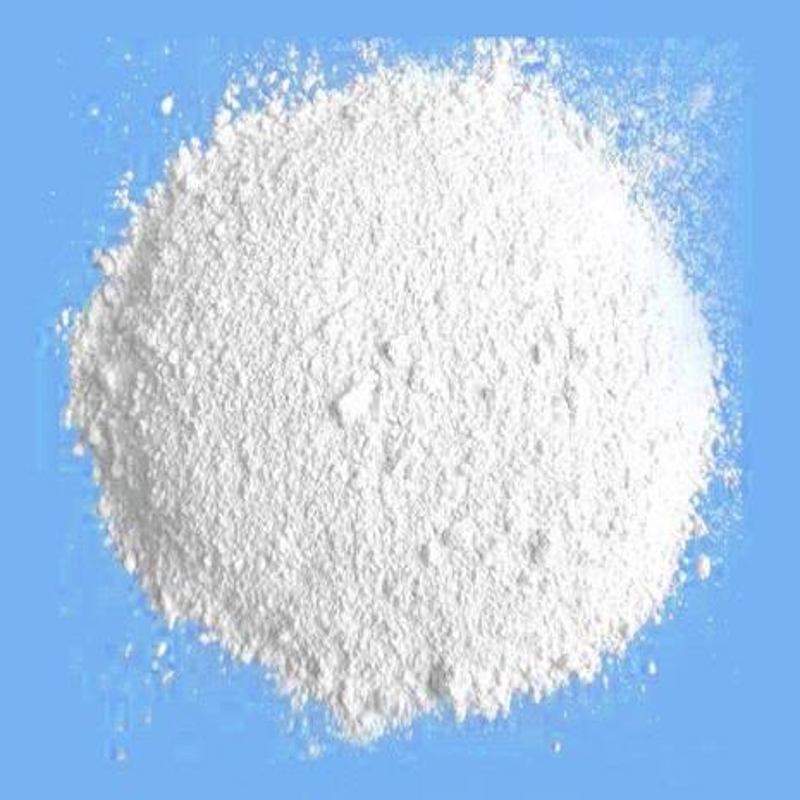
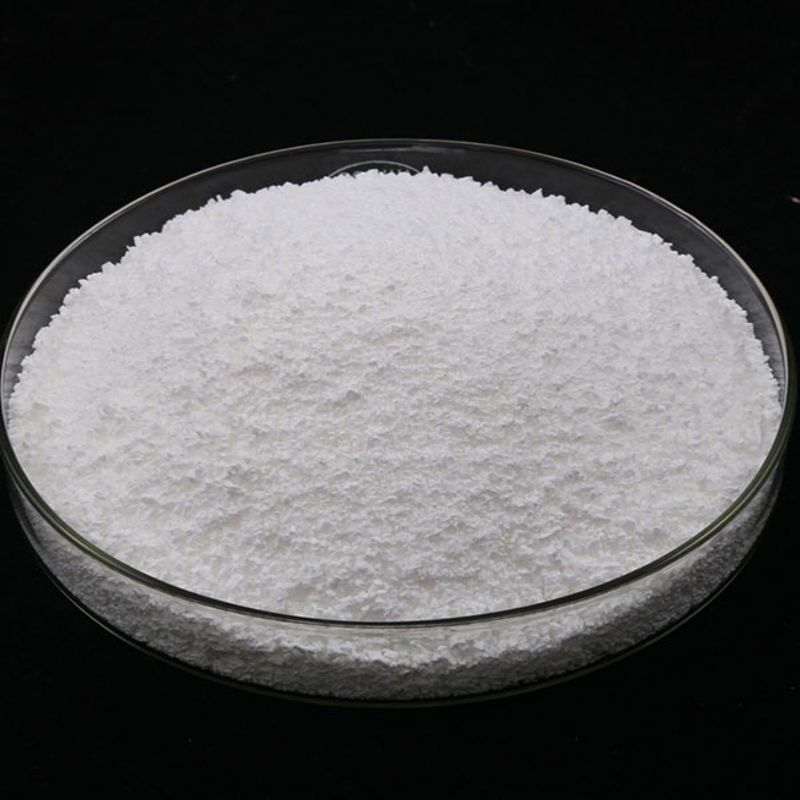
Cyanuric acid 97% White to light beige solid Cyanuric acid-15N3 99% buy - large image1
Cyanuric acid 97% White to light beige solid Cyanuric acid-15N3 99% buy - image1
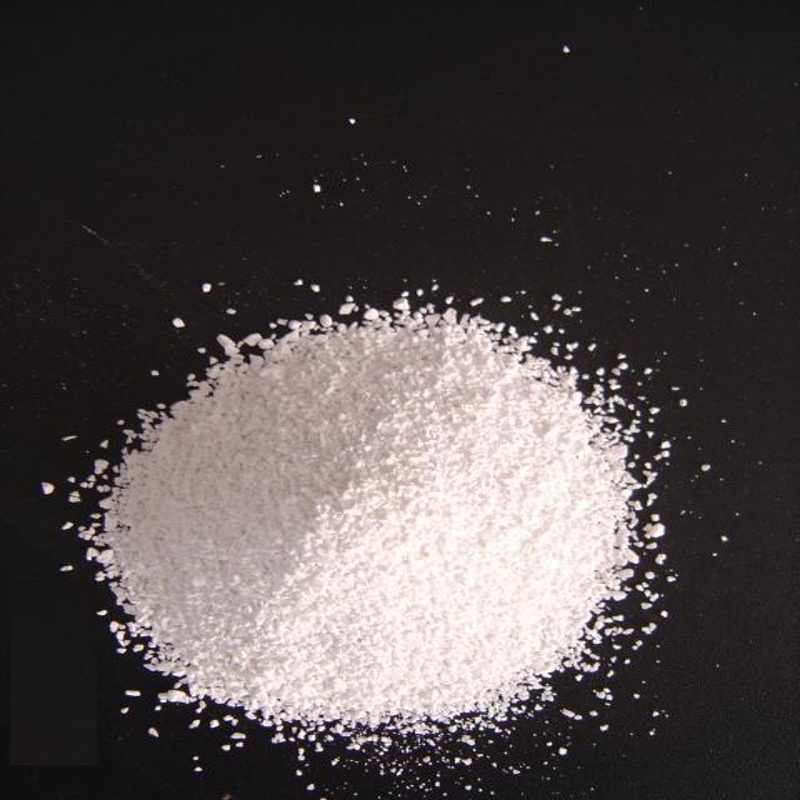
Cyanuric acid 97% White to light beige solid Cyanuric acid-15N3 99% buy - image2
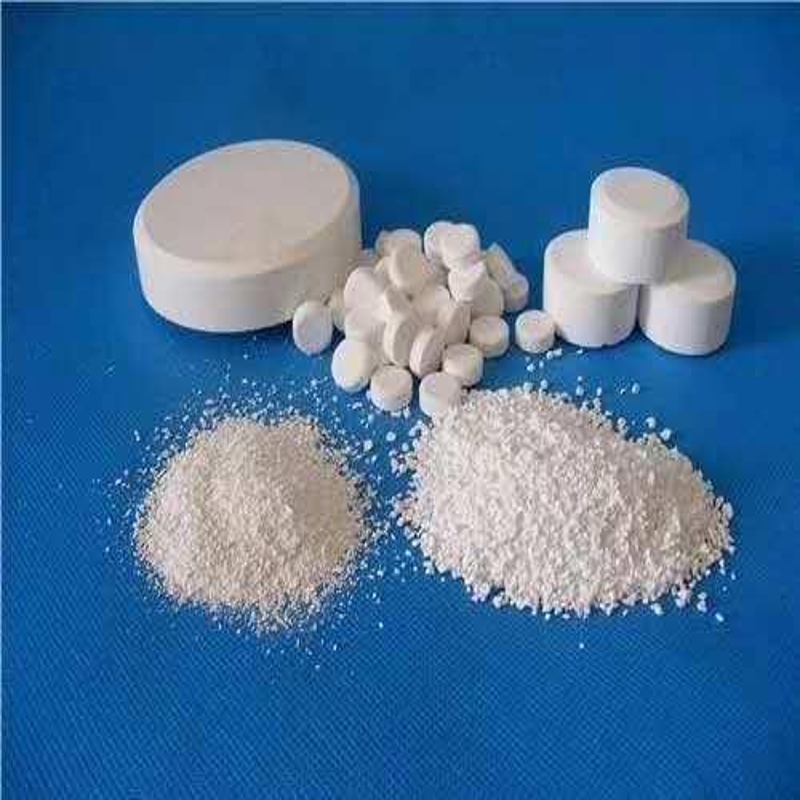
Cyanuric acid 97% White to light beige solid Cyanuric acid-15N3 99% buy - image3
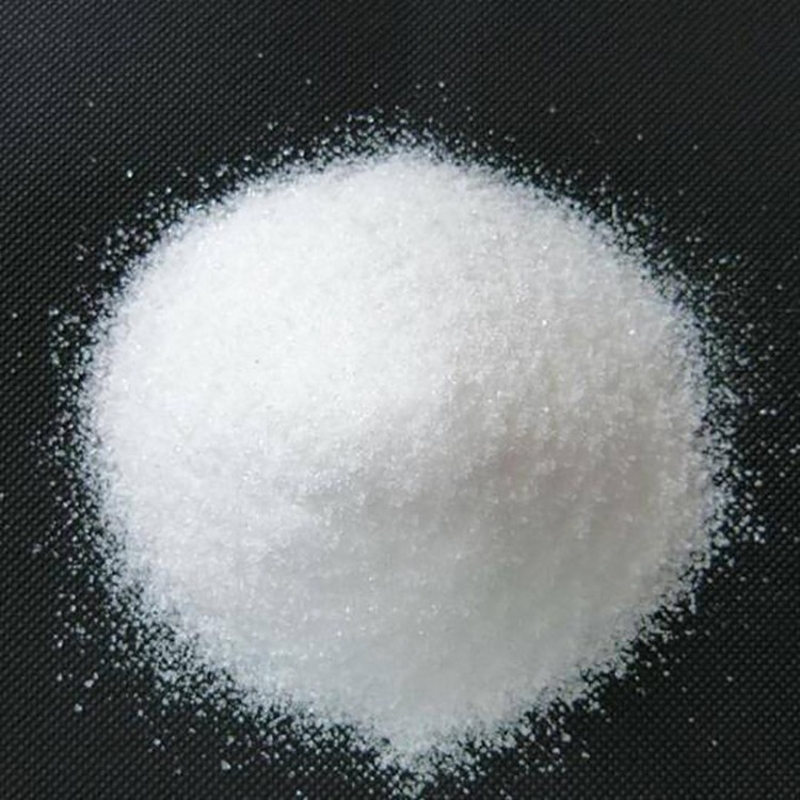
Cyanuric acid 97% White to light beige solid Cyanuric acid-15N3 99% buy - image4
Cyanuric acid 97% White to light beige solid Cyanuric acid-15N3 99% buy - image5
Cyanuric acid 97% White to light beige solid Cyanuric acid-15N3 99% buy - image6

Cyanuric acid 97% White to light beige solid Cyanuric acid-15N3 99%

5 Inquiries

Unit Price: Get Latest Price
CAS No.:

108-80-5

Grade:

Industrial Grade

Content:

98.5%

Port:

Shanghai

Brand:

EAST CHEMSOURCES LIMITED

Packaging:

25kg/bag

Price valid (until):

2024-05-22

Company Type:
Trader
Location:
China
Qualification:
Main Products:

Food additives,Pharmaceutical raw materials,Chemicals,Comestic raw materials

  • Product Description

  • Seller Information

  • Inquiry History

  • Description

    Shop Manufactory chlorine granules swimming pool 98.5% Purity Chemical Grade Raw Material Cyanuric Acid Granular-Detailed Image 1

    SAFETY DATA SHEETS

    According to the UN GHS revision 9

    Version: 1.0

    Creation Date: July 15, 2019

    Revision Date: July 15, 2019

    SECTION 1: Identification

    1.1GHS Product identifier

    Product name

    Cyanuric acid

    1.2Other means of identification

    Product number

    -

    Other names

    1,3,5-Triazine-2,4,6-triol,2,4,6-Trihydroxy-1,3,5-triazine; cp4789; Triuret

    1.3Recommended use of the chemical and restrictions on use

    Identified uses

    Industrial and scientific research use.

    Uses advised against

    no data available


    SECTION 2: Hazard identification

    2.1Classification of the substance or mixture

    Not classified.

    2.2GHS label elements, including precautionary statements

    Pictogram(s) No symbol.
    Signal word

    No signal word

    Hazard statement(s)

    none

    Precautionary statement(s)
    Prevention

    none

    Response

    none

    Storage

    none

    Disposal

    none

    2.3Other hazards which do not result in classification

    no data available

    SECTION 3: Composition/information on ingredients

    3.1Substances

    Chemical name Common names and synonyms CAS number EC number Concentration
    Cyanuric acid Cyanuric acid 108-80-5 203-618-0 100%

    SECTION 4: First-aid measures

    4.1Description of necessary first-aid measures

    If inhaled

    Fresh air, rest.

    Following skin contact

    Rinse and then wash skin with water and soap.

    Following eye contact

    Rinse with plenty of water for several minutes (remove contact lenses if easily possible).

    Following ingestion

    Rinse mouth.

    4.2Most important symptoms/effects, acute and delayed

    SYMPTOMS: Symptoms of exposure to this compound include, local irritation of the eyes. ACUTE/CHRONIC HAZARDS: Highly toxic. Hazardous decomposition products. (NTP, 1992)

    4.3Indication of immediate medical attention and special treatment needed, if necessary

    Basic treatment: Establish a patent airway (oropharyngeal or nasopharyngeal airway, if needed). Suction if necessary. Watch for signs of respiratory insufficiency and assist respirations if necessary. Administer oxygen by nonrebreather mask at 10 to 15 L/min. Monitor for pulmonary edema and treat if necessary . Monitor for shock and treat if necessary . For eye contamination, flush eyes immediately with water. Irrigate each eye continuously with 0.9% saline (NS) during transport . Do not use emetics. For ingestion, rinse mouth and administer 5 mL/kg up to 200 mL of water for dilution if the patient can swallow, has a strong gag reflex, and does not drool. Activated charcoal is not effective . Do not attempt to neutralize because of exothermic reaction. Cover skin burns with dry, sterile dressings after decontamination . Organic acids and related compounds

    SECTION 5: Fire-fighting measures

    5.1Suitable extinguishing media

    Water spray, alcohol resistant foam, powder, carbon dioxide.

    5.2Specific hazards arising from the chemical

    Gives off irritating or toxic fumes (or gases) in a fire.

    5.3Special protective actions for fire-fighters

    Use water spray, alcohol-resistant foam, powder, carbon dioxide. In case of fire: keep drums, etc., cool by spraying with water.

    SECTION 6: Accidental release measures

    6.1Personal precautions, protective equipment and emergency procedures

    Personal protection: particulate filter respirator adapted to the airborne concentration of the substance. Sweep spilled substance into covered containers. Carefully collect remainder. Then store and dispose of according to local regulations.

    6.2Environmental precautions

    Personal protection: particulate filter respirator adapted to the airborne concentration of the substance. Sweep spilled substance into covered containers. Carefully collect remainder. Then store and dispose of according to local regulations.

    6.3Methods and materials for containment and cleaning up

    Alkali and thermal treatment in filtration and precipitation was used to remove cyanuric acid from wastewaters.

    SECTION 7: Handling and storage

    7.1Precautions for safe handling

    Handling in a well ventilated place. Wear suitable protective clothing. Avoid contact with skin and eyes. Avoid formation of dust and aerosols. Use non-sparking tools. Prevent fire caused by electrostatic discharge steam.

    7.2Conditions for safe storage, including any incompatibilities

    Dry. Well closed. Separated from chlorine.Cyanuric acid should be stored in a dry place. Silos and pneumatic conveyors should be grounded to prevent electrostatic discharges.

    SECTION 8: Exposure controls/personal protection

    8.1Control parameters

    Occupational Exposure limit values

    no data available

    Biological limit values

    no data available

    8.2Appropriate engineering controls

    Ensure adequate ventilation. Handle in accordance with good industrial hygiene and safety practice. Set up emergency exits and the risk-elimination area.

    8.3Individual protection measures, such as personal protective equipment (PPE)

    Eye/face protection

    Wear safety spectacles.

    Skin protection

    Protective gloves.

    Respiratory protection

    Use local exhaust or breathing protection.

    Thermal hazards

    no data available

    SECTION 9: Physical and chemical properties and safety characteristics

    Physical state

    Solid. Powder.

    Colour

    White.

    Odour

    Odorless

    Melting point/freezing point

    320 - 375 °C.

    Boiling point or initial boiling point and boiling range

    318°C(lit.)

    Flammability

    Gives off irritating or toxic fumes (or gases) in a fire.

    Lower and upper explosion limit/flammability limit

    no data available

    Flash point

    74°C(lit.)

    Auto-ignition temperature

    no data available

    Decomposition temperature

    320-360°C

    pH

    pH of saturated aqueous solution @ room temperature = 4.8

    Kinematic viscosity

    no data available

    Solubility

    0.5 mL (NTP, 1992)

    Partition coefficient n-octanol/water

    log Pow = -1.31. Temperature:25 °C. Remarks:PH not reported.

    Vapour pressure

    0mmHg at 25°C

    Density and/or relative density

    1.78. Temperature:23 °C.

    Relative vapour density

    no data available

    Particle characteristics

    no data available

    SECTION 10: Stability and reactivity

    10.1Reactivity

    Decomposes at >320°C. This produces toxic fumes including nitrogen oxides and isocyanic acid. Reacts with chlorine. This generates explosion hazard.

    10.2Chemical stability

    no data available

    10.3Possibility of hazardous reactions

    An amide and amine. Organic amides/imides react with azo and diazo compounds to generate toxic gases. Flammable gases are formed by the reaction of organic amides/imides with strong reducing agents. Amides are very weak bases (weaker than water). Imides are less basic yet and in fact react with strong bases to form salts. That is, they can react as acids. Mixing amides with dehydrating agents such as P2O5 or SOCl2 generates the corresponding nitrile. The combustion of these compounds generate mixed oxides of nitrogen (NOx)

    10.4Conditions to avoid

    no data available

    10.5Incompatible materials

    Reacts with chlorine causing explosion hazard.

    10.6Hazardous decomposition products

    The substance decomposes on heating above 320-350 deg C producing (highly) toxic fumes including nitrogen oxides and cyanic acid.

    SECTION 11: Toxicological information

    Acute toxicity

    • Oral: LD50 - rat (male/female) - > 5 000 mg/kg bw.
    • Inhalation: no data available
    • Dermal: LD50 - rabbit (male/female) - > 5 000 mg/kg bw.

    Skin corrosion/irritation

    no data available

    Serious eye damage/irritation

    no data available

    Respiratory or skin sensitization

    no data available

    Germ cell mutagenicity

    no data available

    Carcinogenicity

    no data available

    Reproductive toxicity

    no data available

    STOT-single exposure

    The substance is mildly irritating to the eyes.

    STOT-repeated exposure

    no data available

    Aspiration hazard

    A harmful concentration of airborne particles can be reached quickly when dispersed, especially if powdered.

    SECTION 12: Ecological information

    12.1Toxicity

    • Toxicity to fish: LC50 - Lepomis macrochirus - > 1 000 mg/L - 96 h.
    • Toxicity to daphnia and other aquatic invertebrates: LC50 - Daphnia magna - > 1 000 mg/L - 48 h.
    • Toxicity to algae: EbC50 - Navicula pelliculosa - 2 700 mg/L - 72 h.
    • Toxicity to microorganisms: EC50 - activated sludge of a predominantly domestic sewage - > 4 500 mg/L - 3 h. Remarks:Respiration rate.

    12.2Persistence and degradability

    AEROBIC: A study using a Warburg respirometer with acclimated sewage sludge and 100 mg cyanuric acid found that cyanuric acid was inhibitory to biodegradation(1). Another study using COD, TOC, and UV with activated sludge found no degradation with cyanuric acid even with acclimated sludge(2). Cyanuric acid completely degraded in a study using s-triazine herbicide production wastes, HPLC and mixed (aerobic and anaerobic) bacteria cultures(4). Biodegradation of cyanuric acid by aerated activated sludge ranges from 14% at 8.7 mg/L DO and 5 hours, to 100% at 2.5 mg/L DO and 10 hours(5). After 16 days, 87% of labeled cyanuric acid had evolved as 14-CO2 and after 192 days, the percentage had increased to 99% in grab samples of aerobic soils (cyanuric acid concN 2.5 ppm)(3). In grab samples of saturated soil, 83% of labeled cyanuric acid had evolved as 14CO2 after 66 days, and after 375 days, the percentage increased to 99% (cyanuric acid concN 2.5 ppm)(3).

    12.3Bioaccumulative potential

    BCF values of <0.1 and <0.5 were derived for cyanuric acid at concentrations of 10 and 1 mg/L, respectively, and using orange-red killifish (Oryzias latipes) which were exposed over an 6-week period(1). According to a classification scheme(2), this BCF range suggests bioconcentration in aquatic organisms is low(SRC).

    12.4Mobility in soil

    The Koc of cyanuric acid is estimated as 58(SRC), using a water solubility of 2,593 mg/L(1) and a regression-derived equation(2). According to a classification scheme(3), this estimated Koc value suggests that cyanuric acid is expected to have high mobility in soil. The pKa of cyanuric acid is 6.88(4), indicating that this compound will partially exist in the anion form in the environment and anions generally do not adsorb more strongly to soils containing organic carbon and clay than their neutral counterparts(5).

    12.5Other adverse effects

    no data available

    SECTION 13: Disposal considerations

    13.1Disposal methods

    Product

    The material can be disposed of by removal to a licensed chemical destruction plant or by controlled incineration with flue gas scrubbing. Do not contaminate water, foodstuffs, feed or seed by storage or disposal. Do not discharge to sewer systems.

    Contaminated packaging

    Containers can be triply rinsed (or equivalent) and offered for recycling or reconditioning. Alternatively, the packaging can be punctured to make it unusable for other purposes and then be disposed of in a sanitary landfill. Controlled incineration with flue gas scrubbing is possible for combustible packaging materials.

    SECTION 14: Transport information

    14.1UN Number

    ADR/RID: Not dangerous goods. (For reference only, please check.) IMDG: Not dangerous goods. (For reference only, please check.) IATA: Not dangerous goods. (For reference only, please check.)

    14.2UN Proper Shipping Name

    ADR/RID: Not dangerous goods. (For reference only, please check.) IMDG: Not dangerous goods. (For reference only, please check.) IATA: Not dangerous goods. (For reference only, please check.)

    14.3Transport hazard class(es)

    ADR/RID: Not dangerous goods. (For reference only, please check.) IMDG: Not dangerous goods. (For reference only, please check.) IATA: Not dangerous goods. (For reference only, please check.)

    14.4Packing group, if applicable

    ADR/RID: Not dangerous goods. (For reference only, please check.) IMDG: Not dangerous goods. (For reference only, please check.) IATA: Not dangerous goods. (For reference only, please check.)

    14.5Environmental hazards

    ADR/RID: No IMDG: No IATA: No

    14.6Special precautions for user

    no data available

    14.7Transport in bulk according to IMO instruments

    no data available

    SECTION 15: Regulatory information

    15.1Safety, health and environmental regulations specific for the product in question

    Chemical name Common names and synonyms CAS number EC number
    Cyanuric acid Cyanuric acid 108-80-5 203-618-0
    European Inventory of Existing Commercial Chemical Substances (EINECS) Listed.
    EC Inventory Listed.
    United States Toxic Substances Control Act (TSCA) Inventory Listed.
    China Catalog of Hazardous chemicals 2015 Not Listed.
    New Zealand Inventory of Chemicals (NZIoC) Listed.
    Philippines Inventory of Chemicals and Chemical Substances (PICCS) Listed.
    Vietnam National Chemical Inventory Listed.
    Chinese Chemical Inventory of Existing Chemical Substances (China IECSC) Listed.
    Korea Existing Chemicals List (KECL) Listed.

    SECTION 16: Other information

    Information on revision

    Creation Date July 15, 2019
    Revision Date July 15, 2019

    Abbreviations and acronyms

    • CAS: Chemical Abstracts Service
    • ADR: European Agreement concerning the International Carriage of Dangerous Goods by Road
    • RID: Regulation concerning the International Carriage of Dangerous Goods by Rail
    • IMDG: International Maritime Dangerous Goods
    • IATA: International Air Transportation Association
    • TWA: Time Weighted Average
    • STEL: Short term exposure limit
    • LC50: Lethal Concentration 50%
    • LD50: Lethal Dose 50%
    • EC50: Effective Concentration 50%

    Pls input...

    Shop Manufactory chlorine granules swimming pool 98.5% Purity Chemical Grade Raw Material Cyanuric Acid Granular-Detailed Image 2

    Items Specifications
    Cyanuric acid content % ≥98.5
    Drying weight loss % ≤ 0.5
    Ignition residue ≤ 0.1
    PH value of 1% aqueous solution ≥4.0
    Fe ppm ≤25
    Sulfate % ≤0.5

    Shop Manufactory chlorine granules swimming pool 98.5% Purity Chemical Grade Raw Material Cyanuric Acid Granular-Detailed Image 3

    Shop Manufactory chlorine granules swimming pool 98.5% Purity Chemical Grade Raw Material Cyanuric Acid Granular-Detailed Image 4

    Shop Manufactory chlorine granules swimming pool 98.5% Purity Chemical Grade Raw Material Cyanuric Acid Granular-Detailed Image 5Shop Manufactory chlorine granules swimming pool 98.5% Purity Chemical Grade Raw Material Cyanuric Acid Granular-Detailed Image 6

    Basic Info
    Product Name:

    Cyanuric acid

    Other Name:

    1,3,5-Triazine-2,4,6(1H,3H,5H)-trione;Isocyanuric acid;s-Triazine-2,4,6(1H,3H,5H)-trione;Cyanuric acid;Tricyanic acid;Trihydroxycyanidine;2,4,6-Trihydroxy-1,3,5-triazine;s-Triazine-2,4,6-triol;Pseudocyanuric acid;2,4,6-Trihydroxy-s-triazine;2,4,6-Trioxohexahydro-1,3,5-triazine;5-Azabarbituric acid;ICA-P;1,3,5-Triazine-2,4,6-trione;NSC 6284;1,3,5-Triazine-2,4,6-triol;[1,3,5]Triazine-2,4,6-triol;134016-52-7;504-19-8;273203-07-9

    CAS No.:

    108-80-5

    Molecular Formula:

    C3H3N3O3

    InChIKeys:

    InChIKey=ZFSLODLOARCGLH-UHFFFAOYSA-N

    Molecular Weight:

    129.07

    Exact Mass:

    129.07

    BRN:

    126982

    EC Number:

    211-620-8

    UNII:

    H497R4QKTZ

    ICSC Number:

    1313

    NSC Number:

    6284

    DSSTox ID:

    DTXSID7024873

    Color/Form:

    White crystalline solid|CRYSTALLINE POWDER

    HScode:

    29336980

    Categories:

    Cyanates

    Characteristics
    PSA:

    87.3

    XLogP3:

    -1.2

    Appearance:

    White to light beige Crystalline Powder or Lumps

    Density:

    2.500 g/cm3 @ Temp: 20 °C

    Melting Point:

    360 °C

    Boiling Point:

    155-158 °C

    Flash Point:

    433.6±28.2 °C

    Refractive Index:

    1.4500 (estimate)

    Water Solubility:

    H2O: 0.3 g/100mL (25 ºC);soluble in sulfuric acid, dimethylformamide, sodium hydroxide, potassium hydroxide and diemthyl sulfoxide. Slightly soluble in acetone, benzene, diethyl ether, ethanol and hexane. Insoluble in cold methanol, benzene and chloroform.

    Storage Conditions:

    0-6°C

    Vapor Pressure:

    Vapour pressure, Pa at 25°C:

    Toxicity:

    LD50 orally in rats: >5.00 g/kg (Canelli)

    Odor:

    Odorless

    Taste:

    Slightly bitter

    PH:

    pH of saturated aqueous solution @ room temperature = 4.8

    Henrys Law Constant:

    Henry's Law constant = 8.74X10⁻¹⁵ atm-cu m/mol at 25 °C (est)

    Dissociation Constants:

    pKa1 = 6.88; pKa2 = 11.40; pKa3 = 13.5

    Experimental Properties:

    SOL IN PYRIDINE; INSOL IN ACETIC ACID; MAX ABSORPTION (WATER PH= 8): 214 NM (LOG E= 4.01); DENSITY: 1.768 @ 0 °C; SADTLER REFERENCE NUMBER: 7027 (IR, PRISM) /DIHYDRATE/|1 MG/L= 189 PPM; 1 PPM= 5.28 MG/CU M; TENDS TO FORM SUPERSATURATED SOLUTIONS|Forms dihydrate in aqueous solution; crystalizes as colorless monoclinic prisms that efforesce in dry air. Predominant tautomeric form in solid state and solution is keto form, isocyanuric acid; in basic solutions the enol form is more stable.|Hydroxyl radical reaction rate constant = 3.0X10⁻¹² cu cm/molec-sec at 25 °C (est)

    Air and Water Reactions:

    Soluble in hot water [Hawley].

    Reactive Group:

    Amides and Imides

    Reactivity Profile:

    An amide and amine. Organic amides/imides react with azo and diazo compounds to generate toxic gases. Flammable gases are formed by the reaction of organic amides/imides with strong reducing agents. Amides are very weak bases (weaker than water). Imides are less basic yet and in fact react with strong bases to form salts. That is, they can react as acids. Mixing amides with dehydrating agents such as P2O5 or SOCl2 generates the corresponding nitrile. The combustion of these compounds generate mixed oxides of nitrogen (NOx)

    Hazard Identification

    Classification of the substance or mixture

    Not classified.

    GHS label elements, including precautionary statements

    Pictogram(s) No symbol.
    Signal word

    No signal word

    Hazard statement(s)

    none

    Precautionary statement(s)
    Prevention

    none

    Response

    none

    Storage

    none

    Disposal

    none

    Other hazards which do not result in classification

    no data available

    Handling and Storage

    Precautions for safe handling

    Handling in a well ventilated place. Wear suitable protective clothing. Avoid contact with skin and eyes. Avoid formation of dust and aerosols. Use non-sparking tools. Prevent fire caused by electrostatic discharge steam.

    Conditions for safe storage, including any incompatibilities

    Dry. Well closed. Separated from chlorine.Cyanuric acid should be stored in a dry place. Silos and pneumatic conveyors should be grounded to prevent electrostatic discharges.

  • Seller Information
    Business Type:

    Trader

    Main Products:

    Food additives,Pharmaceutical raw materials,Chemicals,Comestic raw materials

    Location:

    Room 501, Unit 6, No. 40, hushan road,Licang,Qingdao

    Payment Terms:

    TT against copy of documents,TT against B/L draft before shipment,100% TT in advance

    Average lead Time:

    10

    Total Annual Revenue:

    $1 million-$2.5 million

    Total Employees:

    11-50

    Year of Establishment:

    2017

    QINGDAO EASTCHEMSORCES TRADE LIMITED is a leading Manufactory supplier of Sorbitol, Citric acid, Sodium hypochlorite based in Qingdao, Shandong, China. With a commitment to quality and customer satisfaction, QINGDAO EASTCHEMSORCES TRADE LIMITED has become a trusted name in the industry. Our product line includes a range of high-quality Sorbitol, Citric acid, Sodium hypochlorite, which are available at competitive prices. QINGDAO EASTCHEMSORCES TRADE LIMITED has established itself as a reliable supplier of chemical products on the echemi.com.

  • Inquiry History
    5 Inquiries
    Country Product Purchase Quantity Date Posted
    United Arab Emirates

    CYANURIC ACID

    100 KG Mar 25, 2026
    India

    Cyanuric Acid

    20 MT May 28, 2024
    India

    Cyanuric Acid

    100 KG Oct 28, 2025
    Malaysia

    chlorine granules swimming pool 98.5% Purity Chemical Grade Raw Material Cyanuric Acid Granular

    1 KG Nov 2, 2023
    Saudi Arabia

    Cyanuric acid

    150 KG Jun 7, 2023
    Post an enquiry for this product
pic ×

Scan the QR Code to Share

All products displayed on this website are only for non-medical purposes such as industrial applications or scientific research, and cannot be used for clinical diagnosis or treatment of humans or animals. They are not medicinal or edible.

According to relevant laws and regulations and the regulations of this website, units or individuals who purchase hazardous materials should obtain valid qualifications and qualification conditions.

The information shown above is provided by the enterprise itself, and the authenticity, accuracy and legitimacy of the content are the responsibility of the publishing company. ECHEMI does not bear any guarantee responsibility for this. Please be aware that risks in internet transactions objectively exist.

Feedback & Suggestions
Send Message

Thank you for your feedback. If you require further assistance, please contact us by email at info@echemi.com or call us at +86-532-55729510.