Product
Supplier
Encyclopedia
Inquiry
Home > Organic Chemistry > Amides > 1,3-Propanediamine for Sale > Best Seller Of Propanediamine CAS NO (109-76-2) In large quantity
Best Seller Of Propanediamine CAS NO  (109-76-2) In large quantity buy - large image1
Best Seller Of Propanediamine CAS NO  (109-76-2) In large quantity buy - image1
Best Seller Of Propanediamine CAS NO  (109-76-2) In large quantity buy - image2
Best Seller Of Propanediamine CAS NO  (109-76-2) In large quantity buy - image3
Best Seller Of Propanediamine CAS NO  (109-76-2) In large quantity buy - image4
Best Seller Of Propanediamine CAS NO  (109-76-2) In large quantity buy - image5
Best Seller Of Propanediamine CAS NO  (109-76-2) In large quantity buy - image6

Best Seller Of Propanediamine CAS NO (109-76-2) In large quantity

2 Inquiries

Unit Price: Get Latest Price
CAS No.:

109-76-2

Grade:

Industrial Grade

Content:

99%

Port:

Durban

Brand:

Custom

Packaging:

As per customer requirement

Price valid (until):

2024-05-28

Company Type:
Distributor
Location:
South Africa
Qualification:
Main Products:

Sodium Lauryl Ether Sulfate,Caustic Soda,Soda Ash,Citric Acid,Calcium Hypochlorite,Oxalic Acid

  • Product Description

  • Seller Information

  • Inquiry History

  • Description


      Product Detail  


                                                                                      1. 1. Introduction to 1,3-Propanediamine (109-76-2): 1,3-Propanediamine, also known as trimethylenediamine, is a pivotal organic compound with diverse applications across various industries. Its unique chemical structure and versatile properties make it a key intermediate in the synthesis of pharmaceuticals, polymers, and specialty chemicals.

                                                                                        2. Chemical Structure and Molecular Characteristics: Dive into the structural intricacies of 1,3-Propanediamine, characterized by its linear chain of three carbon atoms and two amino groups (-NH2) positioned at the 1 and 3 positions. This molecular arrangement imparts distinct chemical reactivity and functional properties essential for its myriad applications.

                                                                                        3. Synthesis Methods and Industrial Production: Explore the synthetic methodologies employed to produce 1,3-Propanediamine, including classic organic transformations and modern catalytic processes. Industrial-scale production typically involves the reaction of ammonia with acrylonitrile or ethylene oxide, followed by purification and isolation steps.

                                                                                        4. Functional Properties and Chemical Reactions: Unveil the functional properties and chemical reactivity of 1,3-Propanediamine, including its role as a versatile building block in organic synthesis. Its bifunctional nature enables it to participate in various reactions, such as nucleophilic addition, amidation, and condensation, facilitating the synthesis of complex molecules and polymers.

                                                                                        5. Applications in Pharmaceuticals and Drug Development: Explore the diverse applications of 1,3-Propanediamine in the pharmaceutical industry, where it serves as a key intermediate in the synthesis of pharmaceuticals, including antihypertensive agents, antifungal drugs, and anticancer medications. Its ability to form stable complexes with drug molecules enhances bioavailability and therapeutic efficacy.

                                                                                        6. Role in Polymer Science and Material Engineering: Delve into the pivotal role of 1,3-Propanediamine in polymer science and material engineering, where it acts as a crosslinking agent, chain extender, and curing agent in the synthesis of polyamides, polyurethanes, and epoxy resins. These polymers find applications in coatings, adhesives, foams, and composites across diverse industries.

                                                                                        7. Catalysis and Chemical Process Optimization: Investigate the catalytic properties of 1,3-Propanediamine and its role in chemical process optimization, particularly in the production of specialty chemicals and fine intermediates. Its ability to activate substrates and facilitate selective transformations enhances process efficiency and product yields, driving innovation in chemical manufacturing.

                                                                                        8. Environmental and Health Considerations: Scrutinize the environmental and health considerations associated with the production, handling, and use of 1,3-Propanediamine. Proper risk management practices, including occupational exposure controls, waste treatment protocols, and regulatory compliance, are essential to minimize potential hazards and ensure safety in the workplace and environment.

                                                                                        9. Research Trends and Emerging Applications: Explore the latest research trends and emerging applications of 1,3-Propanediamine, including its utilization in advanced materials, renewable energy technologies, and biomedical applications. Ongoing advancements in synthetic methodologies, catalysis, and material science underscore its continued relevance and potential for innovation.

                                                                                        10. Future Prospects and Innovation Opportunities: Anticipate the future prospects and innovation opportunities for 1,3-Propanediamine, driven by advancements in chemical synthesis, material engineering, and sustainable development initiatives. From novel applications in drug delivery systems to greener production processes, the future holds promise for unlocking new frontiers in its utilization and value creation.

    Items Specifications
    Chemical Formula C3H10N2
    Molecular Weight 74.12 g/mol
    CAS Number 109-76-2
    Synonyms Trimethylenediamine
    Appearance Colorless to pale yellow liquid
    Melting Point -37.7°C
    Boiling Point 161-162°C
    Solubility Soluble in water and polar organic solvents
    Density 0.897 g/cm³ at 20°C
    Refractive Index 1.444
    Flash Point 60°C (closed cup)
    Storage Conditions Store in a cool, dry, well-ventilated area away from heat, ignition sources, and incompatible materials
    Stability Stable under normal conditions
    Hazard Class Corrosive (Class 8)
    Applications Intermediate in organic synthesis, corrosion inhibitor, pH regulator


      Product Detail  


    Shop Propanediamine  CAS NO (109-76-2) 99% Available In Liquid-Detailed Image 1Shop Propanediamine  CAS NO (109-76-2) 99% Available In Liquid-Detailed Image 2Shop Propanediamine  CAS NO (109-76-2) 99% Available In Liquid-Detailed Image 3

    Basic Info
    Product Name:

    1,3-Propanediamine

    Other Name:

    1,3-Propanediamine;1,3-Diaminopropane;1,3-Propylenediamine;Trimethylenediamine;1,3-Trimethylenediamine;DAP;3-Aminopropylamine;1,3-Diamino-n-propane;α,ω-Propanediamine;NSC 8154;54018-94-9;1628783-17-4

    CAS No.:

    109-76-2

    Molecular Formula:

    C3H10N2

    InChIKeys:

    InChIKey=XFNJVJPLKCPIBV-UHFFFAOYSA-N

    Molecular Weight:

    74.12

    Exact Mass:

    74.12

    BRN:

    605277

    EC Number:

    203-702-7

    UNII:

    CB3ISL56KG

    NSC Number:

    8154

    UN Number:

    2734

    DSSTox ID:

    DTXSID1021906

    HScode:

    29212900

    Categories:

    Amides

    Characteristics
    PSA:

    52

    XLogP3:

    -1.43

    Appearance:

    Clear Liquid

    Density:

    0.8834 g/cm3 @ Temp: 20 °C

    Melting Point:

    54-55 °C

    Boiling Point:

    139.8 °C

    Flash Point:

    120 °F

    Refractive Index:

    n 20/D 1.458(lit.)

    Water Solubility:

    H2O: soluble

    Storage Conditions:

    Flammables area

    Vapor Pressure:

    <8 mm Hg ( 20 °C)

    Vapor Density:

    2.5 (NTP, 1992) (Relative to Air)

    Toxicity:

    Oral-Rat LD50: 350 mg/kg; Abdominal cavity-mouse LD50: 296 mg/kg

    Flammability characteristics:

    Combustible in case of fire, high temperature and strong oxidant; decomposes toxic nitrogen oxide gas upon heating

    Explosive limit:

    2.8-15.2%(V)

    Air and Water Reactions:

    Highly flammable. Water soluble.

    Reactive Group:

    Amines, Phosphines, and Pyridines

    Reactivity Alerts:

    Highly Flammable

    Reactivity Profile:

    1,3-DIAMINOPROPANE is heat sensitive. This compound may react with oxidizing agents. (NTP, 1992)

    Autoignition Temperature:

    680 °F (NTP, 1992)

    Hazard Identification

    Classification of the substance or mixture

    Flammable liquids, Category 3

    Acute toxicity - Category 4, Oral

    Acute toxicity - Category 2, Dermal

    Skin corrosion, Sub-category 1B

    Skin sensitization, Sub-category 1B

    Serious eye damage, Category 1

    Respiratory sensitization, Sub-category 1B

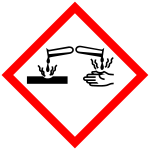
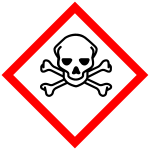
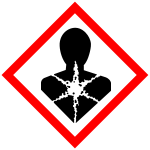
    GHS label elements, including precautionary statements

    Pictogram(s)
    Signal word

    Danger

    Hazard statement(s)

    H226 Flammable liquid and vapour

    H302 Harmful if swallowed

    H310 Fatal in contact with skin

    H314 Causes severe skin burns and eye damage

    H317 May cause an allergic skin reaction

    H334 May cause allergy or asthma symptoms or breathing difficulties if inhaled

    Precautionary statement(s)
    Prevention

    P210 Keep away from heat, hot surfaces, sparks, open flames and other ignition sources. No smoking.

    P233 Keep container tightly closed.

    P240 Ground and bond container and receiving equipment.

    P241 Use explosion-proof [electrical/ventilating/lighting/...] equipment.

    P242 Use non-sparking tools.

    P243 Take action to prevent static discharges.

    P280 Wear protective gloves/protective clothing/eye protection/face protection/hearing protection/...

    P264 Wash ... thoroughly after handling.

    P270 Do not eat, drink or smoke when using this product.

    P262 Do not get in eyes, on skin, or on clothing.

    P260 Do not breathe dust/fume/gas/mist/vapours/spray.

    P261 Avoid breathing dust/fume/gas/mist/vapours/spray.

    P272 Contaminated work clothing should not be allowed out of the workplace.

    P284 [In case of inadequate ventilation] wear respiratory protection.

    Response

    P303+P361+P353 IF ON SKIN (or hair): Take off immediately all contaminated clothing. Rinse affected areas with water [or shower].

    P370+P378 In case of fire: Use ... to extinguish.

    P301+P317 IF SWALLOWED: Get medical help.

    P330 Rinse mouth.

    P302+P352 IF ON SKIN: Wash with plenty of water/...

    P316 Get emergency medical help immediately.

    P321 Specific treatment (see ... on this label).

    P361+P364 Take off immediately all contaminated clothing and wash it before reuse.

    P301+P330+P331 IF SWALLOWED: Rinse mouth. Do NOT induce vomiting.

    P363 Wash contaminated clothing before reuse.

    P304+P340 IF INHALED: Remove person to fresh air and keep comfortable for breathing.

    P305+P351+P338 IF IN EYES: Rinse cautiously with water for several minutes. Remove contact lenses, if present and easy to do. Continue rinsing.

    P333+P317 If skin irritation or rash occurs: Get medical help.

    P362+P364 Take off contaminated clothing and wash it before reuse.

    P305+P354+P338 IF IN EYES: Immediately rinse with water for several minutes. Remove contact lenses, if present and easy to do. Continue rinsing.

    P317 Get medical help.

    P342+P316 If experiencing respiratory symptoms: Get emergency medical help immediately.

    Storage

    P403+P235 Store in a well-ventilated place. Keep cool.

    P405 Store locked up.

    Disposal

    P501 Dispose of contents/container to an appropriate treatment and disposal facility in accordance with applicable laws and regulations, and product characteristics at time of disposal.

    Other hazards which do not result in classification

    no data available

    Handling and Storage

    Precautions for safe handling

    Handling in a well ventilated place. Wear suitable protective clothing. Avoid contact with skin and eyes. Avoid formation of dust and aerosols. Use non-sparking tools. Prevent fire caused by electrostatic discharge steam.

    Conditions for safe storage, including any incompatibilities

    Store the container tightly closed in a dry, cool and well-ventilated place. Store apart from foodstuff containers or incompatible materials.

  • Seller Information
    Business Type:

    Distributor

    Main Products:

    Sodium Lauryl Ether Sulfate,Caustic Soda,Soda Ash,Citric Acid,Calcium Hypochlorite,Oxalic Acid

    Location:

    13 PROTEA PARK MILKWOOD STREET RANGEVIEW GAUTENG 1739

    Payment Terms:

    TT against copy of documents,TT against B/L draft before shipment

    Average lead Time:

    60

    Total Annual Revenue:

    $1 million-$2.5 million

    Total Employees:

    11-50

    Year of Establishment:

    2012

  • Inquiry History
    2 Inquiries
    Country Product Purchase Quantity Date Posted
    Jordan

    1, 3-Diaminopropane

    100 G Apr 1, 2025
    United States

    1,3-Diaminopropane

    500 KG Oct 29, 2025
    Post an enquiry for this product
pic ×

Scan the QR Code to Share

All products displayed on this website are only for non-medical purposes such as industrial applications or scientific research, and cannot be used for clinical diagnosis or treatment of humans or animals. They are not medicinal or edible.

According to relevant laws and regulations and the regulations of this website, units or individuals who purchase hazardous materials should obtain valid qualifications and qualification conditions.

The information shown above is provided by the enterprise itself, and the authenticity, accuracy and legitimacy of the content are the responsibility of the publishing company. ECHEMI does not bear any guarantee responsibility for this. Please be aware that risks in internet transactions objectively exist.

Feedback & Suggestions
Send Message

Thank you for your feedback. If you require further assistance, please contact us by email at info@echemi.com or call us at +86-532-55729510.