




Product
Supplier
Encyclopedia
Inquiry
Home > Organic Chemistry > Hydrazine or Hydroxylamine Derivatives > Isoniazid for Sale > Factory Price Powder Isoniazid CAS NO (54-85-3) In Bulk
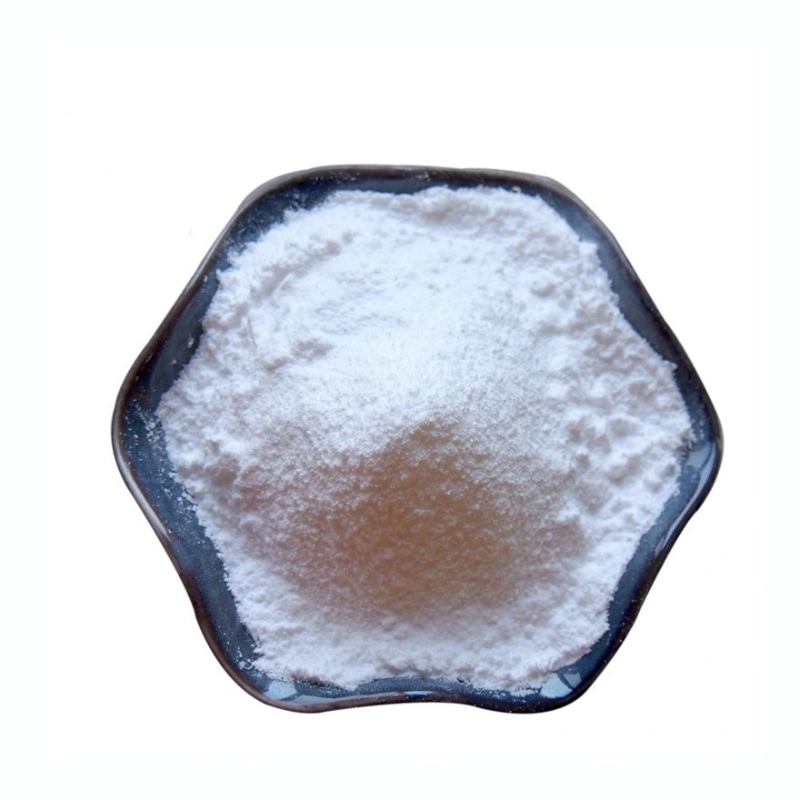
Factory Price Powder Isoniazid CAS NO  (54-85-3) In Bulk buy - large image1
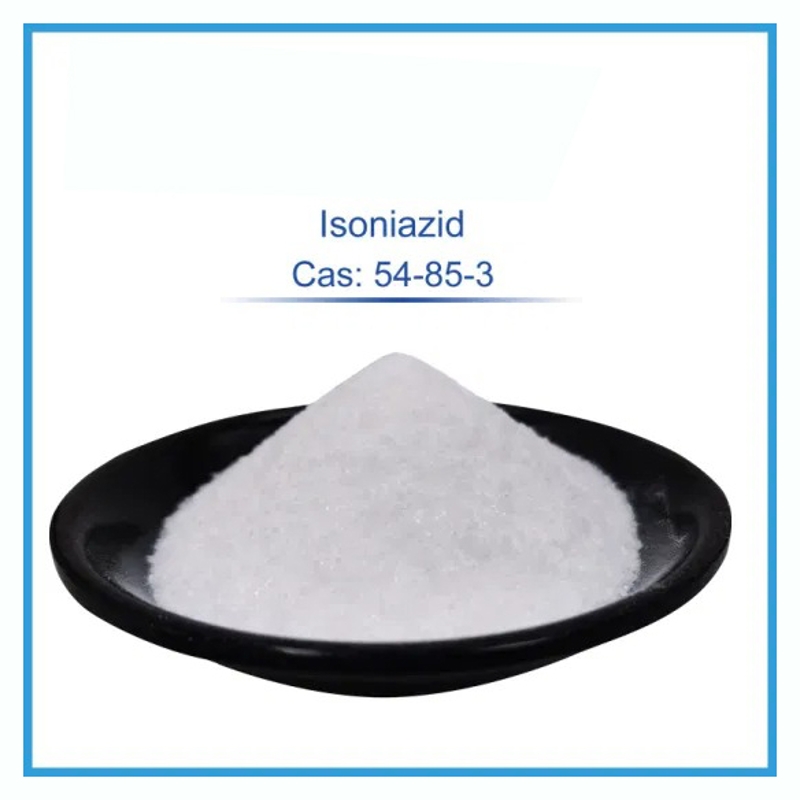
Factory Price Powder Isoniazid CAS NO  (54-85-3) In Bulk buy - image1
Factory Price Powder Isoniazid CAS NO  (54-85-3) In Bulk buy - image2
Factory Price Powder Isoniazid CAS NO  (54-85-3) In Bulk buy - image3
Factory Price Powder Isoniazid CAS NO  (54-85-3) In Bulk buy - image4
Factory Price Powder Isoniazid CAS NO  (54-85-3) In Bulk buy - image5
Factory Price Powder Isoniazid CAS NO  (54-85-3) In Bulk buy - image6

Factory Price Powder Isoniazid CAS NO (54-85-3) In Bulk

2 Inquiries

Unit Price: Get Latest Price
CAS No.:

54-85-3

Grade:

Industrial Grade

Content:

99%

Port:

Durban

Brand:

Custom

Packaging:

As per customer requirement

Price valid (until):

2024-05-30
Company Type:
Distributor
Location:
South Africa
Qualification:
Main Products:

Sodium Lauryl Ether Sulfate,Caustic Soda,Soda Ash,Citric Acid,Calcium Hypochlorite,Oxalic Acid

  • Product Description

  • Seller Information

  • Inquiry History

  • Description


      Product Detail  


                                                                                      1. 1. Introduction to Isoniazid (CAS number 54-85-3): Isoniazid is a crucial first-line medication used in the treatment of tuberculosis (TB), a contagious bacterial infection primarily affecting the lungs. With the CAS number 54-85-3, it stands as a cornerstone of TB therapy, contributing significantly to global efforts to combat this infectious disease.

                                                                                        2. Chemical Structure and Composition: At its molecular level, isoniazid features a hydrazide functional group (-NH-NH2) attached to an isonicotinic acid moiety. This structural configuration confers specific antimicrobial properties crucial for its therapeutic efficacy against Mycobacterium tuberculosis, the causative agent of TB.

                                                                                        3. Mechanism of Action: Isoniazid exerts its antimycobacterial activity by inhibiting the synthesis of mycolic acids, essential components of the mycobacterial cell wall. By disrupting cell wall integrity, isoniazid interferes with bacterial growth and replication, effectively targeting and eradicating M. tuberculosis infections.

                                                                                        4. Tuberculosis Treatment: Isoniazid serves as a cornerstone of TB treatment, forming the backbone of standard short-course chemotherapy regimens recommended by the World Health Organization (WHO). It is typically administered in combination with other anti-TB drugs, such as rifampicin, pyrazinamide, and ethambutol, in various treatment phases to achieve optimal therapeutic outcomes.

                                                                                        5. Drug Resistance and Treatment Challenges: Despite its efficacy, the emergence of drug-resistant strains of M. tuberculosis poses significant challenges to TB control efforts. Isoniazid resistance, either as monoresistance or multidrug resistance (MDR-TB), necessitates the use of alternative drug regimens and intensified surveillance to combat treatment failures and prevent further transmission.

                                                                                        6. Tuberculosis Prevention: Isoniazid is also utilized in TB preventive therapy (TPT) regimens, particularly in individuals at high risk of developing active TB disease, such as close contacts of TB patients and persons with latent TB infection (LTBI). TPT aims to reduce the risk of TB progression and transmission, contributing to TB control and elimination efforts.

                                                                                        7. Pharmacokinetics and Adverse Effects: Following oral administration, isoniazid is rapidly absorbed and distributed throughout the body, reaching therapeutic concentrations in target tissues. Common adverse effects include hepatotoxicity, peripheral neuropathy, and gastrointestinal disturbances, necessitating close monitoring and management during treatment.

                                                                                        8. Public Health Impact and Global Health Initiatives: Isoniazid plays a pivotal role in global TB control initiatives aimed at reducing TB incidence, morbidity, and mortality worldwide. Through comprehensive TB treatment programs, including directly observed therapy (DOTS), preventive therapy, and drug resistance surveillance, isoniazid contributes to achieving TB elimination goals.

                                                                                        9. Challenges and Opportunities in TB Management: Despite significant progress, challenges such as treatment adherence, healthcare infrastructure limitations, and socioeconomic disparities persist in TB management. Ongoing research into novel treatment strategies, point-of-care diagnostics, and health system strengthening initiatives offer opportunities to enhance TB control efforts and improve patient outcomes.

                                                                                        10. Future Directions and Research Priorities: Future research endeavors in TB management aim to address unmet needs in drug development, diagnostics, and treatment optimization. Strategies focusing on personalized medicine, host-directed therapies, and novel drug targets hold promise for advancing TB care and achieving sustainable TB control on a global scale.


      Specifications  


    Items Specifications
    Chemical Formula C6H7N3O
    CAS Number 54-85-3
    Molecular Weight 137.14 g/mol
    Appearance White crystalline powder
    Odor Odorless
    Density 1.23 g/cm3 at 20°C
    Melting Point 170-173°C
    Boiling Point Decomposes at >200°C
    Solubility Soluble in water, slightly soluble in ethanol
    Vapor Pressure Negligible
    Flash Point Not applicable
    Autoignition Temperature Not applicable
    pH 6.0-7.5 (1% solution in water)
    Refractive Index 1.579 (20°C)
    Hazard Class Harmful if swallowed, irritating to respiratory system


      Product Pictures


    Shop Best Selling Powder Isoniazid CAS NO  (54-85-3) In Wholesale Price-Detailed Image 1Shop Best Selling Powder Isoniazid CAS NO  (54-85-3) In Wholesale Price-Detailed Image 2Shop Best Selling Powder Isoniazid CAS NO  (54-85-3) In Wholesale Price-Detailed Image 3Shop Best Selling Powder Isoniazid CAS NO  (54-85-3) In Wholesale Price-Detailed Image 4Shop Best Selling Powder Isoniazid CAS NO  (54-85-3) In Wholesale Price-Detailed Image 5Shop Best Selling Powder Isoniazid CAS NO  (54-85-3) In Wholesale Price-Detailed Image 6

    Basic Info
    Product Name:

    Isoniazid

    Other Name:

    4-Pyridinecarboxylic acid,hydrazide;Isonicotinic acid hydrazide;FSR 3;5015 R.P.;Armazide;Cotinazin;Ditubin;Dinacrin;Ertuban;Eutizon;HIA;Hidrasonil;Hycozid;Hydrazid;Isidrina;Isobicina;Isocotin;Isolyn;Isonex;Isoniazid;Isoniazide;Isonicid;Isonico;Isonicotan;Isonicotinoylhydrazine;Isonidrin;Isonilex;Isonindon;Isonizide;Isotebezid;Isozide;Isozyd;Laniazid;Mybasan;Neoteben;Neumandin;Nevin;Niadrin;Nicetal;Nicizina;Niconyl;Nicotibina;Nicozide;Nidaton;Nikozid;Niplen;Nydrazid;Nyscozid;Pelazid;Preparation 6424;Pycazide;Pyricidin;Pyrizidin;Raumanon;Retozide;Rimifon;Robisellin;RU-EF-Tb;Sauterazid;TB-Vis;Tebecid;Teebaconin;Tekazin;Tibinide;Tibizide;Tisin;Tisiodrazida;Tizide;Tubazid;Tubazide;Tubicon;Tubomel;Tyvid;Unicozyde;Vazadrine;Vederon;Zinadon;Zonazide;Isonicotinic hydrazide;Isonicotinoyl hydrazide;Rimiphone;Isoniazid SA;Isocid;Cedin;Neoxin;Rimitsid;Hyzyd;Nitadon;Tubilysin;Tubeco;Atcotibine;NSC 9659;Nidrazid;Armazid;Zidafimia;Hidranizil;T.B. Razide;Eralon;Nicotisan;Rimicid;4-Pyridylcarbonylhydrazide;Isonicotinohydrazide;4-Pyridinecarbonylhydrazine;4-Pyridinecarboxylic hydrazide;Isozin;4-(Hydrazinocarbonyl)pyridine;[(4-Pyridinylcarbonyl)oxy]hydrazine;Dianicotyl;GINK;Pyridine-4-carbohydrazide;Mayambutol;Lafepe;Isonicotinic acid hydrazyde;Isocaldin;Isokin;Solonex;Ipcazide;7640-37-1;37271-10-6;41466-07-3;62229-51-0

    CAS No.:

    54-85-3

    Molecular Formula:

    C6H7N3O

    InChIKeys:

    InChIKey=QRXWMOHMRWLFEY-UHFFFAOYSA-N

    Molecular Weight:

    137.14

    Exact Mass:

    137.14

    BRN:

    119374

    EC Number:

    200-214-6

    UNII:

    V83O1VOZ8L

    ICSC Number:

    1258

    NSC Number:

    757078|9659

    DSSTox ID:

    DTXSID8020755

    NCI Thesaurus Code:

    C600

    Color/Form:

    COLORLESS OR WHITE CRYSTALS, OR A WHITE, CRYSTALLINE POWDER|Crystals from alcohol

    ATC Code:

    QI01AN01|J04AC01|J - Antiinfectives for systemic use

    HScode:

    2933399090

    Characteristics
    PSA:

    68

    XLogP3:

    -0.7

    Appearance:

    White or colorless Crystals or Crystalline Powder

    Density:

    1.420 g/cm3

    Melting Point:

    171.4 °C

    Flash Point:

    >250°C

    Refractive Index:

    1.584

    Water Solubility:

    H2O: 14 g/100 mL (25 ºC)

    Storage Conditions:

    Refrigerator

    Vapor Pressure:

    4.6X10⁻⁵ mm Hg at 25 deg C /Estimated/

    Toxicity:

    LD50 in mice (mg/kg): 151 i.p., 149 i.v. (Jenney, Pfeiffer)

    PH:

    pH of a 1% aqueous solution 5.5 to 6.5

    PKA:

    1.82(at 20 °C)

    Henrys Law Constant:

    Henry's Law constant = 1.2X10⁻¹⁴ atm-cu m/mole at 25 °C /Estimated/

    Dissociation Constants:

    1.82 (at 20 °C)|pK1= 1.75; pK2= 3.57; pK3= 10.75

    Collision Cross Section:

    125.6 Ų [M+H]+ [CCS Type: TW, Method: calibrated with polyalanine and drug standards]

    Experimental Properties:

    Can react as weak acid or weak base; can be hydrolyzed to release hydrazine; lysed at hydrazine moiety by redox reactions.|Aqueous solutions may be sterilized at 120 °C for 30 minutes.|An equimolecular salt produced by dissolving the components in hot dil alc, followed by cooling and evapn ... MW: 290.27. Yellow crystals from methanol or ethanol; mp 142-144 °C. Sparingly soluble in water, uv max 272, 303 nm (E(1%)(1 cm) 550, 445). /4-Aminosalicylate/|MW: 231.23. Crystals, dec 187-189 °C /Methanesulfonate/|For more Other Experimental Properties (Complete) data for ISONIAZID (7 total), please visit the HSDB record page.

    Air and Water Reactions:

    Sensitive to air and light. Absorbs insignificant amounts of moisture at 77°F at relative humidities up to approximately 90%. Water soluble. Dust can be explosive when suspended in air at specific concentrations.

    Reactive Group:

    Amides and Imides

    Reactivity Profile:

    ISONIAZID is incompatible with chloral, aldehydes, iodine, hypochlorites and ferric salts. It is also incompatible with oxidizers. It may react with sugars and ketones. It can react as a weak acid or a weak base. It can be decomposed by oxidative and reductive reactions. (NTP, 1992)

    Hazard Identification

    Classification of the substance or mixture

    Acute toxicity - Category 4, Oral

    Skin irritation, Category 2

    GHS label elements, including precautionary statements

    Pictogram(s)
    Signal word

    Warning

    Hazard statement(s)

    H302 Harmful if swallowed

    H315 Causes skin irritation

    Precautionary statement(s)
    Prevention

    P264 Wash ... thoroughly after handling.

    P270 Do not eat, drink or smoke when using this product.

    P280 Wear protective gloves/protective clothing/eye protection/face protection/hearing protection/...

    Response

    P301+P317 IF SWALLOWED: Get medical help.

    P330 Rinse mouth.

    P302+P352 IF ON SKIN: Wash with plenty of water/...

    P321 Specific treatment (see ... on this label).

    P332+P317 If skin irritation occurs: Get medical help.

    P362+P364 Take off contaminated clothing and wash it before reuse.

    Storage

    none

    Disposal

    P501 Dispose of contents/container to an appropriate treatment and disposal facility in accordance with applicable laws and regulations, and product characteristics at time of disposal.

    Other hazards which do not result in classification

    no data available

    Handling and Storage

    Precautions for safe handling

    NO open flames. Handling in a well ventilated place. Wear suitable protective clothing. Avoid contact with skin and eyes. Avoid formation of dust and aerosols. Use non-sparking tools. Prevent fire caused by electrostatic discharge steam.

    Conditions for safe storage, including any incompatibilities

    Cool. Well closed.Store below 40 deg C (104 deg C), preferably between 15 and 30 deg C (59 and 86 deg F), unless otherwise specified by manufacturer. Store in a tight, light-resistant container. Protect from freezing. NOTE: Crystallization may occur at low temperatures. Upon warming to room temperature, the crystals will redissolve.

  • Seller Information
    Business Type:

    Distributor

    Main Products:

    Sodium Lauryl Ether Sulfate,Caustic Soda,Soda Ash,Citric Acid,Calcium Hypochlorite,Oxalic Acid

    Location:

    13 PROTEA PARK MILKWOOD STREET RANGEVIEW GAUTENG 1739

    Payment Terms:

    TT against copy of documents,TT against B/L draft before shipment

    Average lead Time:

    60

    Total Annual Revenue:

    $1 million-$2.5 million

    Total Employees:

    11-50

    Year of Establishment:

    2012

  • Inquiry History
    2 Inquiries
    Country Product Purchase Quantity Date Posted
    Russia

    Isoniazid CAS54-85-3 with 100% Safe Delivery USA UK EU Canada Mexico Australia

    100 G Oct 26, 2024
    India

    Isoniazid

    200 KG Mar 11, 2024
    Post an enquiry for this product
pic ×

Scan the QR Code to Share

All products displayed on this website are only for non-medical purposes such as industrial applications or scientific research, and cannot be used for clinical diagnosis or treatment of humans or animals. They are not medicinal or edible.

According to relevant laws and regulations and the regulations of this website, units or individuals who purchase hazardous materials should obtain valid qualifications and qualification conditions.

The information shown above is provided by the enterprise itself, and the authenticity, accuracy and legitimacy of the content are the responsibility of the publishing company. ECHEMI does not bear any guarantee responsibility for this. Please be aware that risks in internet transactions objectively exist.

Feedback & Suggestions
Send Message

Thank you for your feedback. If you require further assistance, please contact us by email at info@echemi.com or call us at +86-532-55729510.