Product
Supplier
Encyclopedia
Inquiry
Home > Biochemical Engineering > Plant Extracts > Silybin for Sale > 100% China origin factory direct supply Silybin 70% Silybin 80% Silybin 90% Silybin 95% used to protect the liver and repair damaged liver cells
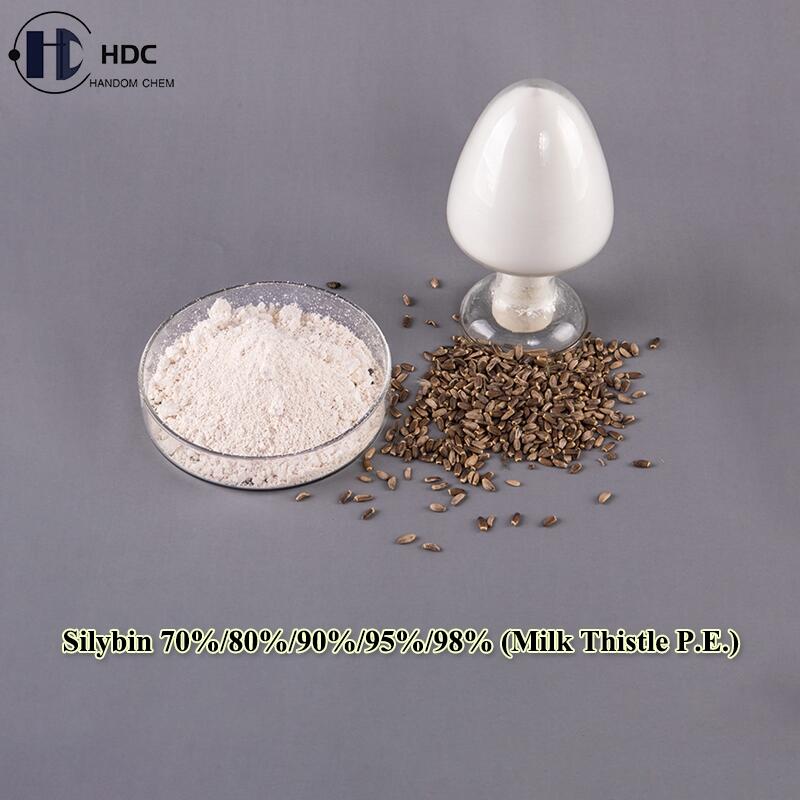
100% China origin factory direct supply Silybin 70% Silybin 80% Silybin 90% Silybin 95% used to protect the liver and repair damaged liver cells buy - large image1
100% China origin factory direct supply Silybin 70% Silybin 80% Silybin 90% Silybin 95% used to protect the liver and repair damaged liver cells buy - image1
100% China origin factory direct supply Silybin 70% Silybin 80% Silybin 90% Silybin 95% used to protect the liver and repair damaged liver cells buy - image2
100% China origin factory direct supply Silybin 70% Silybin 80% Silybin 90% Silybin 95% used to protect the liver and repair damaged liver cells buy - image3

100% China origin factory direct supply Silybin 70% Silybin 80% Silybin 90% Silybin 95% used to protect the liver and repair damaged liver cells

TDS 2 Inquiries

Unit Price: Get Latest Price
CAS No.:

22888-70-6

Grade:

Food Grade

Content:

98%

Port:

Shanghai, Beijing or Shenzhen

Brand:

HANDOM CHEM

Packaging:

50g/Aluminum Foil Bag, 100g/Aluminum Foil Bag, 200g/Aluminum Foil Bag, 500g/Aluminum Foil Bag, 1kg/Aluminum Foil Bag, 5kg/Carton, 10kg/Carton, 20kg/Cardboard Drum or 25kg/Cardboard Drum

Price valid (until):

2025-09-30

Company Type:
Manufactory
Location:
China
Qualification:
Main Products:

Semaglutide,Tirzepatide,HCG,Retatrutide,Cagrilintide,Medetomidine

  • Product Description

  • Seller Information

  • Inquiry History

  • Description


      Product Details  


    Product Name: Silybin (Milk Thistle P.E.)

    Extracted From: Silybum marianum (L.) Gaertn.

    Plant Background: Milk thistle belongs to the Asteraceae family, native to the Mediterranean, and now distributed worldwide. Its seeds are the source of extraction.

    Assay (By HPLC): Silybin 70%, Silybin 80%, Silybin 90%, Silybin 95%, Silybin 98%.


    Brief Introduction:

    Silybin is a flavonoid lignan compound extracted from milk thistle(Silybum marianum) seeds. It has antioxidant, anti-inflammatory, and hepatocyte protection effects and is commonly used in the treatment of various liver diseases in clinical practice.

    The pharmacological effects of Silybin mainly include the following aspects:
    It can scavenge free radicals and reduce the damage of oxidative stress to hepatocytes. At the same time, Silybin has anti-inflammatory effects, which can inhibit the release of inflammatory factors and relieve liver inflammation. Silybin can also regulate the metabolism of hepatocytes, promote the regeneration and repair of hepatocytes, and improve liver function.

    Shop 100% China origin factory direct supply Silybin 70% Silybin 80% Silybin 90% Silybin 95% used to protect the liver and repair damaged liver cells-Detailed Image 1

    Test Items
    Specifications (Silybin 70%)
    Appearance Amorphous powder
    Colour Off-white to white
    Odour Slight, Specific


    Solubility

    In water Practically insoluble
    In Methanol and Acetone Soluble


    Identification

    A. Passes TLC Test
    B. Passes HPLC Identification Test
    Sulphated Ash Not more than 0.5%
    Heavy Metals Not more than 10 ppm
    Lead (Pb) Not more than 2.0 ppm
    Cadmium (Cd) Not more than 1.0 ppm
    Mercury (Hg) Not more than 0.1 ppm
    Arsenic (As) Not more than 1.0 ppm
    Loss on Drying (2 hours, 105℃) Not more than 5.0%
    Particle Size 95% pass through 80 mesh sieve
    Assay of Silymarin (UV test, per cent, Standard in House) Not less than 80%
    Assay of Silymarin (Test by HPLC)
    -sum of Silycristin and Silydianin
    -sum of Silybin A and Silybin B Not less than 70%
    -sum of Isosilybin A and Isosilybin B


    Residual Solvents

    n-Hexane Not more than 290 ppm
    Acetone Not more than 5000 ppm
    Ethanol Not more than 5000 ppm
    Ethyl Acetate Not more than 5000 ppm
    Pesticide Residues According to the Standard of USP43<561>


    Microbiological Limits

    Total Aerobic Microbial Count Not more than 1000 CFU/g
    Total combined Yeasts & Mould Count Not more than 100 CFU/g
    Escherichia coli Negative/g
    Salmonella Negative/g
    Staphylococcus aureus Negative/g
    Test Items
    Specifications (Silybin 80%)
    Appearance Amorphous powder
    Colour Off-white to white
    Odour Slight, Specific


    Solubility

    In water Practically insoluble
    In Methanol and Acetone Soluble
    Identification A. Passes TLC Test
    B. Passes HPLC Identification Test
    Sulphated Ash Not more than 0.5%
    Heavy Metals Not more than 10 ppm
    Lead (Pb) Not more than 2.0 ppm
    Cadmium (Cd) Not more than 1.0 ppm
    Mercury (Hg) Not more than 0.1 ppm
    Arsenic (As) Not more than 1.0 ppm
    Loss on Drying (2 hours, 105℃) Not more than 5.0%
    Particle Size 95% pass through 80 mesh sieve
    Assay of Silymarin (UV test, per cent, Standard in House) Not less than 80%
    Assay of Silymarin (Test by HPLC)
    -sum of Silycristin and Silydianin
    -sum of Silybin A and Silybin B Not less than 80%
    -sum of Isosilybin A and Isosilybin B


    Residual Solvents

    n-Hexane Not more than 290 ppm
    Acetone Not more than 5000 ppm
    Ethanol Not more than 5000 ppm
    Ethyl Acetate Not more than 5000 ppm
    Pesticide Residues According to the Standard of USP43<561>


    Microbiological Limits

    Total Aerobic Microbial Count Not more than 1000 CFU/g
    Total combined Yeasts & Mould Count Not more than 100 CFU/g
    Escherichia coli Negative/g
    Salmonella Negative/g
    Staphylococcus aureus Negative/g
    Test Items
    Specifications (Silybin 90%)
    Appearance
    Amorphous powder
    Colour Off-white to white
    Odour Slight, Specific


    Solubility

    In Water Practically insoluble
    In Methanol and Acetone Soluble


    Identification

    A. Passes TLC Test
    B. Passes HPLC Identification Test
    Sulphated Ash Not more than 0.5%
    Heavy Metals
    Not more than 10 ppm
    Lead (Pb) Not more than 2.0 ppm
    Cadmium (Cd) Not more than 1.0 ppm
    Mercury (Hg) Not more than 0.1 ppm
    Arsenic (As) Not more than 1.0 ppm
    Loss on Drying (2 hours, 105℃) Not more than 5.0%
    Particle Size 95% pass through 80 mesh sieve
    Assay of Silymarin (UV test, per cent, Standard in House) Not less than 80%
    Assay of Silymarin (Test by HPLC)
    -sum of Silycristin and Silydianin
    -sum of Silybin A and Silybin B Not less than 90%
    -sum of Isosilybin A and Isosilybin B


    Residual Solvents

    n-Hexane Not more than 290 ppm
    Ethanol Not more than 5000 ppm
    Ethyl Acetate Not more than 5000 ppm
    Pesticide Residues According to the Standard of USP43<561>


    Microbiological Limits

    Total Aerobic Microbial Count Not more than 1000 CFU/g
    Total combined Yeasts & Mould Count Not more than 100 CFU/g
    Escherichia coli Negative/g
    Salmonella Negative/g
    Staphylococcus aureus Negative/g
    Test Items
    Specifications (Silybin 98%)
    8Appearance
    Amorphous powder
    Colour
    Off-white to white
    Odour
    Slight, Specific


    Solubility

    In Water Practically insoluble
    In Methanol and Acetone Soluble


    Identification

    A. Passes TLC Test
    B. Passes HPLC Identification Test
    Sulphated Ash Not more than 0.5%
    Heavy Metals Not more than 10 ppm
    Lead (Pb) Not more than 2.0 ppm
    Cadmium (Cd) Not more than 1.0 ppm
    Mercury (Hg) Not more than 0.1 ppm
    Arsenic (As) Not more than 1.0 ppm
    Loss on Drying (2 hours, 105℃) Not more than 5.0%
    Particle Size 95% pass through 80 mesh sieve
    Assay of Silymarin (UV test, per cent, Standard in House) Not less than 80%
    Assay of Silymarin (Test by HPLC)
    -sum of Silycristin and Silydianin
    -sum of Silybin A and Silybin B Not less than 98%
    -sum of Isosilybin A and Isosilybin B


    Residual Solvents

    n-Hexane Not more than 290 ppm
    Ethanol Not more than 5000 ppm
    Acetone Not more than 5000 ppm
    Pesticide Residues According to the Standard of USP43<561>


    Microbiological Limits

    Total Aerobic Microbial Count Not more than 1000 CFU/g
    Total combined Yeasts & Mould Count Not more than 100 CFU/g
    Escherichia coli Negative/g
    Salmonella Negative/g
    Staphylococcus aureus Negative/g


    Silybin has the functions and effects of protecting liver, anti-oxidation, anti-inflammation, lowering blood lipids, and improving insulin sensitivity. The details are as follows:

    1) Protecting Liver:

    Silybin helps protect the liver and repair damaged liver cells by stabilizing liver cell membranes, promoting liver cell regeneration, and inhibiting the binding of liver cell endotoxins. It can be used to prepare silybin capsules for oral administration by patients with liver disease.

    2) Antioxidation:

    As a powerful antioxidant, silybin can scavenge free radicals and reduce oxidative stress, thereby delaying cell aging and preventing oxidative damage to cells.

    3) Anti-inflammatory:

    Silybin can inhibit the release of a variety of inflammatory mediators, help reduce inflammatory responses in the body, and reduce tissue damage caused by inflammation.

    4) Lowering Blood Lipids:

    Silybin helps lower serum cholesterol and low-density lipoprotein levels, thereby helping to improve cardiovascular health.

    5) Improving Insulin Sensitivity:

    Silybin can increase insulin sensitivity, improve glucose metabolism, and help manage metabolic diseases such as diabetes.


    Packaging:

    50g/Aluminum Foil Bag, 100g/Aluminum Foil Bag, 200g/Aluminum Foil Bag, 500g/Aluminum Foil Bag, 1kg/Aluminum Foil Bag, 5kg/Carton, 10kg/Carton, 20kg/Cardboard Drum, 25kg/Cardboard Drum or according to the specific requirements from customers.

    Shop 100% China origin factory direct supply Silybin 70% Silybin 80% Silybin 90% Silybin 95% used to protect the liver and repair damaged liver cells-Detailed Image 2


    Storage Conditions:

    Stored in airtight containers in a cool dry place before using; kept away from direct sunlight, heat and moisture.


    Shelf Life:

    36 months from the date of manufacturing when stored under the above conditions.

    Certificates

    Basic Info
    Product Name:

    Silybin

    Other Name:

    4H-1-Benzopyran-4-one,2-[(2R,3R)-2,3-dihydro-3-(4-hydroxy-3-methoxyphenyl)-2-(hydroxymethyl)-1,4-benzodioxin-6-yl]-2,3-dihydro-3,5,7-trihydroxy-,(2R,3R)-;4-Chromanone,3,5,7-trihydroxy-2-[3-(4-hydroxy-3-methoxyphenyl)-2-(hydroxymethyl)-1,4-benzodioxan-6-yl]-;Silybin;4H-1-Benzopyran-4-one,2-[2,3-dihydro-3-(4-hydroxy-3-methoxyphenyl)-2-(hydroxymethyl)-1,4-benzodioxin-6-yl]-2,3-dihydro-3,5,7-trihydroxy-,[2R-[2α,3β,6(2R*,3R*)]]-;1,4-Benzodioxin,4H-1-benzopyran-4-one deriv.;(2R,3R)-2-[(2R,3R)-2,3-Dihydro-3-(4-hydroxy-3-methoxyphenyl)-2-(hydroxymethyl)-1,4-benzodioxin-6-yl]-2,3-dihydro-3,5,7-trihydroxy-4H-1-benzopyran-4-one;Silybine;Silymarin I;7C3MT;Silliver;Silymarine I;Silibinin;Silymarin MZ 80;Silybum substance E6;Silybin A;Silybin b1;Silibinin A;Mepasil;Realsil;142796-20-1;11054-49-2;11076-05-4;11076-06-5;22888-69-3;27359-03-1;28577-40-4;29832-10-8;37574-50-8;50976-99-3;87725-90-4

    CAS No.:

    22888-70-6

    Molecular Formula:

    C25H22O10

    InChIKeys:

    InChIKey=SEBFKMXJBCUCAI-HKTJVKLFSA-N

    Molecular Weight:

    482.44

    Exact Mass:

    482.44

    EC Number:

    245-302-5

    UNII:

    33X338MNE4

    NSC Number:

    651520

    DSSTox ID:

    DTXSID5023580|DTXSID8026018

    ATC Code:

    A - Alimentary tract and metabolism

    HScode:

    2932999099

    Categories:

    Plant Extracts

    Characteristics
    PSA:

    155

    XLogP3:

    2.4

    Appearance:

    solid

    Density:

    1.5±0.1 g/cm3

    Melting Point:

    158 °C

    Boiling Point:

    793°C at 760 mmHg

    Flash Point:

    274.5±26.4 °C

    Refractive Index:

    1.684

    Water Solubility:

    54mg/L(24.99 ºC)

    Storage Conditions:

    −20°C

    Vapor Pressure:

    1.63E-26mmHg at 25°C

    Toxicity:

    LD50 intravenous in mouse: 1056mg/kg

    Specific rotation:

    D20 +11° (c = 0.25 in acetone + alcohol)

    Collision Cross Section:

    213.6 Ų [M+H]+ [CCS Type: TW, Method: calibrated with polyalanine and drug standards]

    Hazard Identification

    Classification of the substance or mixture

    Skin irritation, Category 2

    Eye irritation, Category 2

    Specific target organ toxicity – single exposure, Category 3

    GHS label elements, including precautionary statements

    Pictogram(s)

    Signal word

    Warning

    Hazard statement(s)

    H315 Causes skin irritation

    H319 Causes serious eye irritation

    H335 May cause respiratory irritation

    Precautionary statement(s)
    Prevention

    P264 Wash ... thoroughly after handling.

    P280 Wear protective gloves/protective clothing/eye protection/face protection/hearing protection/...

    P261 Avoid breathing dust/fume/gas/mist/vapours/spray.

    P271 Use only outdoors or in a well-ventilated area.

    Response

    P302+P352 IF ON SKIN: Wash with plenty of water/...

    P321 Specific treatment (see ... on this label).

    P332+P317 If skin irritation occurs: Get medical help.

    P362+P364 Take off contaminated clothing and wash it before reuse.

    P305+P351+P338 IF IN EYES: Rinse cautiously with water for several minutes. Remove contact lenses, if present and easy to do. Continue rinsing.

    P304+P340 IF INHALED: Remove person to fresh air and keep comfortable for breathing.

    P319 Get medical help if you feel unwell.

    Storage

    P403+P233 Store in a well-ventilated place. Keep container tightly closed.

    P405 Store locked up.

    Disposal

    P501 Dispose of contents/container to an appropriate treatment and disposal facility in accordance with applicable laws and regulations, and product characteristics at time of disposal.

    Other hazards which do not result in classification

    no data available

    Handling and Storage

    Precautions for safe handling

    Handling in a well ventilated place. Wear suitable protective clothing. Avoid contact with skin and eyes. Avoid formation of dust and aerosols. Use non-sparking tools. Prevent fire caused by electrostatic discharge steam.

    Conditions for safe storage, including any incompatibilities

    Store the container tightly closed in a dry, cool and well-ventilated place. Store apart from foodstuff containers or incompatible materials.

  • Seller Information
    Business Type:

    Manufactory

    Main Products:

    Semaglutide,Tirzepatide,HCG,Retatrutide,Cagrilintide,Medetomidine

    Location:

    RM702, Building 21, Liuhe Road, Ganjingzi Dist, Dalian, Liaoning, China

    Payment Terms:

    TT against copy of documents,L/C,TT against B/L draft before shipment,100% TT in advance

    Average lead Time:

    15

    Total Annual Revenue:

    $5 million-$10 million

    Total Employees:

    51-100

    Year of Establishment:

    2020

    Dalian Handom Chemicals Co., Ltd.(HDC CHEM) is a professional 15-Year-Experienced Supplier of APIs & Intermediates, Pharmaceutical Excipients, Food & Nutraceutical Ingredients, Personal Care Chemicals and Specialty Chemicals from northeast of China, which strives to provide customers with high-quality products and comprehensive service across all over the world, our main products cover Retatrutide Lyophilized Powder, Retatrutide, Tirzepatide, Tirzepatide Lyophilized Powder, Semaglutide, Mazdutide, Cagrilintide, LL-37, Thymosin Alpha 1(Thymosin α1), MT-2, MOTS-c, HEP-1, TB-500, NAD+, GHK-Cu, Glow, Klow, Selank, Semax, Glutathione, 5-Amino-1MQ, ARA-290, SS-31, DSIP, SNAP-8, Medetomidine, Medetomidine Hydrochloride, Salcaprozate Sodium, Sodium 8-(2-hydroxybenzamido)octanoate, 2,6-Dimethyl Beta Cyclodextrin, mPEG-DMG-2K, mPEG-DSPE-2K, 1,2-Distearoyl-sn-3-phosphacholine(DSPC), 1,2-dioleoyl-sn-glycero-3-phosphoethanolamine(DOPE), Pharmaceutical Grade Fructose, Lactose Anhydrous, Lactose Monohydrate, Orotic acid anhydrous, Orotic acid monohydrate, 6-Methyluracil, Chitosan, Mushroom Chitosan, Chitosan Hydrochloride, Chitosan Oligosaccharide, Alginate Oligosaccharide, Inulin, L-Serine, Mung Bean Peptide, Walnut Peptide, Rice Peptide, Oyster Peptide, Sea Cucumber Peptide, Hydrolyzed Keratin, Folic Acid, Vitamin E Acetate, Vitamin B2, Riboflavin Sodium Phosphate, Pyridoxal 5'-phosphate Monohydrate, Vegan Vitamin D3, Vitamin A Palmitate, Vitamin A Acetate, Apple Pectin, Citrus Pectin, Sunflower Pectin, Salidroside, Urolithin A, Milk Thistle Extract, Saffron Extract, Red Clover Extract, Sulforaphane, Glucoraphanin, Soy Isoflavones, Soy Lecithin, Soya Lecithin, Egg Yolk Lecithin, Phosphatidylserine, Cooling Agent WS-3, Cooling Agent WS-5, Cooling Agent WS-10, Cooling Agent WS-12, Cooling Agent WS-23, Cooling Agent WS-27, Menthyl Lactate, Menthyl PCA, Avobenzone, Benzophenone-3 (UV-9), Benzophenone-4 (UV-284), Bis-ethylhexyloxyphenol Methoxyphenyl Triazine (Bemotrizinol), Diethylaminohydroxybenzoyl Hexyl Benzoate (UVA Plus), Diethylhexyl Butamido Triazone (Iscotrizinol), Disodium Phenyl Dibenzimidazole Tetrasulfonate (DPDT), Ethylhexyl Triazone (UVT-150), Homosalate, Octocrylene, 2-Ethylhexyl Salicylate (Octyl Salicylate), 2-Ethylhexyl Trans-4-Methoxycinnamate (OMC), 2-Phenylbenzimidazole-5-Sulfonic Acid (UV-T), Lanolin Anhydrous, Palmitoyl Tripeptide-5, Dipeptide Diaminobutyroyl Benzylamide Diacetate, Biotinoyl Tripeptide-1, etc.

  • Inquiry History
    2 Inquiries
    Country Product Purchase Quantity Date Posted
    India

    ISO Certified Reference Material Natural Extract Silibinin Powder CAS 22888-70-6 with 99% Purity

    100 G Oct 11, 2023
    India

    Milk Thistle Extract 80% UV

    1.00 MT Jun 29, 2026
    Post an enquiry for this product
pic ×

Scan the QR Code to Share

All products displayed on this website are only for non-medical purposes such as industrial applications or scientific research, and cannot be used for clinical diagnosis or treatment of humans or animals. They are not medicinal or edible.

According to relevant laws and regulations and the regulations of this website, units or individuals who purchase hazardous materials should obtain valid qualifications and qualification conditions.

The information shown above is provided by the enterprise itself, and the authenticity, accuracy and legitimacy of the content are the responsibility of the publishing company. ECHEMI does not bear any guarantee responsibility for this. Please be aware that risks in internet transactions objectively exist.

Feedback & Suggestions
Send Message

Thank you for your feedback. If you require further assistance, please contact us by email at info@echemi.com or call us at +86-532-55729510.