Product
Supplier
Encyclopedia
Inquiry
N-6-Trifluoroacetyl-L-lysine buy - large image1
N-6-Trifluoroacetyl-L-lysine buy - image1
N-6-Trifluoroacetyl-L-lysine buy - image2
N-6-Trifluoroacetyl-L-lysine buy - image3

N-6-Trifluoroacetyl-L-lysine

Unit Price: Get Latest Price
CAS No.:

10009-20-8

Grade:

Pharmaceutical Grade

Packaging:

25kg/Cardboard Drum

Price valid (until):

2025-04-30

Company Type:
Manufactory
Location:
China
Qualification:
Main Products:

Agrochemicals,Daily Chemicals,Catalysts & Chemical Auxiliary Agents,Extract,Inorganic Chemicals,Organic Intermediate

  • Product Description

  • Seller Information

  • Description


      Product Detail  


    Product Introduction of N-6-Trifluoroacetyl-L-lysine (CAS 10009-20-8)

    N-6-Trifluoroacetyl-L-lysine (CAS 10009-20-8) is a significant compound in the field of biochemistry and organic synthesis. It is a derivative of L-lysine, with a trifluoroacetyl group attached to the ε – amino group of L-lysine. This modification imparts unique chemical and physical properties to the molecule, making it valuable in a variety of applications. In this comprehensive introduction, we will explore its properties, uses, applications in different fields, and the methods of preparation.

    Properties of N-6-Trifluoroacetyl-L-lysine

    Physical Properties
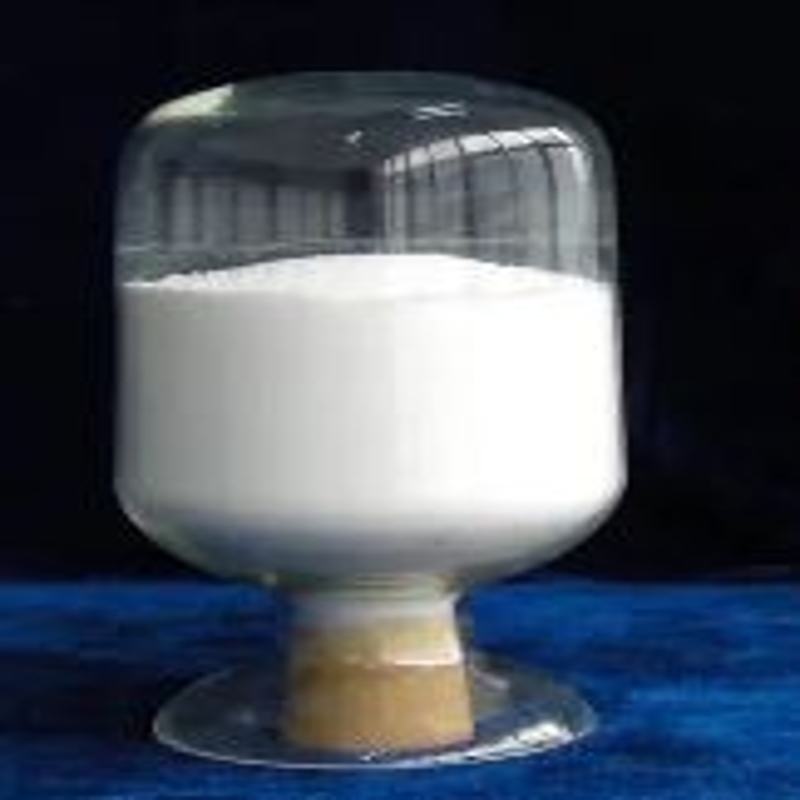
    N-6-Trifluoroacetyl-L-lysine is a white to off – white crystalline powder. It has a specific melting point, which is an important characteristic for identification and purity assessment. The melting point range is typically around [provide the actual melting point range if available]. In terms of solubility, it shows different behaviors in various solvents. It is sparingly soluble in water, but more soluble in polar organic solvents such as dimethyl sulfoxide (DMSO), dimethylformamide (DMF), and methanol. This solubility profile is crucial for its use in chemical reactions and biological assays.

    Chemical Properties
    The trifluoroacetyl group in N-6-Trifluoroacetyl-L-lysine is electron – withdrawing, which affects the reactivity of the molecule. It can participate in various chemical reactions, such as acylation, hydrolysis, and substitution reactions. For example, under basic conditions, the trifluoroacetyl group can be hydrolyzed to release the free ε – amino group of L-lysine. This property is often exploited in peptide synthesis and other chemical modifications. The presence of the trifluoromethyl group also enhances the lipophilicity of the molecule, which can influence its biological activity and membrane permeability.

    Uses of N-6-Trifluoroacetyl-L-lysine

    Peptide Synthesis
    One of the primary uses of N-6-Trifluoroacetyl-L-lysine is in peptide synthesis. In the process of building peptides, protecting groups are often used to prevent unwanted reactions at specific functional groups. The trifluoroacetyl group on the ε – amino group of lysine serves as a temporary protecting group. It can be selectively removed under mild conditions, allowing for the controlled addition of amino acids during peptide chain elongation. This protection strategy helps to ensure the correct sequence and purity of the synthesized peptides.

    Biological Research
    In biological research, N-6-Trifluoroacetyl-L-lysine can be used as a tool to study protein structure and function. It can be incorporated into proteins through genetic engineering or chemical modification techniques. The trifluoroacetyl group can act as a probe to monitor protein – protein interactions, enzyme activity, and conformational changes. For example, the unique NMR signals of the trifluoromethyl group can be used to track the location and environment of the modified lysine residue within a protein.

    Drug Discovery
    In the field of drug discovery, N-6-Trifluoroacetyl-L-lysine may play a role in the design and synthesis of new drugs. The modified lysine residue can be incorporated into lead compounds to improve their pharmacokinetic and pharmacodynamic properties. For instance, the increased lipophilicity conferred by the trifluoroacetyl group may enhance the membrane permeability of the drug, leading to better absorption and distribution in the body.

    Applications in Different Fields

    Biotechnology

    In biotechnology, N-6-Trifluoroacetyl-L-lysine is used in the production of recombinant proteins. When expressing proteins in heterologous systems, the use of protected amino acids like N-6-Trifluoroacetyl-L-lysine can prevent premature degradation or modification of the target protein. It can also be used in the development of protein – based vaccines, where the modification of lysine residues can affect the immunogenicity and stability of the vaccine antigens.

    Pharmaceuticals

    In the pharmaceutical industry, N-6-Trifluoroacetyl-L-lysine is involved in the synthesis of peptide – based drugs. Many peptide drugs are designed to target specific receptors or enzymes in the body. The use of N-6-Trifluoroacetyl-L-lysine in the synthesis process can improve the yield and purity of the final drug product. Additionally, the modified lysine residue can potentially enhance the binding affinity of the peptide drug to its target, leading to better therapeutic efficacy.

    Chemical Analysis

    In chemical analysis, N-6-Trifluoroacetyl-L-lysine can be used as a reference standard for chromatography and mass spectrometry. Its unique chemical structure and properties make it suitable for calibration and validation of analytical methods. For example, in high – performance liquid chromatography (HPLC), N-6-Trifluoroacetyl-L-lysine can be used to optimize separation conditions and determine the purity of samples.

    Preparation Methods of N-6-Trifluoroacetyl-L-lysine

    Acylation Reaction
    One common method for preparing N-6-Trifluoroacetyl-L-lysine is through an acylation reaction. L-lysine is reacted with a trifluoroacetylating agent, such as trifluoroacetic anhydride or trifluoroacetyl chloride, in the presence of a base. The base helps to neutralize the acid generated during the reaction and promotes the formation of the amide bond between the ε – amino group of L-lysine and the trifluoroacetyl group. The reaction is usually carried out in an organic solvent, such as dichloromethane or tetrahydrofuran, at a controlled temperature. After the reaction is complete, the product is purified by methods such as crystallization or chromatography.

    Enzymatic Method
    Enzymatic methods can also be used for the synthesis of N-6-Trifluoroacetyl-L-lysine. Some enzymes, such as proteases or acyltransferases, can catalyze the transfer of the trifluoroacetyl group to the ε – amino group of L-lysine. Enzymatic synthesis offers several advantages, including high selectivity, mild reaction conditions, and environmental friendliness. However, the development of efficient enzymatic systems for this synthesis requires careful optimization of enzyme properties and reaction conditions.

    Basic Info
    Product Name:

    N6-(2,2,2-Trifluoroacetyl)-L-lysine

    Other Name:

    L-Lysine,N6-(2,2,2-trifluoroacetyl)-;Lysine,N6-(trifluoroacetyl)-,L-;L-Lysine,N6-(trifluoroacetyl)-;N6-(2,2,2-Trifluoroacetyl)-L-lysine;N6-(Trifluoroacetyl)-L-lysine;N6-(Trifluoroacetyl)lysine;Nε-Trifluoroacetyl-L-lysine;Nω-(Trifluoroacetyl)-L-lysine;(S)-6-(Trifluoroacetylamino)-2-aminohexanoic acid;400-62-4

    CAS No.:

    10009-20-8

    Molecular Formula:

    C8H13F3N2O3

    InChIKeys:

    InChIKey=PZZHRSVBHRVIMI-YFKPBYRVSA-N

    Molecular Weight:

    242.19600

    Exact Mass:

    242.20

    EC Number:

    600-027-3

    HScode:

    2924199090

    Characteristics
    PSA:

    92.42000

    XLogP3:

    -1.7

    Density:

    1.446g/cm3

    Melting Point:

    252-254 °C (decomp)

    Boiling Point:

    275.3ºC at 760mmHg

    Flash Point:

    120.3ºC

    Refractive Index:

    1.444

    Water Solubility:

    H2O: 2 M HCl: 10 mg/mL, clear, colorless

    Storage Conditions:

    2-8ºC

    Vapor Pressure:

    6.55E-07mmHg at 25°C

    Hazard Identification

    Classification of the substance or mixture

    Not classified.

    GHS label elements, including precautionary statements

    Pictogram(s) No symbol.
    Signal word

    No signal word

    Hazard statement(s)

    none

    Precautionary statement(s)
    Prevention

    none

    Response

    none

    Storage

    none

    Disposal

    none

    Other hazards which do not result in classification

    no data available

    Handling and Storage

    Precautions for safe handling

    Handling in a well ventilated place. Wear suitable protective clothing. Avoid contact with skin and eyes. Avoid formation of dust and aerosols. Use non-sparking tools. Prevent fire caused by electrostatic discharge steam.

    Conditions for safe storage, including any incompatibilities

    Store the container tightly closed in a dry, cool and well-ventilated place. Store apart from foodstuff containers or incompatible materials.

  • Seller Information
    Business Type:

    Manufactory

    Main Products:

    Agrochemicals,Daily Chemicals,Catalysts & Chemical Auxiliary Agents,Extract,Inorganic Chemicals,Organic Intermediate

    Location:

    hisense intelligence valley,no 2116,of phoenix road

    Payment Terms:

    TT against copy of documents,D/P,L/C

    Average lead Time:

    7

    Total Annual Revenue:

    Less than $1 million

    Total Employees:

    11-50

    Year of Establishment:

    2017

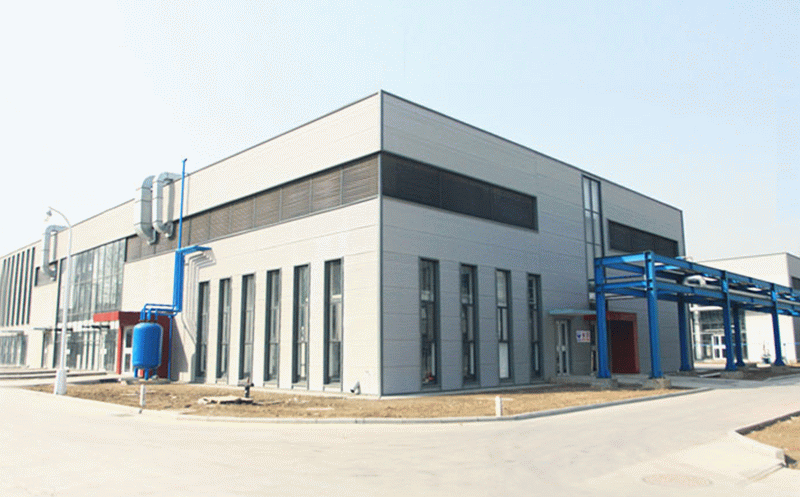
     SHANDONG LOOK CHEMICAL CO.LTD, a new chemical enterprise in researching, manufacturing and supplying of chemicals located in beautiful “Spring City”-Jinan.Our company mainly working on the researching new-born APIs, intermediate ( especially Carbohydrate derivatives series). Meanwhile, we made huge breakthrough in industries of food, feed additives, cosmetics ,dye and industrial chemicals. Our company enjoyed great reputation both domestic and abroad under the belief of “Integrity management,Quality controlling and Customer orientation”.  Web : www.chinalookchemical.com 

        We had been cooperated with NingXia University and Shandong University on more than ten projects for years and which had been in mass production on the market. We now have more than 80 people in our team and built research center in Jinan and Ningxia. Our manufacturing site allocated in chemical industry parks of Zhangqiu, Heze, Dezhou and Ningxia Fine Chemical Park. We strictly complying with ISO9001 and ISO 2000 standard in manufacturing process, our lab and workshop tightly in accordance with GMP standard.Our products best selling in Europe, South and North America,Asia pacific area and Africa. We sincerely welcome new and regular customers around the world visit us for business negotiation.

  • Country Product Purchase Quantity Date Posted
    Post an enquiry for this product
pic ×

Scan the QR Code to Share

All products displayed on this website are only for non-medical purposes such as industrial applications or scientific research, and cannot be used for clinical diagnosis or treatment of humans or animals. They are not medicinal or edible.

According to relevant laws and regulations and the regulations of this website, units or individuals who purchase hazardous materials should obtain valid qualifications and qualification conditions.

The information shown above is provided by the enterprise itself, and the authenticity, accuracy and legitimacy of the content are the responsibility of the publishing company. ECHEMI does not bear any guarantee responsibility for this. Please be aware that risks in internet transactions objectively exist.

Feedback & Suggestions
Send Message

Thank you for your feedback. If you require further assistance, please contact us by email at info@echemi.com or call us at +86-532-55729510.