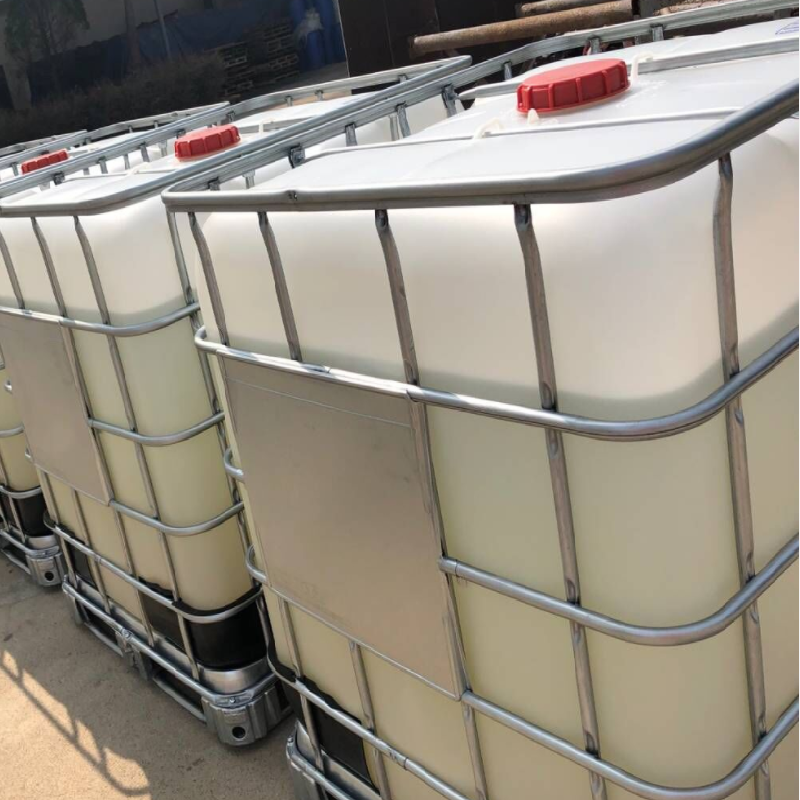
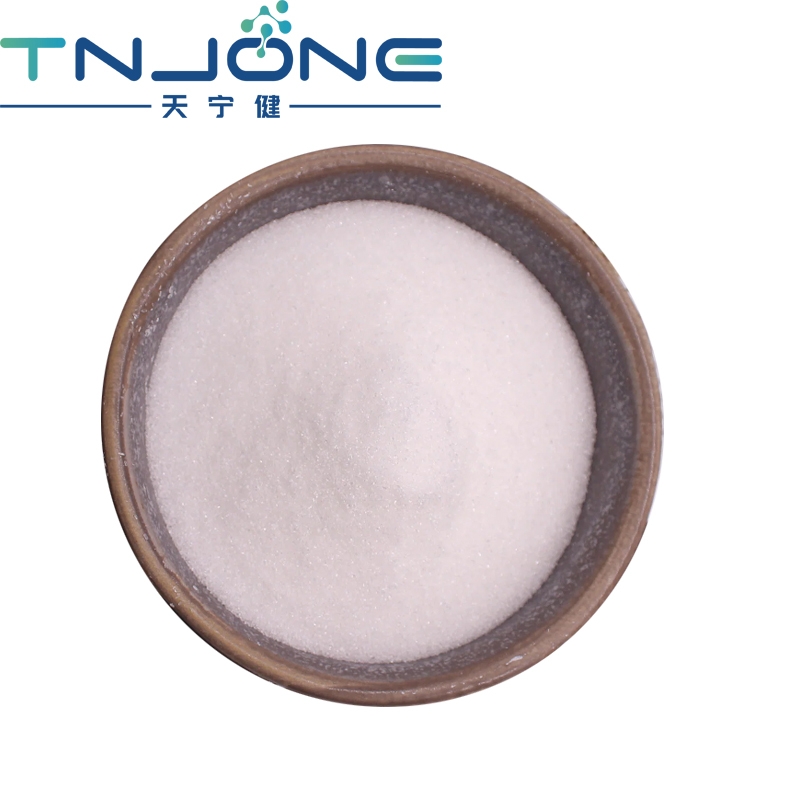
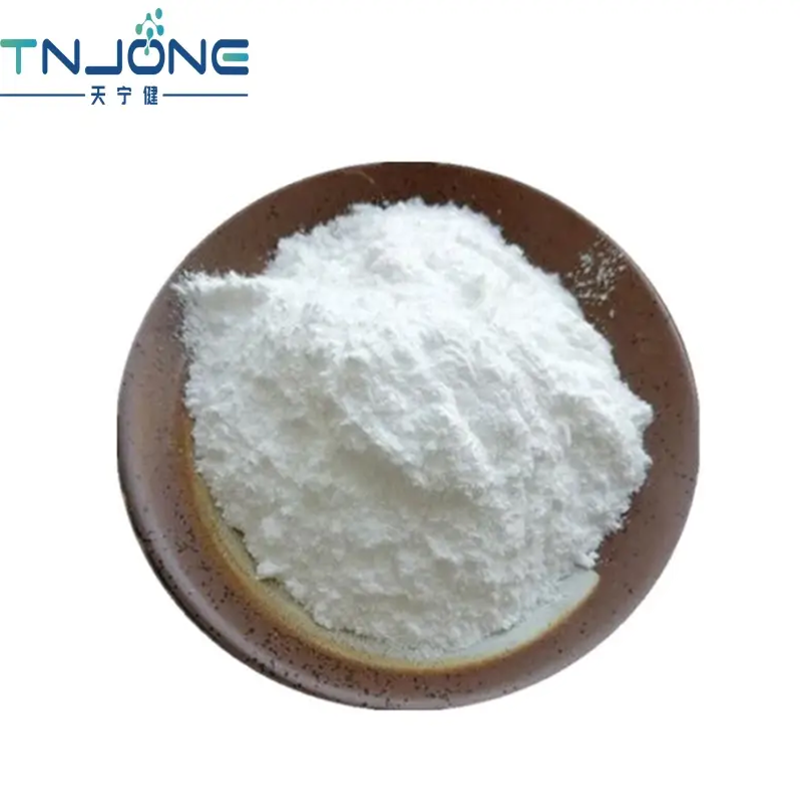
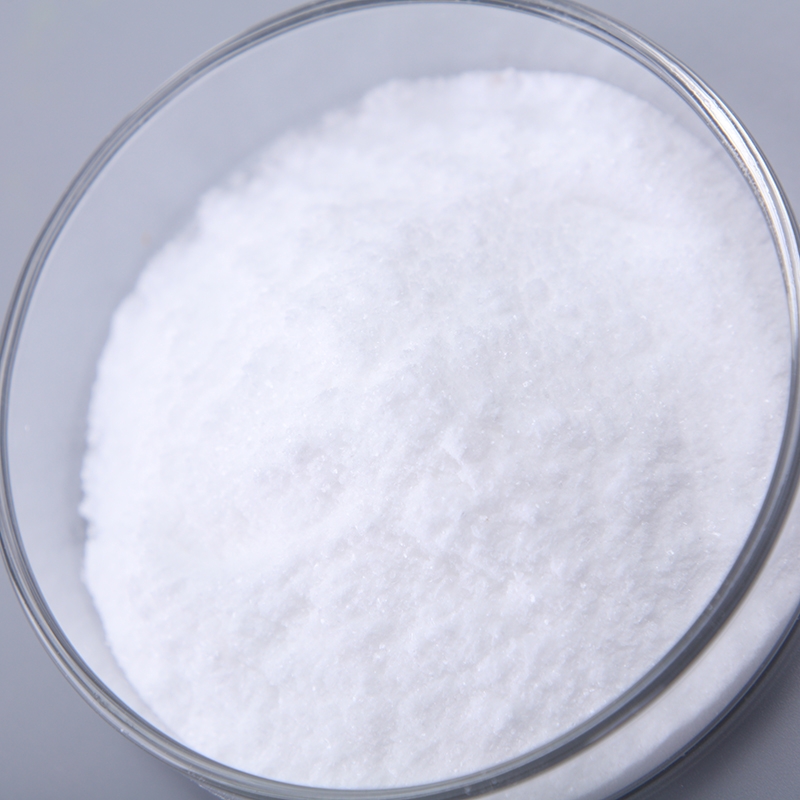
D(+)-Trehalose dihydrate, with the CAS number 6138-23-4, is a naturally occurring disaccharide composed of two α-D-glucopyranose units linked by a non-reducing α,α-1,1-glycosidic bond—a structural feature that distinguishes it from other common sugars like sucrose or glucose. As its name indicates, it exists in a dihydrate form, meaning each molecule of trehalose is bound to two water molecules, which influences its physical properties and stability. In terms of appearance, it typically presents as a white, odorless, crystalline powder with a sweet taste (approximately 45% the sweetness of sucrose), making it palatable for use in food and beverage applications. Key physical characteristics include a melting point range of 97–99°C (for the dihydrate form; it loses water of crystallization above this temperature, converting to anhydrous trehalose with a higher melting point of ~214°C) and high solubility in water (up to ~68.9 g/100 mL at 20°C). It is also stable under acidic conditions (pH 3–10) and resistant to Maillard browning reactions—traits that make it valuable in formulations requiring long shelf life. Naturally, it is found in organisms like yeast, mushrooms, honey, and certain resurrection plants (e.g., Selaginella lepidophylla), where it acts as a protectant against environmental stressors like drought, cold, or osmotic pressure, a biological function that informs many of its industrial uses.
The unique functional properties of D(+)-Trehalose dihydrate stem from its molecular structure and ability to interact with biological molecules and water. Its non-reducing nature (due to the α,α-1,1 linkage) prevents it from reacting with amino acids or proteins, avoiding the formation of off-flavors, discoloration, or protein denaturation—critical advantages in food preservation and pharmaceutical formulations. In biological systems, it acts as a “molecular chaperone”: when cells or tissues are exposed to stress (e.g., dehydration, freezing, or heat), trehalose forms a glassy matrix around proteins, lipids, and cell membranes, preserving their native structure and functionality. This mechanism is particularly notable in resurrection plants, which can survive extreme desiccation and resume metabolic activity once rehydrated, thanks in part to trehalose. For proteins, trehalose binds to the hydration layer surrounding molecules, stabilizing their tertiary structure and preventing aggregation—an effect widely leveraged in biopharmaceuticals to protect enzymes, antibodies, or vaccines during storage and transportation. In food systems, it reduces water activity (a_w) without compromising texture, helping to extend the shelf life of products like baked goods, dried fruits, and dairy items while maintaining their sensory quality.
D(+)-Trehalose dihydrate has a broad and diverse range of applications across industries, driven by its stability, biocompatibility, and protective properties. In the food and beverage sector, it is used as a functional sweetener, humectant, and cryoprotectant. For example, it is added to frozen foods (e.g., sushi rice, seafood, and baked goods) to prevent ice crystal formation during freezing and thawing, preserving texture and reducing drip loss. In confectionery, it enhances shelf life by minimizing sugar crystallization, while in dairy products like yogurt or cheese, it maintains moisture and improves mouthfeel. In the pharmaceutical and biotechnology industries, it is a critical excipient in lyophilized (freeze-dried) formulations—such as vaccines, recombinant proteins, and probiotics—where it protects active ingredients from degradation during freeze-drying and long-term storage (even at room temperature for some products). It is also used in topical pharmaceuticals (e.g., creams, ointments) to enhance skin hydration and stabilize active pharmaceutical ingredients (APIs) sensitive to oxidation or hydrolysis. In cosmetics, it is a popular ingredient in moisturizers, serums, and hair care products, as it forms a protective barrier on the skin and hair, locks in moisture, and soothes irritated skin (thanks to its low irritation profile). Additionally, it has emerging applications in agriculture, where it is used as a seed coating to improve germination rates under drought or saline conditions, and in the electronics industry as a component in biodegradable adhesives or protective coatings for sensitive components.
From a safety and regulatory perspective, D(+)-Trehalose dihydrate is widely recognized as safe (GRAS) by regulatory bodies such as the U.S. Food and Drug Administration (FDA) and the European Food Safety Authority (EFSA), with no established daily intake (ADI) limit—reflecting its long history of safe use in food and its natural occurrence in many dietary sources. Toxicological studies have confirmed low acute toxicity (oral LD50 > 20 g/kg in rodents) and no evidence of chronic toxicity, mutagenicity, or carcinogenicity even at high doses. It is also biocompatible with human skin and digestive systems, making it suitable for use in infant foods, dietary supplements, and sensitive-skin cosmetics. Environmentally, it is readily biodegradable: under aerobic conditions, it is broken down by microorganisms in soil or water into carbon dioxide and water, posing no risk of bioaccumulation. Looking ahead, its market potential continues to grow, driven by increasing demand for natural, clean-label ingredients in food and cosmetics, and for stable, cost-effective excipients in biopharmaceuticals (especially for mRNA vaccines and cell therapies, which require robust storage solutions). Ongoing research is also exploring new applications, such as its use in 3D bioprinting to stabilize cell cultures, or in the development of low-glycemic index (GI) foods for diabetes management—further expanding its role as a versatile, multi-functional ingredient across industries.
Q1. Can I get a free sample?
We can send you a samll free sample, and you only need to pay for the shipping cost.
Q2. What is the HyperChem payment term?
T/T in advance
LC at sight
DP at sight
Bank transfer
PayPal
Bitcoin...
Q3. What is HyperChem shipment policy?
Our policy is to strive for the quickest shipment time possible.
For ready stock samples, they are usually shipped within 3 working days after payment received.
For non-ready stock, please contact HyperChem sales team to negotiate.
Q4. What is HyperChem shipment term?
By Express
FedEx UPS DHL EMS
Fast: 3-7 days around, high cost, door to door service
By Air
Suitable for more than 50kg
Fast: 3-7 days, hight cost, port to port, professional broker needed
By Sea
Suitable for more than 500kg
Fast: 7-45 days, low cost, port to port, professional broker needed
We will always attempt to utilize the quickest and most affordable way for customers to receive orders. And follow -up with customers via email for all shipment details as well as updated track information until it arrives without damage.
Q5. What HyperChem will provide after shipment?
For sample orders:
After shipment is done, an timely email including:
1. Track details (Fedex /TNT/DHL/EMS Track number)
2. Packaging photo
3. COA, MSDS, etc
4. Dispatch date & Estimated arriving time
5. Shipping invoice
For commercial orders
A full set of shipment documents as well as package photos can be provided in scan-copy and original, to help customers complete the customs clearance process.
Established in 2013, Hyper Chem has exclusive tie-ups with leading manufacturers, supplying raw materials produced in GMP and ISO 9002 certified facilities, and provides high-quality ingredients and raw materials to cater to the requirements of our diverse range of clients.
Among them, our key client industrial sectors around the global are:
Pharmaceuticals
Nutrition Ingredients/ Dietary supplements
Cosmetic Ingredients
Food Ingredients
Veterinary API
Agriculture fertilizer
Custom Synthesis lab supply
HyperChem provides to its wonderful and honorable clients comprehensive purchasing and distribution services which ensure that we are delivering the right generic, raw, or customized product, make sure that we are delivering it at the right time, ensure that it is delivered in the specified amount, and in the right kind of packaging to clients and customers of all types of industries irrespective of their size of operation.








 South Korea
 Hongkong, China
 United States