1. Description
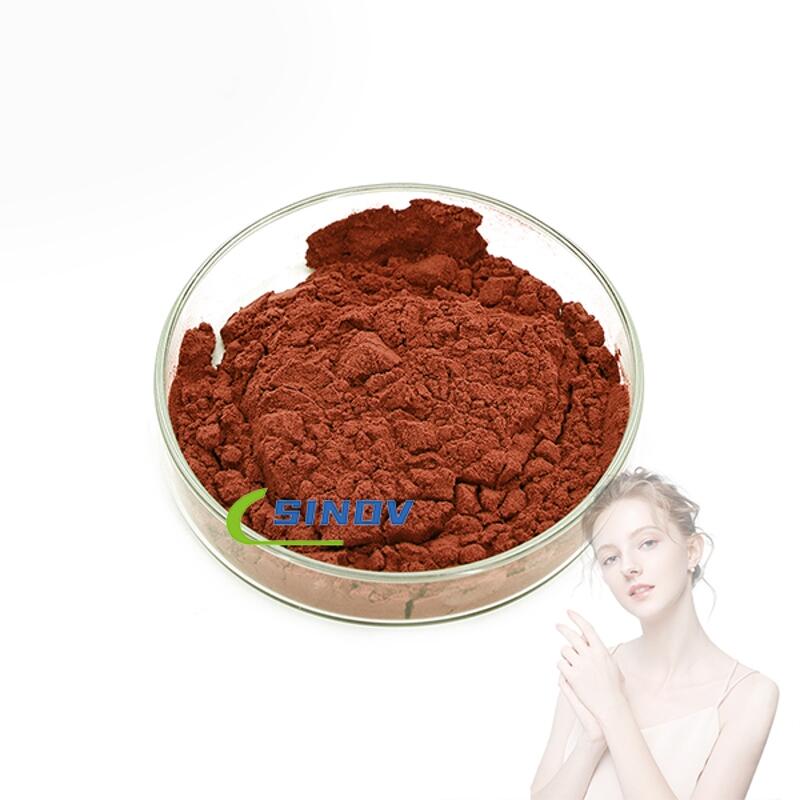
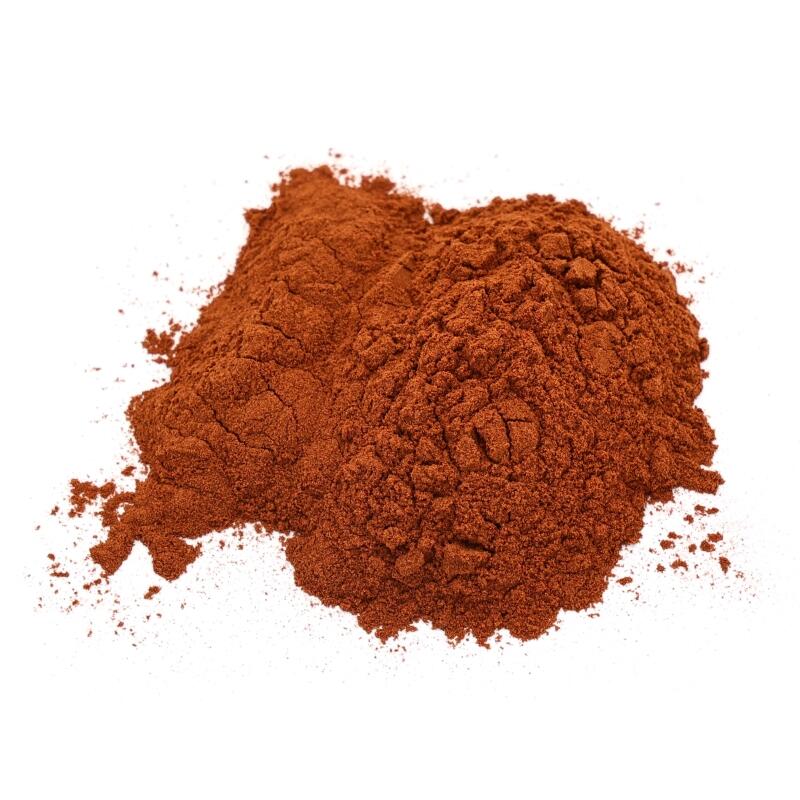
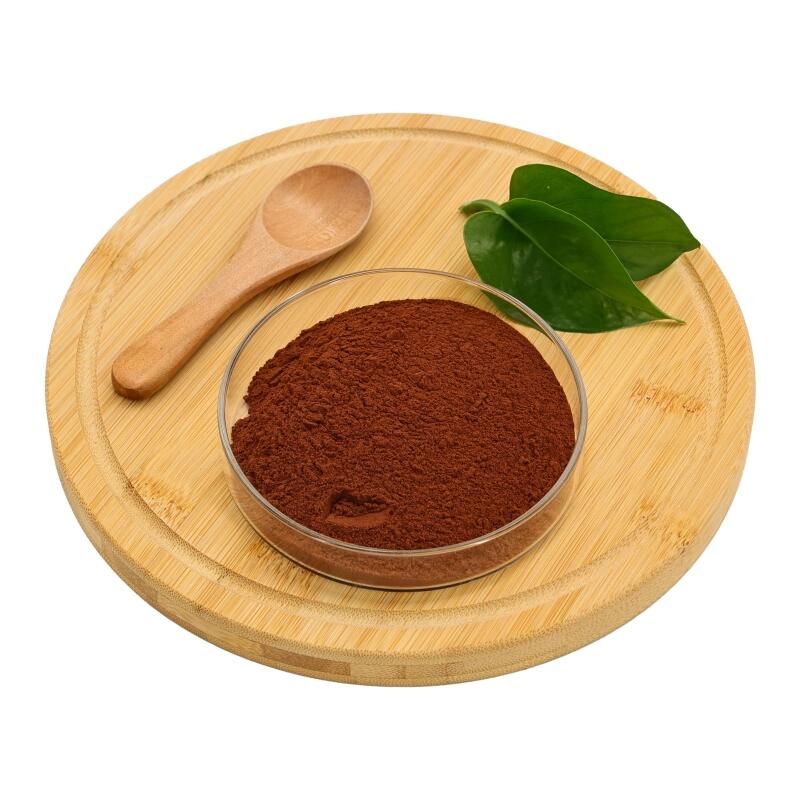
Brown algae extract is an advanced component extracted from multicellular algae. Brown algae extract (brown algae gum, brown algae oligosaccharides, kelp starch, and brown algae sugar gum) has been applied as a potential green feed additive in livestock and poultry production, with unique biological functions such as improving growth performance, enhancing immune system, improving intestinal environment, promoting growth and reproduction, improving animal meat quality, and enhancing egg and milk quality. Its application effect in animal feeding and feed is significant.
2. Application
Alginate is one of the main components of the cell wall of brown algae. It is a straight chain, unbranched, negatively charged polysaccharide compound isolated from brown algae by British scientist Stanford in 1881. The molecular weight and M/G distribution of alginate determine its physicochemical and biochemical properties. Alginate has a high content in algae, accounting for about 40% of the total sugar content (dry weight), and a content of about 19.7% in kelp. It has a wide range of uses, so its industrial yield is the highest. Alginate has biological activities such as anti-tumor, immune enhancement, growth promotion, lipid-lowering, hypoglycemic, and radiation resistance. Brown algae oligosaccharides (oligosaccharides) are oligomers of brown algae gum and are functional oligosaccharides.
At present, there are chemical degradation, physical degradation, and biological methods for obtaining brown algae oligosaccharides. Brown algae oligosaccharides have low molecular weight, strong water solubility, high stability, and many biological activities, such as anti-tumor, hypoglycemic, lipid-lowering, antioxidant, antibacterial, growth promoting, and immune enhancement. Kelp starch is a water-soluble polysaccharide composed of glucose, with a low molecular weight. Kelp starch is divided into two types: soluble kelp starch and insoluble kelp starch. The content of starch in seaweed is not high in China, while the content in kelp is generally around 1%. Kelp starch has antibacterial properties. It sulfonates kelp starch to obtain kelp starch sulfate, which can inhibit platelet aggregation, fight against myocardial necrosis in experimental animals, and improve the level of plasma high-density lipoprotein, which is used to prevent atherosclerosis, treat hyperlipidemia, coronary heart disease, etc. Fucoidan is an inherent intercellular product present in the cell wall matrix of all brown algae, and is a water-soluble heteropolysaccharide. The content of fucoidan in kelp is generally between 0.3% and 1.5%. Fucoidan is mainly composed of sulfated polysaccharides such as fucoidan, which is mainly composed of L-fucosyl-4-sulfate ester. It is also accompanied by small amounts of galactose, mannose, xylose, glucose, arabinose, glucuronic acid, protein, K, Na, Ca, Mg and other metal ions. It has various biological activities such as anti-tumor, anticoagulant, antithrombotic, antiviral and enhancing immune function of the body
3. Main Efficacy
Brown algae extract can affect changes in enzyme and protein expression levels, promote body growth and metabolic activities, improve animal growth performance, promote weight gain, and improve feed conversion rate. In addition, brown algae oligosaccharides can stimulate various immune active cells, such as monocytes and macrophages, to secrete cytokines (TNF - α, IL-1, IL-6, etc.), T lymphocytes, B lymphocytes to differentiate, mature, and reproduce, restoring and strengthening the body's immune system, and exerting various physiological activities through immune regulation. Fucoidan, brown algae starch, and fucoidan are potential soluble dietary fibers that cannot be digested and absorbed in the small intestine.
They reach the large intestine and are fermented and utilized by some microbial communities, increasing the content of short chain fatty acids in the intestine and reducing the pH value of the intestine, thereby affecting the balance and metabolic products of the intestinal microbiota. Oligosaccharides can competitively bind with exogenous lectins and carry pathogenic bacteria out of the intestine, thereby reducing the chance of pathogenic bacteria adhering to the intestinal mucosa and even "washing out" pathogenic bacteria that have already adhered to intestinal epithelial cells. Therefore, brown algae polysaccharides (oligosaccharides) can be used as a potential prebiotic in animal feed. Alginate is a weakly acidic cation that, after entering the animal digestive tract with feed, fuses with nitrogen-containing substances to produce a biological electromagnetic effect, forming an epithelial cell potential gradient, changing the isoelectric point of feed protein particles in the digestive tract, regulating the acid-base balance of the animal body, and thereby improving its ability to digest, transport, and absorb proteins and amino acids; At the same time, utilizing the cation exchange capacity of alginate can displace some phytic acid phosphorus from feed, thereby improving the efficiency of phosphorus utilization. It can also stimulate animal endocrine function, enhance animal immune function, and improve animal growth and production performance.