Name | Terbinafine |
CAS number | 91161-71-6 |
Description | Terbinafine, identified by the Chemical Abstracts Service Registry Number 91161-71-6, is a synthetic antifungal agent belonging to the allylamine class of compounds. |
Structural formula |  |
Molecular Formula | C21H25N |
Molecular Weight | 291.43 g/mol |
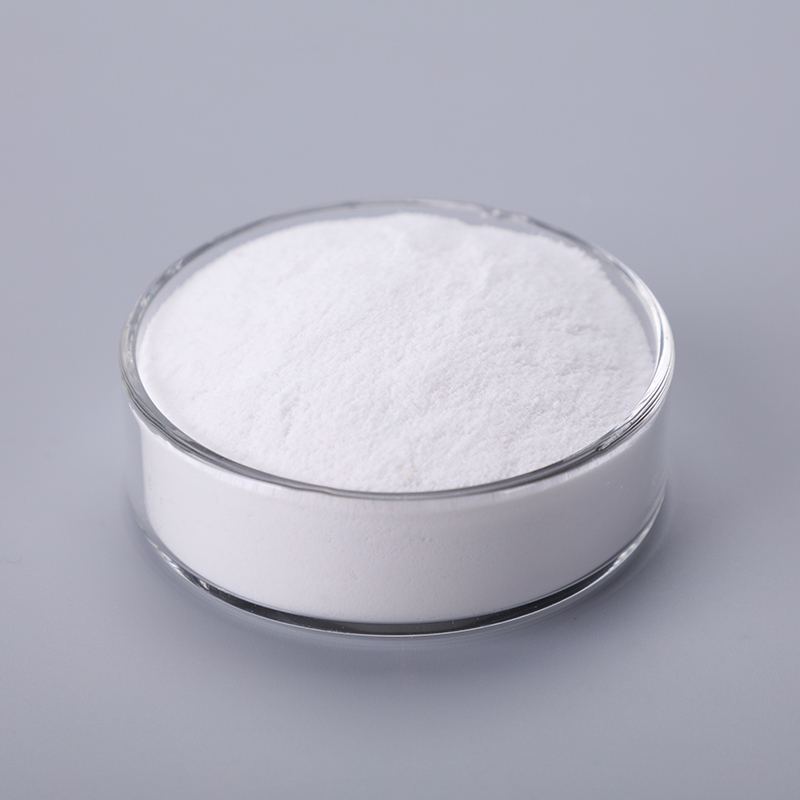
Appearance | White powder |
Quality Standard | 99% |
Storage Condition | Cool dry place( away from the light) |
Shelf Life | >2 years if stored properly |
Sample package | Aluminium foil bag |
Commercial package | Aluminium Tin, Fiber drum |
Origin | China |
Terbinafine More Info
Terbinafine , identified by the CAS Registry Number 91161-71-6, is a synthetic antifungal agent belonging to the allylamine class of compounds. It is most widely recognized by its brand name Lamisil and has been a cornerstone in the treatment of fungal infections since its approval by the FDA in December 1992 . The molecular formula of the base is C₂₁H₂₅N, with a molecular weight of approximately 291.43 grams per mole, though it is often formulated as the hydrochloride salt for pharmaceutical use . The IUPAC name for this compound is (E)-N-(6,6-dimethyl-2-hepten-4-ynyl)-N-methyl-1-naphthalenemethylamine, a designation that reflects its complex structure featuring a naphthalene ring and a unique en-yne side chain that is critical for its antifungal activity . In its pure form, it appears as a white to off-white crystalline powder with a low melting point, and it is highly lipophilic, a property that significantly influences its behavior in the body .
The mechanism of action of terbinafine is both selective and specific, targeting an early step in the biosynthesis of the fungal cell membrane. It works by potently inhibiting the enzyme squalene epoxidase, which is essential for the conversion of squalene to lanosterol, a precursor of ergosterol . Ergosterol is a vital component of the fungal cell membrane, and its depletion compromises membrane integrity. However, the antifungal effect is further amplified by the concurrent accumulation of high concentrations of squalene within the fungal cell, which is toxic and leads to cell death . This dual mechanism contributes to its fungicidal activity, particularly against dermatophytes. Importantly, this inhibition is highly selective for the fungal enzyme; mammalian squalene epoxidase is only affected at concentrations that are thousands of times higher, which underpins the drug's safety margin for human use .
Pharmacokinetically, terbinafine is well-absorbed after oral administration, but its bioavailability is reduced to approximately forty percent due to extensive first-pass metabolism in the liver . It is highly lipophilic and more than ninety-nine percent bound to plasma proteins, which facilitates its extensive distribution from the bloodstream into skin, nails, and adipose tissues . This results in a complex elimination profile with an effective half-life of about thirty-six hours, but a terminal half-life that can extend from two hundred to four hundred hours as the drug slowly releases from tissue storage sites . This persistence in the stratum corneum and nail plate allows for relatively short treatment courses, as fungicidal concentrations remain at the site of infection for weeks after therapy is completed . The drug is extensively metabolized by several cytochrome P450 enzymes into numerous inactive metabolites, which are primarily eliminated in the urine .
In clinical practice, terbinafine is considered the drug of choice for the treatment of dermatophyte infections, particularly onychomycosis (fungal infection of the nails) . For fingernail infections, the standard course is six weeks of daily two-hundred-fifty-milligram tablets, while toenail infections require twelve weeks of treatment due to slower nail growth . Its efficacy is well-documented, with mycological cure rates in clinical trials reaching approximately seventy percent for toenail infections and nearly eighty percent for fingernail infections . Beyond nails, it is also highly effective for skin infections like tinea capitis (scalp ringworm) and tinea corporis (ringworm of the body), and is available in various topical formulations for superficial mycoses . While its primary role is against dermatophytes, research has explored its potential, often in combination with other antifungals, for treating refractory infections caused by other fungi such as Aspergillus and certain Candida species .
The adverse effect profile of terbinafine is generally mild to moderate, but it does carry risks of rare but serious toxicity. The most common side effects reported in clinical trials are gastrointestinal disturbances like diarrhea and dyspepsia, headaches, and mild skin rashes . A unique and well-recognized adverse effect is taste disturbance, including loss of taste, which can occasionally be prolonged or permanent . The most significant safety concern is hepatotoxicity; rare cases of severe liver injury, sometimes leading to failure, transplant, or death, have been reported . Consequently, liver function tests are mandatory before starting treatment, and patients must be vigilant for symptoms like persistent nausea, jaundice, or dark urine . Other serious, though infrequent, risks include severe skin reactions like Stevens-Johnson syndrome, blood dyscrasias such as neutropenia, depressive symptoms, and new-onset or worsening of lupus erythematosus . Due to its inhibition of the CYP2D6 enzyme, terbinafine can interact with a wide range of drugs, including certain beta-blockers, antidepressants, and antiarrhythmics, necessitating careful medication review before initiation


Q1. Can I get a free sample?
We can send you a samll free sample, and you only need to pay for the shipping cost.
Q2. What is the HyperChem payment term?
T/T in advance
LC at sight
DP at sight
Bank transfer
PayPal
Bitcoin...
Q3. What is HyperChem shipment policy?
Our policy is to strive for the quickest shipment time possible.
For ready stock samples, they are usually shipped within 3 working days after payment received.
For non-ready stock, please contact HyperChem sales team to negotiate.
Q4. What is HyperChem shipment term?
By Express
FedEx UPS DHL EMS
Fast: 3-7 days around, high cost, door to door service
By Air
Suitable for more than 50kg
Fast: 3-7 days, hight cost, port to port, professional broker needed
By Sea
Suitable for more than 500kg
Fast: 7-45 days, low cost, port to port, professional broker needed
We will always attempt to utilize the quickest and most affordable way for customers to receive orders. And follow -up with customers via email for all shipment details as well as updated track information until it arrives without damage.
Q5. What HyperChem will provide after shipment?
For sample orders:
After shipment is done, an timely email including:
1. Track details (Fedex /TNT/DHL/EMS Track number)
2. Packaging photo
3. COA, MSDS, etc
4. Dispatch date & Estimated arriving time
5. Shipping invoice
For commercial orders
A full set of shipment documents as well as package photos can be provided in scan-copy and original, to help customers complete the customs clearance process.
Established in 2013, Hyper Chem has exclusive tie-ups with leading manufacturers, supplying raw materials produced in GMP and ISO 9002 certified facilities, and provides high-quality ingredients and raw materials to cater to the requirements of our diverse range of clients.
Among them, our key client industrial sectors around the global are:
Pharmaceuticals
Nutrition Ingredients/ Dietary supplements
Cosmetic Ingredients
Food Ingredients
Veterinary API
Agriculture fertilizer
Custom Synthesis lab supply
HyperChem provides to its wonderful and honorable clients comprehensive purchasing and distribution services which ensure that we are delivering the right generic, raw, or customized product, make sure that we are delivering it at the right time, ensure that it is delivered in the specified amount, and in the right kind of packaging to clients and customers of all types of industries irrespective of their size of operation.









 United States
 Argentina