Product Detail Dibutyl phthalate Basic information
Product Name: Dibutyl phthalate
Synonyms: ARALDITE RESIN;PHTHALIC ACID, BIS-BUTYL ESTER;PHTHALIC ACID DI-N-BUTYL ESTER;PHTHALIC ACID DIBUTYL ESTER;N-BUTYL PHTHALATE;O-BENZENEDICARBOXYLIC ACID DIBUTYL ESTER;Benzene-1,2-dicarboxylic acid di-n-butylester;DIBUTYL PHTHALATE, 99+%
CAS: 84-74-2
MF: C16H22O4
MW: 278.34
EINECS: 201-557-4
Product Categories: DBP, paint;DBP, PAINTS;Aromatics;Isotope Labeled Compounds;solvent;plasticizer, DBP;Analytical Chemistry;Environmental Endocrine Disruptors;Functional Materials;Phthalates (Environmental Endocrine Disruptors);Phthalates (Plasticizer);Plasticizer;Miscellaneous Reagents;DIA - DICCosmetics;Phthalates;Piperazine derivates;Plasticizers (phthalates);Allergens;Alpha Sort;D;DAlphabetic;Oeko-Tex Standard 100;PhthalatesMethod Specific;Volatiles/ Semivolatiles;Aloe Vera;Building Blocks;C12 to C63;Carbonyl Compounds;Chemical Synthesis;Esters;Isotope Labelled Compounds;Metabolites & Impurities;Nutrition Research;Organic Building Blocks;Phytochemicals by Plant (Food/Spice/Herb);Aromatics, Metabolites & Impurities;84-74-2
Mol File: 84-74-2.mol
Dibutyl phthalate Structure
Dibutyl phthalate Chemical Properties
Melting point -35 °C (lit.)
Boiling point 340 °C (lit.)
density 1.043 g/mL at 25 °C (lit.)
vapor density 9.6 (vs air)
vapor pressure 1 mm Hg ( 147 °C)
refractive index n20/D 1.492(lit.)
Fp 340 °F
storage temp. 2-8°C
solubility Very soluble in alcohol, ether, acetone, benzene
pka 3.79
form Liquid
color APHA: ≤10
Specific Gravity 1.049 (20/20℃)
Relative polarity 0.272
Odor odorless
PH 7 (20°C, 10mg/L)
explosive limit 0.47%, 236°F
Water Solubility Slightly soluble. 0.0013 g/100 mL
Thermal Conductivity 0.132 W/(m·K) at 25 ℃
FreezingPoint -35℃
Merck 14,3035
BRN 1914064
Henry's Law Constant 6.3 x 10⁻⁵ atmm3/mol (quoted, Petrasek et al., 1983)
Exposure limits NIOSH REL: TWA 5 mg/m3, IDLH 4,000 mg/m3; OSHA PEL: TWA 5 mg/m3; ACGIH TLV: TWA 5 mg/m3.
Dielectric constant 6.0(45℃)
Cosmetics Ingredients Functions PERFUMING
FRAGRANCE
PLASTICISER
SOLVENT
Cosmetic Ingredient Review (CIR) Dibutyl phthalate (84-74-2)
InChI 1S/C16H22O4/c1-3-5-11-19-15(17)13-9-7-8-10-14(13)16(18)20-12-6-4-2/h7-10H,3-6,11-12H2,1-2H3
InChIKey DOIRQSBPFJWKBE-UHFFFAOYSA-N
SMILES CCCCOC(=O)c1ccccc1C(=O)OCCCC
LogP 4.46-4.57 at 20-30℃
CAS DataBase Reference 84-74-2(CAS DataBase Reference)
NIST Chemistry Reference Dibutyl phthalate(84-74-2)
EPA Substance Registry System Dibutyl phthalate (84-74-2)
Safety Information
Hazard Codes T,N,F
Risk Statements 61-50-62-39/23/24/25-23/24/25-11
Safety Statements 53-45-61-36/37-16
RIDADR UN 3082 9/PG 3
OEB B
OEL TWA: 5 mg/m3
WGK Germany 2
RTECS TI0875000
Autoignition Temperature 756 °F
TSCA TSCA listed
HazardClass 9
PackingGroup III
HS Code 29173100
Storage Class 6.1C - Combustible acute toxic Cat.3
toxic compounds or compounds which causing chronic effects
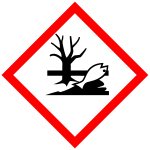
Hazard Classifications Aquatic Acute 1
Aquatic Chronic 2
Repr. 1B
Hazardous Substances Data 84-74-2(Hazardous Substances Data)
Toxicity Acute oral LD50 for rats 8,000 mg/kg (RTECS, 1985).
IDLA 4,000 mg/m3
MSDS Information
Provider Language
1,2-Benzenedicarboxylic acid dibutyl ester English
SigmaAldrich English
ACROS English
ALFA English
Dibutyl phthalate Usage And Synthesis
Description Dibutyl phthalate is included as an insect repellent in some aerosol sprays used to treat flystrike in sheep. It is colorless oily liquid with a very weak aromatic odor.
Chemical Properties Dibutyl phthalate occurs as an odorless, oily, colorless, or very slightly yellow-colored, viscous liquid.
Physical properties Colorless to pale yellow, oily, viscous liquid with a mild, aromatic odor
Uses A phthalate metabolite with genotoxic effect.
Uses Dibutyl phthalate is used in plasticizers, cosmetics, safety glass, insecticides, printing inks, paper coatings, adhesives, elastomers and explosives; solvent in polysulfide dental impression materials; solvent for perfume oils; perfume fixative; textile lubricating agent; solid rocket propellent; emollient in aerosol antiperspirants; insect repeller; plasticizer in various plastic materials.
Uses Di-n-butyl phthalate has been used as an insect repellant.
Definition ChEBI: Dibutyl phthalate is a phthalate ester that is the diester obtained by the formal condensation of the carboxy groups of phthalic acid with two molecules of butan-1-ol. Although used extensively as a plasticiser, it is a ubiquitous environmental contaminant that poses a risk to humans. It has a role as an environmental contaminant, a teratogenic agent, a plasticiser, a metabolite and an EC 3.2.1.20 (alpha-glucosidase) inhibitor. It is a phthalate ester and a diester. It is functionally related to a butan-1-ol.
Production Methods Dibutyl phthalate is produced from n-butanol and phthalic anhydride in an ester formation reaction.
General Description Dibutyl phthalate is a colorless oily liquid. Dibutyl phthalate is insoluble in water. The primary hazard is the threat to the environment. Immediate steps should be taken to limit its spread to the environment. Since Dibutyl phthalate is a liquid Dibutyl phthalate can easily penetrate the soil and contaminate groundwater and nearby streams. Dibutyl phthalate is combustible though Dibutyl phthalate may take some effort to ignite. Dibutyl phthalate is used in paints and plastics and as a reaction media for chemical reactions.
Air & Water Reactions Insoluble in water.
Reactivity Profile Dibutyl phthalate is an ester. Esters react with acids to liberate heat along with alcohols and acids. Strong oxidizing acids may cause a vigorous reaction that is sufficiently exothermic to ignite the reaction products. Heat is also generated by the interaction of esters with caustic solutions. Flammable hydrogen is generated by mixing esters with alkali metals and hydrides. Avoid contact with strong oxidizing agents and strong bases. Will not polymerize. [USCG, 1999]. Can generate electrostatic charges. [Handling Chemicals Safely 1980. p. 250].
Health Hazard The toxicity of this compound is very low. Inhumans, oral intake of dibutyl phthalate at adose level of 150 mg/kg may cause nausea,vomiting, dizziness, hallucination, distortedvision, lacrimation, and conjunctivitis withprompt recovery. It metabolizes to monobutylester and phthalic acid and is excreted in urine.The inhalation toxicity should be insignificantbecause of its negligible low vapor pressure[<0.1 torr at 20°C (68°F)]. However, expo sure to its mist or aerosol can cause irritationof eyes and mucous membranes
LD50 value, oral (mice): 5300 mg/kg.
Fire Hazard Combustible.
Flammability and Explosibility Non flammable
Pharmaceutical Applications Dibutyl phthalate is used in pharmaceutical formulations as a plasticizer in film-coatings. It has been evaluated as a pore-forming agent in novel delivery systems.It is also used extensively as a solvent, particularly in cosmetic formulations such as antiperspirants, hair shampoos, and hair sprays. In addition to a number of industrial applications, dibutyl phthalate is used as an insect repellent, although it is not as effective as dimethyl phthalate.
Contact allergens It is mainly used as a nonreactive epoxy diluent.
Safety Profile Moderately toxic by intraperitoneal and intravenous routes. Mildly toxic by ingestion. Human systemic eye effects by ingestion, hallucinations, dstorted perceptions, nausea or vomiting, and kidney, ureter, or bladder changes. Experimental teratogenic and reproductive effects. Mutation data reported. Combustible when exposed to heat or flame; can react with oxidizing materials. Violent reaction with Cl2. Incompatible with chlorine. To fight fire, use CO2, dry chemical. When heated to decomposition it emits acrid smoke and fumes. See also ESTERS, PHTHALIC ACID, and n BUTYL ALCOHOL.
Safety Dibutyl phthalate is generally regarded as a relatively nontoxic material, although it has occasionally been reported to cause hypersensitivity reactions. It is widely used in topical cosmetic and some oral pharmaceutical formulations.
LD50 (mouse, IV): 0.72g/kg
LD50 (mouse, oral): 5.3g/kg
LD50 (rat, oral): 8.0g/kg
LD50 (rat, IP): 3.05mL/kg
Potential Exposure AgriculturalChemical; Tumorigen, Mutagen; Reproductive Effector;Human Data. Used in making vinyl compounds, inplasticizing vinyl acetate emulsion systems, and in plasticizing cellulose esters. Also used as a lacquer solvent (nail polish remover) and insect repellent.
First aid If this chemical gets into the eyes, remove any contact lenses at once and irrigate immediately for at least 15 min,occasionally lifting upper and lower lids. Seek medical attention immediately. If this chemical contacts the skin, removecontaminated clothing and wash immediately with soap andwater. Seek medical attention immediately. If this chemicalhas been inhaled, remove from exposure, begin rescue breathing (using universal precautions, including resuscitation mask)if breathing has stopped and CPR if heart action has stopped.Transfer promptly to a medical facility. When this chemicalhas been swallowed, get medical attention. Give large quantities of water and induce vomiting. Do not make an unconscious person vomit.
Source Detected in distilled water-soluble fractions of new and used motor oil at concentrations of 38 to 43 and 15 to 23 μg/L, respectively (Chen et al., 1994). Leaching from flexible plastics in contact with water. Laboratory contaminant.
Environmental Fate Biological. Under aerobic conditions using a freshwater hydrosol, mono-n-butyl phthalate and phthalic acid were produced. Under anaerobic conditions, phthalic acid was not present (Verschueren, 1983). In anaerobic sludge, di-n-butyl phthalate degraded as follows: monobutyl phthalate to phthalic acid to protocatechuic acid followed by ring cleavage and mineralization (Shelton et al., 1984). Engelhardt et al. (1975) reported that a variety of microorganisms were capable of degrading of di-n-butyl phthalate and suggested the following degradation scheme: di-n-butyl phthalate to mono-n-butyl phthalate to phthalic acid to 3,4-dihydroxybenzoic acid and other unidentified products. Di-n-butyl phthalate was degraded to benzoic acid by tomato cell suspension cultures (Lycopericon lycopersicum) (Pogány et al., 1990).
In a static-culture-flask screening test, di-n-butyl phthalate showed significant biodegradation with rapid adaptation. The ester (5 and 10 mg/L) was statically incubated in the dark at 25°C with yeast extract and settled domestic wastewater inoculum. After 7 days, 100% biodegradation was achieved (Tabak et al., 1981).
Soil. Under aerobic conditions using a fresh-water hydrosol, mono-n-butyl phthalate and phthalic acid were produced. Under anaerobic conditions, however, phthalic acid was not formed (Verschueren, 1983).
Photolytic. An aqueous solution containing titanium dioxide and subjected to UV radiation (l >290 nm) produced hydroxyphthalates and dihydroxyphthalates as intermediates (Hustert and Moza, 1988).
Chemical/Physical. Pyrolysis of di-n-butyl phthalate in the presence of polyvinyl chloride at 600°C gave the following compounds: indene, methylindene, naphthalene, 1- methylnaphthalene, 2-methylnaphthalene, biphenyl, dimethylnaphthalene, acenaphthene, fluorene, methylacenaphthene, methylfluorene and six unidentified compounds (Bove and Dalven, 1984).
Under alkaline conditions, di-n-butyl phthalate will initially hydrolyze to n-butyl hydrogen phthalate and n-butanol. The monoester will undergo further hydrolysis forming o-phthalic acid and n-butanol (Kollig, 1993).
storage Dibutyl phthalate should be stored in a well-closed container in a cool, dry, location. Containers may be hazardous when empty since they can contain product residues such as vapors and liquids.
Shipping Based on regulations, it may be classified asan Environmentally hazardous substances, liquid, n.o.s. Itfalls in Hazard Class 9 and Packing Group III.[20,21]
Purification Methods Wash DBP with H2O (to free it from alcohol), then dilute NaOH (to remove any butyl hydrogen phthalate or acid), aqueous NaHCO3 (charcoal), then distilled water. Dry it (CaCl2), distil it at 10torr or less, and store it in a desiccator over P2O5. [Beilstein 9 II 586, 9 III 4102, 9 IV 3175.]
Toxicity evaluation Acute oral LD50 for rats: >6,000 mg/kg
Incompatibilities Dibutyl phthalate reacts violently with chlorine. It also reacts with oxidizing agents, acids, bases, and nitrates.
Toxics Screening Level The initial threshold screening level (ITSL) for dibutyl phthalate (DBP) is 50 μg/m3 (8-hour average).
Regulatory Status Included in the FDA Inactive Ingredients Database (oral capsules, delayed action, enteric coated, and controlled release tablets). Included in nonparenteral medicines licensed in the UK (oral capsules, tablets, granules; topical creams and solutions).
Dibutyl phthalate Preparation Products And Raw materials
Raw materials Sulfuric acid-->Sodium carbonate-->1-Butanol-->Phthalic anhydride-->2-Methyl-1-propanol-->1-Octanol
Preparation Products Tetrahydro-4H-pyran-4-one-->Various color nitrocellulose exterior enamel Q04-2-->Nicarbazin-->POLY(VINYL ACETATE)-->2-Butanone peroxide-->Nitrocellulose color chip-->Acetamide-->4-AMINO-N-METHYLPHTHALIMIDE-->Bis(2-ethylhexyl) phthalate








 Yemen
Yemen
 Japan
Japan
 Malaysia
 Pakistan
 Saudi Arabia
 China
China
 Turkey
 Egypt
Egypt
 Vietnam
 India
India
 Singapore
 Kuwait
 Ethiopia


