Product
Supplier
Encyclopedia
Inquiry
Home > Pharmaceutical Intermediates > Blood Glucose Regulators > Tetraethoxysilane for Sale > Ethoxy(oxo)silanol | Pharmaceutical Grade | 99.99% Purity | 10mg 20mg 30mg Vials | Lyophilized Powder | CAS 78-10-4
Ethoxy(oxo)silanol | Pharmaceutical Grade | 99.99% Purity | 10mg 20mg 30mg Vials | Lyophilized Powder | CAS  78-10-4 buy - large image1
Ethoxy(oxo)silanol | Pharmaceutical Grade | 99.99% Purity | 10mg 20mg 30mg Vials | Lyophilized Powder | CAS  78-10-4 buy - image1
Ethoxy(oxo)silanol | Pharmaceutical Grade | 99.99% Purity | 10mg 20mg 30mg Vials | Lyophilized Powder | CAS  78-10-4 buy - image2
Ethoxy(oxo)silanol | Pharmaceutical Grade | 99.99% Purity | 10mg 20mg 30mg Vials | Lyophilized Powder | CAS  78-10-4 buy - image3
Ethoxy(oxo)silanol | Pharmaceutical Grade | 99.99% Purity | 10mg 20mg 30mg Vials | Lyophilized Powder | CAS  78-10-4 buy - image4
Ethoxy(oxo)silanol | Pharmaceutical Grade | 99.99% Purity | 10mg 20mg 30mg Vials | Lyophilized Powder | CAS  78-10-4 buy - image5
Ethoxy(oxo)silanol | Pharmaceutical Grade | 99.99% Purity | 10mg 20mg 30mg Vials | Lyophilized Powder | CAS  78-10-4 buy - image6

Ethoxy(oxo)silanol | Pharmaceutical Grade | 99.99% Purity | 10mg 20mg 30mg Vials | Lyophilized Powder | CAS 78-10-4

TDS 26 Inquiries

Unit Price:

$33-34/G FOB

Get Latest Price
CAS No.:

78-10-4

Grade:

Pharmaceutical Grade

Content:

99.99%

Port:

Shanghai

Brand:

Orient

Packaging:

Vial/Bottle/Bag/Carton

Price valid (until):

2026-07-25

Company Type:
Trader
Location:
China
Qualification:
Main Products:

pharmaceutical intermediates,peptides,electronic chemicals

  • Product Description

  • Seller Information

  • Inquiry History

  • Description

    Ethyl silicate Basic information
    Ethyl silicate Chemical Properties Uses Production method Category Toxicity grading Acute toxicity Stimulus data Storage Characteristics Extinguishing agent Occupational standards
    Product Name:
    Ethyl silicate
    Synonyms:
    Tetraethyl Orthosilicate 〔Ethyl Silicate〕;Ethyl Polysilicate 28;Tetraethoxysilane, 99.999+% (metals basis);Tetraethoxysilane, 99.9%;tetraethyl silicate ethyl silicate;Orthosilicic acid tetraethyl ester, Tetraethoxysilane;etylukrzemian(polish);Silane, tetraethoxy-
    CAS:
    78-10-4
    MF:
    C8H20O4Si
    MW:
    208.33
    EINECS:
    201-083-8
    Product Categories:
    organosilicon compounds;Crosslinkers;Si (Classes of Silicon Compounds);Si-O Compounds;Tetraalkoxysilanes;Crosslinking Agents;Orthosilicate;14: Silicon;CVD and ALD Precursors Packaged for Deposition Systems;Materials Science;New Products for Materials Research and Engineering;Vapor Deposition Precursors;inorganic binder for refactory fillers;silane;Micro &;Micro/NanoElectronics;Nanoelectronics;78-10-4;K00001
    Mol File:
    78-10-4.mol

    Ethyl silicate Chemical Properties
    Melting point 
    -77 °C
    Boiling point 
    168 °C(lit.)
    density 
    0.933 g/mL at 20 °C(lit.)
    vapor density 
    7.2 (vs air)
    vapor pressure 
    <1 mm Hg ( 20 °C)
    refractive index 
    n20/D 1.382(lit.)
    Fp 
    116 °F
    storage temp. 
    Store below +30°C.
    solubility 
    Soluble in ethanol and 2-propanol.
    form 
    Liquid
    color 
    Colorless
    Specific Gravity
    0.934
    PH
    7 (20°C)
    explosive limit
    1.3-23%(V)
    Water Solubility 
    Hydrolysis
    FreezingPoint 
    -77℃
    Hydrolytic Sensitivity
    7: reacts slowly with moisture/water
    Sensitive 
    Moisture Sensitive
    Merck 
    14,3851
    BRN 
    1422225
    Henry's Law Constant
    4.9×10⁻¹ mol/(m3Pa) at 25℃, HSDB (2015)
    Exposure limits
    ACGIH:TLV-TWA 10 ppm (85 mg/m3)
    OSHA:PEL-TWA 100 ppm (850 mg/m3)
    NIOSH:REL-TWA 10 ppm
    Dielectric constant
    4.1(20℃)
    Stability:
    Stable. Flammable. Incompatible with strong oxidizing agents, water, alkalies, mineral acids.
    Cosmetics Ingredients Functions
    NOT REPORTED
    InChI
    1S/C8H20O4Si/c1-5-9-13(10-6-2,11-7-3)12-8-4/h5-8H2,1-4H3
    InChIKey
    BOTDANWDWHJENH-UHFFFAOYSA-N
    SMILES
    CCO[Si](OCC)(OCC)OCC
    CAS DataBase Reference
    78-10-4(CAS DataBase Reference)
    NIST Chemistry Reference
    Silicic acid (H4sio4), tetraethyl ester(78-10-4)
    EPA Substance Registry System
    Tetraethyl silicate (78-10-4)
    Safety Information
    Hazard Codes 
    Xn
    Risk Statements 
    10-20-36/37-36/37/38
    Safety Statements 
    16-36/37/39-26-24/25
    RIDADR 
    UN 1292
    OEB
    A
    OEL
    TWA: 10 ppm (85 mg/m3)
    WGK Germany 
    1
    RTECS 
    VV9450000
    Autoignition Temperature
    230 °C
    TSCA 
    TSCA listed
    HS Code 
    2920 90 70
    HazardClass 
    3
    PackingGroup 
    III
    Storage Class
    3 - Flammable liquids
    Hazard Classifications
    Acute Tox. 4 Inhalation
    Eye Irrit. 2
    Flam. Liq. 3
    STOT SE 3
    Hazardous Substances Data
    78-10-4(Hazardous Substances Data)
    Toxicity
    LD50 orally in Rabbit: 6270 mg/kg LD50 dermal Rabbit 5860 mg/kg
    IDLH
    700 ppm

    MSDS Information
    Provider
    Language
    ACROS
    English
    SigmaAldrich
    English
    ALFA
    English
    Ethyl silicate Usage And Synthesis
    Ethyl silicate
    Ethyl silicate is also known as Tetraethyl orthosilicate,colorless, transparent liquid with special smell. Stable under the condition of anhydrous, when encountering water, it decomposes into ethanol and silicic acid, cloudy in moist air, soluble in alcohol, ether and other organic solvents. It is toxic, strong irritative to the human eye and respiratory tract. it is prepared by distillation after the reaction of silicon tetrachloride with ethanol. It is used for producing heat and chemical resistant coatings and preparing silicone solvent, can also be used in organic synthesis, the basic raw material for preparing advanced crystal, used as optical glass processing agent, binders, insulation materials for electronics industry, etc.
    Ethyl silicate itself is not able to bind, if ethyl silicate is used as refractories binding agents, it must be hydrolyzed before use. TEOS hydrolysis reactions under conditions of water only is very slow, if that is under catalytic action of acid (H +) or base (OH-) catalysis, hydrolysis rate is greatly accelerated. Hydrochloric acid is generally used as a catalyst, as if alkali is as a catalyst, hydrolytic gel will happen soon in hydrolysis solution, leaving the hydrolytic sol destabilized, and thus lose the ability to bind, ethyl silicate hydrolysis under acid catalysis is as follows:

    The hydrolysis is essentially the ethoxy (C2H5O-)of ethyl silicate is substituent by hydroxyl (-OH) of water, with the result that ethyl silicate (Si4-OC2H5) converted into a silanol group (Si4-OH). Silanol are highly active, can continue to conduct acid exchange reaction or etherification reaction with other silicic acid ethyl or silanols.
    However, the extent of the hydrolysis reaction is carried out by a certain control, to form a stable hydrolyzate of ethyl silicate. Otherwise, the results of continuous reaction will form a body polyorganosiloxane and lose stability, it becomes insoluble gel, thus lose workability. Stability of ethyl silicate hydrolyzate is adjusted mainly by adding acid or base. When the pH is between 1.5 and 2.5, the gel occurs for a longer time, hydrolyzate is most stable. Lower or higher than this range, hydrolysis prone to gel, the pH is 5-6, the hydrolyzate prone to gel and is most unstable. Thus, the general hydrolyzate should be controlled between 2.0 and 2.5, in order to maintain its stability to maintain a certain working time (the time of construction or molding) after mixed with refractory material. Ethyl silicate hydrolyzate can be used as die casting refractory binding agents, also binding agents for clay, high alumina, corundum, containing zircon, mullite, silicon carbide and castable products.
    The above information is edited by the chemicalbook of Yan Yanyong.
    Chemical Properties
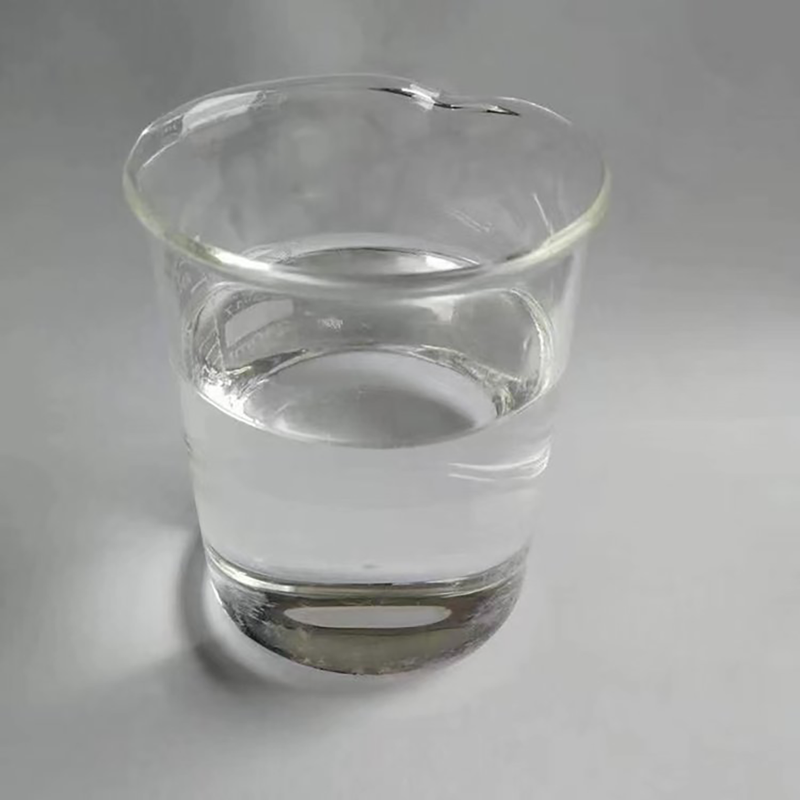
    Ethyl silicate is a flammable, colourless liquid with a mild, sweet, alcohol-like odour.  Exposure to ethyl silicate can occur through inhalation, ingestion, and eye or skin contact.  It is practically insoluble in water, soluble in alcohol, and slightly soluble in benzene.

    Uses
    1. Tetraethyl orthosilicate is Used as insulating materials in electronic industry, also used for optical glass processing and used as coagulants.
    2. For precision casting, as a sand binder. Metal surface treated by ethyl silicate vapor can be anticorrosion and waterproof. Ethyl silicate can be used to bleed on the metal surface of the silicon, processing optical glass can improve its light transmittance. Fine silica powder produced by complete hydrolysis can be used to manufacture the phosphor. Ethyl silicate is raw material for silicone oil. Ethyl silicate can also be used to manufacture heat-resistant, chemical-resistant coatings. In Japan, 90% of ethyl silicate is used as an anti-corrosion coating (zinc-rich paint) base material.
    3. Tetraethyl orthosilicate is Mainly used in chemical-resistant coatings and heat-resistant coatings, used as silicone solvent and precision-made binder. Fine silica powder produced after complete hydrolysis, used for the manufacture of phosphor, also used as a chemical reagent.
    4. Tetraethoxysilane is mainly used in optical glass, chemical resistant coatings and heat-resistant coatings and adhesives, modification for anti-corrosion coating, used as crosslinking agent, a binder, a dehydrating agent, used for manufacturing catalyst skeleton, high purity ultrafine silica.
    5. Used as Insulating materials in electronic industry, coatings, optical glass treatment agents, coagulants, used for organic synthesis, used as solvents for the preparation of organosilicon.
    Production method
    It is produced by esterification of silicon tetrachloride with ethanol at normal temperature and pressure.

    Category
    Flammable liquids.
    Toxicity grading
    Poisoning
    Acute toxicity
    Oral-rat LD50: 6270 mg/kg, Inhalation-rat LCL0: 85 g/cubic meter.
    Stimulus data
    Skin-rabbit 500 mg/24 hours moderate. Eyes-rabbit 500 mg/24 hours mild.
    Storage Characteristics
    Treasury ventilation low-temperature drying, stored separately from oxidants.
    Extinguishing agent
    Foam, powder, carbon dioxide, sand.
    Occupational standards
    TWA 85 mg/m³, STEL 170 mg/m³.
    Chemical Properties
    Ethyl silicate is a flammable, colourless liquid with a mild, sweet, alcohol-like odour. Exposure to ethyl silicate can occur through inhalation, ingestion, and eye or skin contact. It is practically insoluble in water, soluble in alcohol, and slightly soluble in benzene.
    Uses
    Commonly used as a precursor to prepare xerogel1,2
    Uses
    Tetraethyl Orthosilicate is used in the preparation of antidreflective coatings on silicate glass via silicon dioxide. Crosslinking reagent.
    Uses
    In weatherproofing and hardening stone, arresting decay and disintegration; manufacture of weatherproof and acidproof mortars and cements. In the "lost wax" process for casting of high-melting alloys.
    Production Methods
    Prepared from absolute alcohol and silicon tetrachloride.
    General Description
    A clear colorless liquid with a faint odor. Flash point 125°F. Less dense than water. Vapors are heavier than air.
    Air & Water Reactions
    Flammable. Practically insoluble in water. Reacts slowly with water to form silica and ethyl alcohol [Merck].
    Reactivity Profile
    Tetraethyl orthosilicate reacts exothermically with acids Strong oxidizing acids may cause a reaction that is sufficiently exothermic to ignite the reaction products. May generate with caustic solutions. May generate flammable hydrogen with alkali metals and hydrides.
    Hazard
    Moderate fire risk. Strong irritant to eyes, nose, throat.
    Health Hazard
    Exposures to ethyl silicate cause adverse health effects. The symptoms of poisoning include, but are not limited to, irritation of the eye, mucous membrane, respiratory tract, respiratory difficulty, tremor, fatigue, narcosis, nausea, and vomiting. Prolonged periods of skin contact may produce drying, cracking, inflammation, and dermatitis. As observed in laboratory animals, occupational workers exposed to the chemical substance may suffer from liver and kidney damage, CNS depression, and anemia. At concentrations of 3000 ppm, ethyl silicate causes extreme and intolerable irritation of the eyes and mucous membranes; at 1200 ppm, it produces tearing of the eyes; at 700 ppm, it causes mild stinging of the eyes and nose; and at 250 ppm, it produces slight irritation of the eyes and nose.
    Fire Hazard
    HIGHLY FLAMMABLE: Will be easily ignited by heat, sparks or flames. Vapors may form explosive mixtures with air. Vapors may travel to source of ignition and flash back. Most vapors are heavier than air. They will spread along ground and collect in low or confined areas (sewers, basements, tanks). Vapor explosion hazard indoors, outdoors or in sewers. Runoff to sewer may create fire or explosion hazard. Containers may explode when heated. Many liquids are lighter than water.
    Safety Profile
    Poison by intravenous route. Moderately toxic by other routes. A skin,mucous membrane, and severe eye irritant. Narcotic in high concentrations. Flammable liquid when exposed to heat or flame; can react vigorously with oxidzing materials. When heated to decomposition it emits acrid smoke and fumes. See also ESTERS.
    Potential Exposure
    Ethyl silicate is used as a binder in production of cases and molds for investment casting of metals. The next largest application is in corrosion-resistant coatings; primarily as a binder for zinc dust paints. Miscellaneous uses include the protection of white-light bulbs; the preparation of soluble silicas; catalyst preparation and regeneration; and as a crosslinker and intermediate in the production of silicones
    Shipping
    UN1292 Tetraethyl acetate, Hazard Class: 3; Labels: 3-Flammable liquid.
    Purification Methods
    Fractionate it through an 80cm Podbielniak type column (p 11) with a heated jacket and partial take-off head. It is slowly decomposed by H2O-and is soluble in EtOH. It is flammable-it irritates the eyes and mucous membranes. [Sumrell & Ham J Am Chem Soc 78 5573 1956, Bradley et al. J Chem Soc 5020 1952, Beilstein 1 IV 1360.]
    Incompatibilities
    May form explosive mixture with air. Strong oxidizers; strong acids; water.
    Toxics Screening Level
    The ITSL for ethyl silicate is 850 μg/m3 based on 8 hour averaging.
    Waste Disposal
    Incineration in admixture with a more flammable solvent.
    Precautions
    Occupational workers should avoid contact between ethyl silicate and strong oxidizers, water, mineral acids, and alkalis. Workers should use appropriate personal protective clothing and equipment that must be carefully selected, used, and maintained to be effective in preventing skin contact with ethyl silicate. The selection of the appropriate personal protective equipment (PPE) (e.g., gloves, sleeves, encapsulating suits) should be based on the extent of the worker’s potential exposure to ethyl silicate. There are no published reports on the resistance of various materials to permeation by ethyl silicate.
    Ethyl silicate Preparation Products And Raw materials
    Raw materials
    Tetrachlorosilane-->N-Butyltriethoxy Silane
    Preparation Products
    photosensitive polyimide/SiO2 hybrid mate materials-->Phenyltriethoxysilane-->methyl block RTV silicone rubber adhesive QD-200 sersies-->Phenylmethyl chloroethoxysilane-->tris(Trimethylsilyloxy)silanol-->Tetrapropoxysilane-->1,1-Diethoxybutane-->ISOBUTYRALDEHYDE DIETHYL ACETAL-->tetrahydroxysilane-->1,1,3-TRIETHOXYPROPANE-->DIETHOXYDICHLOROSILANE

    Shop Ethoxy(oxo)silanol | Pharmaceutical Grade | 99.99% Purity | 10mg 20mg 30mg Vials | Lyophilized Powder | CAS  78-10-4-Detailed Image 1


    Shop Ethoxy(oxo)silanol | Pharmaceutical Grade | 99.99% Purity | 10mg 20mg 30mg Vials | Lyophilized Powder | CAS  78-10-4-Detailed Image 2
    Shop Ethoxy(oxo)silanol | Pharmaceutical Grade | 99.99% Purity | 10mg 20mg 30mg Vials | Lyophilized Powder | CAS  78-10-4-Detailed Image 3
    Shop Ethoxy(oxo)silanol | Pharmaceutical Grade | 99.99% Purity | 10mg 20mg 30mg Vials | Lyophilized Powder | CAS  78-10-4-Detailed Image 4
    Shop Ethoxy(oxo)silanol | Pharmaceutical Grade | 99.99% Purity | 10mg 20mg 30mg Vials | Lyophilized Powder | CAS  78-10-4-Detailed Image 5
    Shop Ethoxy(oxo)silanol | Pharmaceutical Grade | 99.99% Purity | 10mg 20mg 30mg Vials | Lyophilized Powder | CAS  78-10-4-Detailed Image 6
    Shop Ethoxy(oxo)silanol | Pharmaceutical Grade | 99.99% Purity | 10mg 20mg 30mg Vials | Lyophilized Powder | CAS  78-10-4-Detailed Image 7
    Shop Ethoxy(oxo)silanol | Pharmaceutical Grade | 99.99% Purity | 10mg 20mg 30mg Vials | Lyophilized Powder | CAS  78-10-4-Detailed Image 8
    Shop Ethoxy(oxo)silanol | Pharmaceutical Grade | 99.99% Purity | 10mg 20mg 30mg Vials | Lyophilized Powder | CAS  78-10-4-Detailed Image 9
    Shop Ethoxy(oxo)silanol | Pharmaceutical Grade | 99.99% Purity | 10mg 20mg 30mg Vials | Lyophilized Powder | CAS  78-10-4-Detailed Image 10
    Shop Ethoxy(oxo)silanol | Pharmaceutical Grade | 99.99% Purity | 10mg 20mg 30mg Vials | Lyophilized Powder | CAS  78-10-4-Detailed Image 11
    Shop Ethoxy(oxo)silanol | Pharmaceutical Grade | 99.99% Purity | 10mg 20mg 30mg Vials | Lyophilized Powder | CAS  78-10-4-Detailed Image 12
    Shop Ethoxy(oxo)silanol | Pharmaceutical Grade | 99.99% Purity | 10mg 20mg 30mg Vials | Lyophilized Powder | CAS  78-10-4-Detailed Image 13
    Shop Ethoxy(oxo)silanol | Pharmaceutical Grade | 99.99% Purity | 10mg 20mg 30mg Vials | Lyophilized Powder | CAS  78-10-4-Detailed Image 14
    Shop Ethoxy(oxo)silanol | Pharmaceutical Grade | 99.99% Purity | 10mg 20mg 30mg Vials | Lyophilized Powder | CAS  78-10-4-Detailed Image 15
    Shop Ethoxy(oxo)silanol | Pharmaceutical Grade | 99.99% Purity | 10mg 20mg 30mg Vials | Lyophilized Powder | CAS  78-10-4-Detailed Image 16
    Shop Ethoxy(oxo)silanol | Pharmaceutical Grade | 99.99% Purity | 10mg 20mg 30mg Vials | Lyophilized Powder | CAS  78-10-4-Detailed Image 17
    Shop Ethoxy(oxo)silanol | Pharmaceutical Grade | 99.99% Purity | 10mg 20mg 30mg Vials | Lyophilized Powder | CAS  78-10-4-Detailed Image 18
    Shop Ethoxy(oxo)silanol | Pharmaceutical Grade | 99.99% Purity | 10mg 20mg 30mg Vials | Lyophilized Powder | CAS  78-10-4-Detailed Image 19


    Certificates

    Basic Info
    Product Name:

    Tetraethoxysilane

    Other Name:

    Silicic acid (H4SiO4),tetraethyl ester;Ethyl silicate ((EtO)4Si);Ethyl orthosilicate;Silane,tetraethoxy-;TEOS;Tetraethyl silicate;Tetraethoxysilane;Silicon ethoxide;Silicon tetraethoxide;Dynasil A;Tetraethoxysilicon;ES 28 (ester);Tetraethyl orthosilicate;ES 28;ES 100 (silicate);Silikan L;SI 42;TES 28;Silicon tetraethoxide (Si(OEt)4);Silicon ethoxide (Si(OEt)4);ES 100;Conservare OH;Ethyl silicate 28;TSL 8124;Tetraethoxysilicon(IV);KBE 04;LS 2430;Silicon tetraethoxide (Si(OC2H5)4);ES 140;Colcoat 6P;Ethyl Silicate 45;ES 45;T 1807;LS 2340;PETEOS;NSC 4790;KBM 06;T 0100;Unisilan 74;ES 28P;T 0100 (ester);Remmers 300;KIEM-Silex OH;Ethyl silicate PHASE;Ethyl silicate 28P;TSLB 124;PG 121;WD 932;TEOS Pure;SOTEOS;AY 43-101;Z 6697;Ethyl Silicate A;Silres BSOH 100;N 100;N 100 (silicate);Silquest TEOS Pure;Estel 1000;Silquest SIT 7110.0;Si 28 (coupling agent);Si 28;Dynasylan TEOS-UHP;Ekos 1;Dynasylan A;T 1126;E 28;SSG-HB 21N;Dynasylan Silbond Condensed;ECOS 1;Tanapel DSR;SIT 7110.0;ADC 68;Silikat TES 28;KBE 14;827300-06-1;1239977-99-1;1421840-08-5

    CAS No.:

    78-10-4

    UN No.:

    1292

    Molecular Formula:

    C8H20O4Si

    InChIKeys:

    InChIKey=BOTDANWDWHJENH-UHFFFAOYSA-N

    Molecular Weight:

    208.32700

    Exact Mass:

    208.33

    EC Number:

    201-083-8

    UNII:

    42064KRE49

    ICSC Number:

    0333

    NSC Number:

    4790

    UN Number:

    1292

    DSSTox ID:

    DTXSID6026450

    Color/Form:

    Colorless liquid|Water-white

    HScode:

    2920909090

    Characteristics
    PSA:

    36.92000

    XLogP3:

    1.56800

    Appearance:

    clear colorless liquid with a faint odor

    Density:

    0.933 g/cm3 @ Temp: 20 °C

    Melting Point:

    -82.5 °C

    Boiling Point:

    168.8 °C @ Press: 760 Torr

    Flash Point:

    45ºC

    Refractive Index:

    n20/D 1.382(lit.)

    Water Solubility:

    Hydrolysis

    Storage Conditions:

    Flammables area

    Vapor Pressure:

    <1 mm Hg ( 20 °C)

    Vapor Density:

    7.2 (vs air)

    Toxicity:

    LD50 orally in Rabbit: 6270 mg/kg LD50 dermal Rabbit 5860 mg/kg

    Flammability characteristics:

    Class IC Flammable Liquid: Fl.P. at or above 73°F and below 100°F.

    Explosive limit:

    Explosive limits , vol% in air: 1.3-23

    Odor:

    SHARP, ESTER-LIKE ODOR|Faint odor|Sharp alcohol-like odor

    Henrys Law Constant:

    Henry's Law constant = 2.0X10⁻⁵ atm-cu m/mole at 25 °C (est)

    Experimental Properties:

    HYDROLYZED TO AN ADHESIVE FORM OF SILICA; WT/GAL 7.8 LB @ 20 °C|Slowly decomposed by water|Without special precautions, tetraethoxysilane hydrolyzes to a gel in about 10 days|Hydroxyl radical reaction rate constant = 2.5X10⁻¹¹ cu cm/molecule-sec at 25 °C (est)

    Air and Water Reactions:

    Flammable. Practically insoluble in water. Reacts slowly with water to form silica and ethyl alcohol [Merck].

    Reactive Group:

    Siloxanes

    Reactivity Alerts:

    Highly Flammable

    Reactivity Profile:

    ETHYL SILICATE reacts exothermically with acids Strong oxidizing acids may cause a reaction that is sufficiently exothermic to ignite the reaction products. May generate with caustic solutions. May generate flammable hydrogen with alkali metals and hydrides.

    Heat of Combustion:

    -12,000 BTU/LB = -6,700 CAL/G = -280X10+5 J/KG (EST)

    Ionization Potential:

    9.77 eV

    Flammable Limits:

    Lower flammable limit: 1.3% by volume; Upper flammable limit: 23% by volume|Class IC Flammable Liquid: Fl.P. at or above 73°F and below 100°F.

    Hazard Identification

    Classification of the substance or mixture

    Flammable liquids, Category 3

    Eye irritation, Category 2

    Acute toxicity - Category 4, Inhalation

    Specific target organ toxicity – single exposure, Category 3

    GHS label elements, including precautionary statements

    Pictogram(s)
    Signal word

    Warning

    Hazard statement(s)

    H226 Flammable liquid and vapour

    H319 Causes serious eye irritation

    H332 Harmful if inhaled

    H335 May cause respiratory irritation

    Precautionary statement(s)
    Prevention

    P210 Keep away from heat, hot surfaces, sparks, open flames and other ignition sources. No smoking.

    P233 Keep container tightly closed.

    P240 Ground and bond container and receiving equipment.

    P241 Use explosion-proof [electrical/ventilating/lighting/...] equipment.

    P242 Use non-sparking tools.

    P243 Take action to prevent static discharges.

    P280 Wear protective gloves/protective clothing/eye protection/face protection/hearing protection/...

    P264 Wash ... thoroughly after handling.

    P261 Avoid breathing dust/fume/gas/mist/vapours/spray.

    P271 Use only outdoors or in a well-ventilated area.

    Response

    P303+P361+P353 IF ON SKIN (or hair): Take off immediately all contaminated clothing. Rinse affected areas with water [or shower].

    P370+P378 In case of fire: Use ... to extinguish.

    P305+P351+P338 IF IN EYES: Rinse cautiously with water for several minutes. Remove contact lenses, if present and easy to do. Continue rinsing.

    P304+P340 IF INHALED: Remove person to fresh air and keep comfortable for breathing.

    P317 Get medical help.

    P319 Get medical help if you feel unwell.

    Storage

    P403+P235 Store in a well-ventilated place. Keep cool.

    P403+P233 Store in a well-ventilated place. Keep container tightly closed.

    P405 Store locked up.

    Disposal

    P501 Dispose of contents/container to an appropriate treatment and disposal facility in accordance with applicable laws and regulations, and product characteristics at time of disposal.

    Other hazards which do not result in classification

    no data available

    Handling and Storage

    Precautions for safe handling

    NO open flames, NO sparks and NO smoking. Above 37°C use a closed system, ventilation and explosion-proof electrical equipment. Handling in a well ventilated place. Wear suitable protective clothing. Avoid contact with skin and eyes. Avoid formation of dust and aerosols. Use non-sparking tools. Prevent fire caused by electrostatic discharge steam.

    Conditions for safe storage, including any incompatibilities

    Fireproof. Separated from acids and oxidants. Cool. Dry. Keep in a well-ventilated room.

  • Seller Information
    Business Type:

    Trader

    Main Products:

    pharmaceutical intermediates,peptides,electronic chemicals

    Location:

    Room 102, 1st Floor, East Office Building, No. 45 Pengwan Road, Qianwan Bonded Port Area, Qingdao Zone, China (Shandong) Pilot Free Trade Zone

    Payment Terms:

    100% TT in advance

    Average lead Time:

    10

    Total Annual Revenue:

    $10 million-$25 million

    Total Employees:

    51-100

    Year of Establishment:

    2024

    A reliable supplier is like insurance.

    We are mainly specilized in supply of pharmaceutical intermediates, electronic chemicals,food additives, and other fine chemical products.
    Integrity is the foundation, quality is life. We would like to work together with you to build a greener and brighter future.

    Website: orientchem.cc
    Email: scarlett@orientchem.cc
    WhatsApp: +86 17753254221

  • Inquiry History
    26 Inquiries
    Country Product Purchase Quantity Date Posted
    Turkey

    Tetraethyl orthosilicate

    1 MT Dec 14, 2023
    India

    Tetraethyl orthosilicate

    1.00 MT Dec 28, 2023
    Brazil

    Tetraethyl orthosilicate

    2000 KG Nov 14, 2024
    India

    Ethyl silicate

    700.00 KG Apr 12, 2024
    India

    Ethyl silicate

    700 KG Apr 11, 2024
    Israel

    Tetraethyl Orthosilicate

    1 20' Fcl May 30, 2024
    India

    tetraethyl orthosilicate

    25.00 KG Jun 12, 2026
    United States

    TEOS 78-10-4-honour

    1000 KG Mar 30, 2025
    United States

    Tetraethyl Orthosilicate

    20 MT Mar 8, 2025
    Turkey

    tetraethyl silicate ethyl silicate

    1 KG Jul 1, 2024
    United States

    Tetraethyl orthosilicate

    1 KG Feb 28, 2024
    France

    Tetraethyl orthosilicate

    200 KG Jan 10, 2024
    United States

    Tetraethyl orthosilicate

    1 TON Dec 19, 2023
    United Kingdom

    Tetraethyl orthosilicate

    1 KG Nov 21, 2024
    Malaysia

    Ethyl silicate 40

    200 KG Oct 8, 2024
    Pakistan

    Tetraethyl Orthosilicate

    500  Jul 26, 2024
    Turkey

    Tetraethyl orthosilicate

    5 KG Jan 12, 2024
    India

    Ethyl Silicate- 40 %

    50.00 KG Dec 29, 2023
    United States

    Tetraethyl Orthosilicate TEOS

    2450 MT Sep 10, 2025
    United States

    Tetraethyl Orthosilicate TEOS

    245 MT Apr 8, 2025
    • 1
    • 2
    • Go to Page Go
    Post an enquiry for this product
pic ×

Scan the QR Code to Share

All products displayed on this website are only for non-medical purposes such as industrial applications or scientific research, and cannot be used for clinical diagnosis or treatment of humans or animals. They are not medicinal or edible.

According to relevant laws and regulations and the regulations of this website, units or individuals who purchase hazardous materials should obtain valid qualifications and qualification conditions.

The information shown above is provided by the enterprise itself, and the authenticity, accuracy and legitimacy of the content are the responsibility of the publishing company. ECHEMI does not bear any guarantee responsibility for this. Please be aware that risks in internet transactions objectively exist.

Feedback & Suggestions
Send Message

Thank you for your feedback. If you require further assistance, please contact us by email at info@echemi.com or call us at +86-532-55729510.