




Biochemical Engineering
- • Amino Acids and Proteins (229)
- • Nucleic Acid Drugs (17)
- • Enzymes and Coenzymes Drugs (115)
- • Inhibitors (1099)
- • Biological Response Modifiers (15)
- • Fat Medicines (8)
- • Amino Acids and Derivatives (4209)
- • Saccharides (2382)
- • Biochemical Reagents (349)
- • Nucleoside Drugs (348)
- • Condensing Agent (40)
- • Polypeptide (769)
- • Biosynthetic Natural Products (108)
- • Plant Extracts (827)
- • Chinese Herbs (354)
- • Microbiology Reagents (11)
- • Protein Research (34)
- • Lipids (281)
- • Inflammation Mediators (128)
Related News
-
Innovating Protein Enrichment: Balancing Taste, Texture, and Nutrition in Yoghurt
2023-11-15 -
EIT Food Advocates Protein Diversification for a Sustainable Food Industry
2023-11-07 -
Vegan Diet Awareness Drives Meat Substitutes Market to US$67.9 Billion by 2033 | Future Market Insights, Inc.
2023-10-17 -
Biuret Test for Protein- Test to Determine the Presence of Protein
2023-07-20 -
The importance of amino acids and the cost performance of livestock and poultry feed
2023-05-15 -
Is Protein an Organic Compound? The Organic Compound You Never Knew
2022-09-16


Amino Acids and Proteins Chemical
Amino Acids and Proteins
-

Industrial Grade / 99%
-

- / 99.00%
-

Pharmaceutical Grade / 99%
-

Pharmaceutical Grade / 99%


Request for quotation , get quotes from more suppliers.
L-Asparagine, hydrate (1:1)
(5794-13-8)-

pharmaceutical grade/food grade / 99%
-

Food Grade / 99%
-
-Asparagine monohydrate")
- / 99.00%
-
-Asparagine monohydrate With Best Quality")
Industrial Grade / -



Request for quotation , get quotes from more suppliers.
-

Industrial Grade / 99%
-

Food Grade / 99%
-

- / 99.00%
-



Request for quotation , get quotes from more suppliers.
Magnesium glycinate
(14783-68-7)-

Chemical Grade / 99%
$1/KG FOB
-

-
Magnesium Pharmaceutical Grade Magnesium Glycinate Magnesium Bisglycinate Chelate CAS No.: 14783-68-7")
- / 0.00%
-

Top Product / 99%


Request for quotation , get quotes from more suppliers.
-

- / 99.00%
-
-OH")
Research and Industrial Grade / 98.00%
-

industrial Grade / 98%
-

Pharmaceutical Grade / 99%


Request for quotation , get quotes from more suppliers.
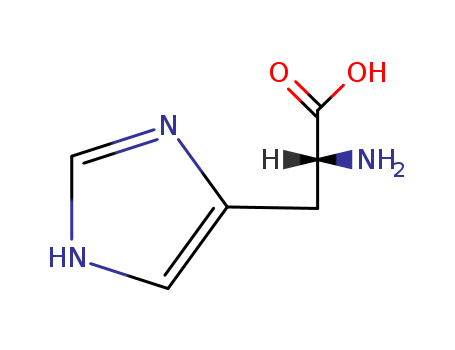
D-Histidine
(351-50-8)-

Industrial Grade / 99%
-

- / 99.00%
-

Research and Industrial Grade / 98.00%
-

Pharmaceutical Grade / 99%

Request for quotation , get quotes from more suppliers.
L-Histidine hydrochloride monohydrate
(5934-29-2)-

- / 99.00%
-

Food Grade / 99%
$38-45/KG FOB
-

Pharmaceutical Grade / 99%
-

- / 99%


Request for quotation , get quotes from more suppliers.
DL-Glutamic acid
(617-65-2)-
-2-Amino-pentanedioicacid")
-

- / 99.00%
-

-

Pharmaceutical Grade / 99%


Request for quotation , get quotes from more suppliers.
Cycloleucine
(52-52-8)-

- / 99.00%
-

Pharmaceutical Grade / 99%
-

Industrial Grade / 99%
-


Request for quotation , get quotes from more suppliers.
Epidermal Growth Factor
(62253-63-8)-

Reagent Grade / 20%
$1800-2000/G FOB
-

Pharmaceutical Grade / 99%
-

Pharmaceutical Grade / 99%
-

Pharmaceutical Grade / 99%



Request for quotation , get quotes from more suppliers.
Source Amino Acids and Proteins Raw Materials by Region


Frequently Asked Questions
Amino acids and proteins play essential roles in numerous physiological processes. Amino acids serve as the building blocks of proteins, which are crucial for tissue repair, enzyme and hormone production, immune function, and nutrient transport. Additionally, certain amino acids act as neurotransmitters or precursors to bioactive molecules. Understanding these functions is vital for applications in nutrition, pharmaceuticals, and biotechnology.
In the pharmaceutical industry, amino acids are used to formulate intravenous solutions, develop therapeutic agents, and support drug delivery systems. In nutraceuticals, they are key ingredients in dietary supplements aimed at muscle recovery, cognitive health, and metabolic support. High-purity, pharma-grade amino acids must meet strict regulatory standards such as USP, EP, or JP to ensure safety and efficacy.
Essential amino acids cannot be synthesized by the human body and must be obtained through diet or supplementation—examples include leucine, lysine, and valine. Non-essential amino acids, such as alanine and glutamine, can be produced endogenously. Both types are critical for protein synthesis and metabolic health, but essential amino acids are often prioritized in clinical nutrition and sports supplements due to their dietary dependency.
Recombinant proteins are produced by inserting target genes into host cells (e.g., E. coli, yeast, or mammalian cells) using genetic engineering techniques. These proteins are widely used in research, diagnostics, and therapeutics—including monoclonal antibodies, vaccines, and enzymes like insulin or growth hormones. Rigorous downstream processing and quality validation are required to ensure functionality, purity, and safety for biomedical applications.