




Cosmetic Ingredient
- • Abrasive (124)
- • Absorbent (84)
- • Anticaking (66)
- • Anticorrosive (25)
- • Antifoaming (19)
- • Antimicrobials (291)
- • Antioxidant Ingredient (395)
- • Antiperspirant (20)
- • Antiplaque (48)
- • Anti-seborrheic (38)
- • Anti-sebum (39)
- • Antistatic (458)
- • Astringent (162)
- • Binding Agent (172)
- • Bleaching Agent (53)
- • Buffering (191)
- • Bulking (109)
- • Chelating (122)
- • Cleansing (680)
- • Cosmetic Colorant (212)
- • Cosmetic Preservative (158)
- • Denaturant (45)
- • Deodorant (98)
- • Depilatory (27)
- • Dissolving Agent (298)
- • Emollient (796)
- • Emulsifying Agent (482)
- • Emulsion Stabilising (154)
- • Exfoliating (19)
- • Film Forming (299)
- • Flavouring (72)
- • Foam Boosting (161)
- • Foaming (101)
- • Fragrance Ingredient (733)
- • Gel Forming (19)
- • Hair Conditioning (672)
- • Hair Dyeing (363)
- • Hair Fixing (36)
- • Hair Waving or Straightening (45)
- • Humectant (282)
- • Hydrotrope (92)
- • Keratolytic (20)
- • Light Stabilizer (80)
- • Moisturising Agent (50)
- • Nail Conditioning (42)
- • Occlusive (20)
- • Opacifying (119)
- • Oral Care (123)
- • Oxidising (19)
- • Perfuming (2106)
- • Plasticiser (98)
- • Propellant (19)
- • Reducing (52)
- • Refatting (12)
- • Refreshing (27)
- • Skin Cleansing (388)
- • Skin Conditioning (1753)
- • Skin Humectant (21)
- • Skin Protecting (282)
- • Smoothing (32)
- • Soothing (72)
- • Tonics (155)
- • UV Filter (34)
- • Viscosity Controlling (532)
Chemicals as Skincare Ingredients
Related News
-
SI Group expands antioxidant capacity
2022-11-08 -
Aronia is Called Ageless Berry Due to its New Developed Founctions in 2021
2021-12-24 -
Top 5 raw materials of global plant extracts
2020-09-02 -
Alban Muller’s Gourmet Raw Chocolate Mask Wins Global Recognition
2018-11-30 -
Vitafoods Europe 2019
2018-11-09 -
10 Nutrient-Rich Super Foods
2017-04-12


Antioxidant Ingredient
Sort Antioxidant Ingredient Alphabetically
Antioxidant Ingredient
Hydrogen
(1333-74-0)-

Industrial Grade / 99%
-

Industrial Grade / 99%
-

Industrial Grade / 99%
$1000-1050/MT FOB
-

Industrial Grade / 99.999%


Hydroquinone
(123-31-9)-

Cosmetics Grade / 99%
-

Cosmetics Grade / 99%
-

Cosmetics Grade / -
-

Pharmaceutical Grade / 99.5%

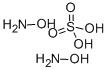
Hydroxylamine, sulfate
(10039-54-0)-

Industrial Grade / 99%
-

-

Different Grade / 99.9%
$0.1/KG EXW
-


Honokiol
(35354-74-6)-

food grade cosmetic grade / 98%
-

Industrial Grade / -
$30000/Unit EXW
-

- / 0.00%
-

- / 99.00%


Request for quotation , get quotes from more suppliers.
-

- / 99.00%
-

Pharmaceutical Grade / 99%
-

Chemical Grade / 99%
$100/UNIT EXW
-

industrial Grade / 98%


Request for quotation , get quotes from more suppliers.
Source Antioxidant Ingredient Products Supply
Hydrocotyle asiatica, ext.
(84696-21-9)-

Cosmetics Grade / 70%
-

Cosmetics Grade / 5%
-

Cosmetics Grade / 90%
-

Cosmetic Grade / 0.95%
$120/KG EXW

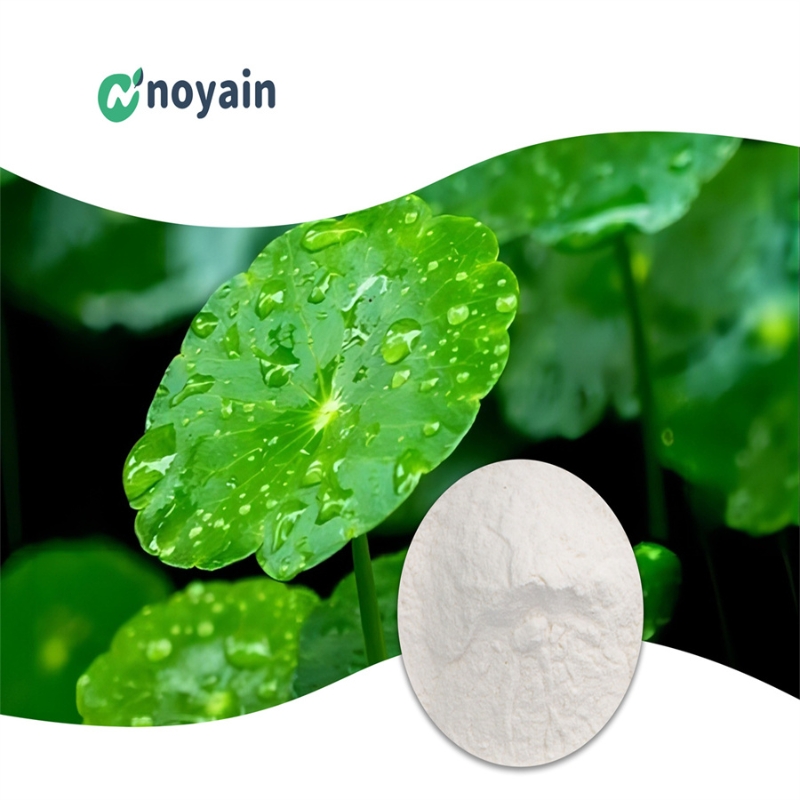

Request for quotation , get quotes from more suppliers.
Hesperidin methylchalcone
(24292-52-2)-

-

- / 99.00%
-

Pharmaceutical Grade / 99%
-

Chemical Grade / 99%


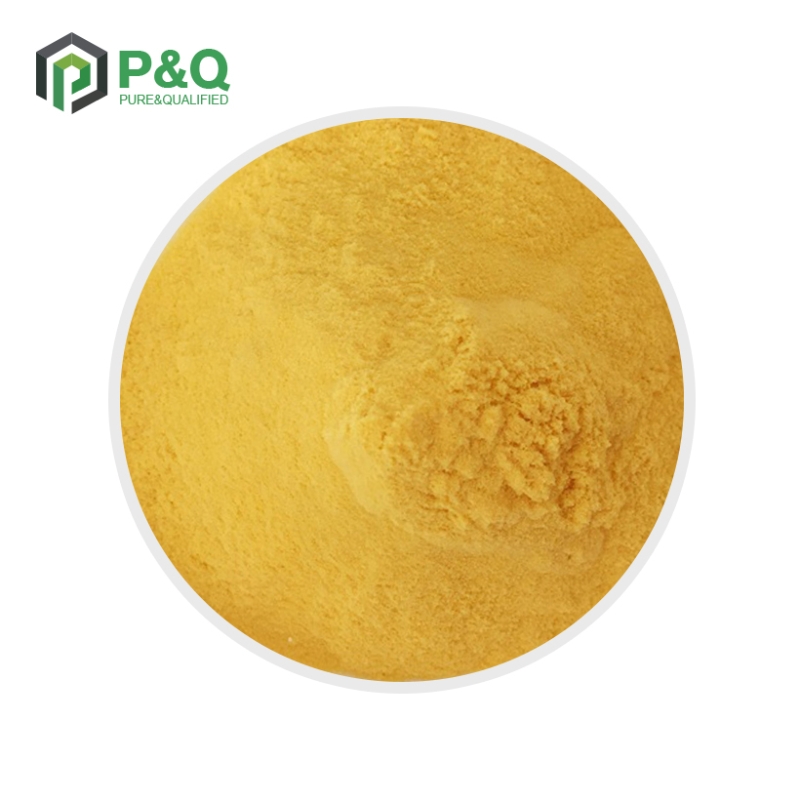
Request for quotation , get quotes from more suppliers.
Hypotaurine
(300-84-5)-

-

-

-

Industrial Grade / 99%


Request for quotation , get quotes from more suppliers.
Horse chestnut, Aesculushippocastanum, ext.
(8053-39-2)-

Pharmaceutical grad / 99%
$100/KG EXW
-

Industrial Grade / 99%
-

-

- / 0.99%


Request for quotation , get quotes from more suppliers.
-

- / 99.00%
-

Industrial Grade / 99.0%
-

-

Industrial Grade / 99%

Request for quotation , get quotes from more suppliers.
More Information
Antioxidant ingredients are a must-have in any skincare product as they help your skin combat the negative effects of the environment including pollution and UV radiation. Those products containing a combination of the right antioxidants can help to combat the formation of free radicals and thus give the skin a more youthful and glowing appearance. Certavite powerful antioxidant ingredients in skincare products help to nourish the skin, enhance its elasticity and minimize visible wrinkles and fine lines. All these ingredients not only form a shield on your skin but also help nourish the skin to give you an enlightened look.
Top antioxidant ingredients in formulas include:
Vitamin C
Green Tea Extract
Vitamin E
Resveratrol
Coenzyme Q10
Niacinamide
Frequently Asked Questions
An antioxidant ingredient is a substance that inhibits oxidation—a chemical reaction that can produce free radicals and chain reactions that may damage cells. Antioxidant ingredients are crucial in food, cosmetics, and pharmaceuticals to extend shelf life, maintain product stability, and support health by neutralizing harmful oxidative stress. Common examples include vitamin C (ascorbic acid), vitamin E (tocopherol), and rosemary extract.
The most commonly used natural antioxidant ingredients include vitamin E (tocopherols), vitamin C (ascorbic acid), rosemary extract, green tea extract, and tocotrienols. These are widely preferred in clean-label products across food, skincare, and dietary supplements due to their safety profile, consumer acceptance, and effectiveness in preventing rancidity or degradation caused by oxidation.
Choosing the right antioxidant ingredient depends on several factors:1. Application type—food, cosmetic, or supplement.2. Solubility requirements (water-soluble vs. oil-soluble).3. Regulatory compliance in your target market (e.g., FDA, EFSA, or EU cosmetic regulations).4. Compatibility with other ingredients and processing conditions (e.g., heat stability).5. Desired shelf-life extension and sensory impact (odor, color, taste).Consulting with a qualified supplier or formulation expert ensures optimal performance and compliance.
Synthetic antioxidant ingredients like BHA (butylated hydroxyanisole), BHT (butylated hydroxytoluene), and TBHQ (tert-butylhydroquinone) are approved for use in many countries under strict concentration limits set by regulatory bodies such as the FDA and EFSA. While effective and cost-efficient, some consumers prefer natural alternatives due to perceived safety concerns. Always verify local regulations and conduct safety assessments before incorporating synthetic antioxidants into your formulations.
When sourcing antioxidant ingredients, look for certifications that validate quality, safety, and sustainability, such as:• ISO 22000 or FSSC 22000 for food-grade antioxidants,• Kosher, Halal, or Non-GMO Project Verified for specific market demands,• Organic certification (e.g., USDA Organic, EU Organic) for natural extracts,• GMP (Good Manufacturing Practice) compliance for pharmaceutical or supplement use.These certifications help ensure product integrity and build consumer trust.